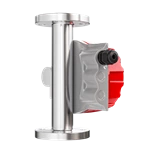
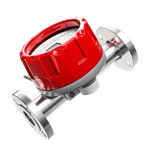
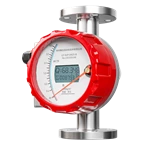
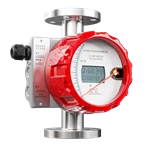
LZ-SUP-B Intelligent metal tube float flowmeter

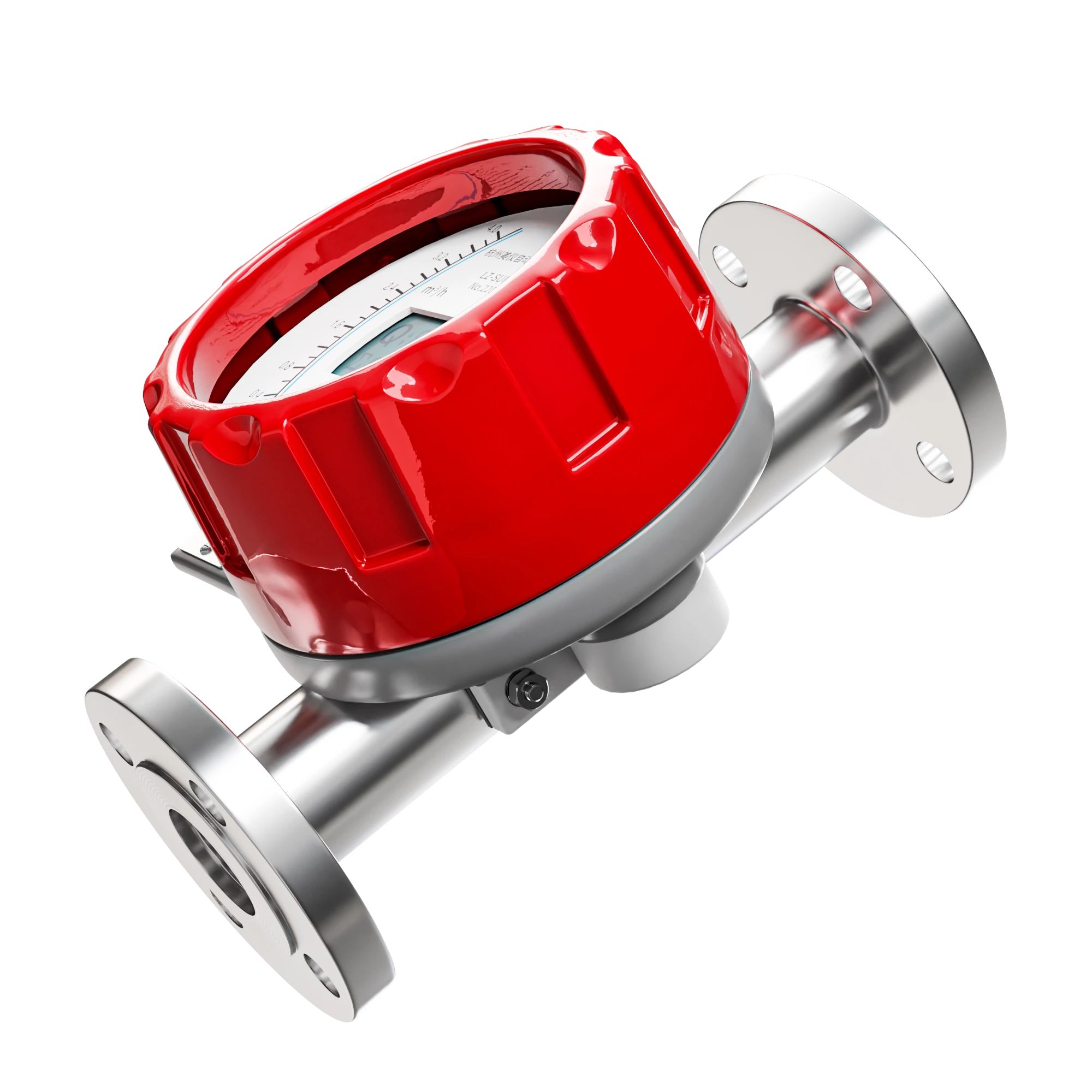
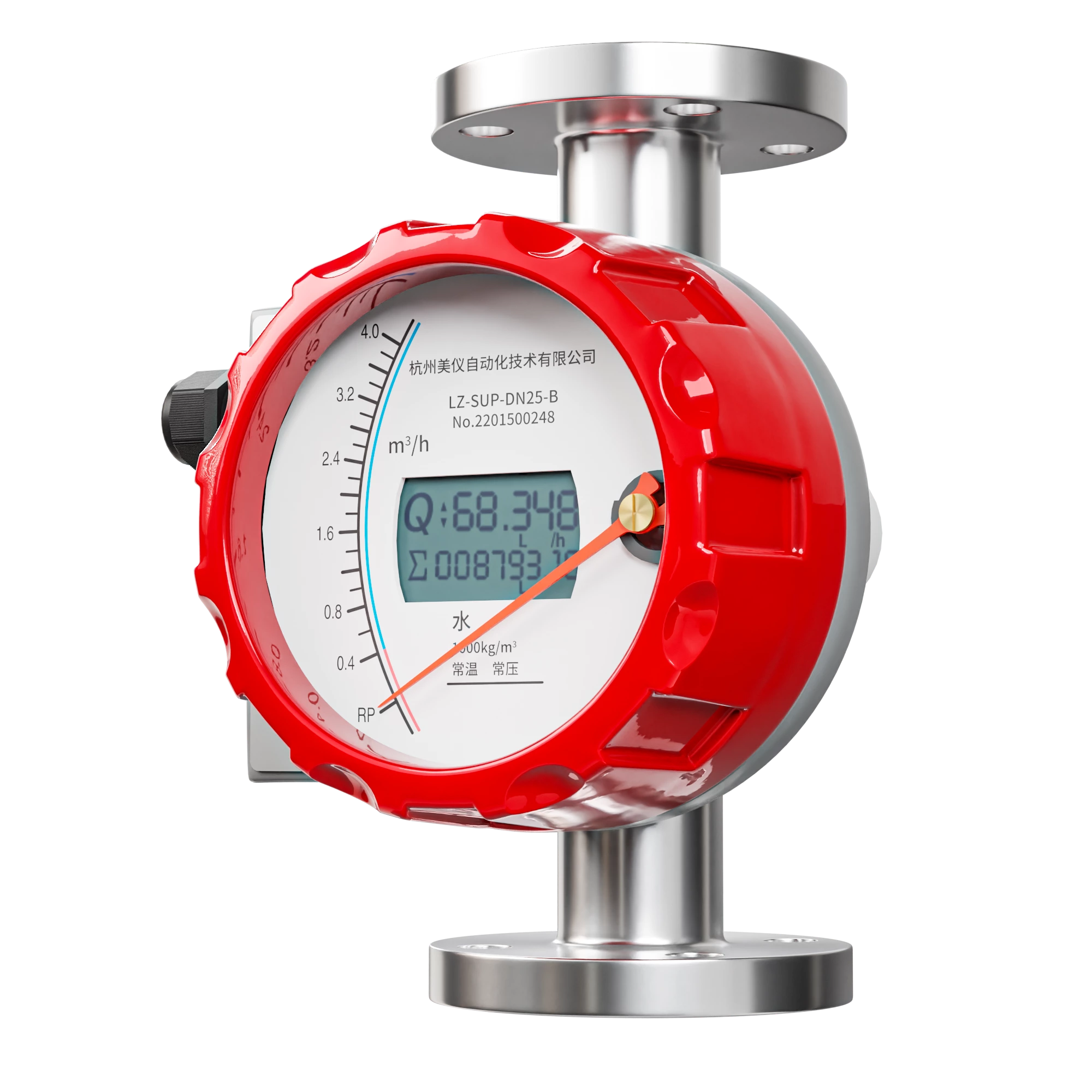
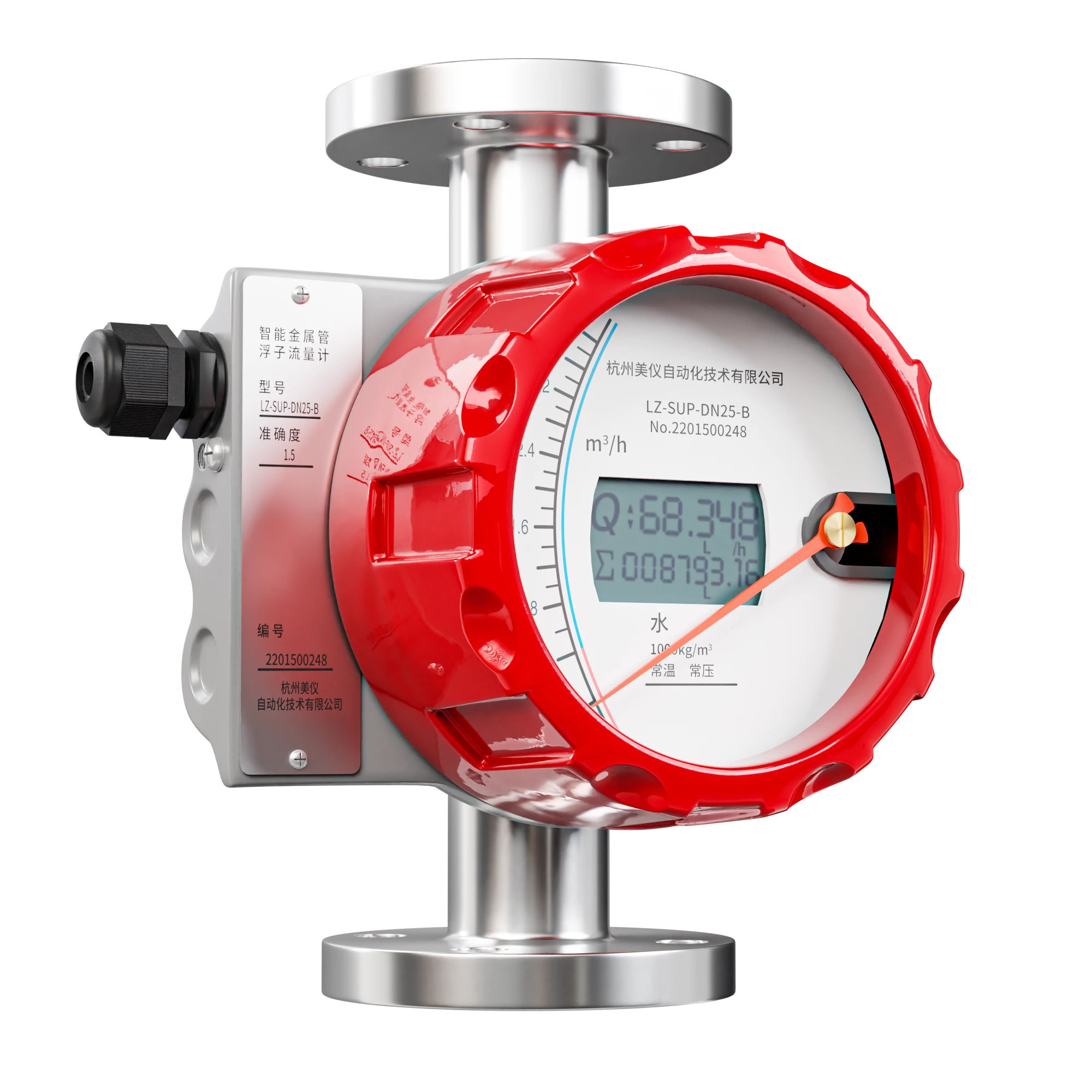
The LZ-SUP-B Intelligent Metal Tube Float Flow Meter measures flow rates with a variable area float in a metal tube, suitable for harsh environments. It features non-contact magnetic coupling, smart digital display, and robust construction. Ideal for industrial process control, it supports wide flow ranges and offers multiple outputs and configurations for diverse applications.

Characteristics

Robust All-Metal Construction for Harsh Environments, Featuring Corrosion-Resistant Materials Like Stainless Steel, Hastelloy, Titanium, and PTFE Lining


Wide Flow Range Capability Supporting Low Flow Velocities and Small Flows, with Liquid Measurements from 1–200,000 L/h and Gas Measurements from 0.03–4,000 m³/h


Smart Digital Display with Dual-Line LCD for Real-Time Flow Data and Enhanced Visibility in Diverse Lighting Conditions


Non-Contact Magnetic Coupling Ensures Stable Signal Transmission and Eliminates Mechanical Wear, Ideal for Hazardous Areas


Explosion-Proof Compliance with Intrinsically Safe (Ex ia II CT6) and Explosion-Proof (Ex d II CT6) Certifications for Safe Operation in Dangerous Environments
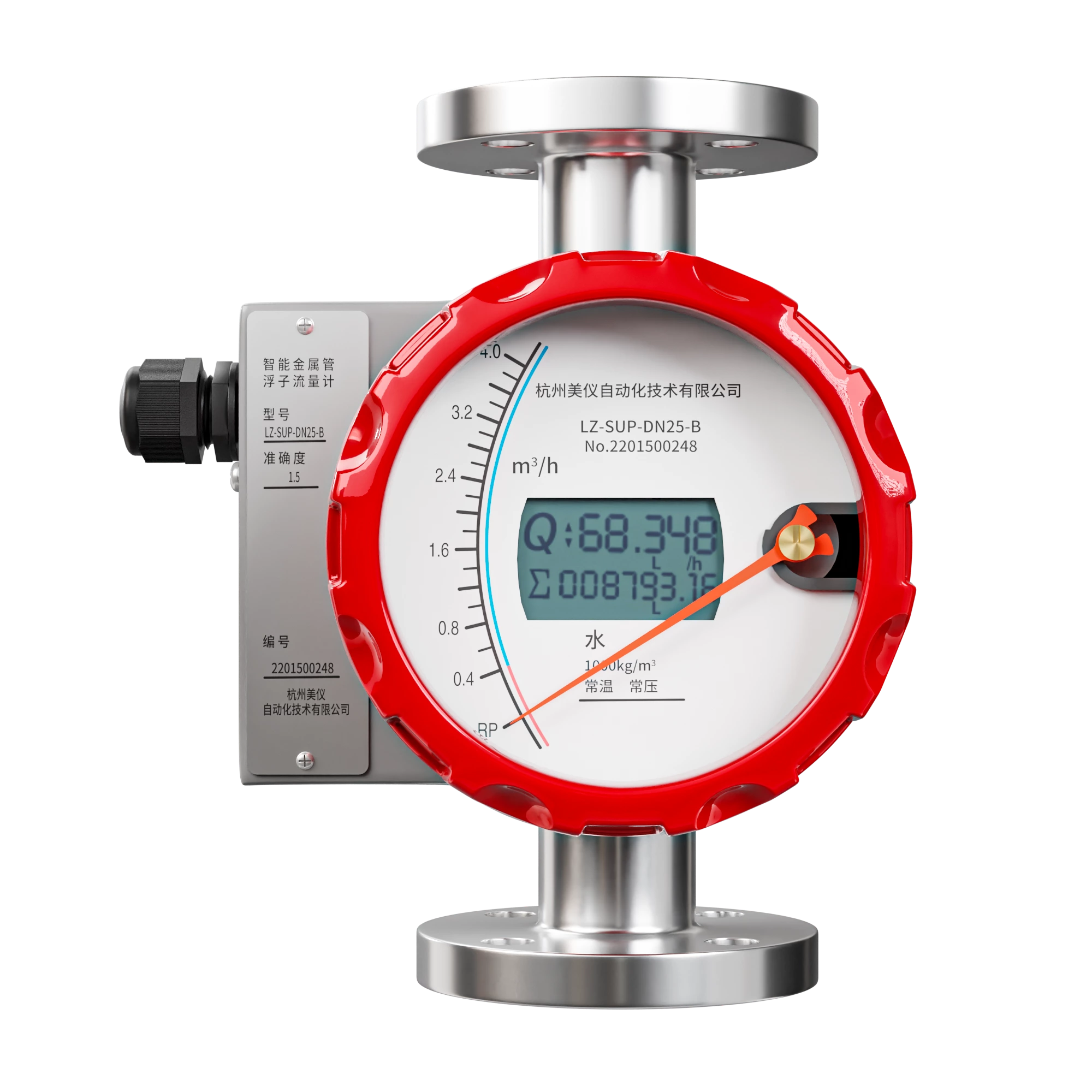
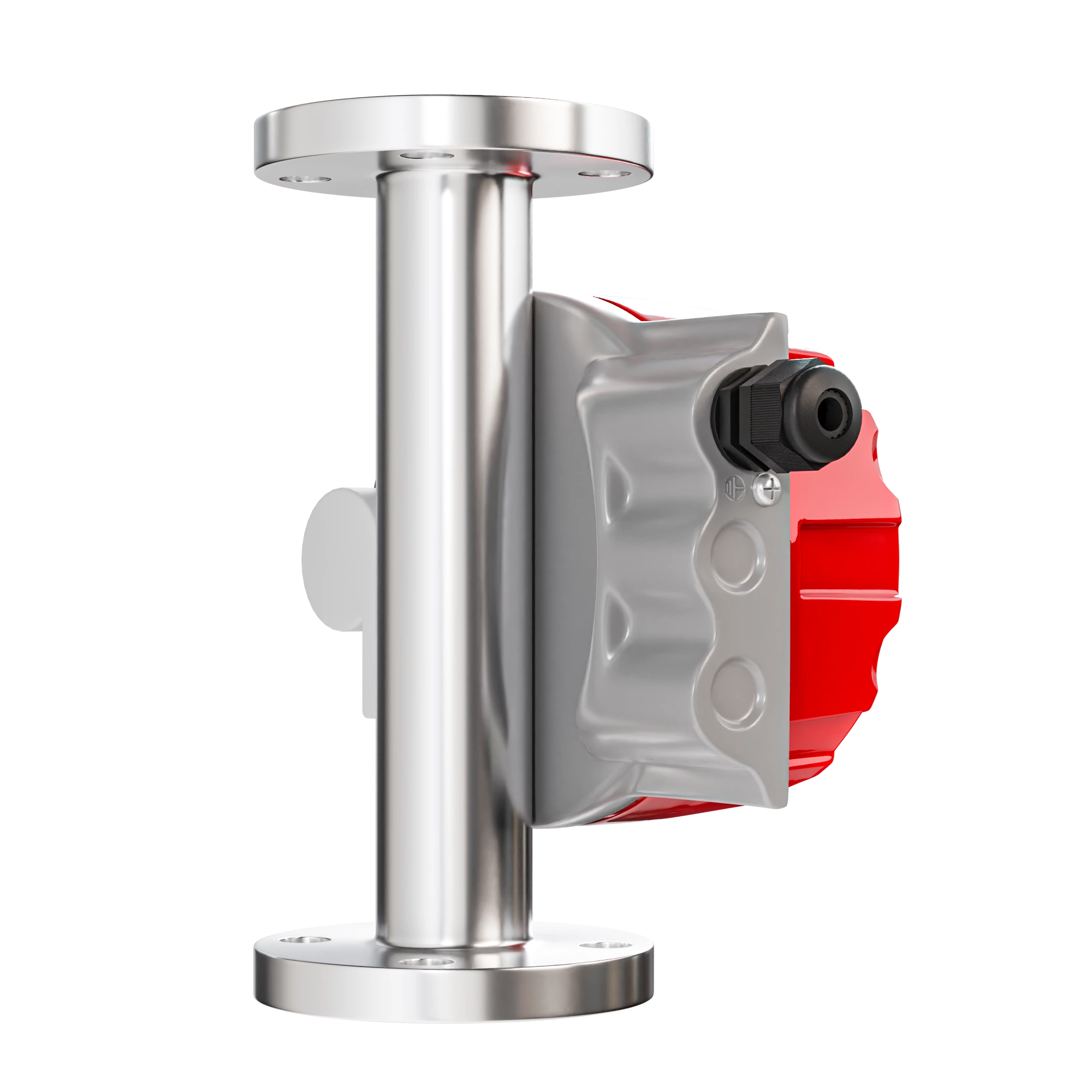
Specification

Specification Detail
Name LZ-SUP-B (Model number of metal tube float flowmeter)
Nominal Diameter DN15 (1/2") to DN200 (8"), with 16 size options available.
Process Connection British threads, HG/T20592 PN40, HG/T20592 PN16 (Limited availability based on diameter).
Meter Tube & Float Material 304SS, 316LSS, PTFE-lined (PTFE only for specific configurations).
Meter Tube Structure Bottom inlet/top outlet, Right inlet/left outlet, Left inlet/right outlet, Top inlet/bottom outlet.
Accuracy 1.5 grade (liquids), 2.5 grade (gases).
Indicator Type Aluminum alloy housing with pointer, 304SS housing with pointer, LCD display.
Output & Power Supply No alarm, 4-20mA (two-wire), 4-20mA + HART, 4-20mA + RS485.
Alarm None, Single SPDT dry contact, Dual SPDT dry contact.
Electrical Interface & Protection M20×1.5 plug (IP65/IP67), NPT1/2 plug (IP65/IP67).
Additional Structure Gas damping type, High-temperature type, Low-temperature type, High-pressure type.

LZ-SUP-B Intelligent Metal Tube Float Flow Meter

The LZ-SUP-B Intelligent Metal Tube Float Flow Meter operates on the variable area principle, utilizing a float within a tapered metal tube to measure flow rates for liquids, gases, and steam in harsh environments. It incorporates advanced technologies such as non-contact magnetic coupling and smart digital processing, ensuring precise and stable measurement.

Key Features:
  • Robust All-Metal Construction: Designed for high-temperature, high-pressure, and corrosive environments using materials like stainless steel, Hastelloy, titanium, and PTFE lining.
  • Wide Flow Range: Supports low flow velocities and small flows, covering liquids (1–200,000 L/h) and gases (0.03–4,000 m³/h) with a turndown ratio of 10:1–20:1.
  • Smart Digital Display: Dual-line LCD with real-time flow data and backlit visibility suitable for diverse lighting conditions.
  • Non-Contact Magnetic Coupling: Ensures stable signal transmission without mechanical wear, ideal for hazardous areas.
  • Explosion-Proof Compliance: Certified intrinsically safe (Ex ia II CT6) and explosion-proof (Ex d II CT6) for use in hazardous environments.

Applications include:

  • Industrial Process Control: Accurate monitoring of fluid flow in industrial settings.
  • Chemical & Petrochemical Industries: Reliable measurement under challenging conditions.
  • Water Treatment & Utilities: Efficient management of water resources.
  • Pharmaceutical & Food Processing: Precise control for critical processes.
  • Power Generation & Energy Systems: Optimal performance in energy-intensive applications.


*Available with various process connections, materials, and configurations to suit different application requirements.

Features

Benefits

  • Compact and lightweight structural design
  • Zero-point monitoring ensures stability and faster response speed
  • Ideal for storage, transfer, and process control
  • Precise measurement: No temperature or pressure compensation required

Frequently Asked Questions

1. What types of mass flowmeters does Asmik offer?

Asmik offers two measuring technologies:

  • Coriolis mass flowmeters: FCC800 and FCC-300, for liquids, gases, slurries and suspensions.
  • Thermal mass flowmeter: MIK-MF insertion type, for gas measurement.
2. How does a Coriolis mass flowmeter work?

The flow tubes are driven to vibrate at their natural frequency. As the medium flows through the vibrating tubes, the Coriolis force causes a phase shift (twist) between the inlet and outlet sides of the tubes. This phase shift is proportional to the mass flow rate. The vibration frequency changes with the fluid's density, so density is measured at the same time. The transmitter converts these signals into mass flow, density and temperature values.

3. How does a thermal mass flowmeter work?

The MIK-MF is based on the principle of thermal diffusion and uses the constant temperature difference method. The heat carried away by the flowing gas is related to its mass flow rate, so the meter measures gas mass flow directly without separate temperature and pressure compensation.

4. Coriolis or thermal: which mass flowmeter should I choose?
  • Coriolis (FCC800 / FCC-300): measures liquids, gases, slurries and suspensions; high accuracy (down to 0.1%); also measures density and temperature; pipe sizes from DN1 to DN150.
  • Thermal (MIK-MF): for steady-state gases only; insertion installation; suitable for large pipes from DN65 to DN1000; accuracy ±2.5%; commonly used for gas consumption monitoring and leakage analysis.

If you are unsure, send us your medium and operating conditions and our engineers will recommend a suitable type.

5. What parameters can a Coriolis mass flowmeter measure?

The FCC800 and FCC-300 directly measure mass flow rate, density and temperature. Volume flow is calculated from mass flow and measured density, so one device can replace separate flow, density and temperature instruments.

6. Why measure mass flow instead of volume flow?

Volume changes with temperature and pressure, while mass does not. A mass flowmeter gives a direct mass reading without temperature or pressure compensation, which is useful for batching, dosing, material balance, storage and transfer applications.

7. What media can the Coriolis flowmeters measure?

They can measure gases, liquids, slurries and suspensions. Measurement does not depend on conductivity, so non-conductive fluids and viscous oils can also be measured. Typical media include crude oil, fuel oil, chemicals, solvents, food liquids and polymer solutions.

8. What gases can the MIK-MF thermal mass flowmeter measure?

The MIK-MF is designed for steady-state gases. It is not suitable for unstable media such as acetylene and boron trichloride. Please send us the gas composition for confirmation before ordering.

9. What pipe sizes are available?

FCC800

  • U-shaped type: DN3–DN150
  • Micro-bend type: DN8–DN100
  • Straight pipe type: DN8–DN50
  • Inverted triangle type: DN1–DN2

FCC-300

  • U-type: DN20–DN150
  • Triangular type: DN3–DN15
  • Straight tube type: DN8–DN80

MIK-MF: DN65–DN1000 (insertion type)

10. How accurate are Asmik mass flowmeters?
  • FCC800: flow accuracy class 0.15, 0.2 or 0.5; density ±0.001 g/cm³ (±1 kg/m³); temperature ±1 °C or ±0.5% of reading, whichever is greater; repeatability is 1/2 of the accuracy.
  • FCC-300: flow accuracy 0.1%, 0.15% or 0.2%; density accuracy 0.002 g/cm³; density range 0.3–3.000 g/cm³; repeatability is 1/2 of the measurement error.
  • MIK-MF: ±2.5%.
11. What is the turndown ratio or flow range?
  • FCC800: 10:1 for U-shaped, micro-bend and inverted triangle types; 5:1 for the straight pipe type.
  • MIK-MF: flow velocity 0.1–100 Nm/s.

The actual flow range depends on the meter size. Please share your minimum and maximum flow for sizing.

12. What medium temperatures can the meters handle?
  • FCC800: temperature measurement range -240 °C to 350 °C.
  • FCC-300: standard type -50 °C to 200 °C or -20 °C to 200 °C; high-temperature type -50 °C to 350 °C; low-temperature type -200 °C to 200 °C.
  • MIK-MF: sensor -40 °C to 300 °C; converter -20 °C to 45 °C.
13. What pressure ratings are available?
  • FCC800: clamp connection PN16; flange connection PN16, PN40 or PN63.
  • FCC-300: process pressure 0–4.0 MPa.
  • MIK-MF: working pressure ≤2.5 MPa.
14. What outputs and communication protocols are supported?
  • FCC800: 4–20 mA (load ≤750 Ω); pulse output up to 10,000 Hz (duty cycle 10%–90%); RS485 Modbus-RTU; HART.
  • FCC-300: 4–20 mA (load 250–600 Ω); RS485; HART.
  • MIK-MF: 4–20 mA; RS485 Modbus RTU; 1–2 relays optional.

These outputs allow direct integration with PLC, DCS and SCADA systems.

15. What power supply do the meters need?
  • FCC800: 24 VDC or 220 VAC; power consumption ≤10 W.
  • FCC-300: 220 VAC or 24 VDC; power consumption <15 W.
  • MIK-MF: 220 VAC or 24 VDC; 18 W.
16. What are the ingress protection and ambient conditions?
  • FCC800: IP67; ambient temperature -40 °C to 55 °C (-25 °C to 55 °C with display); humidity ≤95%.
  • FCC-300: IP67; ambient temperature -40 °C to 60 °C; humidity 35%–95%.
  • MIK-MF: IP65; stainless steel body.
17. Does a Coriolis flowmeter need straight pipe runs?

The FCC800 requires no upstream or downstream straight pipe runs and no flow conditioning, so it can be installed in compact piping layouts. Insertion-type thermal flowmeters such as the MIK-MF generally need straight pipe sections to ensure a stable flow profile. Please refer to the installation manual or contact our engineers for site-specific requirements.

18. How much maintenance do mass flowmeters need?

Coriolis flowmeters have no moving parts and no internal obstructions, so wear and clogging are minimal. Zero-point monitoring helps maintain stability. The MIK-MF thermal flowmeter is vibration resistant and designed for easy installation and maintenance.

19. Can the Coriolis flowmeter be used for custody transfer?

The FCC800's high accuracy makes it suitable for fiscal and custody transfer applications, and the FCC-300 follows the GB/T 31130-2014 standard for mass flow measurement. Custody transfer use usually requires metrological approval under local regulations. Please contact us to confirm the certificates available for your project.

20. Which industries use Asmik mass flowmeters?

Typical applications include oil and gas, chemical processing, pharmaceuticals, food and beverage, marine fuel management, water and wastewater treatment (such as sludge and polymer dosing), paper manufacturing, and renewable energy such as hydrogen and biodiesel production.

21. Where can I find the user manual?

The FCC-300 user manual can be downloaded here: FCC-300 Coriolis Mass Flow Meter User Manual (PDF). For other models, please visit our Download page or contact us.

22. What information should I provide to get a quotation?

To help us select the correct model, please provide:

  • Medium name and state (liquid, gas, slurry)
  • Flow range (min / normal / max)
  • Medium density and viscosity (if known)
  • Medium temperature and working pressure
  • Pipe size and process connection (flange or clamp)
  • Required accuracy
  • Output and communication requirements
  • Power supply (AC or DC)
  • Special requirements (e.g., hazardous area, high or low temperature) and quantity

Send your requirements to info@asmik.com or contact us via WhatsApp at +86 13325716921.

Automated &factory

Related Products

Need more information?

Contact us for more details about our solutions and services

This site uses cookies

We use cookies to collect information about how you use this site. We use this information to make the website work as well as possible and improve our services.