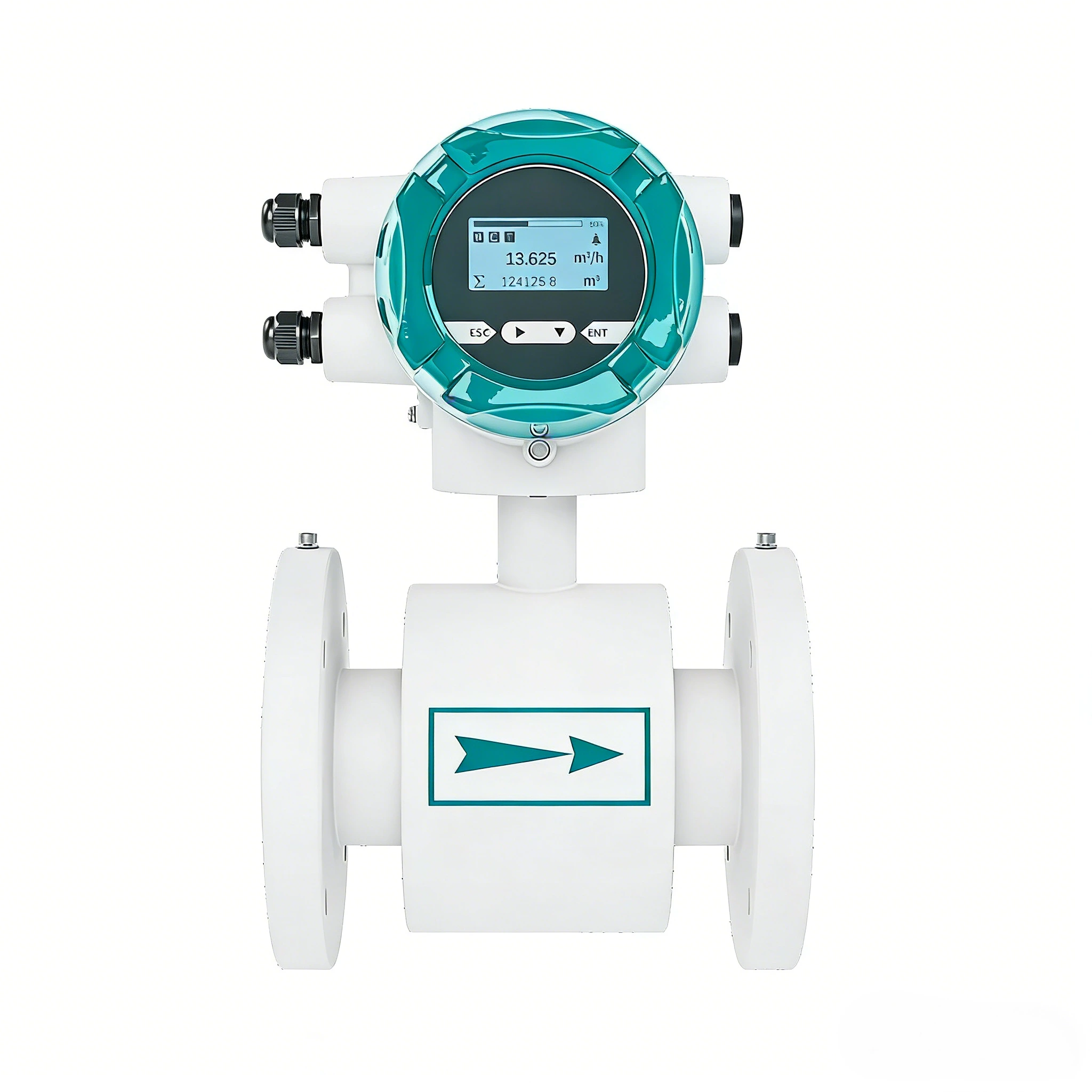
Electromagnetic Flowmeter

Electromagnetic flowmeter: suitable for almost all conductive liquids in various industries

MIK-LDG-A100 electromagnetic flowmeter

MIK-LDG-A100 electromagnetic flowmeter

The electromagnetic flowmeter is designed based on the Faraday electromagnetic induction principle and is used to directly measure the flow rate of conductive liquids in closed pipelines. ...
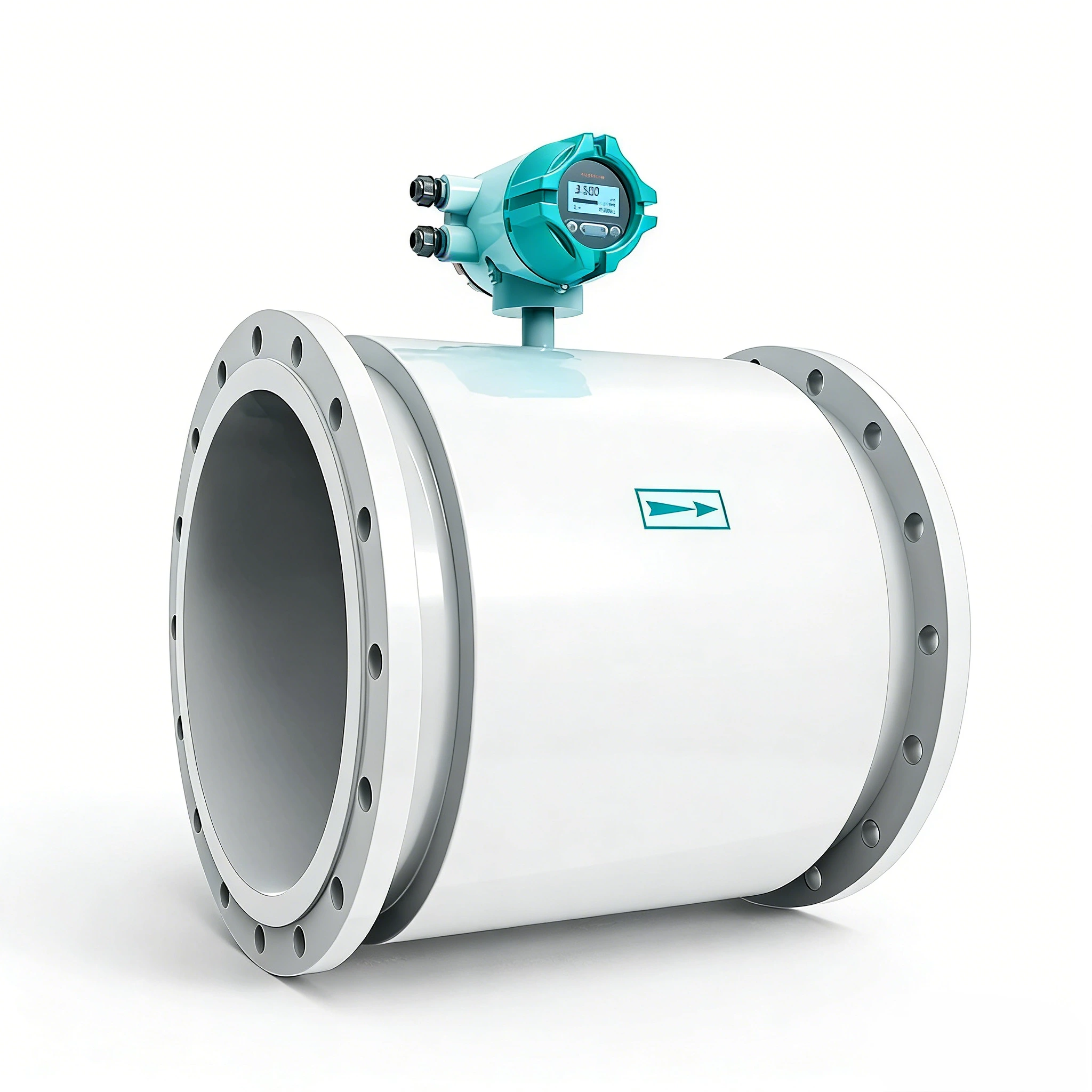
DN600 magnetic flowmeter

MIK-LDG Carbon steel body electromagnetic flow meter

MIK-LDG Electromagnetic meters are a leading choice to deliver the performance and precision your applications require. These meters are applicable for all conductive liquids, such as water, acids, alkalis, slurries and many others. Typical applications are monitoring of liquids, filling, dosing and ...
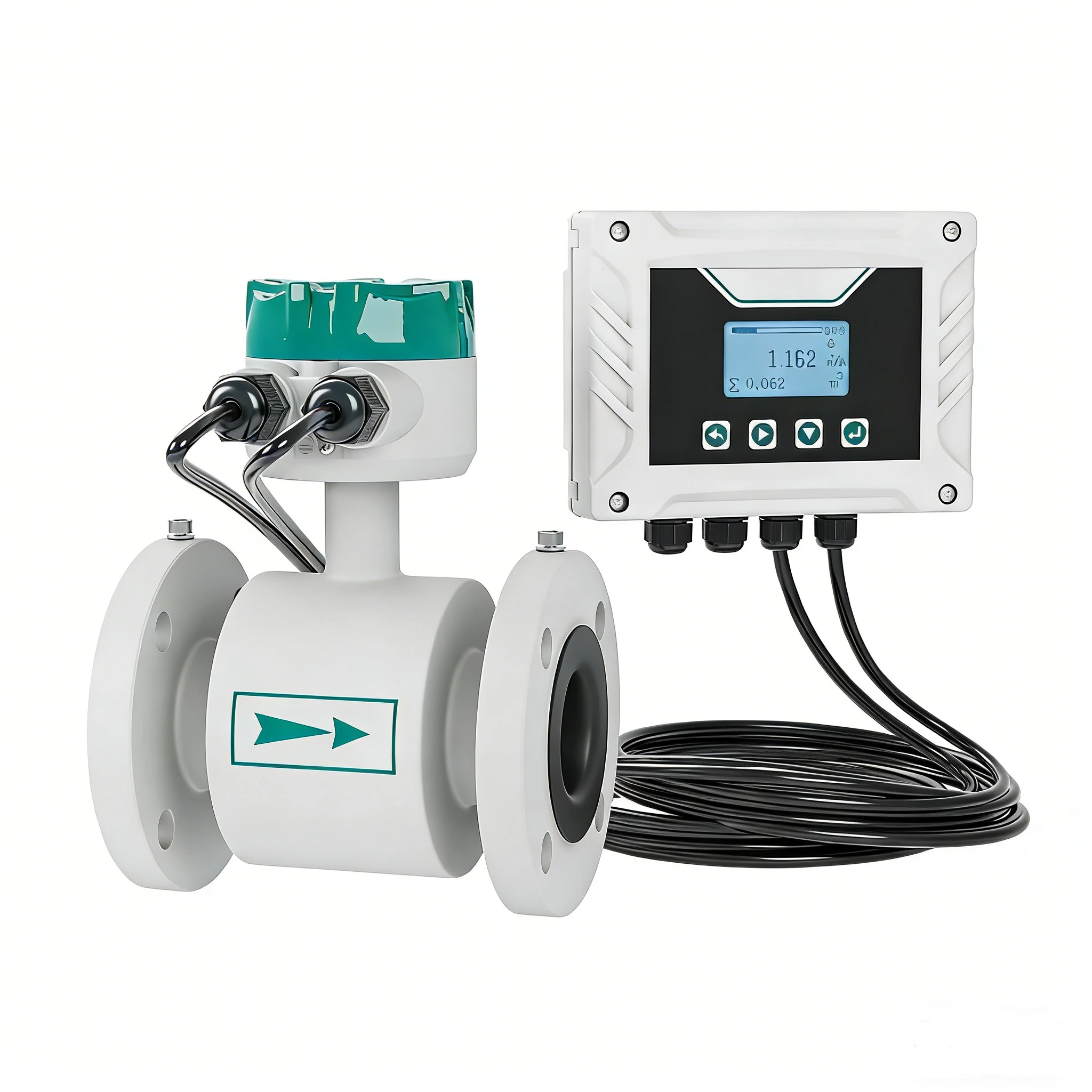
MIK-LDG Remote type electromagnetic flowmeter

MIK-LDG Remote type electromagnetic flowmeter

Electromagnetic flowmeter is only applicable to measure the flow of conductive liquid, which is wide used in water supply, sewage water measuring, industry chemical measuring etc. The remote type is with high IP protection class and can be installed in different locations for the transmitter and con ...
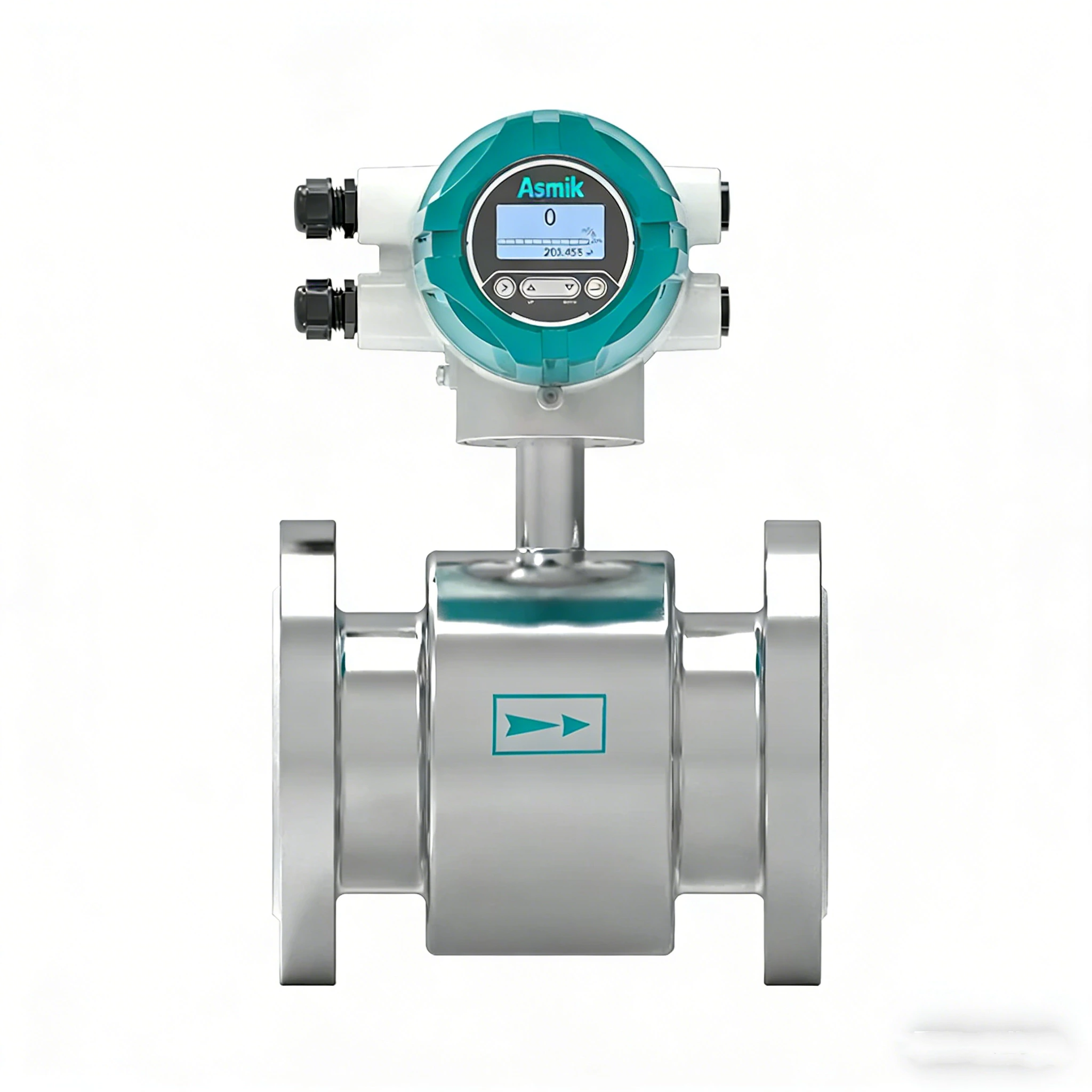
Stainless steel body electromagnetic flowmeter

MIK-LDG Stainless steel body electromagnetic flowmeter

Magnetic flow meters operate under the principle of Faraday's Law of Electromagnetic Induction to measure liquid velocity. Following Faraday's Law, magnetic flowmeters measure the velocity of conductive liquids in pipes, such as water, acids, caustic, and slurries. In order of usage, magnetic flowme ...
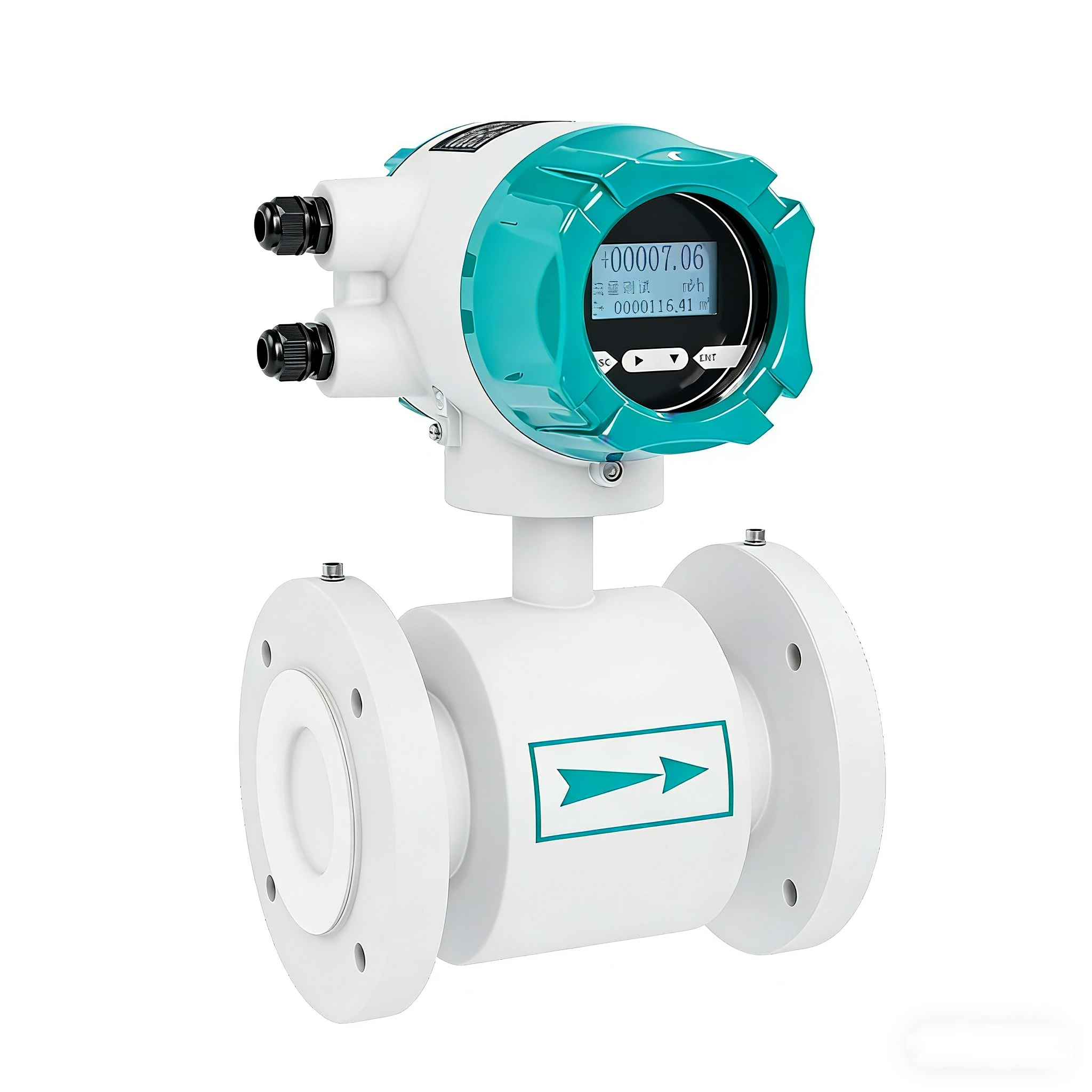
MIK-FMC400 Low Conductivity Electromagnetic flow meter

MIK-FMC400 Low Conductivity Electromagnetic flow meter

The electromagnetic flowmeter is designed based on the Faraday electromagnetic induction principle and used to measure the instantaneous flow rate of conductive liquids in enclosed pipelines in flammable and explosive environments. During on-site monitoring and display, standard current signals ...
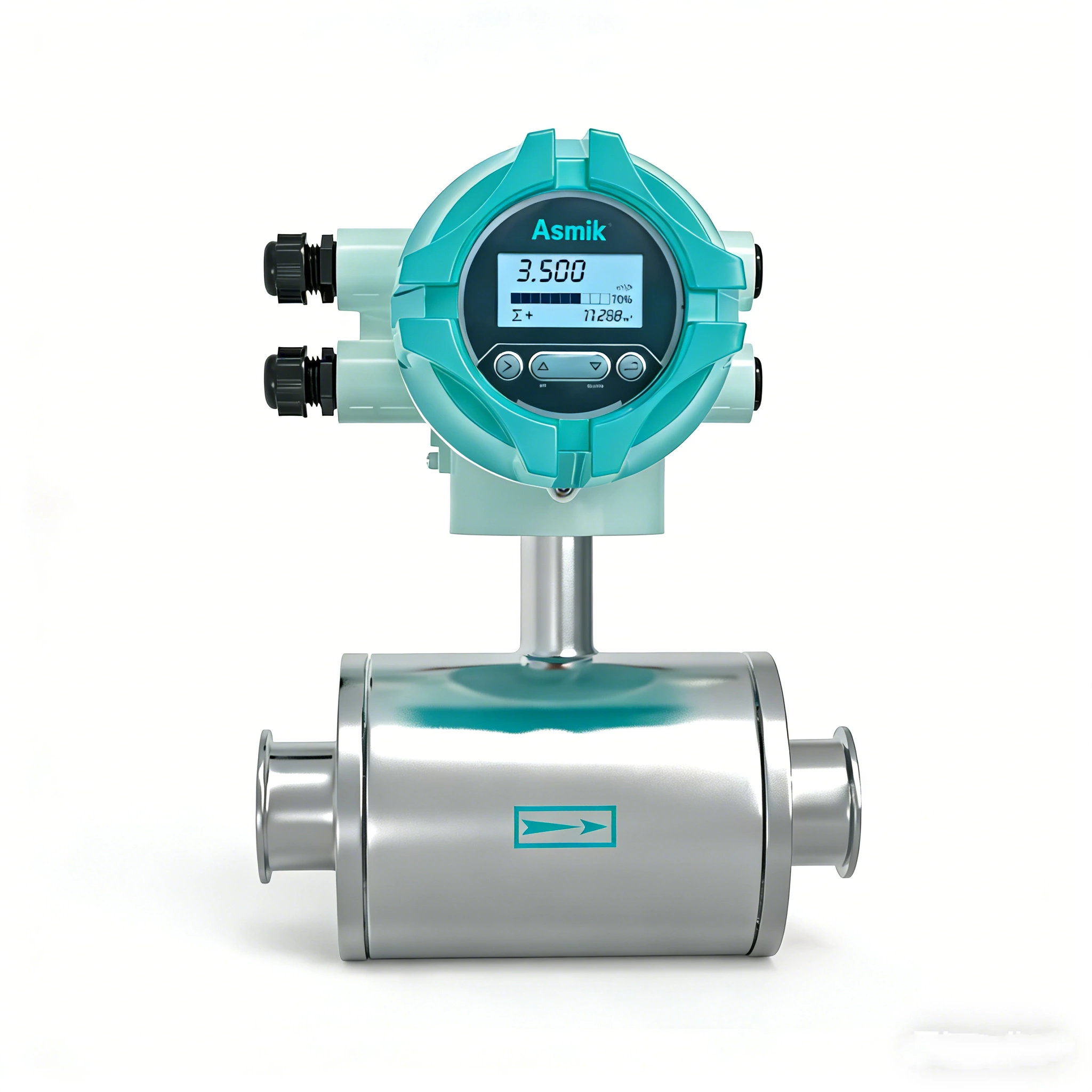
Sanitary electromagnetic flowmeter

MIK-LDG Sanitary electromagnetic flowmeter for food processing

Electromagnetic flowmeter is only applicable to measure the flow of conductive liquid, which is wide used in water supply, sewage water measuring, industry chemical measuring etc. The remote type is with high IP protection class and can be installed in different locations for the transmitter and con ...
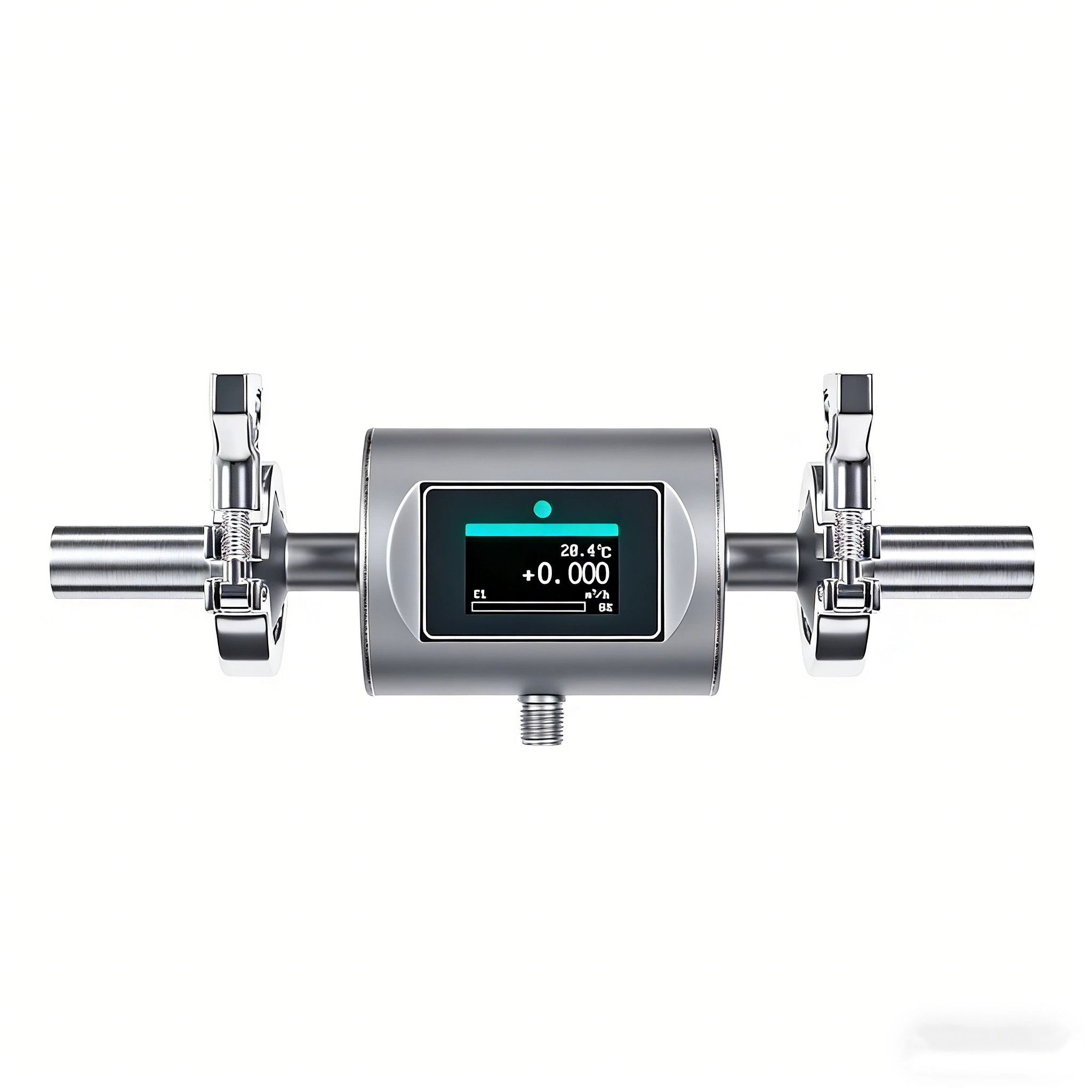
MIK-FMX240 Compact Electromagnetic Flow Meter

MIK-FMX240 Compact Electromagnetic Flow Meter

The compact electromagnetic flowmeter (also magmeter, mentioned as magmeter in the following content) integrates the traditional magmeter’s transmitter and sensor into a single unit. With its compact design and flexible installation, it features an infrared remote control for easy commissioning and ...
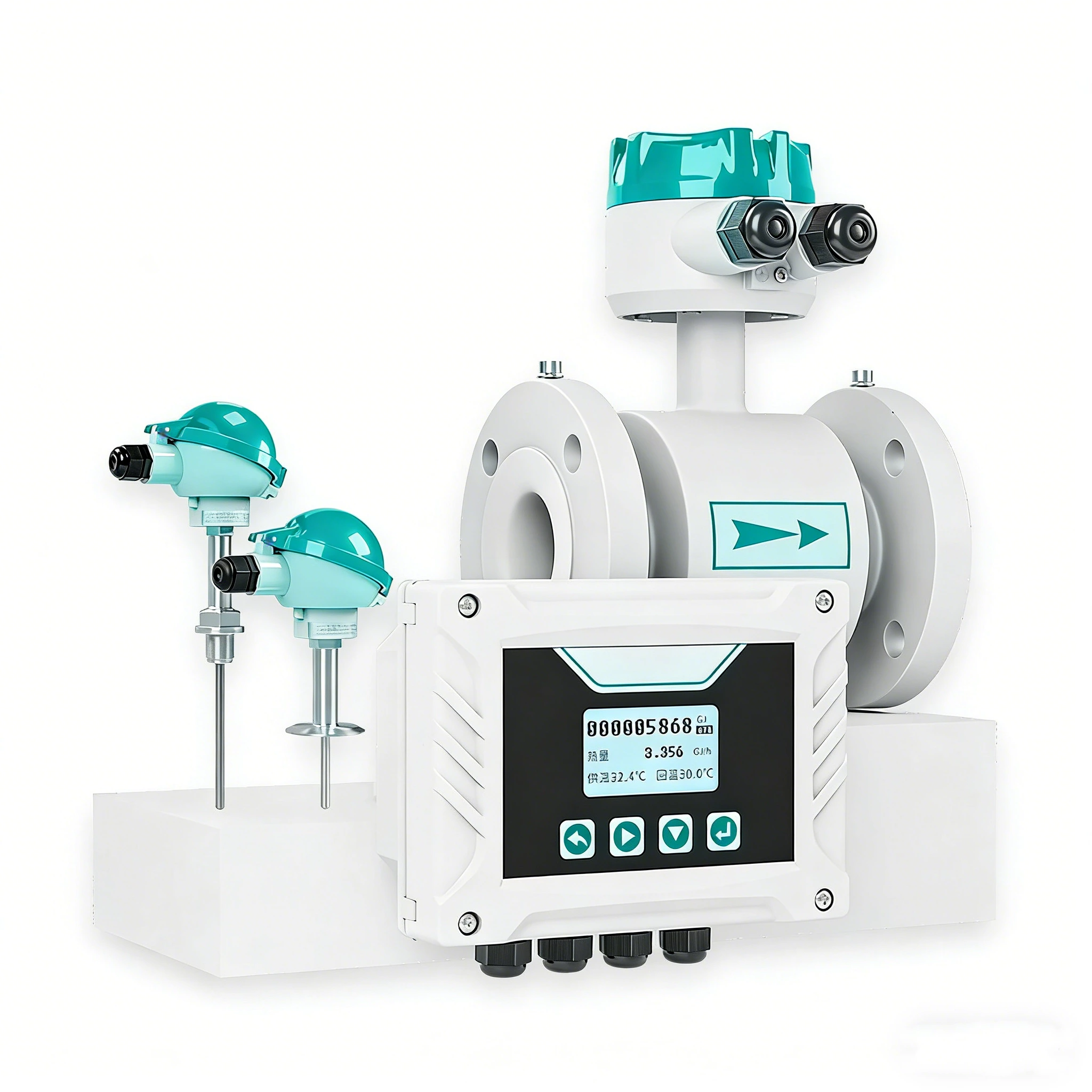
MIK-LDGR Electromagnetic BTU meter

MIK-LDGR Electromagnetic BTU meter

Asmik electromagnetic BTU meters accurately measure the thermal energy consumed by chilled water in British thermal units (BTU), which is a basic indicator for measuring thermal energy in commercial and residential buildings. BTU meters are usually used in commercial and industrial as well as office ...
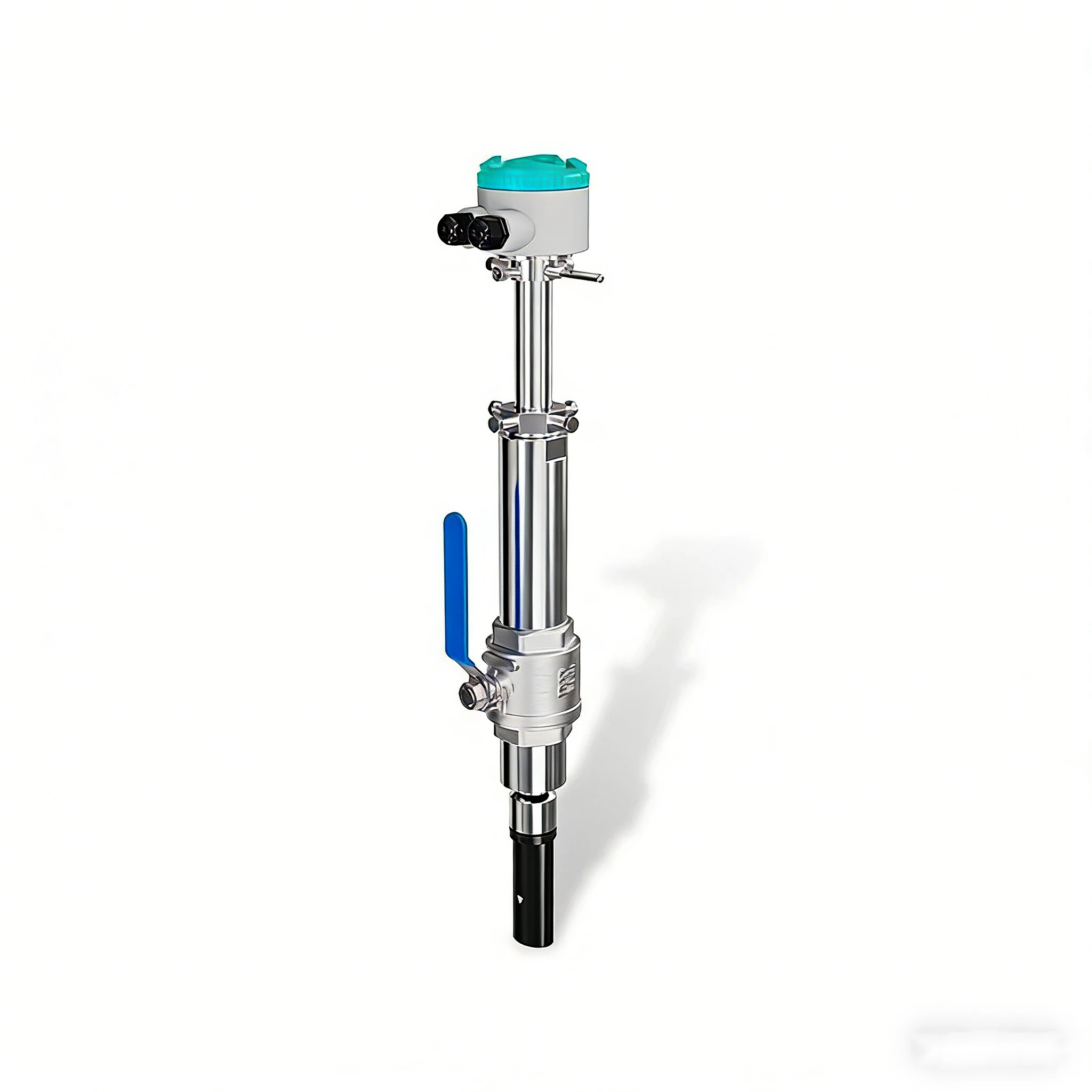
Insertion type electromagnetic flowmeter

MIK-LDG Insertion type electromagnetic flowmeter

Asmik Insertion type electromagnetic flowmeter is based on Faraday's law of electromagnetic induction. In the electromagnetic flowmeter, the conductive medium in the measuring tube is equivalent to the conductive metal rod in the Faraday test, and the two electromagnetic coils at the upper and lower ...
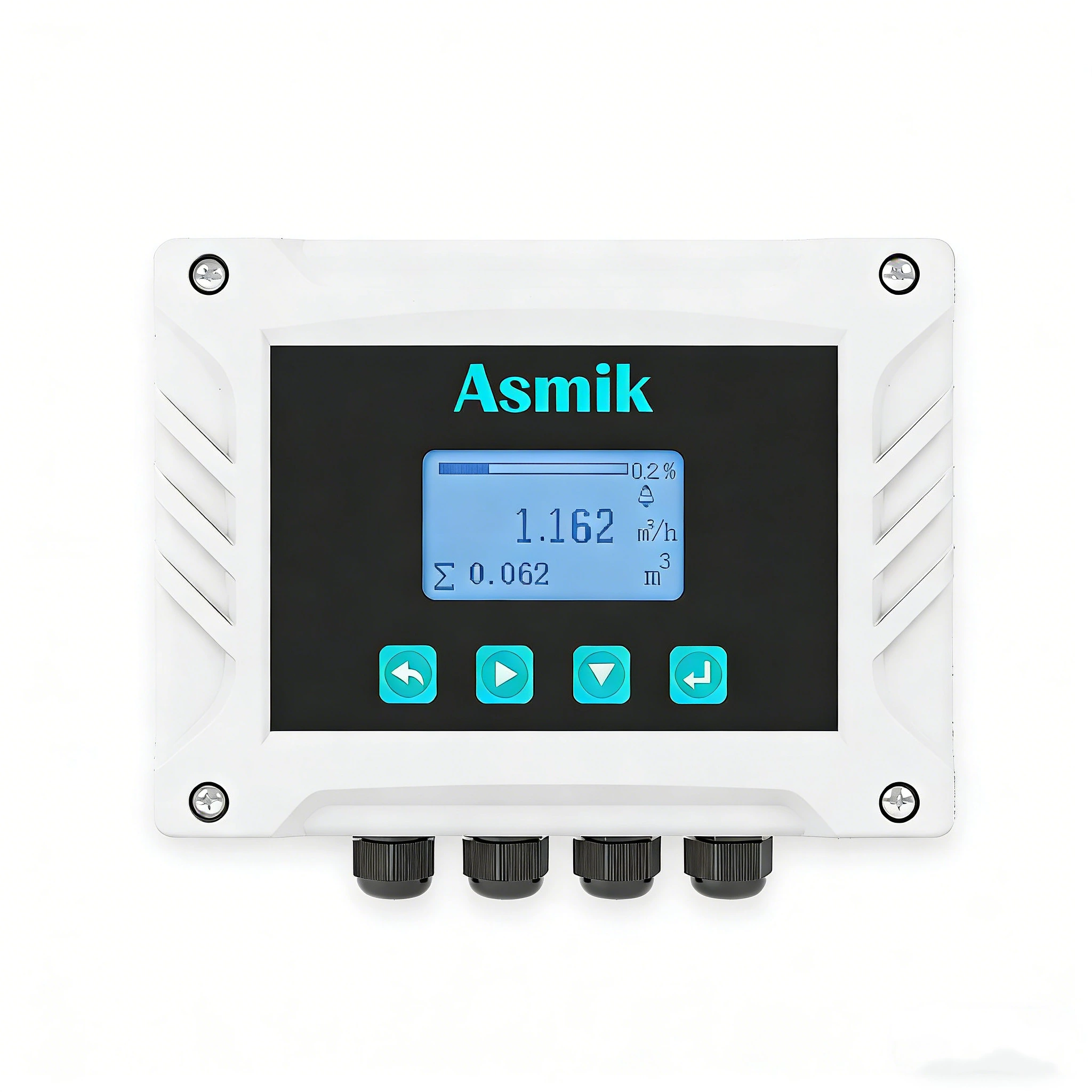
Magnetic flow transmitter

Magnetic flow transmitter

Electromagnetic flow transmitter adopts LCD indicator and "simple setting" parameters to improve the convenience of maintenance. The flow sensor diameter, lining material, electrode material, flow coefficient can be revised, and the intelligent diagnosis function significantly improves the applicabi ...
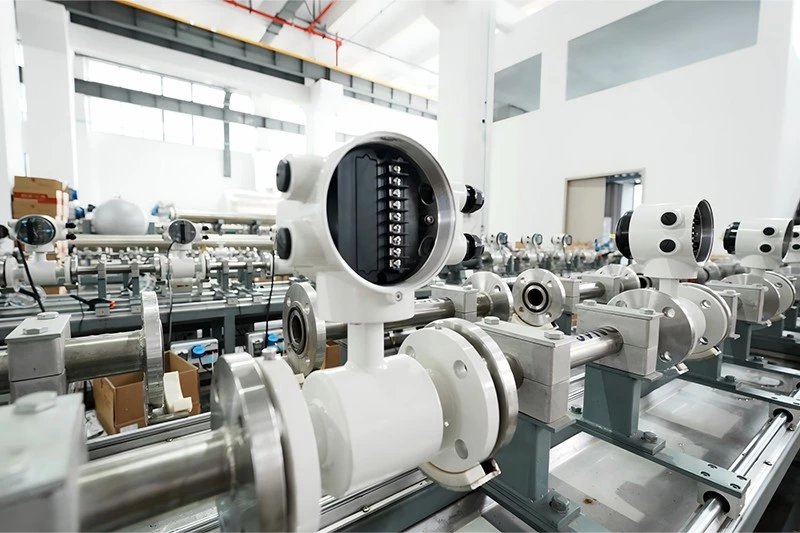

Electromagnetic flowmeter measuring principle

Electromagnetic flowmeters are designed based on Faraday's law of electromagnetic induction. They measure the instantaneous velocity and flow rate of fluids and output a voltage signal proportional to the velocity, achieving high-precision flow measurement.

They offer high accuracy and repeatability, making them suitable for precision control and metering applications.

  • FAQ

1. What is an electromagnetic flowmeter?

An electromagnetic flowmeter, also called a magnetic flow meter or mag meter, measures the flow of conductive liquids in closed pipelines. It is widely used in water supply, wastewater, chemical, food and beverage, pulp and paper, mining and many other industries.

2. How does an electromagnetic flowmeter work?

It works on Faraday's law of electromagnetic induction. Coils in the sensor generate a magnetic field across the pipe. When a conductive liquid flows through this field, it induces a voltage that is proportional to the flow velocity. Electrodes pick up this voltage, and the transmitter converts it into flow velocity and flow rate.

3. What liquids can an electromagnetic flowmeter measure?

It can measure almost all conductive liquids, such as raw water, tap water, wastewater, acids, alkalis, salt solutions, slurries and pulp. The liner and electrode materials must be compatible with the liquid.

4. What can an electromagnetic flowmeter not measure?

It cannot measure gases, steam, or non-conductive liquids such as oils and most organic solvents. Standard models also need a minimum liquid conductivity. For these applications, consider our vortex flowmeters, mass flowmeters or ultrasonic flowmeters. For liquids with low conductivity, see the MIK-FMC400 Low Conductivity Electromagnetic Flow Meter and contact us to confirm suitability.

5. Which Asmik electromagnetic flowmeter should I choose?

Choose by application:

If you are unsure, send us your application details and our engineers will recommend a model.

6. What is the difference between integrated and remote type electromagnetic flowmeters?

In an integrated type, the transmitter is mounted directly on the sensor, which saves space and wiring. In a remote type, the transmitter is installed separately and connected by cable. The remote type is useful when the measuring point is hard to reach, exposed to vibration or high temperature, or located in a pit or area that may be flooded. See the MIK-LDG Remote Type.

7. Should I choose a carbon steel or stainless steel body?

A carbon steel body is commonly used for water supply, wastewater and general industrial applications. A stainless steel body offers better corrosion resistance for corrosive environments. The body material is separate from the wetted parts (liner and electrodes), which must be selected according to the liquid.

8. Is there an electromagnetic flowmeter for food and beverage applications?

Yes. The MIK-LDG Sanitary Electromagnetic Flowmeter is designed for food processing applications. Please contact us with your process and connection requirements.

9. Is there an explosion-proof electromagnetic flowmeter for hazardous areas?

Yes. The MIK-LDG-A100D Explosion-Proof Electromagnetic Flowmeter is designed for hazardous areas. It supports 4–20 mA, pulse and RS485 (Modbus RTU) outputs. Please tell us the hazardous area classification of your site when requesting a quotation.

10. Can an electromagnetic flowmeter work without mains power?

Yes. The MIK-FMC800 Battery Powered Electromagnetic Flowmeter uses an internal battery and needs no external power supply. It is suitable for sites where the power grid cannot reach or cabling is difficult.

11. What pipe sizes are covered?

Asmik electromagnetic flowmeters cover pipe sizes from small to large diameters, across a range of approximately DN2 to DN3000 depending on the model. For large pipes, the MIK-LDG Insertion Type can be a cost-effective option. Please check each product page for its size range.

12. Can an electromagnetic flowmeter measure thermal energy?

Yes. The MIK-LDGR Electromagnetic BTU Meter measures thermal energy in British thermal units (BTU), for example chilled water consumption in commercial and industrial buildings.

13. Can I buy the transmitter separately?

Yes. The Magnetic Flow Transmitter features an LCD display and simple parameter setting. Sensor diameter, liner material, electrode material and flow coefficient can be configured, and intelligent diagnostics help with maintenance.

14. How accurate are Asmik electromagnetic flowmeters?

Electromagnetic flowmeters offer high accuracy and repeatability for precision control and metering. Accuracy depends on the model and conditions. For example, the MIK-LDG-A100 offers ±0.5% of measured value, and ±0.3% for selected pipe sizes, within 0.5–5 m/s. Please check each product page for its specification.

15. How do I choose the liner and electrode materials?

Selection depends on the liquid's corrosiveness, abrasiveness and temperature. Common liner options include rubber (such as CR), polyurethane (PU) and PTFE/F46; common electrode materials include stainless steel 316L, Hastelloy, titanium, tantalum and platinum. Available options vary by model. Send us your medium and operating conditions and we will recommend a suitable combination.

16. What are the installation requirements?
  • The pipe must be completely full of liquid at the measuring point.
  • Provide enough straight pipe upstream and downstream; for example, the MIK-LDG-A100 requires at least 10 DN upstream and 5 DN downstream.
  • Avoid the highest point of the pipeline, where air can collect; vertical pipes with upward flow are preferred.
  • Ground the sensor properly for a stable signal.
  • Keep away from strong magnetic fields and heavy vibration, or choose a remote type.

Please follow the installation manual of the selected model.

17. Can an electromagnetic flowmeter measure flow in both directions?

Yes. Electromagnetic flowmeters support bidirectional measurement of forward and reverse flow.

18. Does an electromagnetic flowmeter cause pressure loss or need much maintenance?

It uses a full-bore design with no moving parts and no throttling components, so pressure loss is negligible and long-term operation can be nearly maintenance-free. For liquids that form deposits, periodic electrode inspection is recommended.

19. What outputs and communication are available?

Common options include 4–20 mA, pulse output and RS485 (Modbus RTU), with HART available on some models. Available outputs vary by model; please check the product page or ask our team.

20. Electromagnetic, ultrasonic or vortex: which flowmeter should I use?
  • Electromagnetic: conductive liquids, including dirty water and slurries; no pressure loss.
  • Ultrasonic: liquids including non-conductive ones; clamp-on versions can be installed without cutting the pipe.
  • Vortex: gases, steam and clean liquids.
21. Which industries use electromagnetic flowmeters?

Typical industries include water and wastewater, food and beverage, pulp and paper, mining, oil and gas, chemical, textile and dyeing, energy storage and cooling, and HVAC. Typical tasks include liquid monitoring, filling, dosing and metering.

22. What information should I provide to get a quotation?

To help us select the correct model, please provide:

  • Liquid name and conductivity
  • Flow range (min / normal / max)
  • Pipe size and process connection standard
  • Liquid temperature and working pressure
  • Presence of solids, abrasives or corrosive components
  • Integrated or remote type
  • Power supply (AC, DC or battery)
  • Output and communication requirements
  • Special requirements (e.g., hazardous area, sanitary design) and quantity

Send your requirements to info@asmik.com or contact us via WhatsApp at +86 13325716921.

Benefits

  • Almost unaffected by fluid properties, it can perform stable measurements under a variety of complex operating conditions
  • Utilizing a full-bore structure, it has no moving parts and no throttling components
  • Long-term operation can achieve near-maintenance-free operation
  • Suitable for measuring pipes from small to large diameters (covering DN2–DN3000 levels)
  • Bidirectional measurement and strong adaptability
  • Widely applicable and highly compatible with various industries

Why Choose Asmik

why
  • Product Diversity: Over 200 products to meet various measurement and control needs, providing one-stop solutions.
  • Stable supply: The factory covers 45,000 ㎡ and is equipped with fully automated production lines, with an annual output of over 600,000 units.
  • Strict quality control: Products have passed multiple certifications such as ISO, CE, and UL, and internal quality control involves 24+ processes.
  • High-quality materials: possess excellent corrosion resistance, wear resistance, and long-term stability.
  • Efficient delivery: Possesses a well-established logistics system, ensuring timely shipments and efficient delivery.
  • Customer-centric: From consultation to after-sales service, we provide excellent professional services to ensure a great working experience.

Industries

Professional industry solutions: With a comprehensive instrumentation system, customized solutions, professional technology and services, we help you meet every challenge.

Need more information?

Contact us for more details about our solutions and services

This site uses cookies

We use cookies to collect information about how you use this site. We use this information to make the website work as well as possible and improve our services.








