Ultrasonic Flowmeter

Ultrasonic Flowmeter: Suitable for petroleum, chemical, power generation and food processing

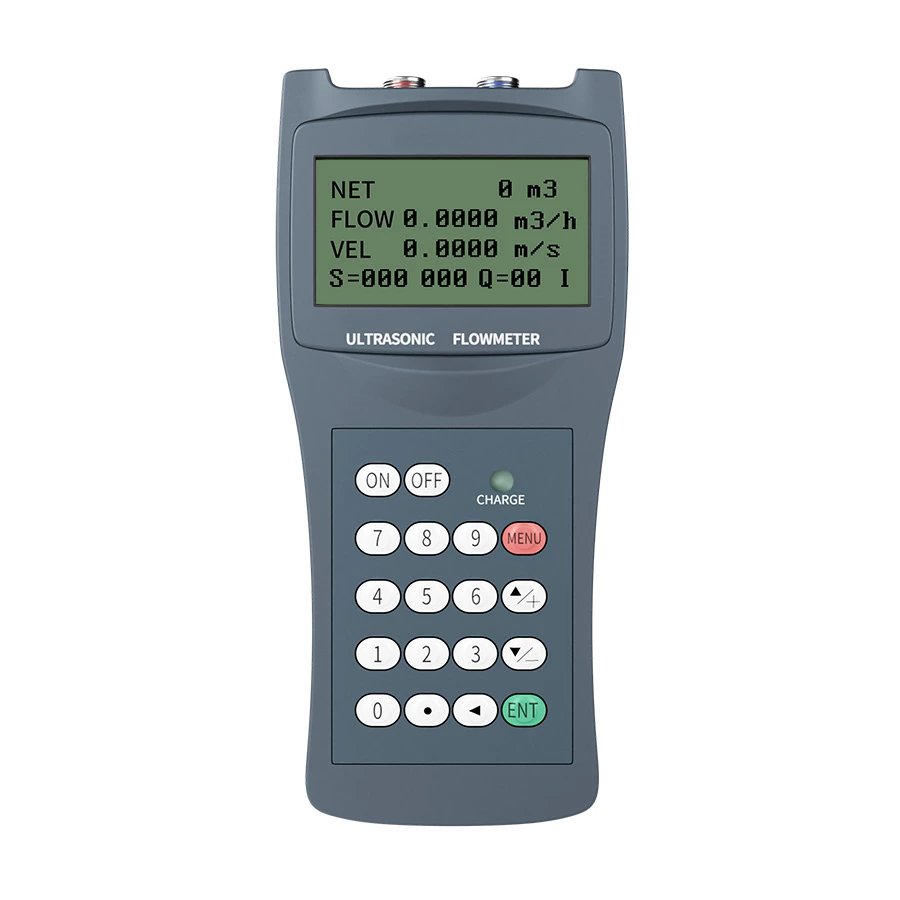
MIK-2100H Handheld ultrasonic flowmeter

MIK-2100H Handheld ultrasonic flowmeter

MIK-2100H ultrasonic flow meter uses advance circuit design,coupled with excellent hardware designed in English and can be switched surfaces.It is easy to operate and with stable performance   ...
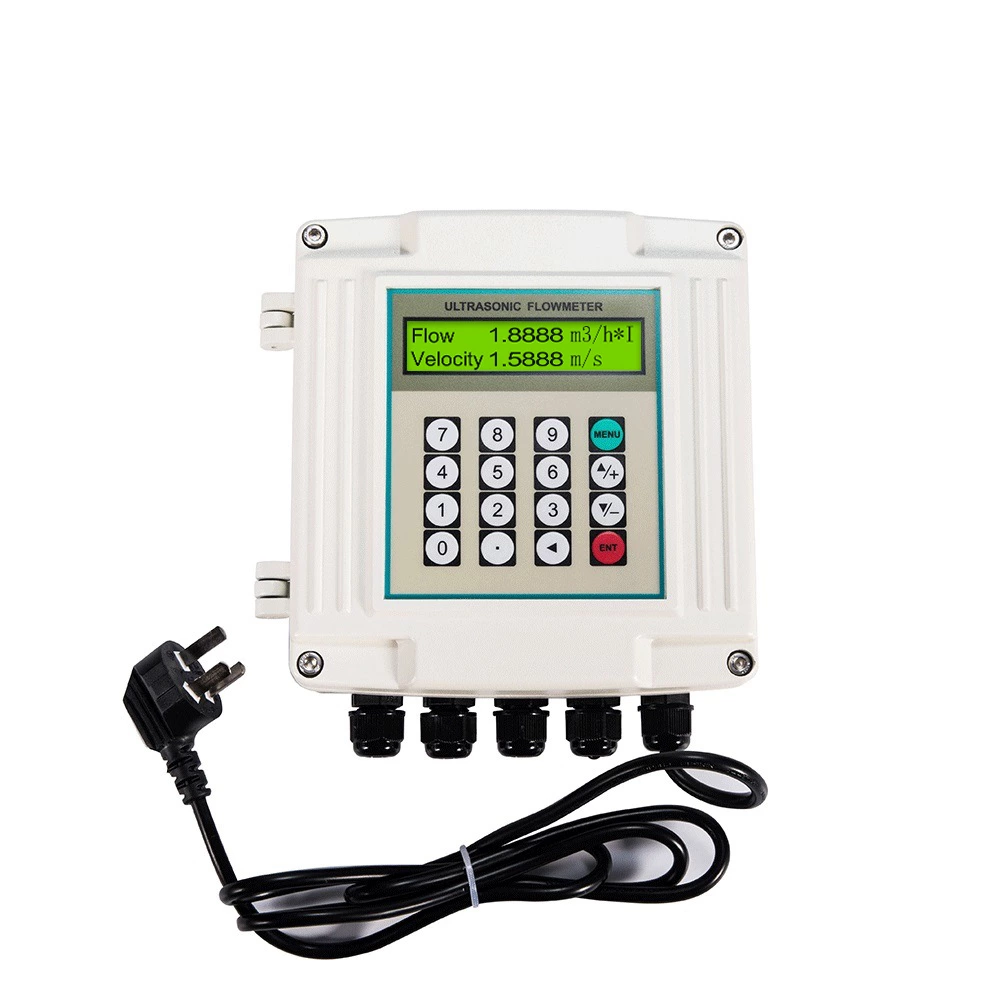
Wall mounted ultrasonic flowmeter

MIK-1158S Wall mounted ultrasonic flowmeter

MIK-1158S Wall mounted clamp on ultrasonic flow meter uses advance circuit design,coupled with excellent hardware designed in English and can be switched surfaces.It is easy to operate and with stable performance.   ...
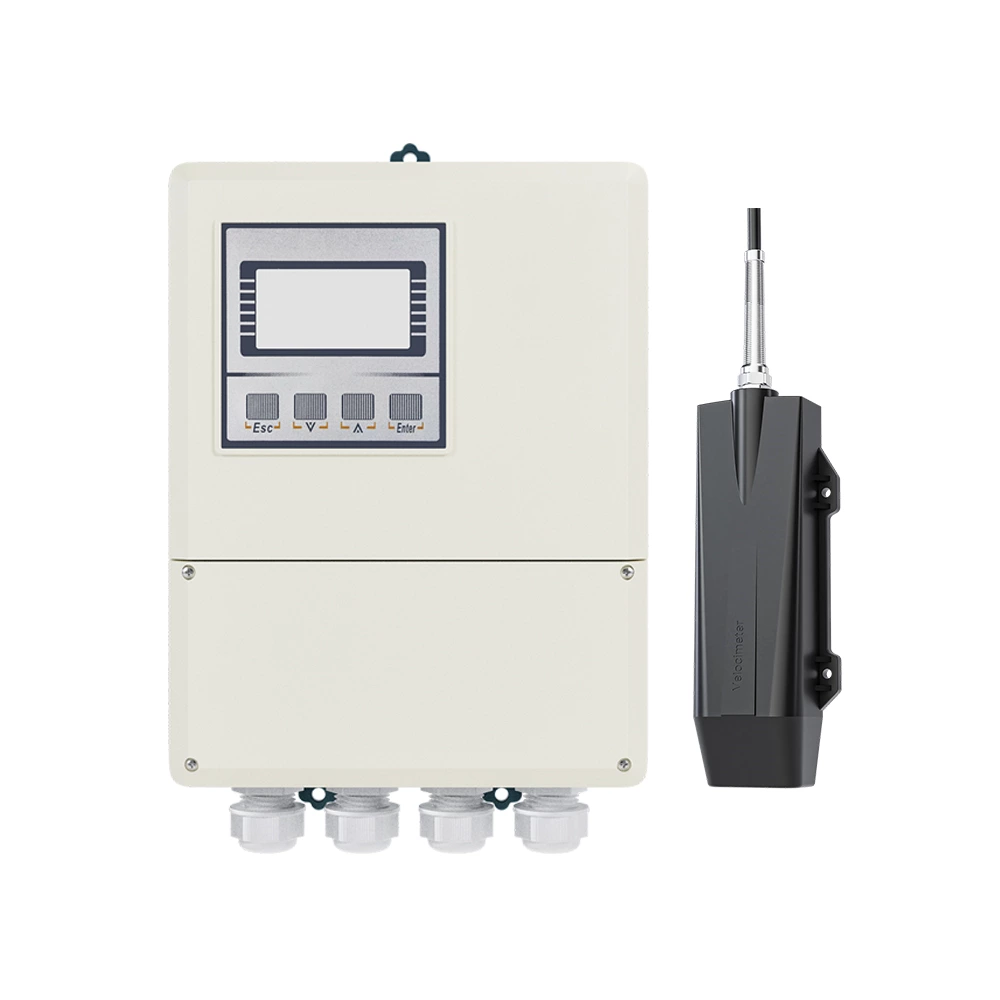
MIK-FSD300 Ultrasonic Doppler Flow Meter

MIK-FSD300 Ultrasonic Doppler Flow Meter

MIK-FSD300 Ultrasonic Doppler flowmeter is an instrument to measure the flow rate and flow of water in natural waters or channels and pipelines.It is easy to operate and with stable performance. ...
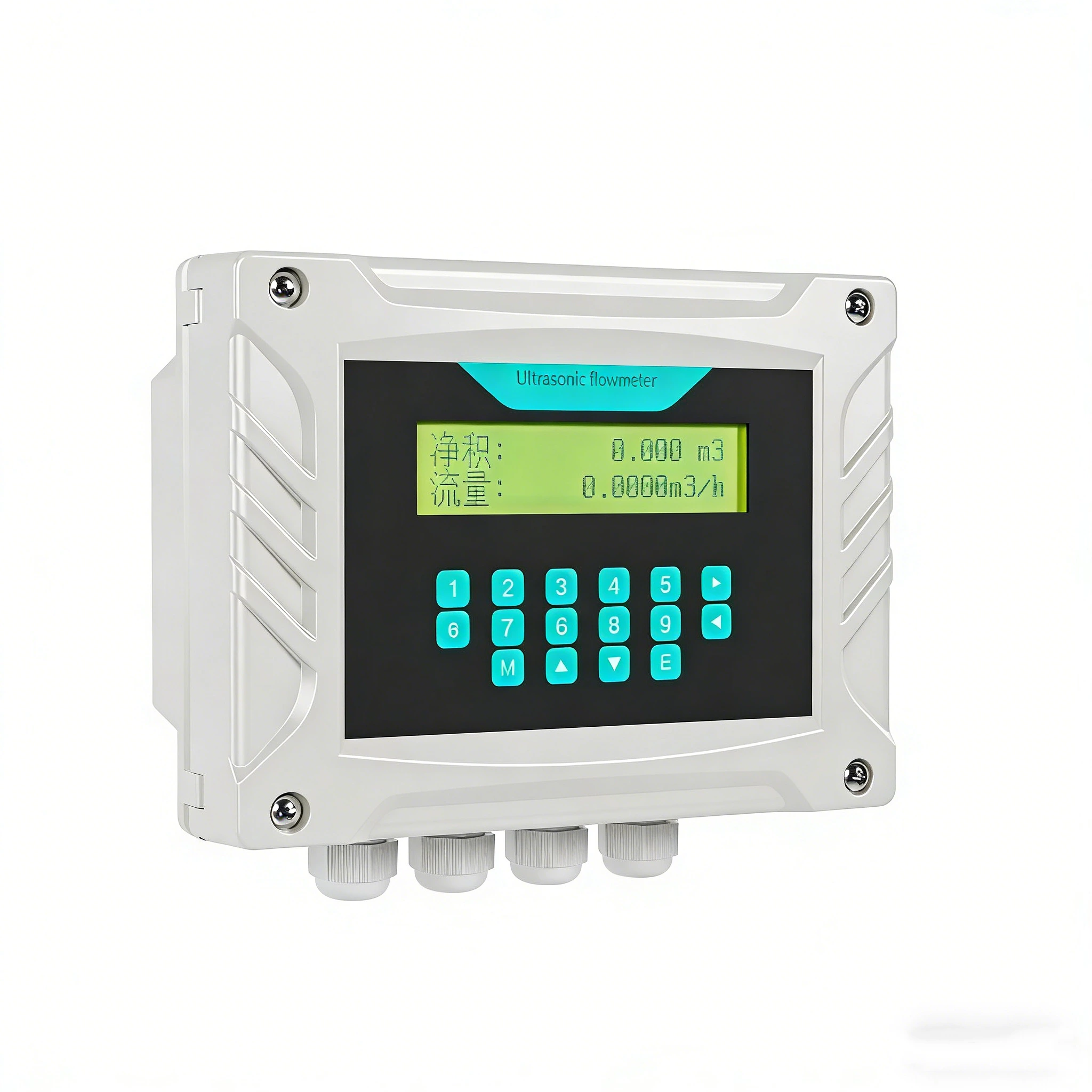
MIK-FSC400 Wall-Mounted Ultrasonic Flow Meter

MIK-FSC400 Wall-Mounted Ultrasonic Flow Meter

The MIK-FSC400 ultrasonic flow meter offers versatile, non-intrusive installation for clean liquids in industrial settings. With clamp-on and insertion options, it ensures accurate, reliable measurements unaffected by pipe materials, while supporting heat measurement and integration. ...

Ultrasonic Flowmeter measuring principle

Designed for continuous measurement of most homogeneous liquids in industrial environments, it supports heat measurement through an integrated temperature sensor and offers both clamp-on and insert mounting options for flexible installation.

  • FAQ

1. What is an ultrasonic flowmeter?

An ultrasonic flowmeter measures liquid flow using ultrasonic signals. Many models can be installed on the outside of the pipe (clamp-on), so the pipe does not need to be cut and there is no pressure loss. Asmik ultrasonic flowmeters are used in petroleum, chemical, power generation and food processing industries.

2. How does an ultrasonic flowmeter work?
  • Transit-time method: ultrasonic signals are sent alternately upstream and downstream between two transducers. The difference in travel time is proportional to the flow velocity. This method is suited to clean, homogeneous liquids.
  • Doppler method: an ultrasonic signal is reflected by particles or bubbles in the liquid, and the frequency shift of the reflected signal is proportional to the flow velocity. This method is suited to water in natural waters, channels and pipelines.
3. What liquids can an ultrasonic flowmeter measure?

Transit-time ultrasonic flowmeters are designed for continuous measurement of most homogeneous liquids in industrial environments, such as water, and many other clean process liquids. Unlike electromagnetic flowmeters, they do not require the liquid to be conductive. Please send us your liquid details for confirmation.

4. What is a clamp-on ultrasonic flowmeter?

A clamp-on flowmeter has transducers mounted on the outside of the pipe. No pipe cutting or process shutdown is needed for installation, and nothing is inserted into the flow, so there is no pressure loss. This makes clamp-on meters convenient for retrofits and large pipes.

5. Is insertion installation available?

Yes. The MIK-FSC400 offers both clamp-on and insertion installation options, allowing flexible installation for different pipe conditions.

6. Which Asmik ultrasonic flowmeter should I choose?

If you are unsure, send us your application details and our engineers will recommend a model.

7. When should I use a handheld ultrasonic flowmeter?

A handheld meter such as the MIK-2100H is typically used for temporary or periodic measurements, such as checking existing flowmeters, surveying flow at different points, or troubleshooting, without installing a permanent meter.

8. Can an ultrasonic flowmeter measure heat (energy)?

Yes. The MIK-FSC400 supports heat measurement through an integrated temperature sensor, which is useful for heating and cooling energy monitoring.

9. Can it measure flow in open channels or rivers?

Yes. The MIK-FSD300 Ultrasonic Doppler flow meter is designed to measure the flow rate and flow of water in natural waters, channels and pipelines.

10. Does the pipe material affect the measurement?

Clamp-on meters measure through the pipe wall, so the pipe material, wall thickness and lining must be entered for correct measurement. The MIK-FSC400 provides accurate, reliable measurement unaffected by pipe materials. Please tell us your pipe details when ordering.

11. Can an ultrasonic flowmeter measure gas?

The ultrasonic flowmeters in this category are designed for liquid measurement. For gas, consider our vortex flowmeters or MIK-MF thermal mass flowmeter.

12. Can it measure dirty water or liquids with bubbles?

Transit-time meters work best with clean, homogeneous liquids; large amounts of particles or bubbles can weaken the signal. Doppler meters, on the other hand, rely on particles or bubbles to reflect the signal. Please describe your liquid so we can recommend the right measuring method.

13. How accurate are Asmik ultrasonic flowmeters?

Accuracy class is up to 1.0, depending on the model, installation and application. Please check the product page of each model for its specification.

14. What operating temperature range is supported?

A wide operating temperature range of -30 °C to 90 °C is supported. The exact range depends on the model and transducer type; please check the product page or tell us your conditions.

15. What output and power options are available?

Asmik ultrasonic flowmeters offer multiple output and power options for high compatibility with control and monitoring systems. Available options vary by model; please check the product page or tell us your requirements.

16. What should I consider when installing a clamp-on flowmeter?
  • Choose a location with sufficient straight pipe upstream and downstream.
  • Make sure the pipe is always full of liquid at the measuring point.
  • Clean the pipe surface and use coupling compound between the transducers and the pipe.
  • Avoid mounting transducers at the top of horizontal pipes, where air can collect, or at the bottom, where sediment may settle.
  • Enter the correct pipe outer diameter, wall thickness, material and lining in the meter.

Please follow the installation manual of the selected model.

17. Ultrasonic or electromagnetic flowmeter: which should I choose?
  • Ultrasonic (clamp-on): no pipe cutting and no pressure loss; measures conductive and non-conductive liquids; best with clean liquids for transit-time models.
  • Electromagnetic: installed in-line; measures conductive liquids, including dirty water and slurries; generally offers higher accuracy.
18. Which industries use ultrasonic flowmeters?

They are used in petroleum, chemical, power generation, food processing, water supply and HVAC applications, especially where non-intrusive installation is preferred.

19. What information should I provide to get a quotation?

To help us select the correct model, please provide:

  • Liquid name and whether it contains particles or bubbles
  • Pipe outer diameter, wall thickness, material and lining
  • Flow range (min / normal / max)
  • Liquid temperature
  • Installation type (handheld, fixed clamp-on, insertion or open channel)
  • Whether heat measurement is required
  • Output signal and power supply requirements
  • Quantity

Send your requirements to info@asmik.com or contact us via WhatsApp at +86 13325716921.

Benefits

  • Wide operating temperature range (-30°C to 90°C)
  • With an accuracy class of up to 1.0, it boasts reliable performance
  • Unaffected by external factors, high measurement accuracy
  • Multiple output and power options, high compatibility
  • Clip-on and insert installation methods

Why Choose Asmik

why
  • Product Diversity: Over 200 products to meet various measurement and control needs, providing one-stop solutions.
  • Stable supply: The factory covers 45,000 ㎡ and is equipped with fully automated production lines, with an annual output of over 600,000 units.
  • Strict quality control: Products have passed multiple certifications such as ISO, CE, and UL, and internal quality control involves 24+ processes.
  • High-quality materials: possess excellent corrosion resistance, wear resistance, and long-term stability.
  • Efficient delivery: Possesses a well-established logistics system, ensuring timely shipments and efficient delivery.
  • Customer-centric: From consultation to after-sales service, we provide excellent professional services to ensure a great working experience.

Industries

Professional industry solutions: With a comprehensive instrumentation system, customized solutions, professional technology and services, we help you meet every challenge.

Need more information?

Contact us for more details about our solutions and services

This site uses cookies

We use cookies to collect information about how you use this site. We use this information to make the website work as well as possible and improve our services.








