Conductivity Sensor And Transmitter

Conductivity Sensor And Transmitter: suitable Thermal power, metallurgy, pharmaceuticals, food and water treatment

Conductivity meter

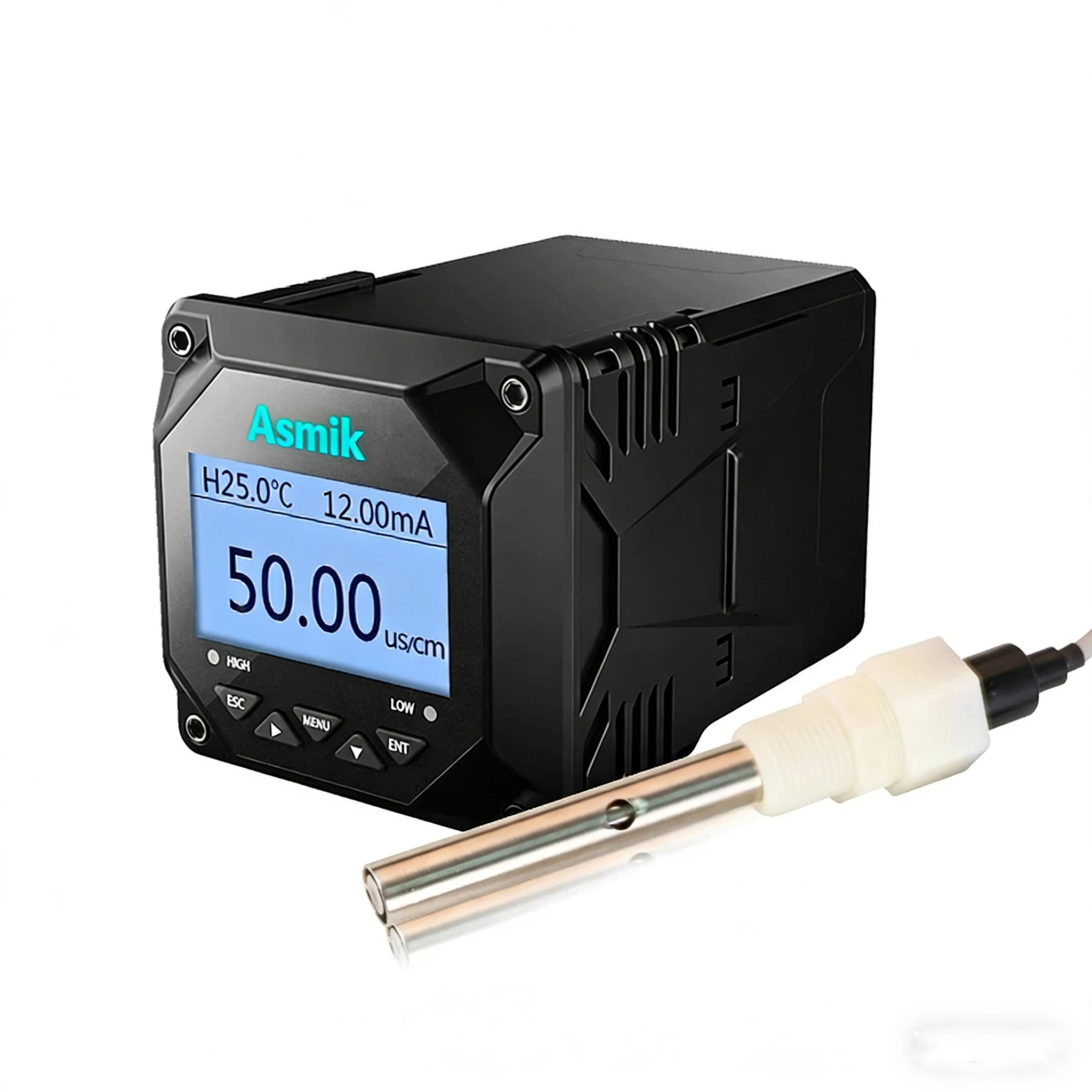
MIK-TDS210-B Conductivity meter

MIK-TDS210-B Conductivity/Hardness/Resistivity Online analyzer, an intelligent Online chemical analyzer, is widely applied for continuous monitoring and measurement of EC value or TDS value or ER value and temperature in the solution in the industry of thermal power, chemical fertilizer, environment ...
Conductivity meter

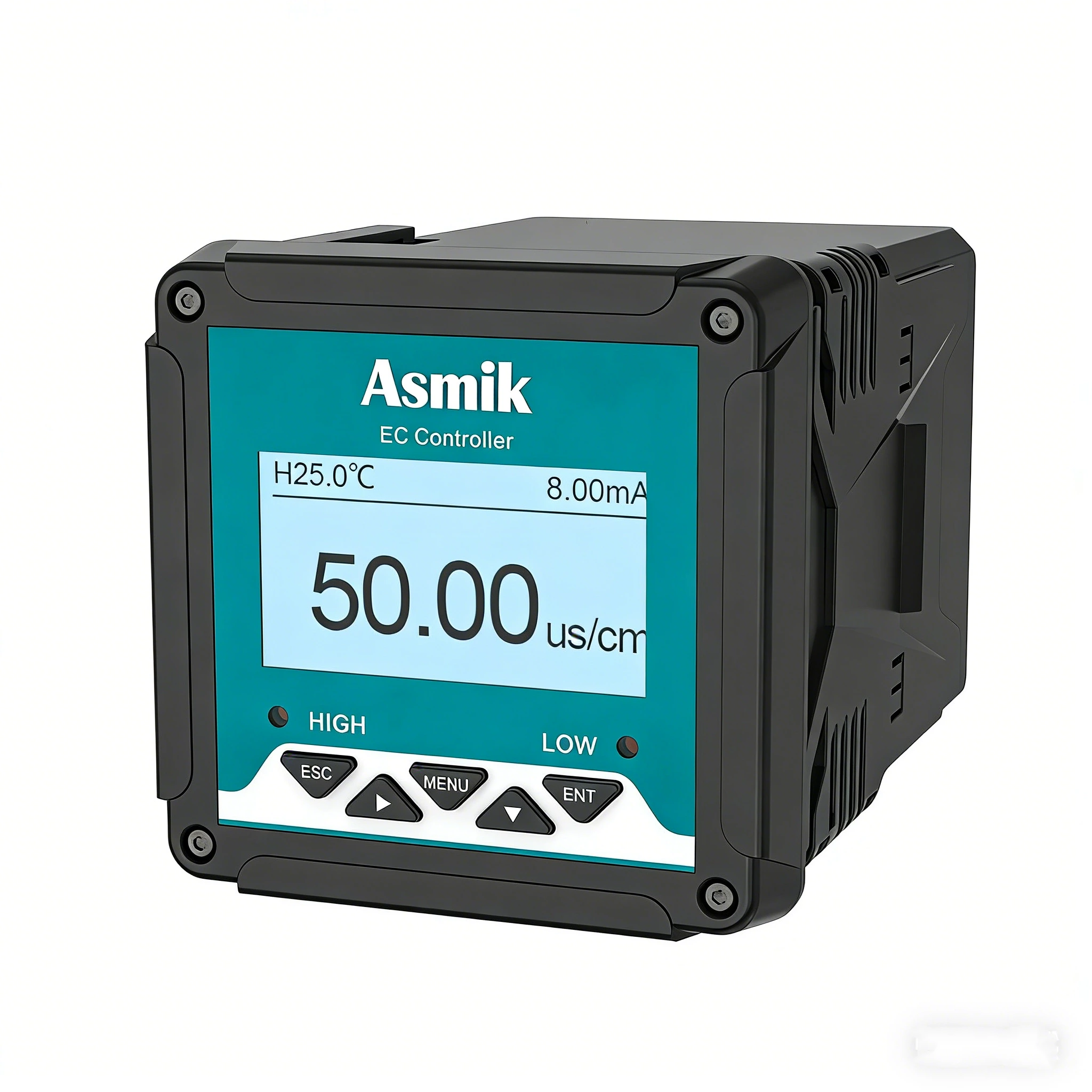
MIK-TDS210-C Conductivity meter

MIK-TDS210-C Conductivity meter EC controller, an intelligent Online chemical analyzer, is widely applied for continuous monitoring and measurement of EC value or TDS value or ER value and temperature in the solution in the industry of thermal power, chemical fertilizer. ...
conductivity meter

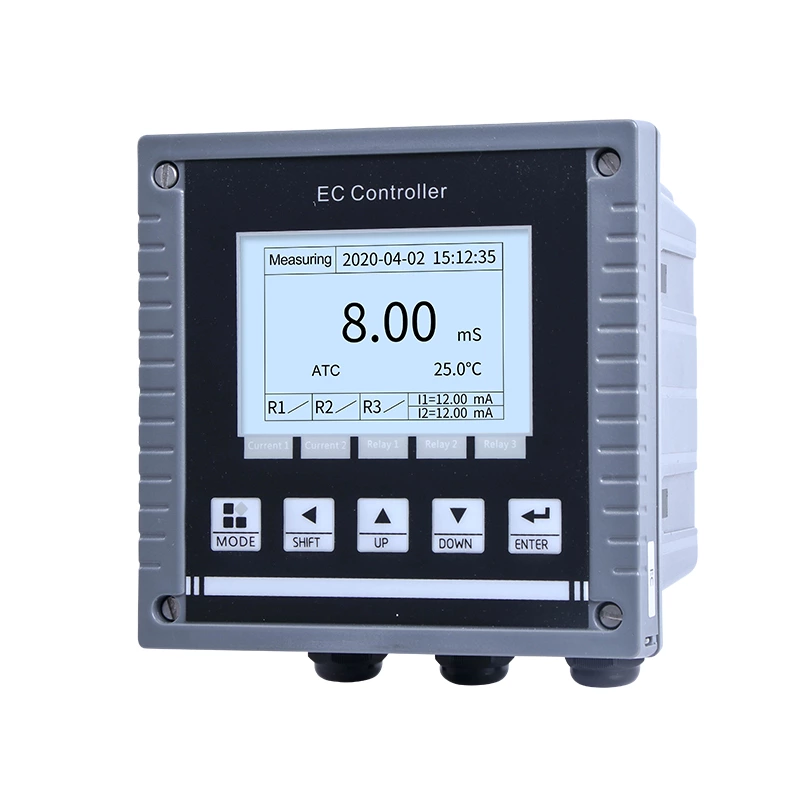
MIK-EC8.0 conductivity meter

MIK-EC8.0 conductivity meter is an intelligent online chemical analyzer, is widely applied for continuous monitoring and measurement of EC value or TDS value or ER value and temperature in the solution in the industry of thermal power, chemical fertilizer, environmental protection, metallurgy, pharm ...
Digital analyzer monitor

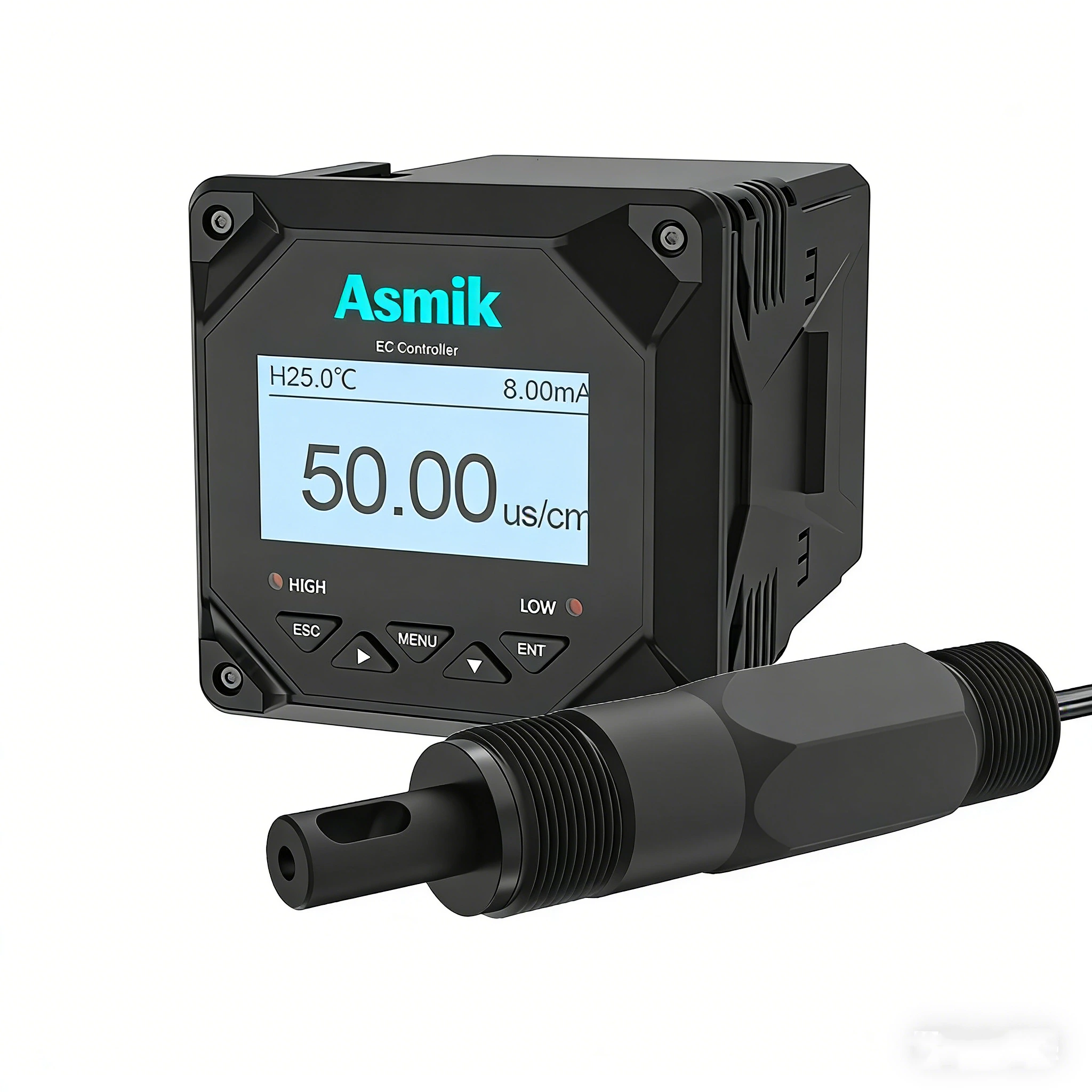
MIK-DC2000 Digital analyzer monitor

MIK-DC2000 Digital analyzer monitor is a general-purpose water quality controller. It is suitable for use with Asmik's multiple water quality series digital sensors. It is used to monitor water quality parameters including pH, ORP, conductivity, dissolved oxygen, turbidity, sludge concentration, etc ...
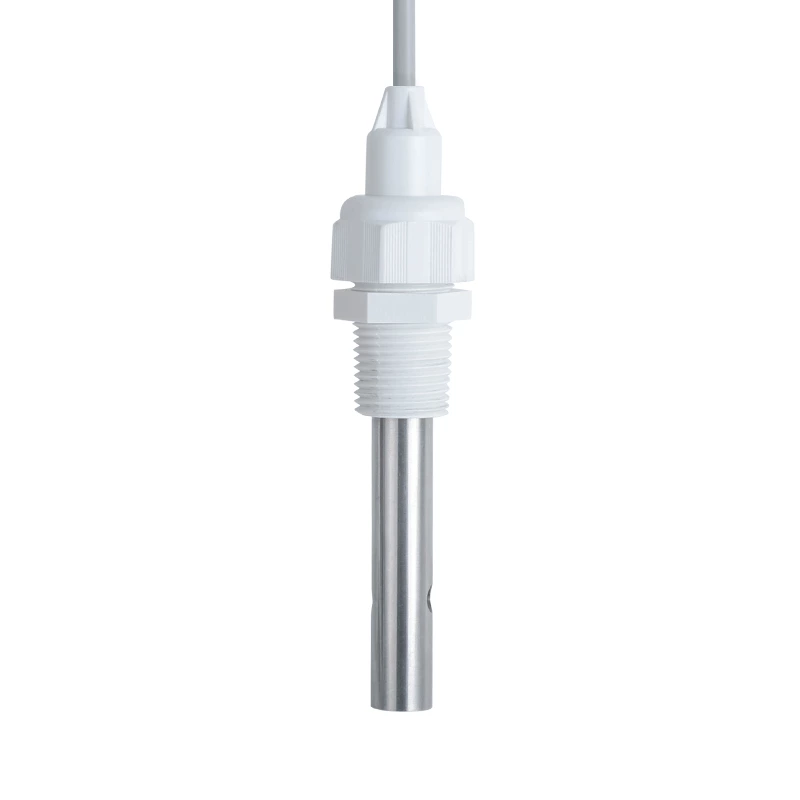
Conductivity sensor

MIK-TDS6012 Conductivity sensor

MIK-TDS-6012 A variety of functions in one: conductivity EC / TDS measurement capabilities to achieve two in one, cost-effective integrated design to support the boiler water, RO water treatment, sewage treatment, pharmaceutical industry and other liquid measurement and monitoring. ...
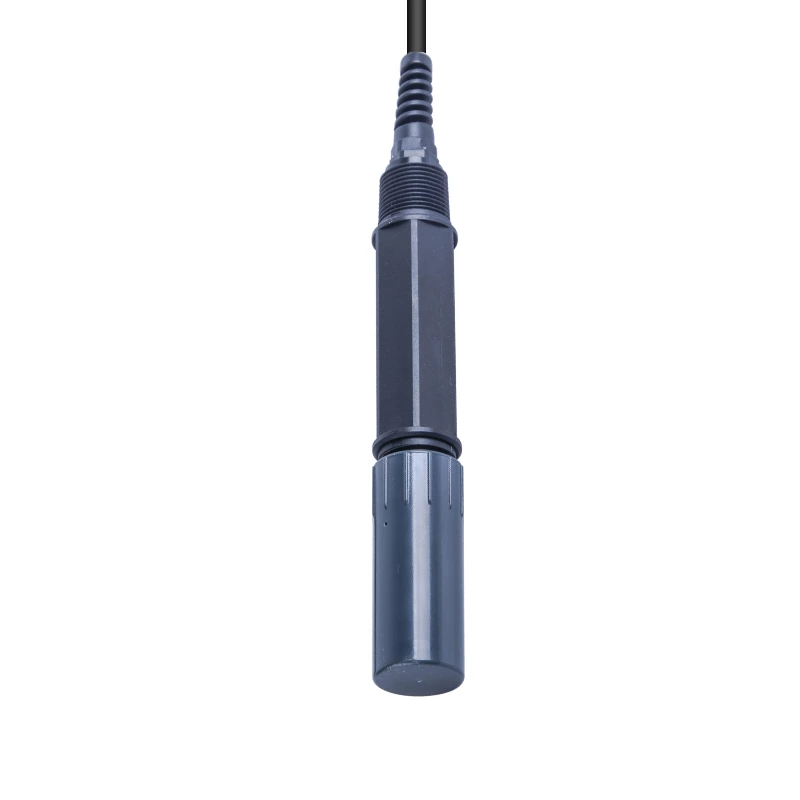
conductivity sensor

MIK-TDS7002 4 Electrodes conductivity sensor

MIK-TDS-7002 a variety of functions in one: conductivity EC / TDS measurement capabilities to achieve two in one, cost-effective integrated design to support the boiler water, RO water treatment, sewage treatment, pharmaceutical industry and other liquid measurement and monitoring. ...
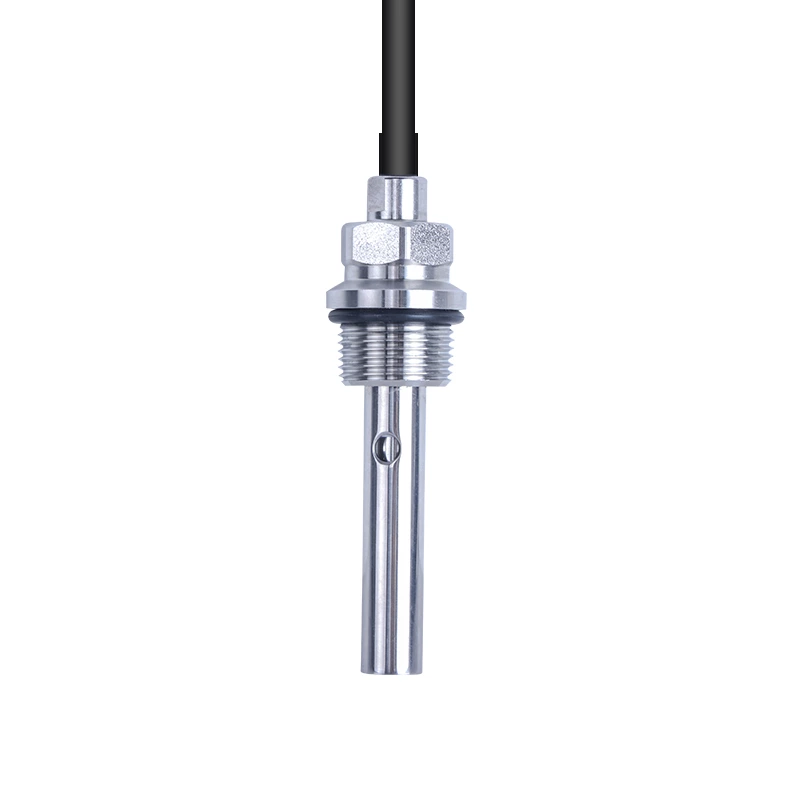
Conductivity sensor

MIK-TDS7001 Conductivity sensor

MIK-TDS-7001 a variety of functions in one: conductivity EC / TDS measurement capabilities to achieve two in one, cost-effective integrated design to support the boiler water, RO water treatment, sewage treatment, pharmaceutical industry and other liquid measurement and monitoring. ...
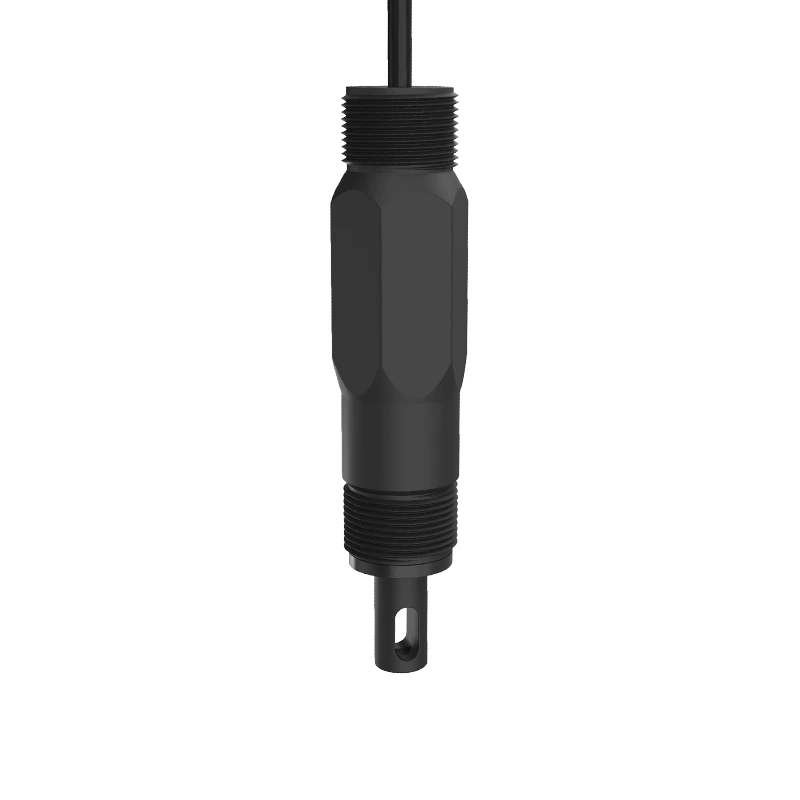
digital conductivity probe

MIK-TDS8001 Digital conductivity sensor

MIK-TDS8001 digital conductivity electrode is a conductivity and salinity detection module designed for aquaculture, environmental water treatment, industrial processes and other industries. It is equipped with a two-pole graphite sensor and can be used to measure the conductivity and salinity in th ...
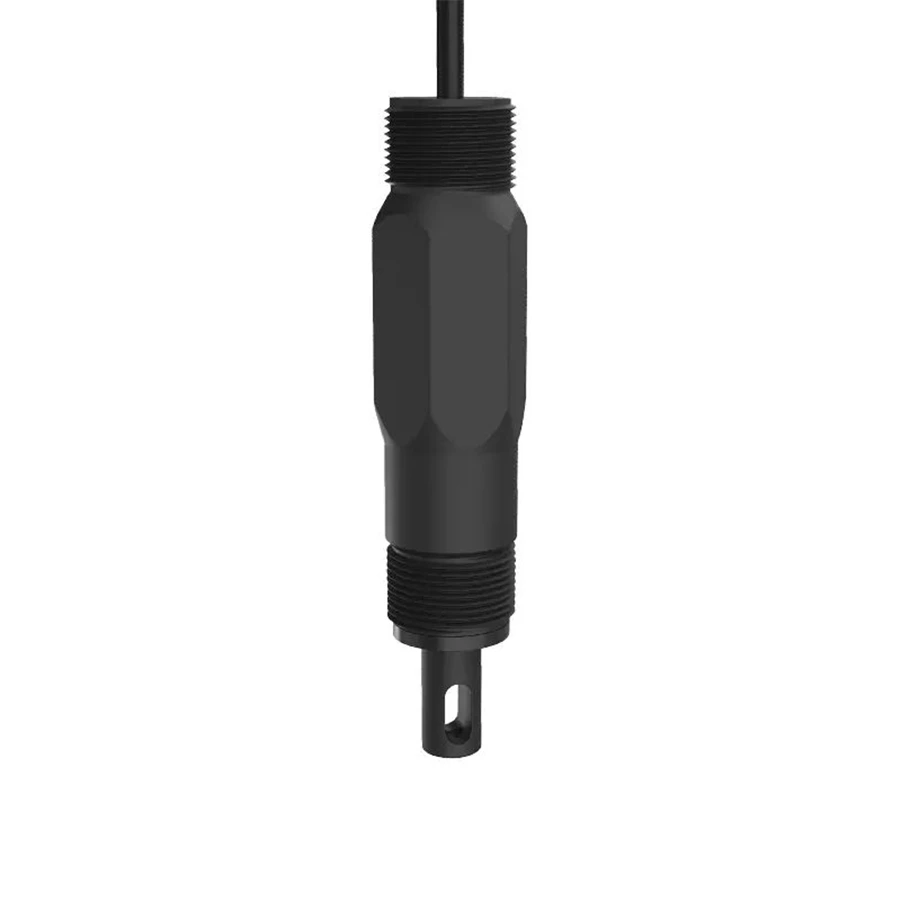
MIK-TDS8002 Digital conductivity sensor

MIK-TDS8002 Digital conductivity sensor

TDS8002 conductivity and salinity digital sensor is designed for aquaculture, river sewage, seawater salinity, environmental protection engineering and other industries. It is equipped with a special quadrupole alloy sensor for breeding, which can be used to measure the changes of conductivity and s ...
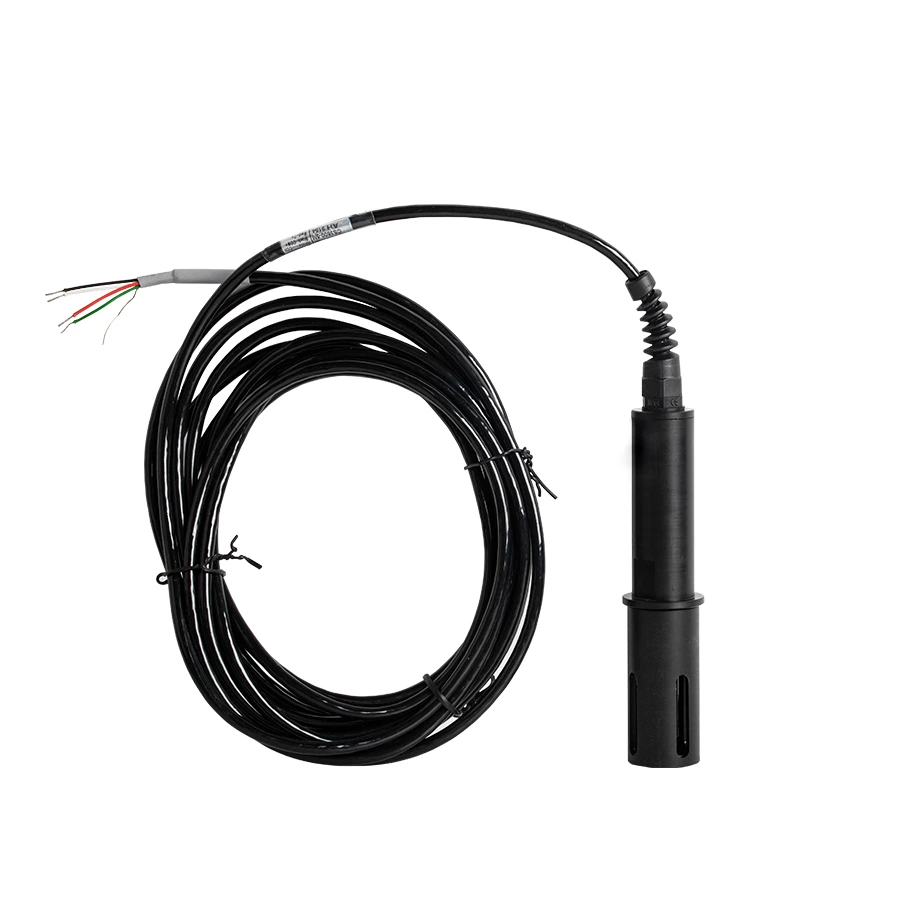
MIK-TDS7003 Conductivity sensor

MIK-TDS7003 Conductivity sensor

Due to its excellent electrical conductivity and corrosion resistance, graphite is very suitable for conductivity measurement in various occasions, especially for some corrosive sewage and production process water. Compared with the traditional metal electrode, the bipolar graphite electrode made of ...
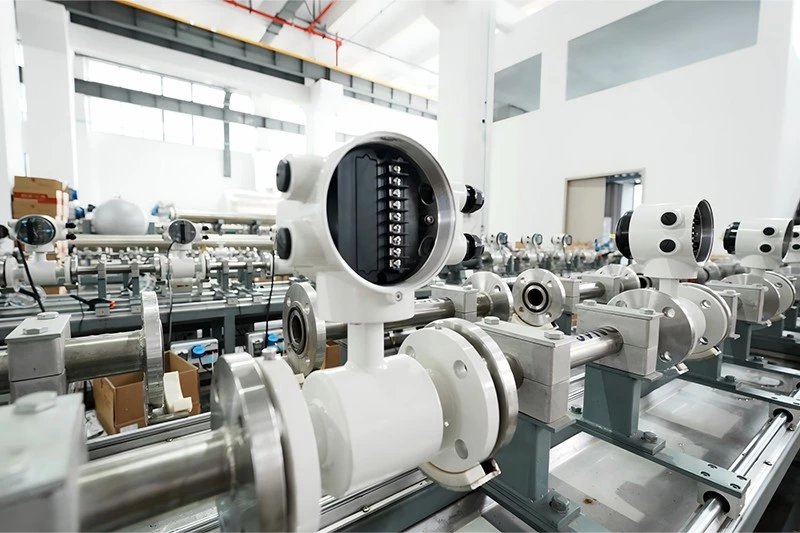

Conductivity Sensor And Transmitter measuring principle

Conductivity sensors reflect conductivity by measuring changes in current or voltage caused by the conductivity of ions in a solution. Conductivity transmitters process the sensor signals, perform temperature compensation, and convert them into standard industrial signal outputs.

  • FAQ

1. What is a conductivity sensor and transmitter?

A conductivity sensor measures how well a solution conducts electricity, which reflects the concentration of dissolved ions. A conductivity transmitter (meter or controller) processes the sensor signal and provides a display and standard outputs. They are used for continuous monitoring of EC, TDS, resistivity and temperature in thermal power, chemical fertilizer, environmental protection, metallurgy, pharmaceuticals, food and water treatment.

2. How does conductivity measurement work?

The conductivity sensor measures changes in current or voltage caused by the ions in the solution. The conductivity transmitter processes the sensor signal, performs temperature compensation, and converts it into standard industrial signal outputs.

3. What is the difference between EC, TDS and resistivity?
  • EC (electrical conductivity): the ability of a solution to conduct electricity, usually in μS/cm or mS/cm.
  • TDS (total dissolved solids): an estimate of dissolved substances, usually calculated from EC using a conversion factor.
  • Resistivity (ER): the reciprocal of conductivity, usually in MΩ·cm, commonly used for ultrapure water.

Asmik conductivity analyzers can measure EC, TDS or resistivity together with temperature.

4. Which conductivity transmitter should I choose?
  • MIK-TDS210-B: online conductivity / hardness / resistivity analyzer
  • MIK-TDS210-C: online conductivity meter and EC controller
  • MIK-EC8.0: online conductivity meter for EC, TDS, resistivity and temperature
  • MIK-DC2000: general-purpose water quality controller for Asmik digital sensors, including pH, ORP, conductivity, dissolved oxygen, turbidity and sludge concentration

If you are unsure, send us your application details and our engineers will recommend a model.

5. Which conductivity sensor should I choose?
  • MIK-TDS6012, MIK-TDS7001: EC/TDS sensors for boiler water, RO water treatment, sewage treatment and pharmaceutical applications
  • MIK-TDS7002: 4-electrode conductivity sensor
  • MIK-TDS7003: bipolar graphite electrode for corrosive sewage and process water
  • MIK-TDS8001: digital conductivity and salinity sensor with two-pole graphite electrode for aquaculture, environmental water and industrial processes
  • MIK-TDS8002: digital conductivity and salinity sensor with quadrupole alloy electrode for aquaculture, river sewage and seawater salinity
6. What is the difference between 2-electrode and 4-electrode conductivity sensors?

A 2-electrode sensor is simple and cost-effective, and is commonly used for low to medium conductivity. A 4-electrode sensor uses separate electrodes for current and voltage, which generally reduces the effect of electrode polarization and fouling, and allows a wider measuring range, especially at higher conductivity.

7. Why use graphite electrodes?

Graphite has excellent electrical conductivity and corrosion resistance, so graphite electrodes are well suited to conductivity measurement in corrosive sewage and production process water. The MIK-TDS7003 and MIK-TDS8001 use graphite electrodes.

8. What is the cell constant, and how do I choose it?

The cell constant (K) describes the geometry of the sensor. Low cell constants are generally used for low-conductivity water such as pure water, and higher cell constants for high-conductivity solutions. Please tell us your expected conductivity range so we can recommend a suitable sensor.

9. Can the sensors measure salinity or seawater?

Yes. The MIK-TDS8001 and MIK-TDS8002 digital sensors measure both conductivity and salinity. The MIK-TDS8002 is designed for applications including seawater salinity and aquaculture.

10. What is the difference between analog and digital conductivity sensors?

An analog sensor must be connected to a conductivity transmitter that processes its signal. A digital sensor processes the measurement inside the sensor and communicates digitally, which reduces interference and makes it easy to connect to a controller such as the MIK-DC2000, a PLC or an IoT system.

11. Can the sensors be used for boiler water and RO systems?

Yes. The MIK-TDS6012, MIK-TDS7001 and MIK-TDS7002 support boiler water and RO water treatment monitoring. For low-conductivity water, please tell us the expected range so we can select a suitable cell constant.

12. Why is temperature compensation needed?

Conductivity changes significantly with temperature. Temperature compensation converts the reading to a reference temperature, usually 25 °C, so that measurements are comparable. Asmik conductivity transmitters support temperature compensation.

13. How is a conductivity sensor calibrated?

A conductivity sensor is generally calibrated with a standard solution of known conductivity close to the process range, or by entering the cell constant. Please follow the calibration procedure of your transmitter.

14. How should conductivity sensors be maintained?

Keep the electrode surfaces clean, since deposits, oils and biofilm affect the reading. Clean the sensor regularly according to the type of contamination, and check the reading against a standard solution after cleaning.

15. Can the MIK-TDS210-B measure hardness?

The MIK-TDS210-B is designed as a conductivity / hardness / resistivity online analyzer. Please tell us your water type and required hardness range so we can confirm suitability.

16. How can the transmitters be integrated into control systems?

Asmik conductivity transmitters support standard signal outputs for easy system integration and remote monitoring. Available outputs depend on the model; please check the product page or tell us your requirements.

17. Which industries use conductivity sensors?

Typical industries include thermal power, chemical fertilizer, environmental protection, metallurgy, pharmaceuticals, food, water treatment and aquaculture.

18. What information should I provide to get a quotation?

To help us select the correct model, please provide:

  • Application and medium (e.g., pure water, boiler water, sewage, seawater)
  • Expected conductivity range and parameter (EC, TDS, resistivity, salinity)
  • Temperature and pressure
  • Corrosive components or fouling conditions
  • Installation method (immersion, flow-through or pipe insertion)
  • Analog or digital sensor, and cable length
  • Transmitter outputs and power supply
  • Quantity

Send your requirements to info@asmik.com or contact us via WhatsApp at +86 13325716921.

Benefits

  • Fast and repeatable measurement
  • Wide adaptability and strong anti-interference capability
  • Stable conductivity transmitter signal
  • Supports temperature compensation and standard signal output
  • Easy system integration and remote monitoring

Why Choose Asmik

why
  • Product Diversity: Over 200 products to meet various measurement and control needs, providing one-stop solutions.
  • Stable supply: The factory covers 45,000 ㎡ and is equipped with fully automated production lines, with an annual output of over 600,000 units.
  • Strict quality control: Products have passed multiple certifications such as ISO, CE, and UL, and internal quality control involves 24+ processes.
  • High-quality materials: possess excellent corrosion resistance, wear resistance, and long-term stability.
  • Efficient delivery: Possesses a well-established logistics system, ensuring timely shipments and efficient delivery.
  • Customer-centric: From consultation to after-sales service, we provide excellent professional services to ensure a great working experience.

Industries

Professional industry solutions: With a comprehensive instrumentation system, customized solutions, professional technology and services, we help you meet every challenge.

Need more information?

Contact us for more details about our solutions and services

This site uses cookies

We use cookies to collect information about how you use this site. We use this information to make the website work as well as possible and improve our services.








