pH Sensor And Transmitter

Suitable Chemical industry, metallurgy, environmental protection, food, agriculture

online pH meters

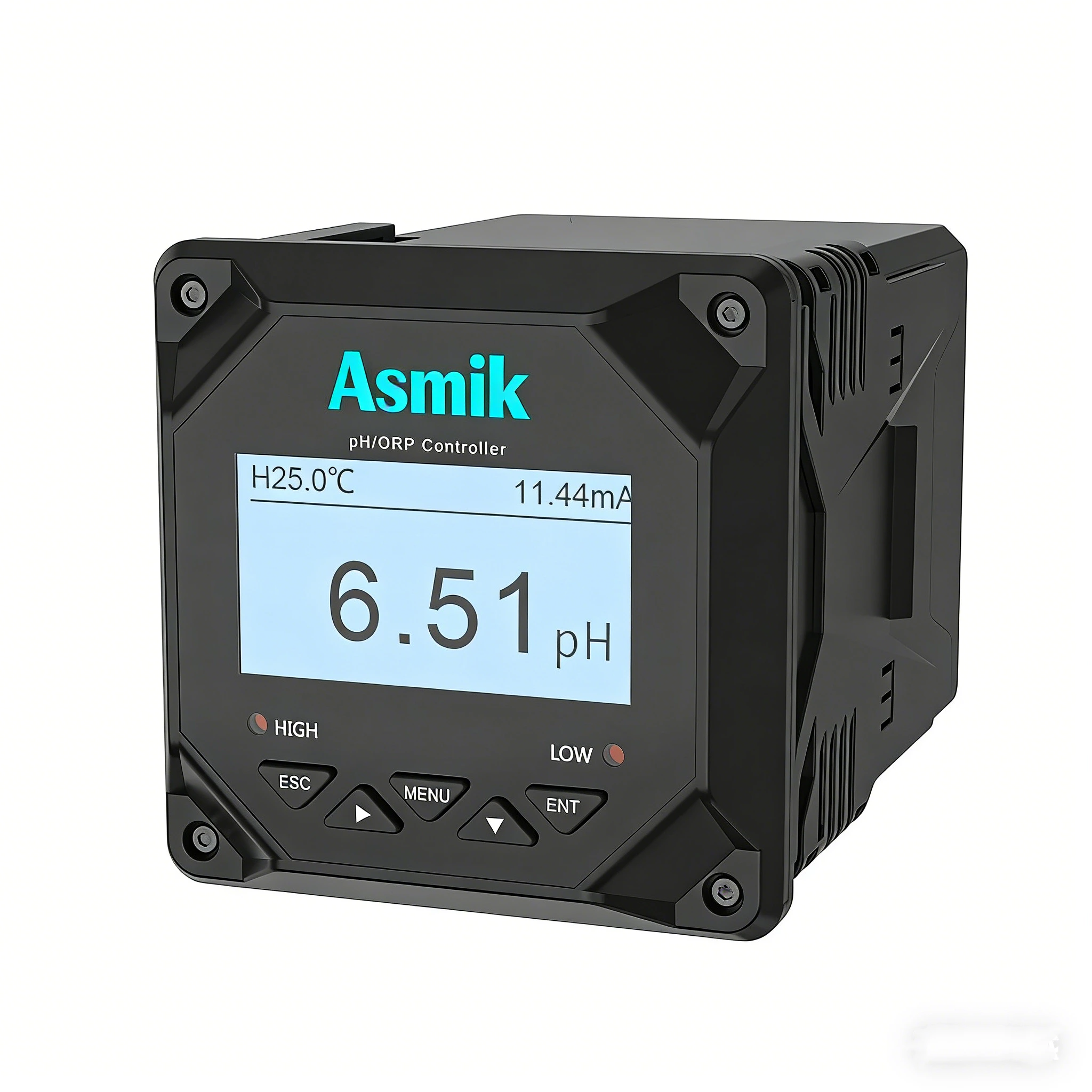
MIK-PH6.5 pH ORP meter

MIK-PH6.5 industrial pH meter is an online pH analyzer which applied in chemical industry metallurgy, environment protection, food, agriculture and so on. With 4-20mA analog signal, RS-485 digital signal and relay output. Can be used for industrial processes and water treatment processes pH control, ...
Online PH Indicator

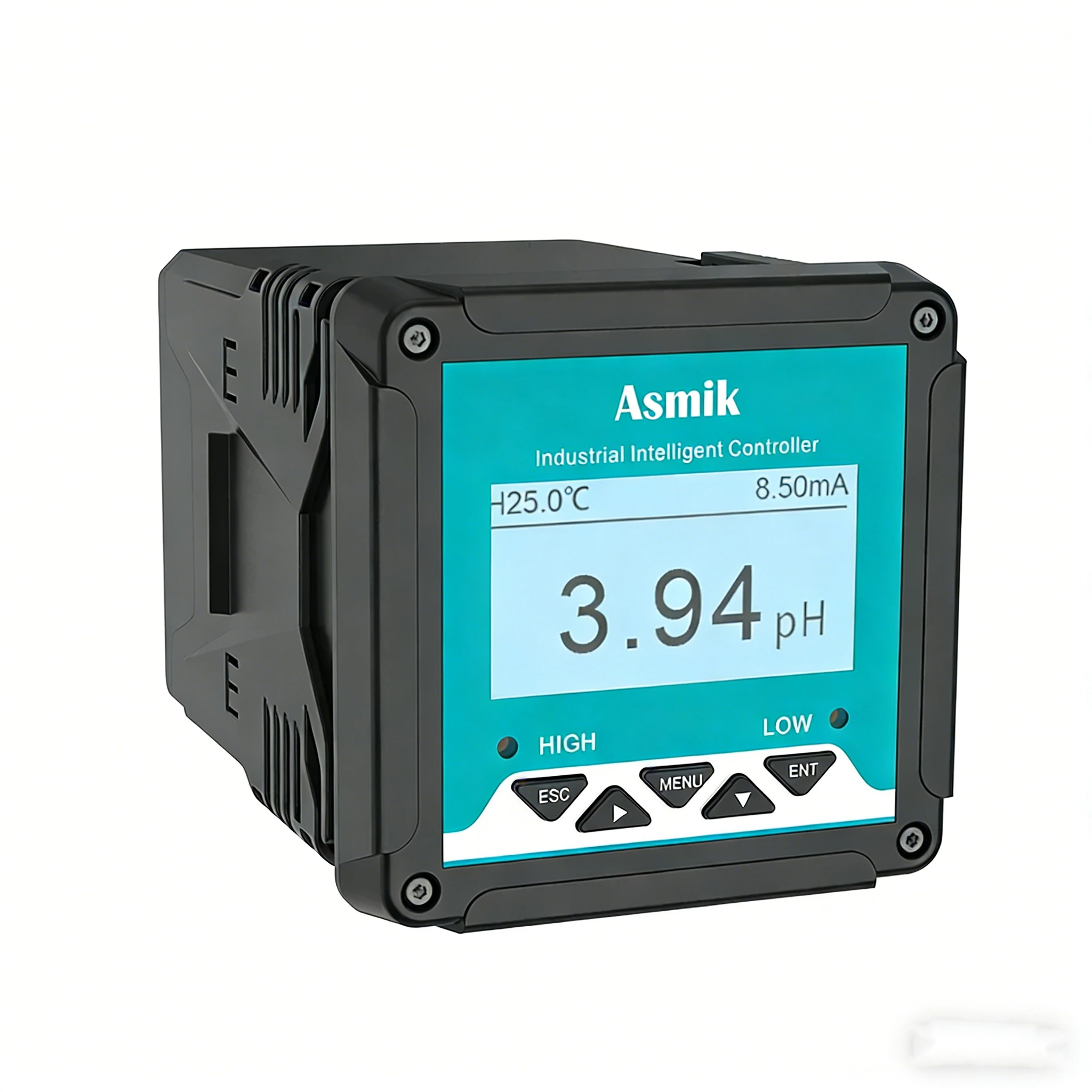
MIK-PH6.8 pH ORP meter

MIK-PH6.3 industrial pH meter is an online pH analyzer which applied in chemical industry metallurgy, environment protection, food, agriculture and so on. With 4-20mA analog signal, RS-485 digital signal and relay output. Can be used for industrial processes and water treatment processes pH control, ...
online pH analyzer

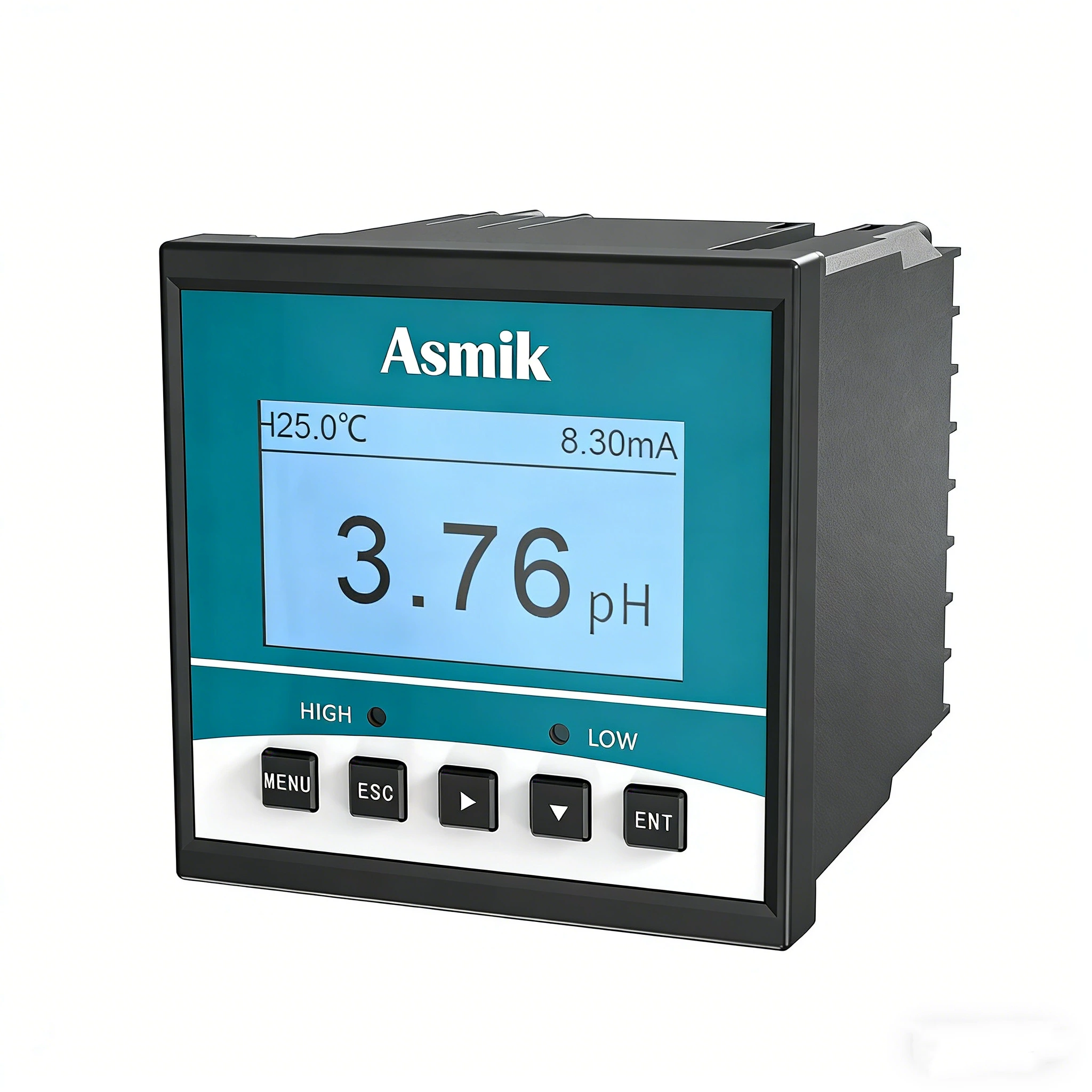
MIK-PH163S pH ORP meter

MIK-PH163S industrial pH meter is an online pH analyzer with 4-20mA analog signal, RS-485 digital signal and relay output. Can be used for industrial processes and water treatment processes pH control, and support remote data transmission, etc. ...
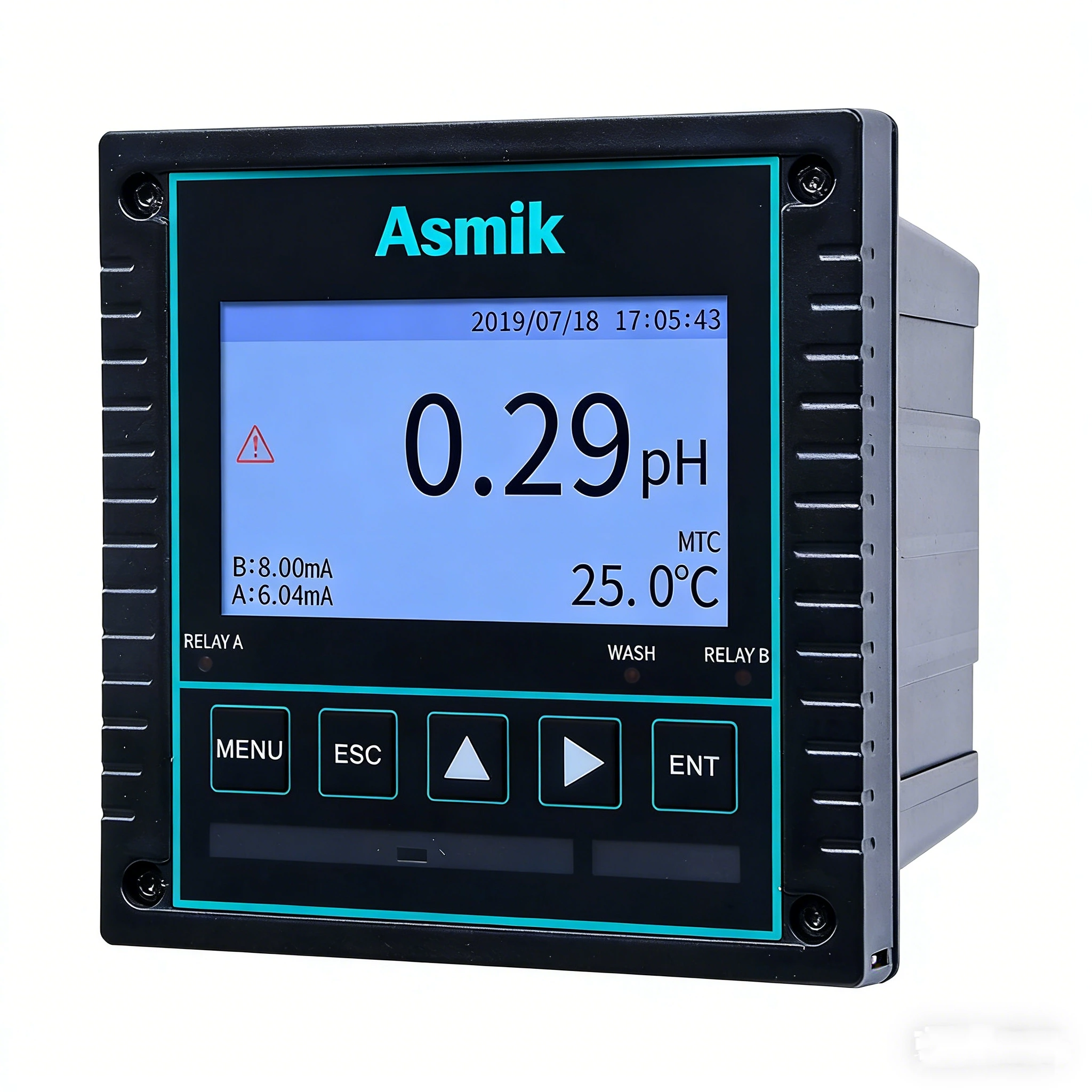
PH Controller MIK-DC-P2 Dual Channel Universal Controller

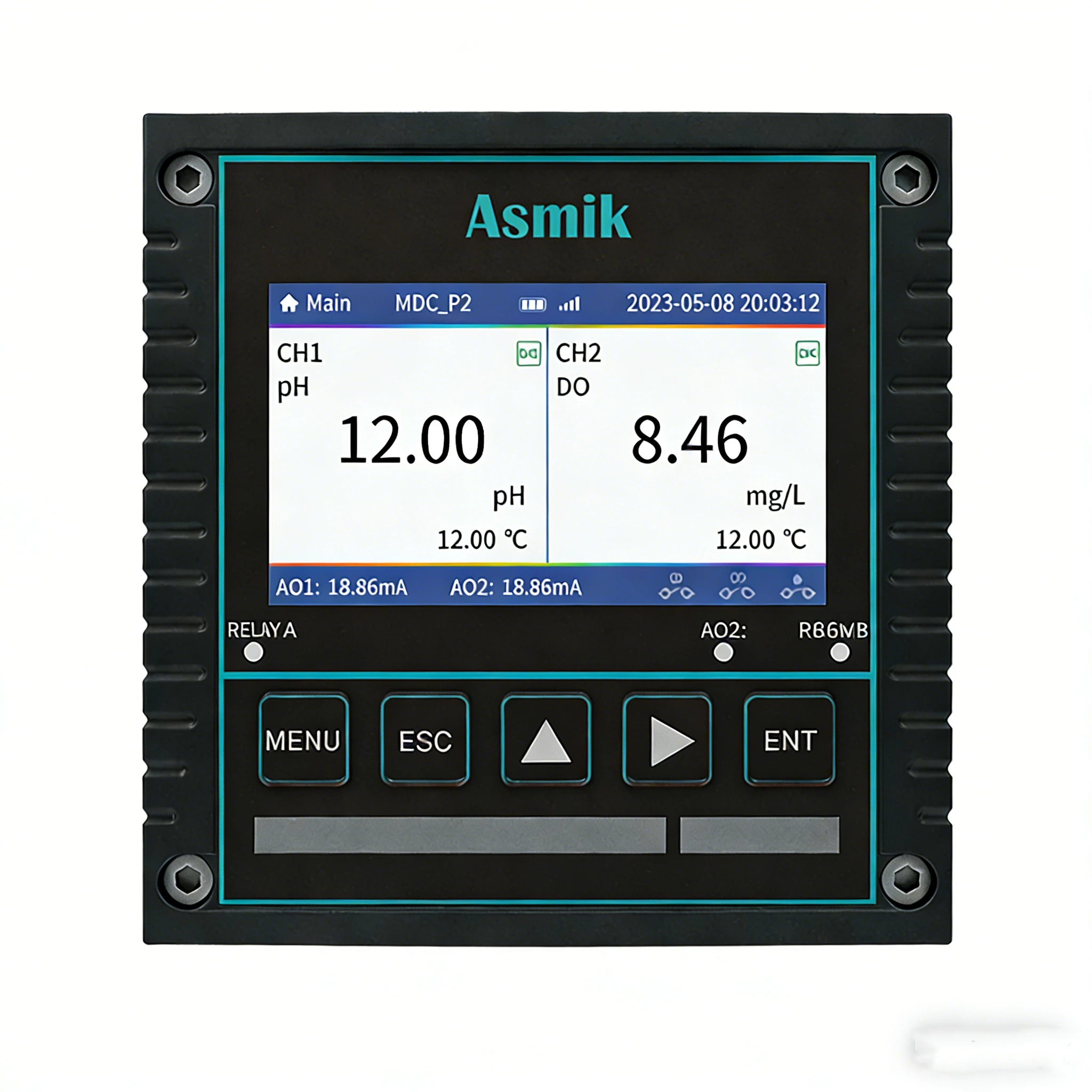
PH Controller MIK-DC-P2 Dual Channel Universal Controller

The  MDC-P1/P2  is  an  advanced,  intelligent  online  multi-parameter  controllercapable of supporting up to two channels. The first channel's hybrid mode allows for the connection of either analog or digital sensors, while the second channel connects digita ...
pH ORP meter

MIK-PH8.0 pH ORP meter

MIK-PH8.0 industrial pH meter is an online pH analyzer which applied in chemical industry metallurgy, environment protection, food, agriculture and so on. With 4-20mA analog signal, RS-485 digital signal and relay output. Can be used for industrial processes and water treatment processes pH control, ...
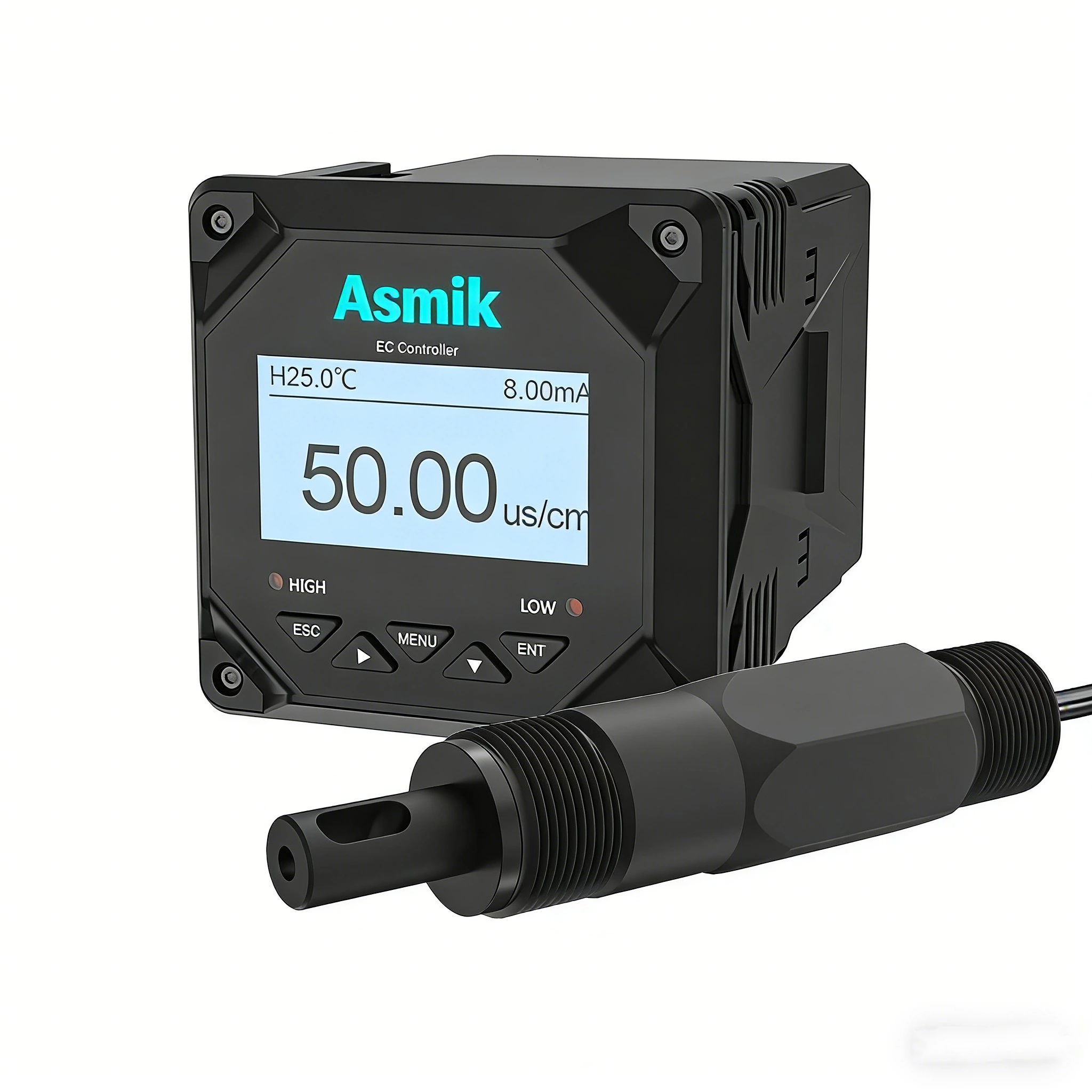
Digital analyzer monitor

MIK-DC2000 Universal pH meter

Specification Product Digital analyzer monitor Model MIK-DC2000 Dimension 100mm*100mm*150mm Range pH: (0-14) pH ORP: (-2000-2000) MV DO: (0-40) mg/L TDS: (0-600) MS/cm Turbi ...
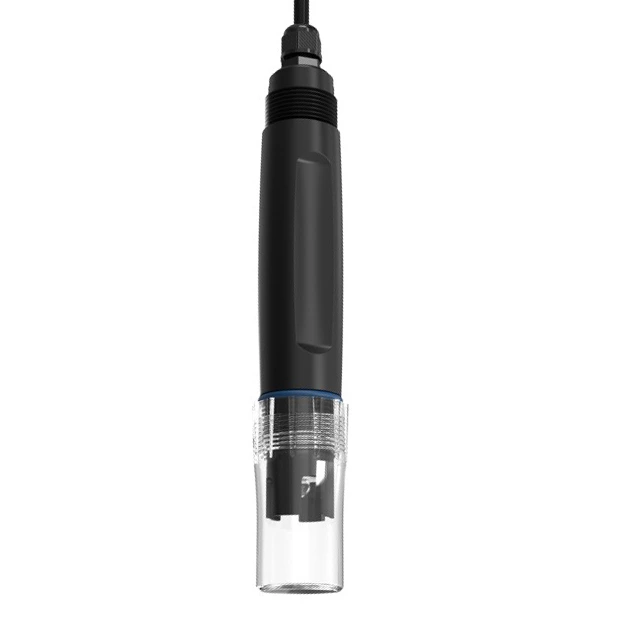
MIK-pH 6001 pH Electrode Plastic Body for Industrial and General Usage

MIK-pH 6001 pH Electrode Plastic Body for Industrial and General Usage

The MIK-pH6001 Plastic pH Electrode is a high-quality sensor engineered for precise and dependable pH measurement in challenging industrial environments. Designed for versatility and durability, this electrode is an ideal solution for applications requiring accurate pH monitoring, including was ...
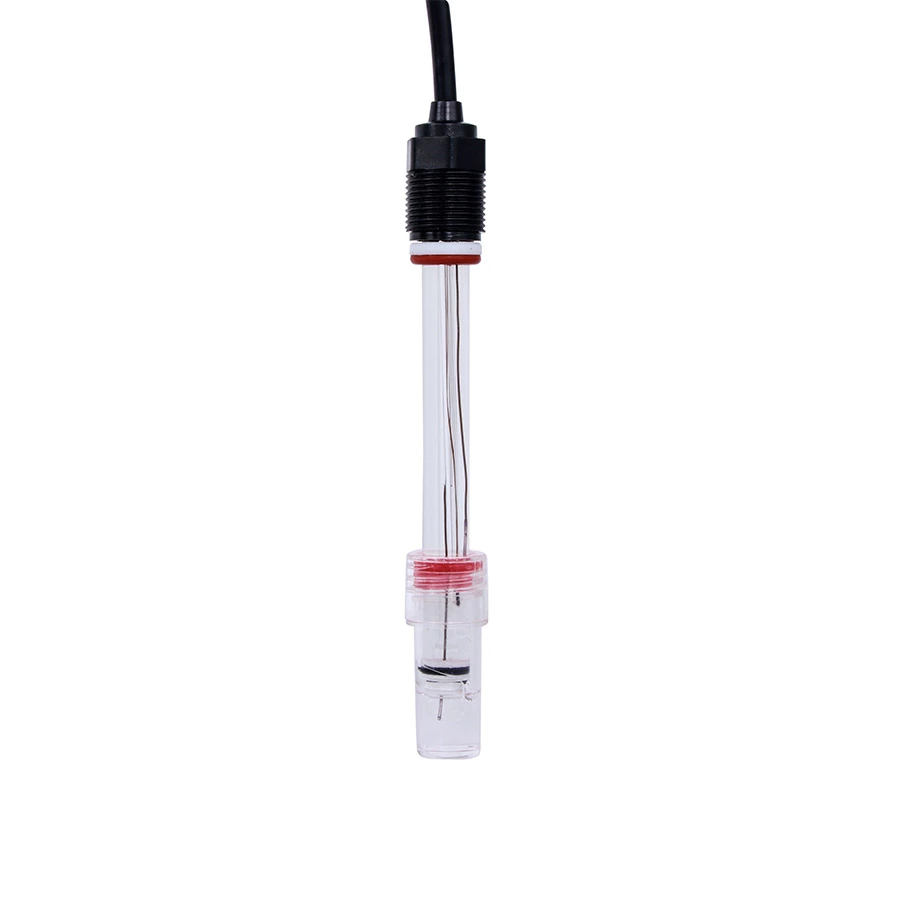
MIK-pH6002 Glass-Body pH Electrode for Laboratory and Industrial Usage

MIK-pH6002 Glass-Body pH Electrode for Laboratory and Industrial Usage

The MIK-pH6002 glass-body pH electrode is a precision sensor designed to measure the acidity or alkalinity (pH) of liquids, featuring a durable glass outer tube that houses a sensitive glass membrane to detect hydrogen ion concentrations accurately. This glass surface pH electrode is widely utilized ...
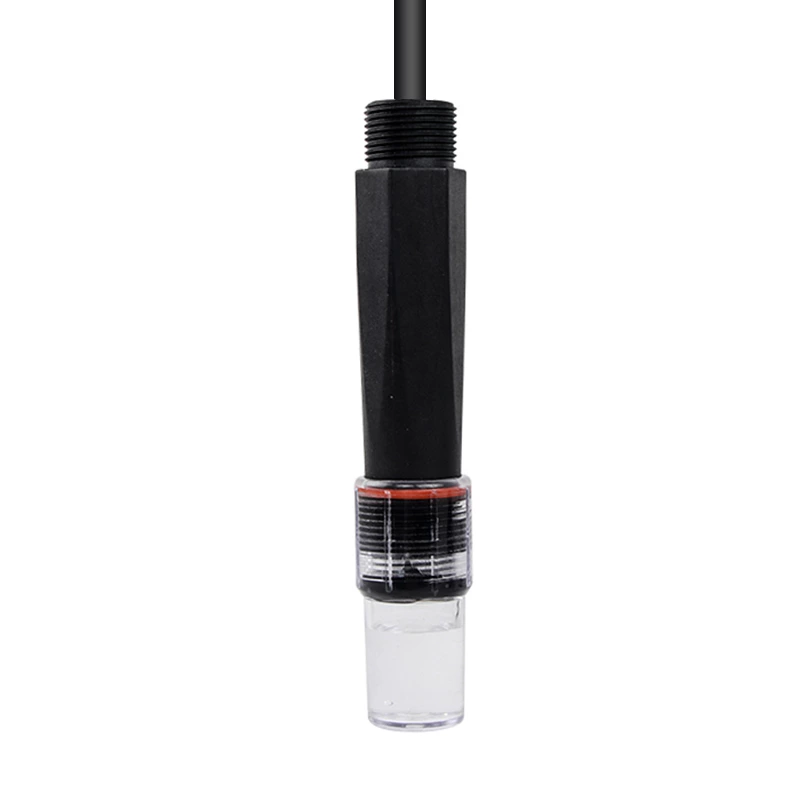
Flat pH sensor

MIK-PH7001 Flat pH sensor for flue gas desulfurization

MIK-7001 Flat pH electrode can be used for pH measurement of flue gas desulfurization (FGD), or other harsh environment, such as whitewash, seriflux, etc. ...
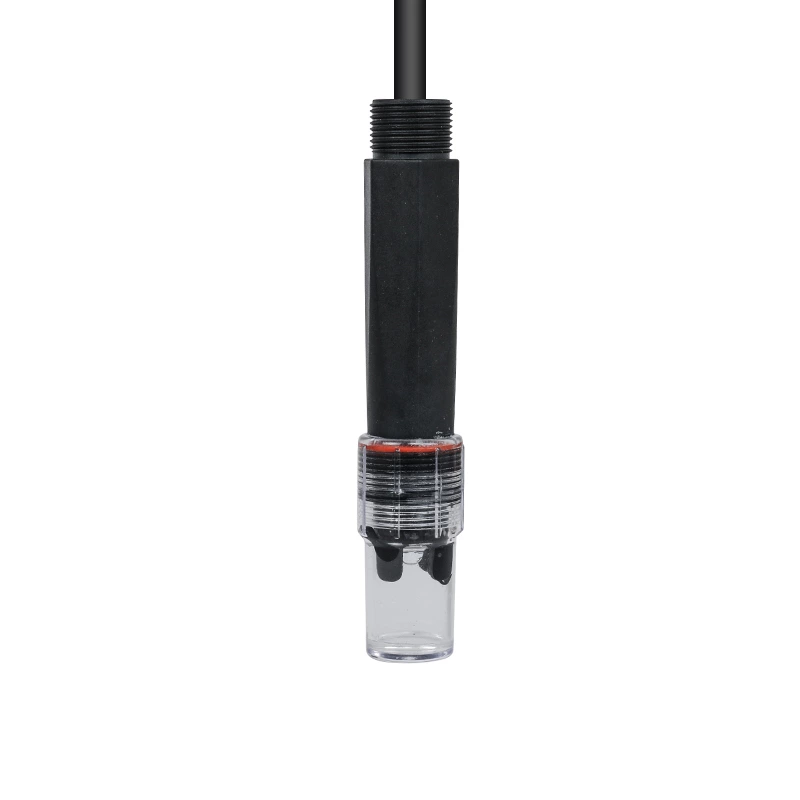
ORP sensor

MIK-ORP6050 ORP sensor

MIK-ORP-6050 pH sensor used in ORP measurement is also called primary cell. The primary battery is a system whose function is to convert chemical energy into electrical energy. The voltage of this battery is called electromotive force (EMF). This electromotive force (EMF) consists of two half-cells. ...
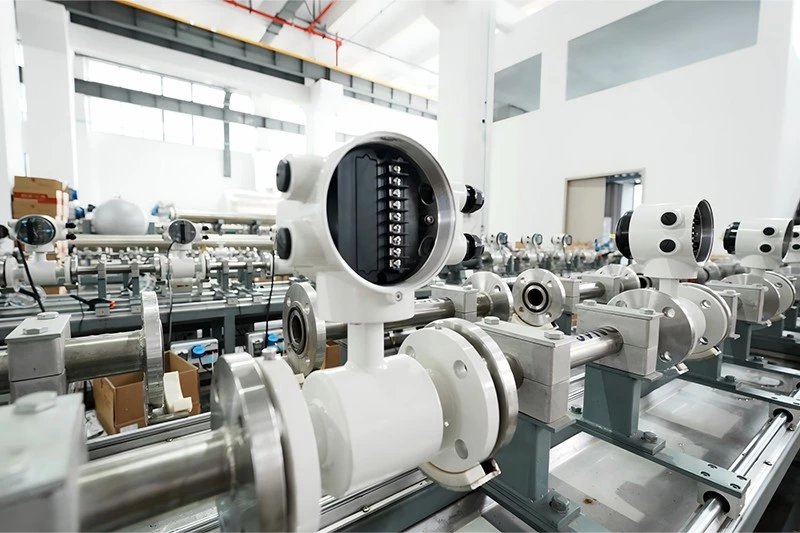

PH Sensor And Transmitter measuring principle

pH sensor detects the activity of hydrogen ions in a solution through a glass electrode and generates a potential signal. The pH transmitter then amplifies, temperature-compensates, and linearizes this weak electrical signal before converting it into a standard electrical signal for output.

  • FAQ

1. What is a pH sensor and transmitter?

A pH sensor (electrode) measures the acidity or alkalinity of a liquid, and a pH transmitter (meter or controller) converts the sensor signal into a displayed value and standard output signals. Together they are used for online pH monitoring and control in chemical, metallurgy, environmental protection, food, agriculture and water treatment applications.

2. How does online pH measurement work?

The pH sensor detects the activity of hydrogen ions in the solution through a glass electrode and generates a small potential signal. The pH transmitter amplifies this weak signal, applies temperature compensation and linearization, and converts it into a standard electrical output for display, control or remote transmission.

3. What is ORP, and how is it different from pH?

pH indicates hydrogen ion activity (acidity or alkalinity), while ORP (oxidation-reduction potential) indicates the oxidizing or reducing ability of a solution, measured in mV. ORP is often used to monitor disinfection and oxidation or reduction processes. Many Asmik transmitters support both pH and ORP, and the MIK-ORP6050 is a dedicated ORP sensor.

4. Do I need both a sensor and a transmitter?

For analog pH electrodes, yes: the electrode provides the measurement signal and the transmitter displays it and provides outputs. A digital sensor such as the MIK-PH8001 has a built-in RS485 Modbus RTU interface and can communicate directly with a PLC, data logger or IoT system.

5. Which pH transmitter should I choose?
  • MIK-PH6.5, MIK-PH6.8 and MIK-PH8.0: online pH/ORP meters with 4–20 mA, RS485 and relay outputs for industrial and water treatment pH control
  • MIK-PH163S: online pH/ORP meter with 4–20 mA, RS485 and relay outputs, supporting remote data transmission
  • MIK-DC-P2: dual-channel controller; the first channel accepts analog or digital sensors, the second connects digital sensors
  • MIK-DC2000: universal analyzer monitor supporting pH, ORP and other parameters

If you are unsure, send us your application details and our engineers will recommend a model.

6. Which pH electrode should I choose?
7. What is the difference between analog and digital pH sensors?

An analog sensor outputs a small millivolt signal that must be connected to a pH transmitter, usually with a limited cable length. A digital sensor converts the measurement inside the sensor and communicates via RS485 (Modbus RTU), which is less sensitive to interference and makes it easy to connect multiple sensors to one system.

8. Can pH be measured in liquids containing hydrofluoric acid?

Yes. Standard glass membranes can be attacked by hydrofluoric acid. The MIK-PH5014 uses a pH-sensitive glass membrane resistant to hydrofluoric acid, and is used for pH measurement in water containing hydrofluoric acid and for dilution control of hydrofluoric acid in semiconductor wafer and chip manufacturing.

9. Which sensor is suitable for flue gas desulfurization (FGD)?

The MIK-PH7001 flat pH sensor is designed for FGD and other harsh environments, such as lime slurry. Its flat sensing surface helps reduce fouling and damage in slurry applications.

10. Why is temperature compensation important?

The electrode response changes with temperature, so the same pH value produces a different signal at different temperatures. Temperature compensation corrects for this effect, and Asmik pH transmitters support temperature compensation for more accurate readings.

11. How do I calibrate a pH sensor, and which buffers should I use?

pH sensors are calibrated with standard buffer solutions. Asmik standard pH calibration solutions are available in common sets of 4.00, 7.00 and 10.00, or 4.00, 6.86 and 9.18, with an accuracy of ±0.01 pH at 25 °C, and are dyed in different colors for easy identification. Choose buffers that bracket your process pH range and follow the calibration procedure of your transmitter.

12. How often should a pH sensor be calibrated?

Calibration frequency depends on the application, process conditions and required accuracy. Sensors in dirty or aggressive media generally need more frequent checks. A common practice is to check the reading regularly against a buffer or reference measurement and recalibrate when the deviation exceeds your tolerance.

13. How long does a pH electrode last?

A pH electrode is a consumable component. Its service life depends on the medium, temperature, cleaning and storage conditions. Aggressive chemicals, high temperatures, abrasive slurries and letting the electrode dry out generally shorten its life.

14. How should a pH electrode be stored and maintained?
  • Keep the glass membrane wet; do not let it dry out.
  • Store the electrode with its protective cap and storage solution when not in use.
  • Clean the electrode regularly according to the type of contamination.
  • Avoid touching or scratching the glass membrane.
  • Recalibrate after cleaning.

Please follow the manual of your electrode for recommended storage and cleaning solutions.

15. What installation accessories are available?

Asmik offers pH installation accessories, including a pH installation box, installation bracket and pH signal amplifier for sensor and controller installation.

16. Can the pH transmitter control dosing?

Yes. Asmik online pH meters provide relay outputs that can be used for pH control, for example to start or stop dosing pumps. The 4–20 mA and RS485 outputs can also send pH values to a PLC or control system. See our metering pumps for dosing.

17. Do you also offer COD sensors?

Yes. The MIK-ADS2000 COD sensor is based on the UV absorption principle. It requires no reagents, causes no secondary pollution, and has an integrated self-cleaning brush.

18. Which industries use Asmik pH sensors and transmitters?

Typical industries include chemical, metallurgy, environmental protection, water and wastewater treatment, food, agriculture, aquaculture, power plant flue gas desulfurization and semiconductor manufacturing.

19. What information should I provide to get a quotation?

To help us select the correct model, please provide:

  • Application and medium (e.g., wastewater, slurry, acid, pure water)
  • pH range, temperature and pressure
  • Special components (e.g., hydrofluoric acid, solids, oils)
  • Installation method (immersion, flow-through or pipe insertion)
  • Analog or digital sensor, and cable length
  • Transmitter outputs (4–20 mA, RS485, relay) and power supply
  • Whether ORP or other parameters are also required
  • Quantity

Send your requirements to info@asmik.com or contact us via WhatsApp at +86 13325716921.

Benefits

  • The sensor has high sensitivity and fast response
  • High measurement accuracy, suitable for various media
  • Stable signal and strong anti-interference capability
  • Supports temperature compensation and standard signal output
  • Facilitates remote transmission and system integration

Why Choose Asmik

why
  • Product Diversity: Over 200 products to meet various measurement and control needs, providing one-stop solutions.
  • Stable supply: The factory covers 45,000 ㎡ and is equipped with fully automated production lines, with an annual output of over 600,000 units.
  • Strict quality control: Products have passed multiple certifications such as ISO, CE, and UL, and internal quality control involves 24+ processes.
  • High-quality materials: possess excellent corrosion resistance, wear resistance, and long-term stability.
  • Efficient delivery: Possesses a well-established logistics system, ensuring timely shipments and efficient delivery.
  • Customer-centric: From consultation to after-sales service, we provide excellent professional services to ensure a great working experience.

Industries

Professional industry solutions: With a comprehensive instrumentation system, customized solutions, professional technology and services, we help you meet every challenge.

Need more information?

Contact us for more details about our solutions and services

This site uses cookies

We use cookies to collect information about how you use this site. We use this information to make the website work as well as possible and improve our services.








