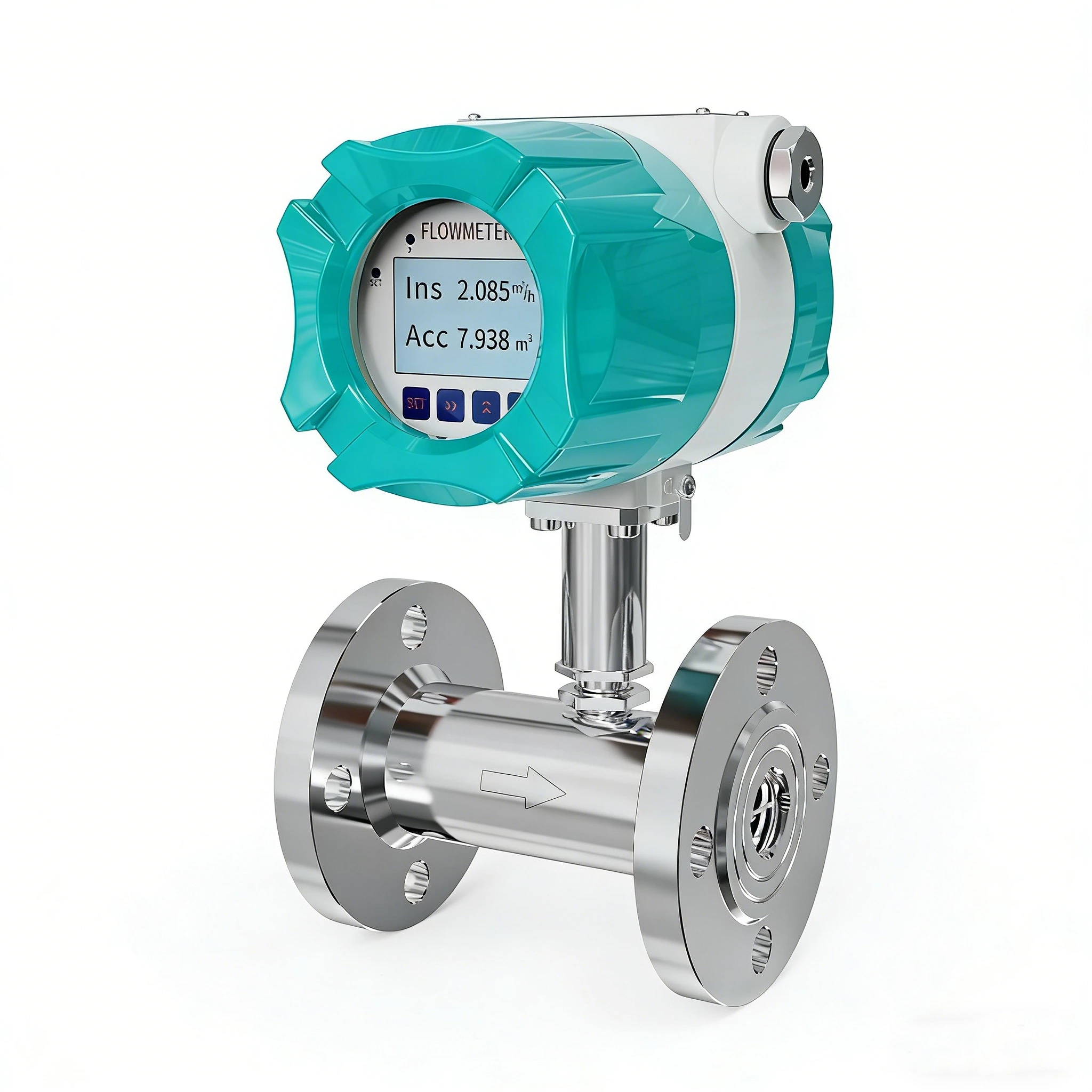
Turbine Flowmeter

Turbine flowmeter: Suitable for petroleum, chemical, metallurgical, water, and paper industries

liquid turbine flowmeter

MIK-LWGY Turbine flowmeter flange connection

MIK-LWGY series liquid turbine flowmeter is a kind of speed instrument, which has the advantages of high accuracy, good repeatability, simple structure, small pressure loss and convenient maintenance. It is used to measure the volume flow of low viscosity liquid in closed pipe. In the petroleum, che ...
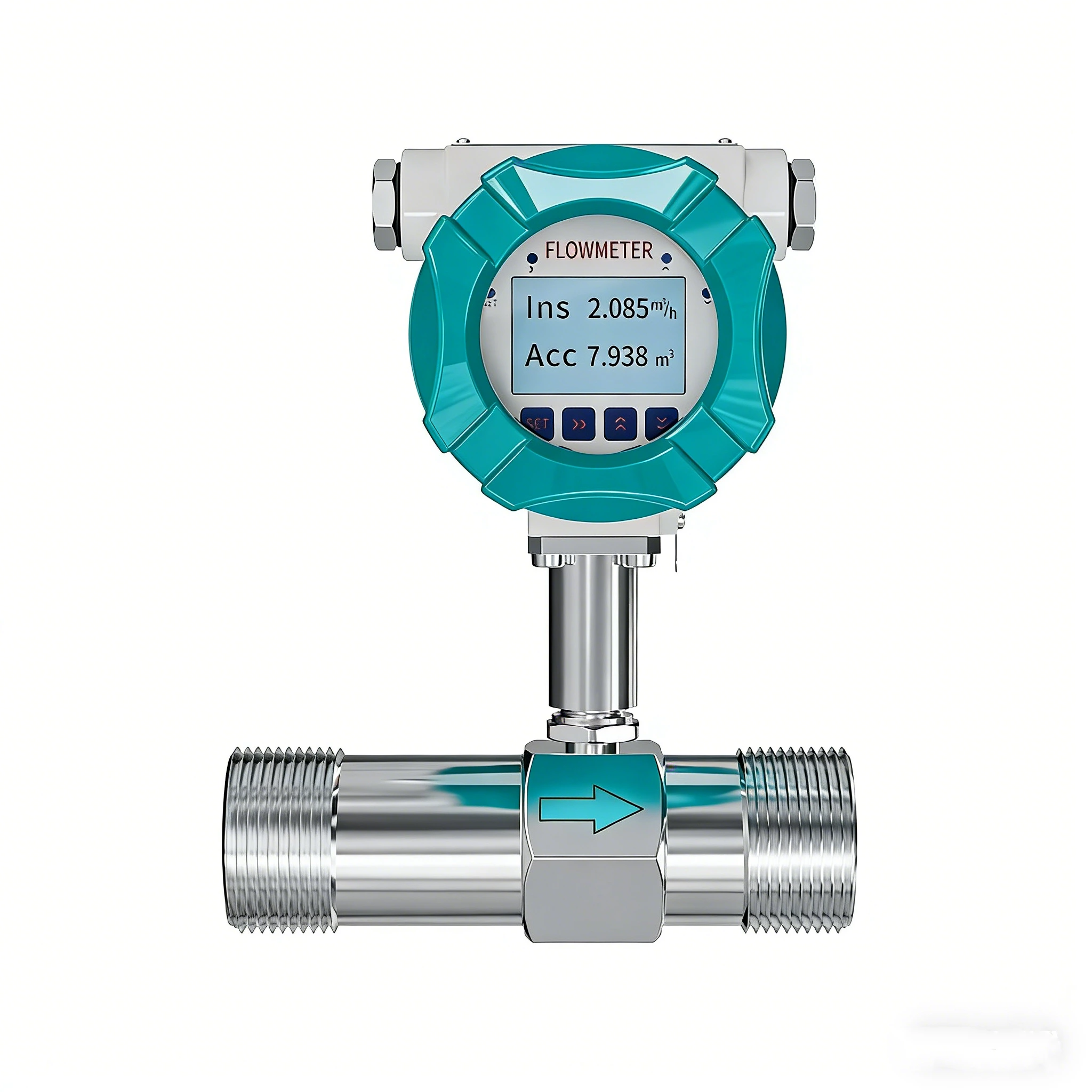
turbine flowmeter thread connection

MIK-LWGY Turbine flowmeter thread connection

MIK-LWGY series liquid turbine flowmeter is a kind of speed instrument, which has the advantages of high accuracy, good repeatability, simple structure, small pressure loss and convenient maintenance. It is used to measure the volume flow of low viscosity liquid in closed pipe. Threaded type, simple ...
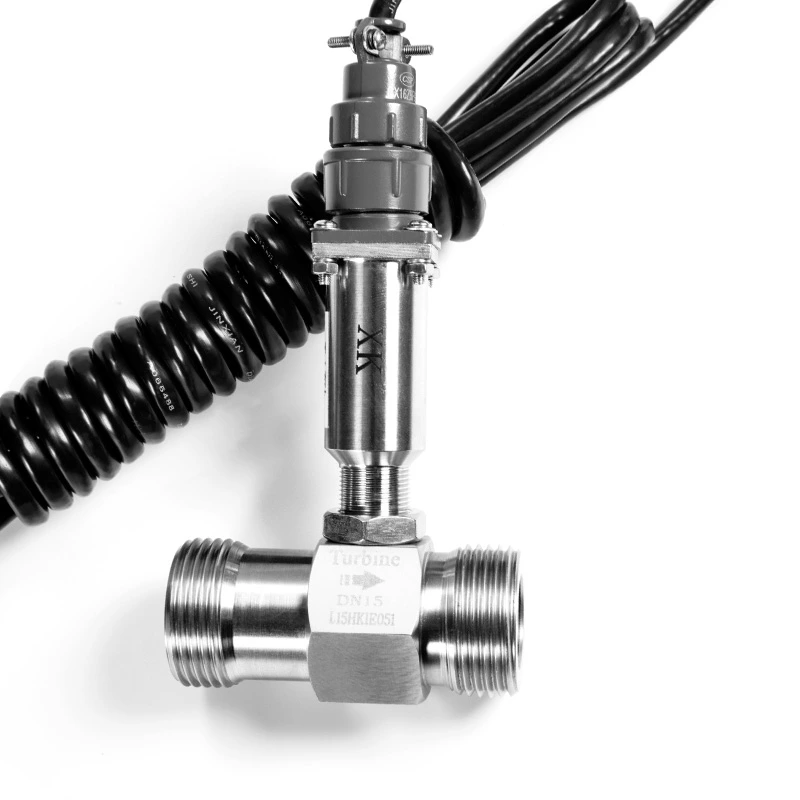
Turbine flow sensor

MIK-LWGY Turbine flow sensor thread connection

MIK-LWGY series liquid turbine flow sensor is a kind of speed instrument, which has the advantages of high accuracy, good repeatability, simple structure, small pressure loss and convenient maintenance. It is used to measure the volume flow of low viscosity liquid in closed pipe.   ...
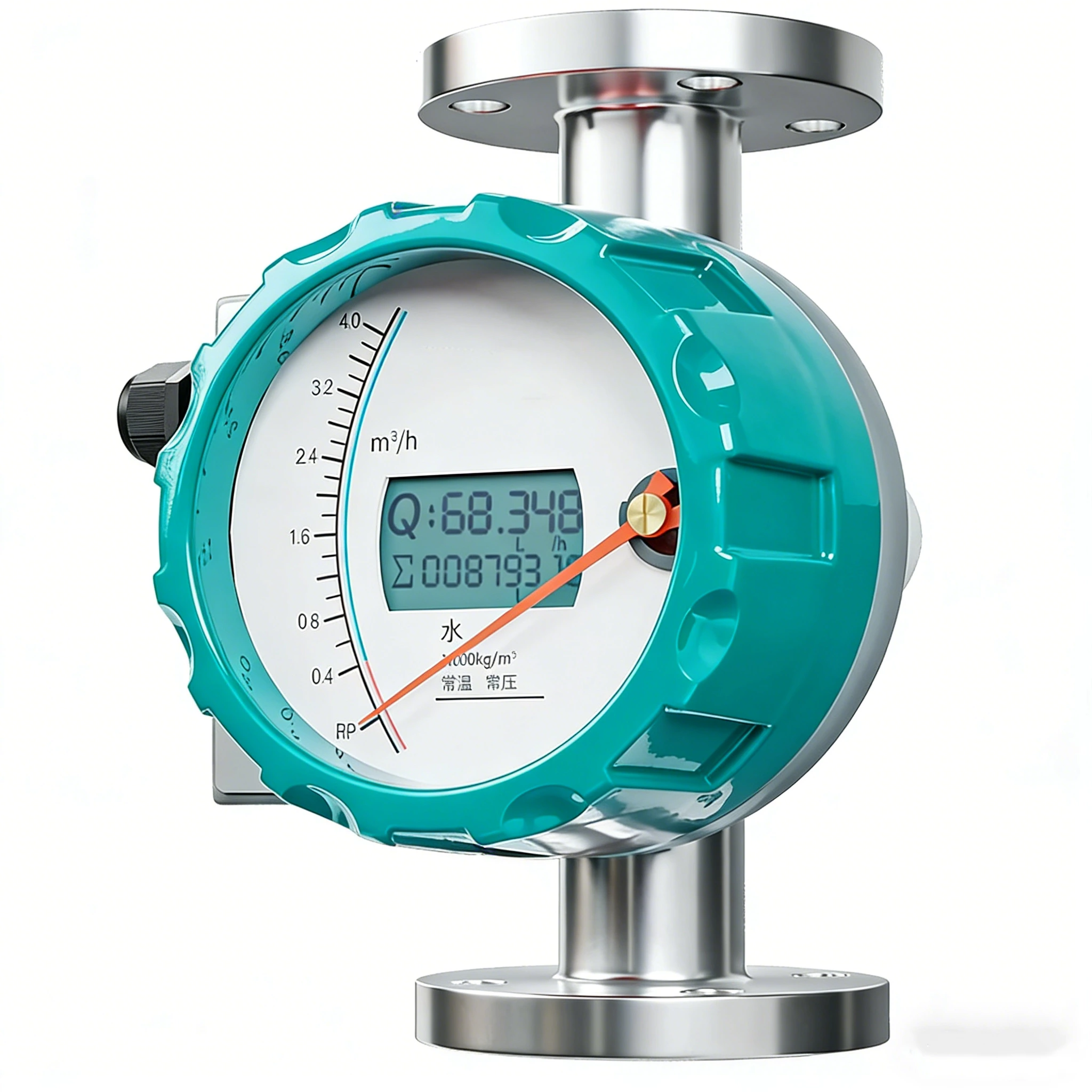
MIK-LZ Metal tube rotameter

MIK-LZ Metal tube rotameter

MIK-LZ Metal Tube Rotameter is a device that measures the volumetric flow rate of fluid in a closed tube. It belongs to a class of meters called variable-area flowmeters, which measure flow rate by allowing the cross-sectional area the fluid travels through to vary, causing a measurable effect. &nbs ...
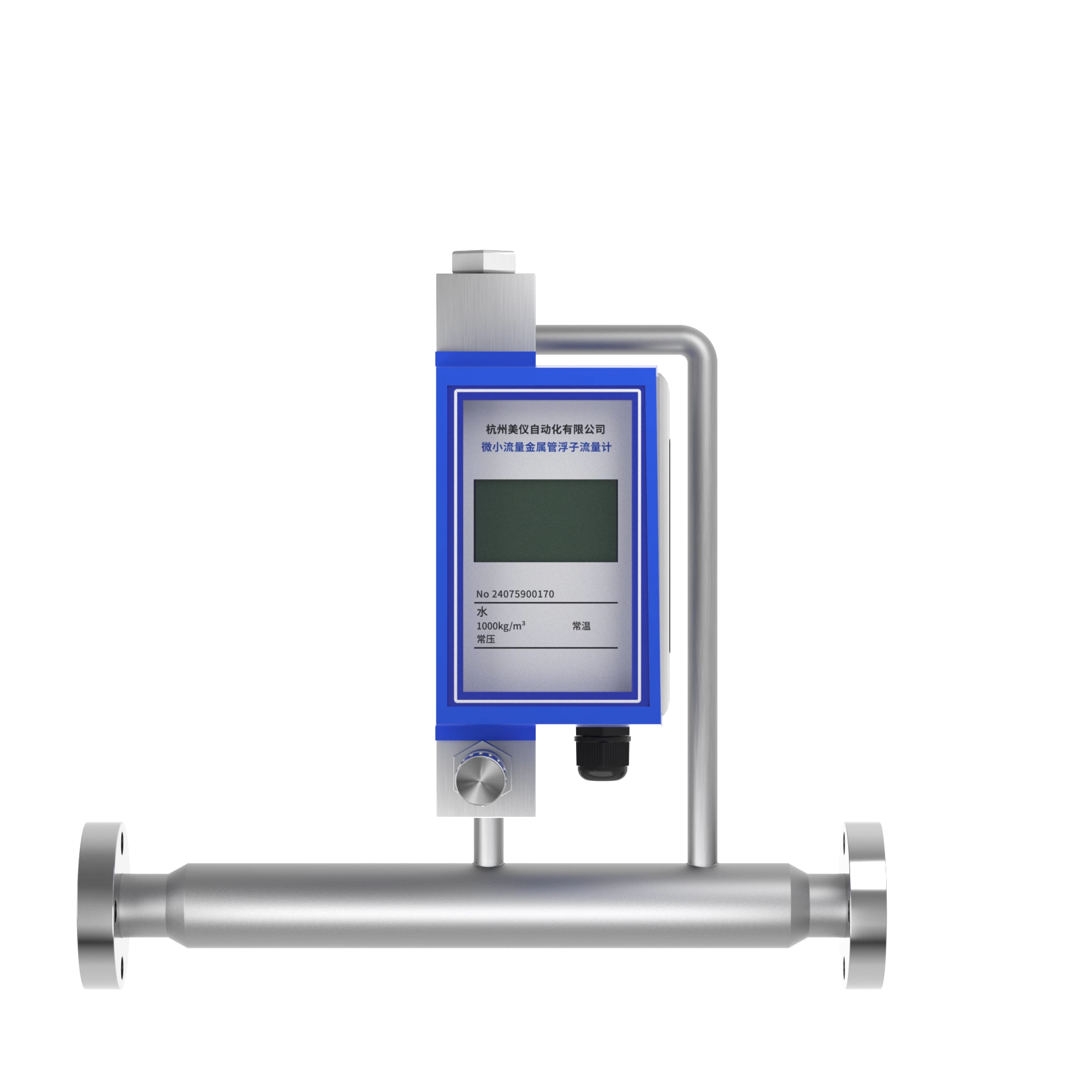
FRM200 micro metal tube float flowmeter

FRM200 micro metal tube float flowmeter

The FRM200 Micro Metal Tube Float Flow Meter is designed for precise measurement of small gas and liquid flows, offering high resistance to temperature, pressure, and corrosion. Ideal for applications like gas chromatography, pharmaceuticals, and nuclear power, it features an all-metal construction, ...
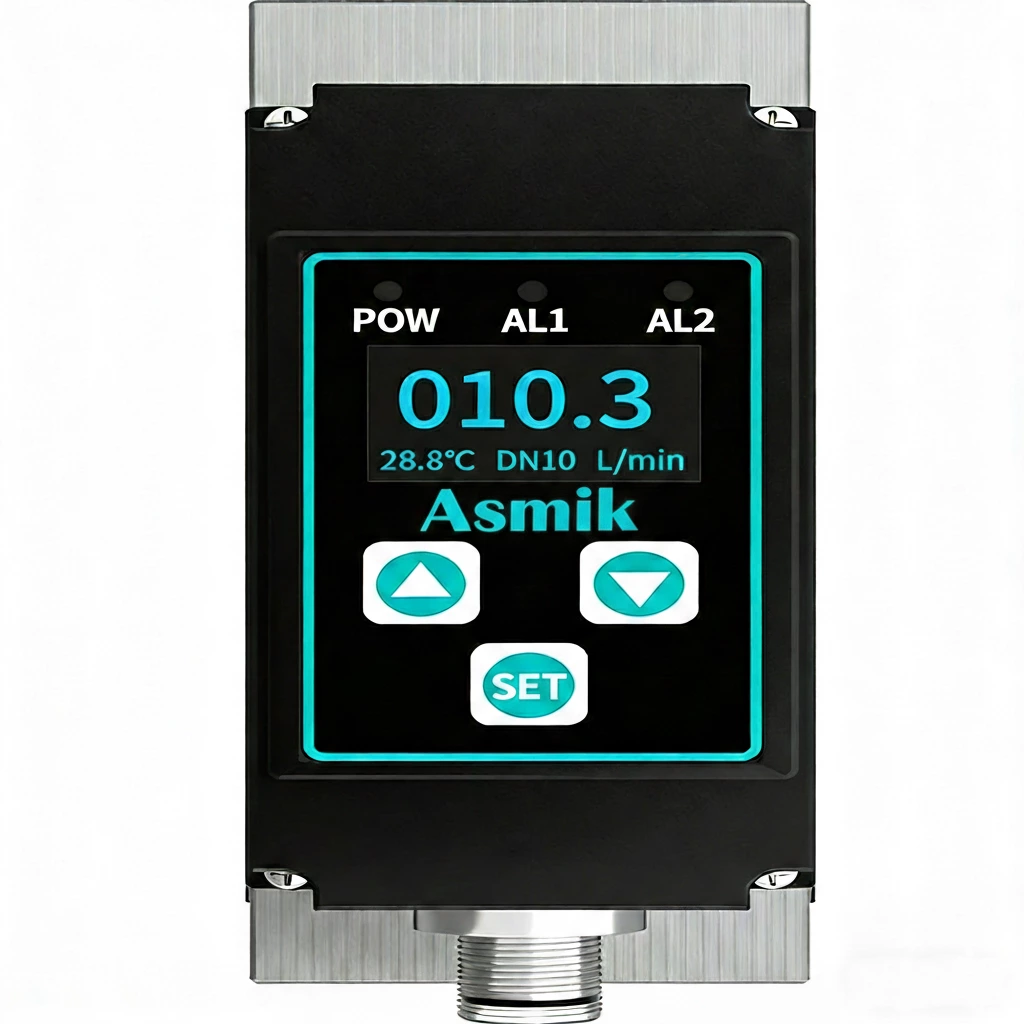
MIK-FLM200 Micro Turbine Flow Meter

MIK-FLM200 Micro Turbine Flow Meter

Micro turbine flowmeter simple structure, high accuracy, easy to install and maintain, can be used for real-time monitoring of the liquid flow and temperature in the pipeline, support flow and temperature (4 ~ 20) mA signal or 485 communication, alarm switch output, and the use of OLED real-time dis ...
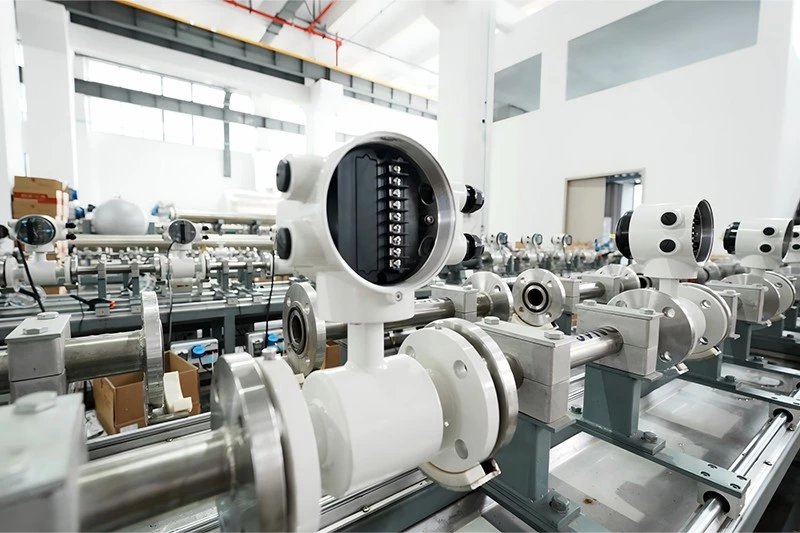

Turbine flowmeter measuring principle

A turbine flow meter is a velocity measurement instrument with advantages such as high accuracy, good repeatability, simple structure, low pressure loss, and convenient maintenance.

It is used to measure the volumetric flow rate of low-viscosity liquids in closed pipes and is widely used in industries such as petroleum, chemical, metallurgy, water supply, and papermaking.

  • FAQ

1. What is a turbine flowmeter?

A turbine flowmeter is a velocity-type flow instrument used to measure the volume flow of low-viscosity liquids in closed pipes. It offers high accuracy, good repeatability, a simple structure, low pressure loss and convenient maintenance, and is widely used in petroleum, chemical, metallurgy, water supply and papermaking industries.

2. How does a turbine flowmeter work?

Liquid flowing through the meter drives a rotor (turbine) whose rotational speed is proportional to the flow velocity. A pickup sensor detects the rotating blades and generates pulses; the pulse frequency corresponds to the flow rate, and the total number of pulses corresponds to the total volume.

3. What liquids can a turbine flowmeter measure?

Turbine flowmeters are designed for clean, low-viscosity liquids. Unlike electromagnetic flowmeters, they do not require the liquid to be conductive, so they can also be used for liquids such as light oils and solvents, in addition to water and water-based liquids. Please send us your liquid and its viscosity for confirmation.

4. What is a turbine flowmeter not suitable for?

It is not recommended for high-viscosity liquids, liquids containing fibers or solid particles, or liquids that may damage the rotor. The MIK-LWGY series is designed for liquids; for gases or steam, consider our vortex flowmeters.

5. Which Asmik product in this category should I choose?

If you are unsure, send us your application details and our engineers will recommend a model.

6. Should I choose a flange or thread connection?

Thread connections are generally used on smaller pipes and allow simple, quick installation. Flange connections are generally preferred on larger pipes or where a more robust connection is required. The choice depends on your pipe size, pressure and existing piping standard.

7. What is the MIK-FLM200 micro turbine flow meter?

The MIK-FLM200 is a compact turbine flowmeter for DN10–DN25 pipes. It measures both flow and temperature of water, water-based liquids such as glycol, and lubricants, with a flow accuracy of ±1.5%. It provides 4–20 mA or RS485 output, an alarm switch output, and a real-time OLED display.

8. What is the difference between a turbine flowmeter and a rotameter?

A turbine flowmeter measures flow from the speed of a rotating rotor and is typically used where accurate volume measurement and electronic output are needed. A rotameter, such as the MIK-LZ metal tube rotameter, is a variable-area flowmeter: a float moves in a tapered tube as the flow changes. The FRM200 is designed for small gas and liquid flows.

9. Turbine or electromagnetic flowmeter: which should I choose?
  • Turbine: clean, low-viscosity liquids, including non-conductive liquids such as light oils; has a rotating rotor.
  • Electromagnetic: conductive liquids, including dirty water and slurries; no moving parts; cannot measure non-conductive liquids.
10. Can a turbine flowmeter measure gas?

The MIK-LWGY series and MIK-FLM200 are designed for liquids. For small gas flows, see the FRM200 micro metal tube float flowmeter. For gas measurement in larger pipes, consider our vortex flowmeters or mass flowmeters.

11. Does liquid viscosity affect a turbine flowmeter?

Yes. Turbine flowmeters are calibrated for low-viscosity liquids, and higher viscosity can affect the rotor speed and measurement accuracy. Please tell us the viscosity of your liquid at operating temperature so we can confirm suitability.

12. Do I need a filter before the turbine flowmeter?

Because the rotor and bearings can be damaged by particles, a filter or strainer is generally recommended upstream of the meter, especially for liquids that may contain debris.

13. What installation requirements should I consider?
  • Install the meter with the flow direction arrow matching the actual flow.
  • Provide sufficient straight pipe upstream and downstream of the meter.
  • Make sure the pipe is always full of liquid and free of air bubbles.
  • Install a filter upstream when the liquid may contain particles.
  • Avoid strong vibration and strong magnetic fields near the pickup sensor.

Please follow the installation manual of the selected model.

14. What are the main advantages of Asmik turbine flowmeters?
  • High accuracy and good repeatability
  • Low pressure loss and low maintenance cost
  • Simple structure, high reliability and good long-term stability
  • No zero drift and stable performance
  • Multiple protection modes and surge resistance
15. What output signals are available?

Output options depend on the model. For example, the MIK-FLM200 provides 4–20 mA or RS485 output and an alarm switch output. Please check the product page of each model or tell us the signals your system requires.

16. How much maintenance does a turbine flowmeter need?

Turbine flowmeters have a simple structure and are easy to maintain. Because the rotor and bearings are moving parts, periodic inspection is recommended, especially for liquids that may contain particles.

17. Which industries use turbine flowmeters?

Typical industries include petroleum, chemical, metallurgy, water supply and papermaking, as well as cooling, lubrication and other liquid monitoring applications.

18. What information should I provide to get a quotation?

To help us select the correct model, please provide:

  • Liquid name, viscosity and cleanliness
  • Flow range (min / normal / max)
  • Pipe size and connection type (flange or thread)
  • Liquid temperature and working pressure
  • Output signal and power supply requirements
  • Display requirements
  • Hazardous area requirements (if any)
  • Quantity

Send your requirements to info@asmik.com or contact us via WhatsApp at +86 13325716921.

Benefits

  • Low pressure, low maintenance cost, capable of measurement under high temperature and high pressure environments
  • Multiple structural forms, including in-line and insertion types
  • Zero drift-free, extremely stable performance
  • High reliability, good long-term stability, simple structure, easy maintenance
  • Employs multiple protection modes, surge resistant, and strong adaptability

Why Choose Asmik

why
  • Product Diversity: Over 200 products to meet various measurement and control needs, providing one-stop solutions.
  • Stable supply: The factory covers 45,000 ㎡ and is equipped with fully automated production lines, with an annual output of over 600,000 units.
  • Strict quality control: Products have passed multiple certifications such as ISO, CE, and UL, and internal quality control involves 24+ processes.
  • High-quality materials: possess excellent corrosion resistance, wear resistance, and long-term stability.
  • Efficient delivery: Possesses a well-established logistics system, ensuring timely shipments and efficient delivery.
  • Customer-centric: From consultation to after-sales service, we provide excellent professional services to ensure a great working experience.

Industries

Professional industry solutions: With a comprehensive instrumentation system, customized solutions, professional technology and services, we help you meet every challenge.

Need more information?

Contact us for more details about our solutions and services

This site uses cookies

We use cookies to collect information about how you use this site. We use this information to make the website work as well as possible and improve our services.








