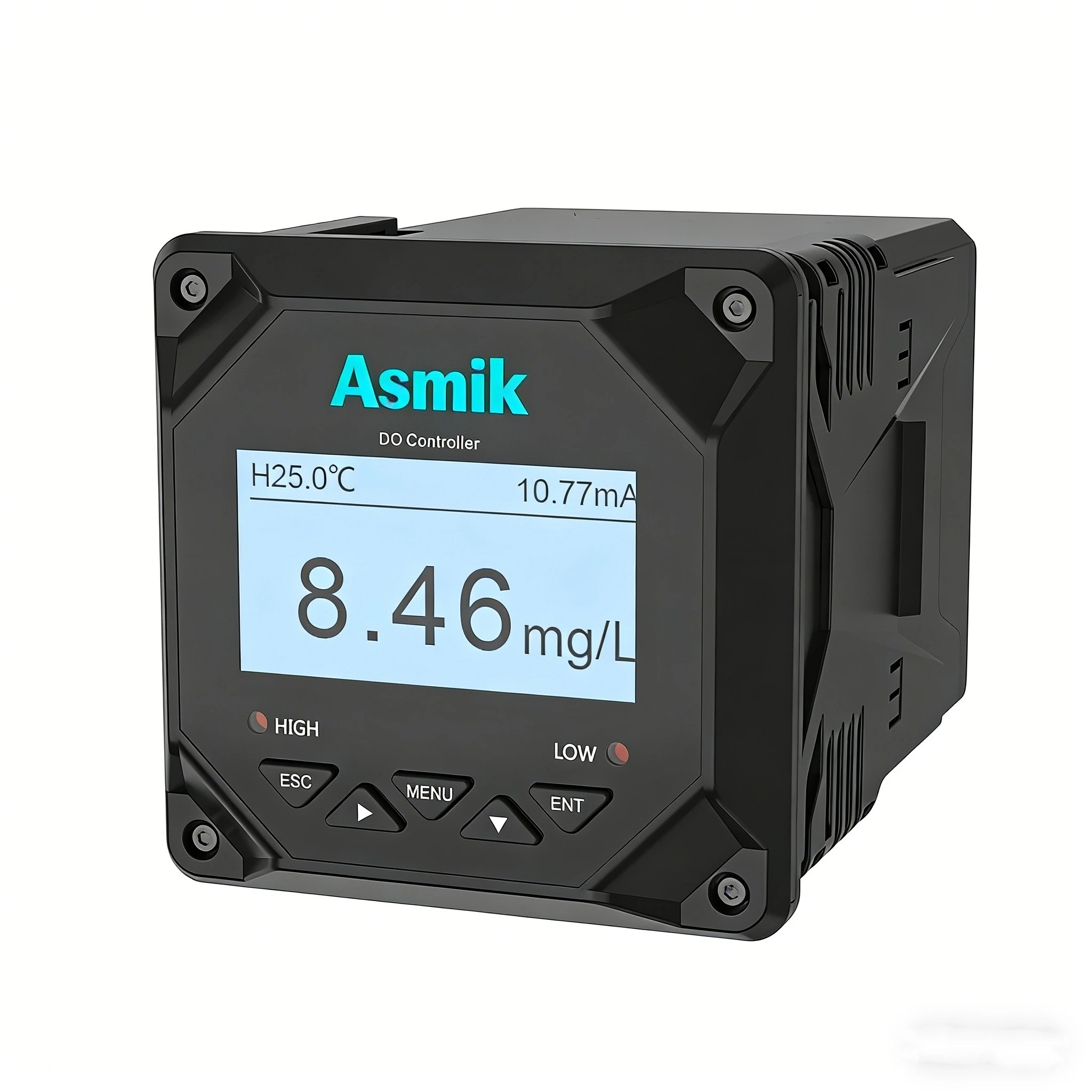
Dissolved Oxygen Sensor And Transmitter

Dissolved Oxygen Sensor And Transmitter: suitable Water, environmental protection, food, pharmaceuticals, chemicals and electricity

Membrane dissolved oxygen meter

MIK-DM2800 Membrane dissolved oxygen meter

MIK-DM2800 Membrane type dissolved oxygen is the measure of oxygen dissolved in an aqueous solution. Polarographic measurement principle, the dissolution value depends on the temperature of the aqueous solution, pressure and salinity in solution. The meter uses a liquid crystal display for measuring ...
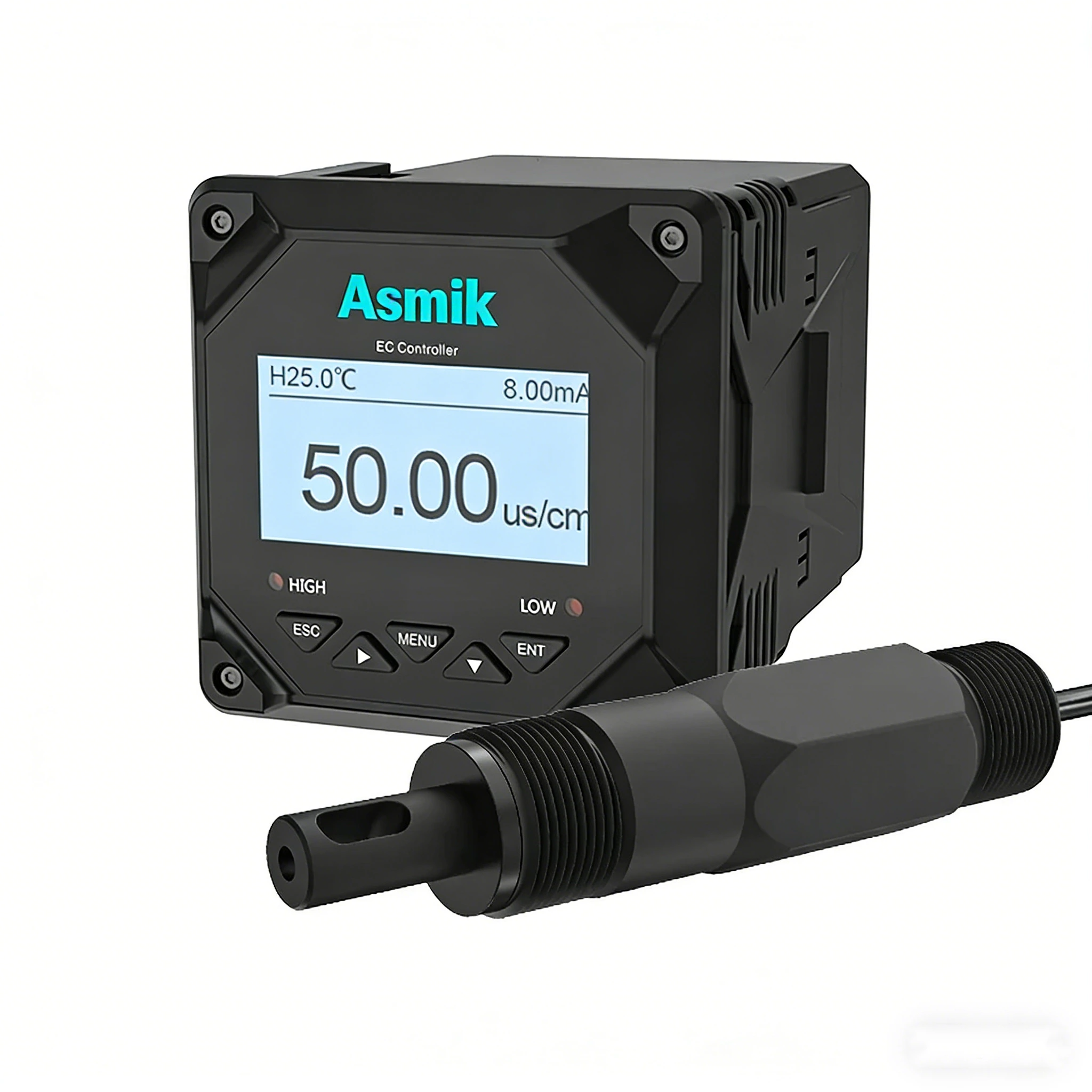
Digital analyzer monitor

MIK-DC2000 Digital analyzer monitor

Specification Product Digital analyzer monitoring Model MIK-DC2000 Dimension 100mm*100mm*150mm Range pH: (0-14)pH ORP: (-2000-2000) mV DO: (0-40) mg/L TDS: (0-600) mS/cm Tur ...
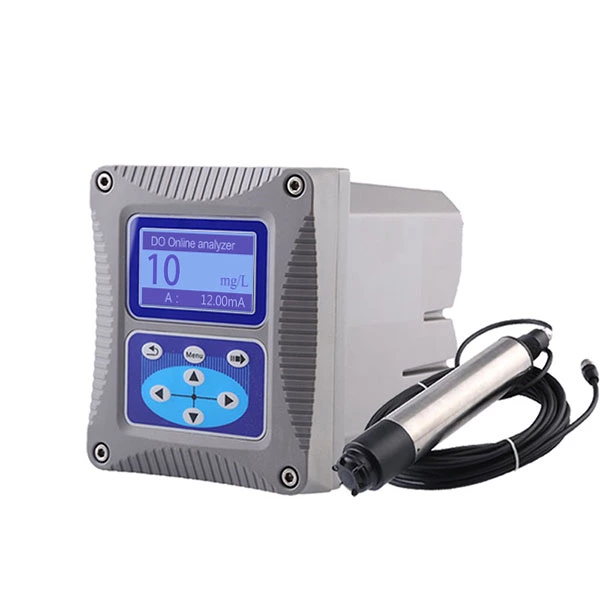
Dissolved Oxygen meter

MIK-DO700 Optical dissolved oxygen meter

MIK-DO700 dissolved Oxygen meter adopts fluorescence method to measure dissolved oxygen.The cap of the sensor is coated with a luminescent material. Blue light from an LED illuminates the luminescent chemical. The luminescent chemical instantly becomes excited and releases red light. The time and in ...
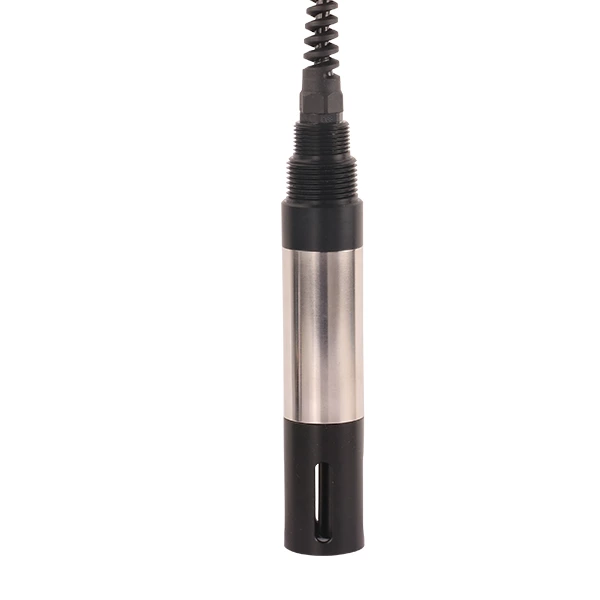
Membrane dissolved oxygen sensor

MIK-DO7011 Membrane dissolved oxygen sensor

MIK-DO7011 Membrane type dissolved oxygen sensor is the measure of oxygen dissolved in an aqueous solution. Polarographic measurement principle, the dissolution value depends on the temperature of the aqueous solution, pressure and salinity in solution. ...
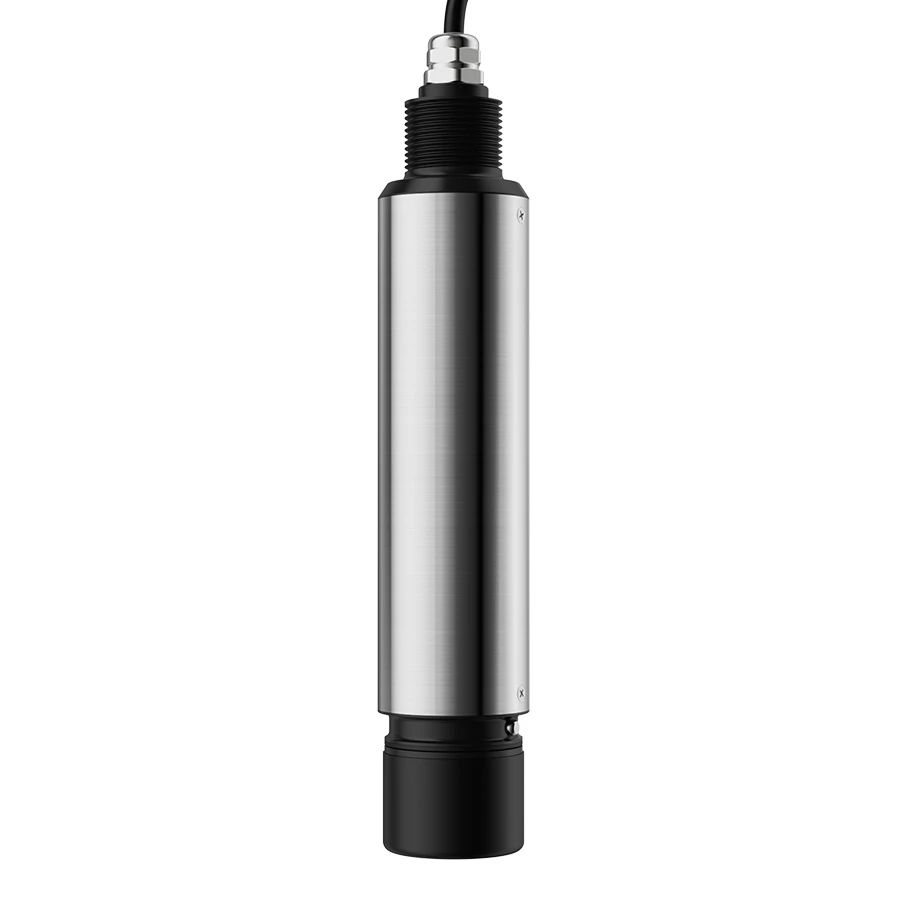
MIK-DO7012 Optical dissolved oxygen sensor

MIK-DO7012 Optical dissolved oxygen sensor

MIK-DO7012 Optical type dissolved oxygen sensor, an intelligent online chemical analyzer. The cap of the sensor is coated with a luminescent material. Blue light from an LED illuminates the luminescent chemical. The luminescent chemical instantly becomes excited and releases red light. The time and ...
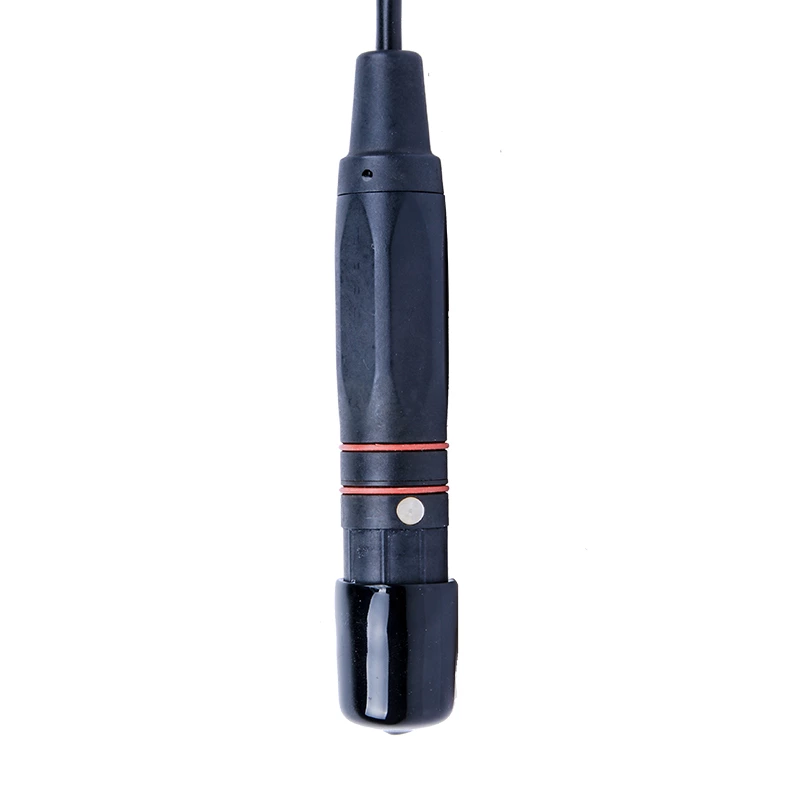
Electrochemical dissolved oxygen sensor

MIK-DO7013 Electrochemical dissolved oxygen sensor

MIK-DO7013 Electrochemical dissolved oxygen sensor is widely used in Aquaculture, water quality testing, informational data collection, IoT water quality testing etc. ...
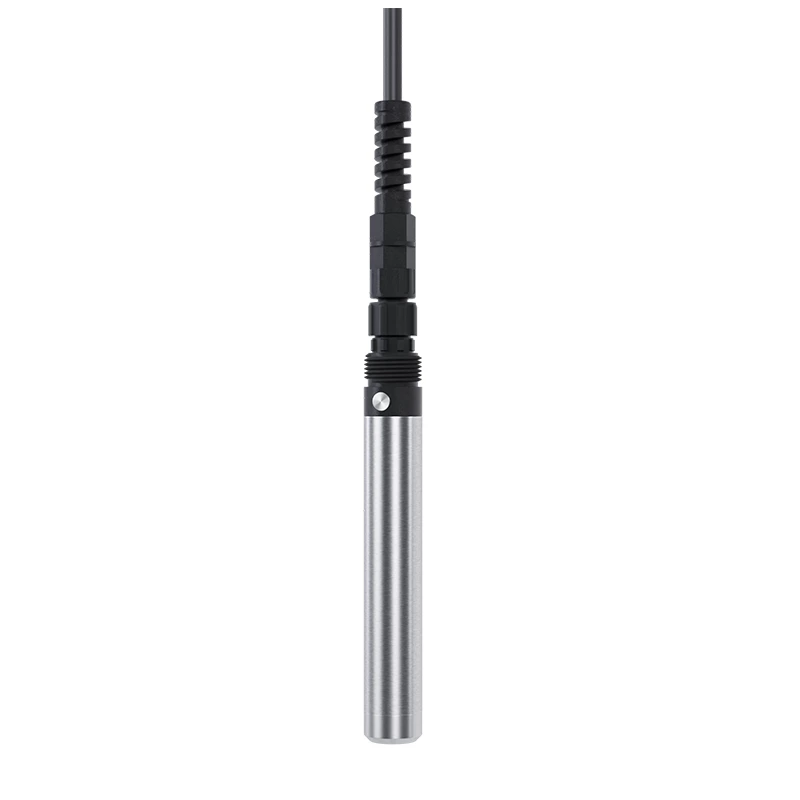
MIK-DO7019 Liquid analyzing meter dissolved oxygen transmitter

MIK-DO7019 Liquid analyzing meter dissolved oxygen transmitter

The fluorescent dissolved oxygen sensor adopts a new generation of fluorescence lifetime technology and self-developed high-performance fluorescent materials. No oxygen consumption, no flow rate limitation, no electrolyte required, no maintenance and calibration, no hydrogen sulfide interference, an ...
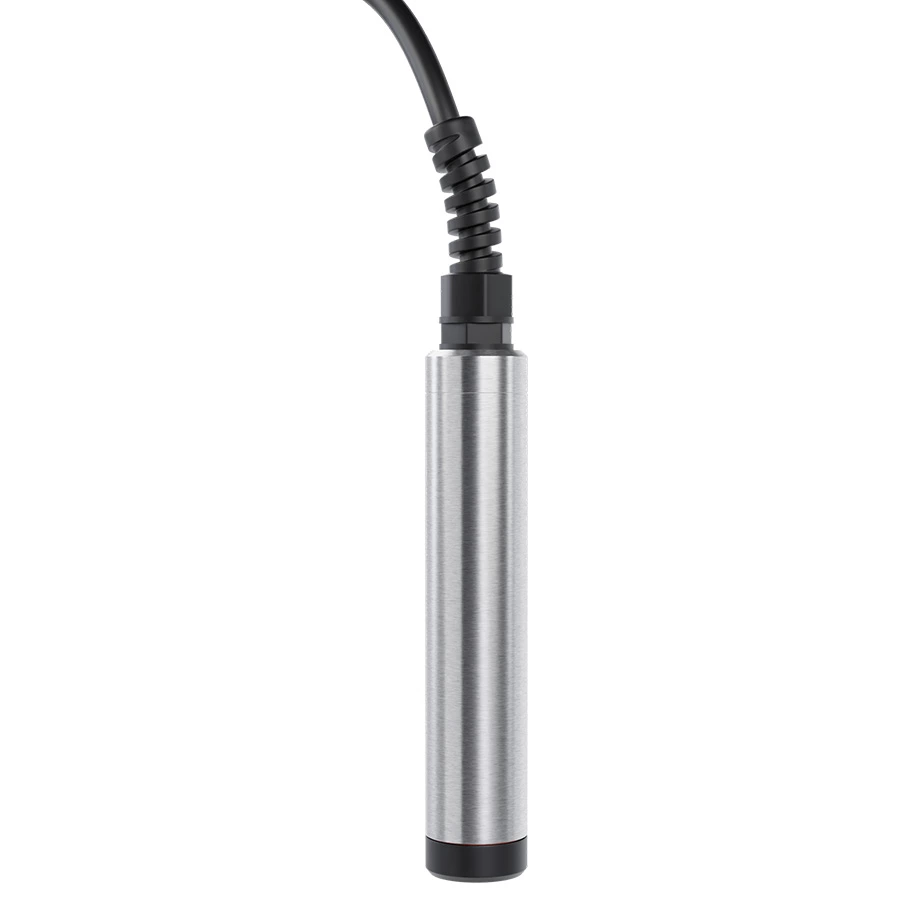
MIK-DO7017 Optical dissolved oxygen sensor

MIK-DO7017 Optical dissolved oxygen sensor

DO7017 Optical dissolved oxygen sensor is widely used in DO on-line monitoring of various technological processes such as regulating pools, biochemical ponds, and effluent in sewage treatment plants; DO on-line monitoring in waterworks, surface water, water in various industrial production proc ...
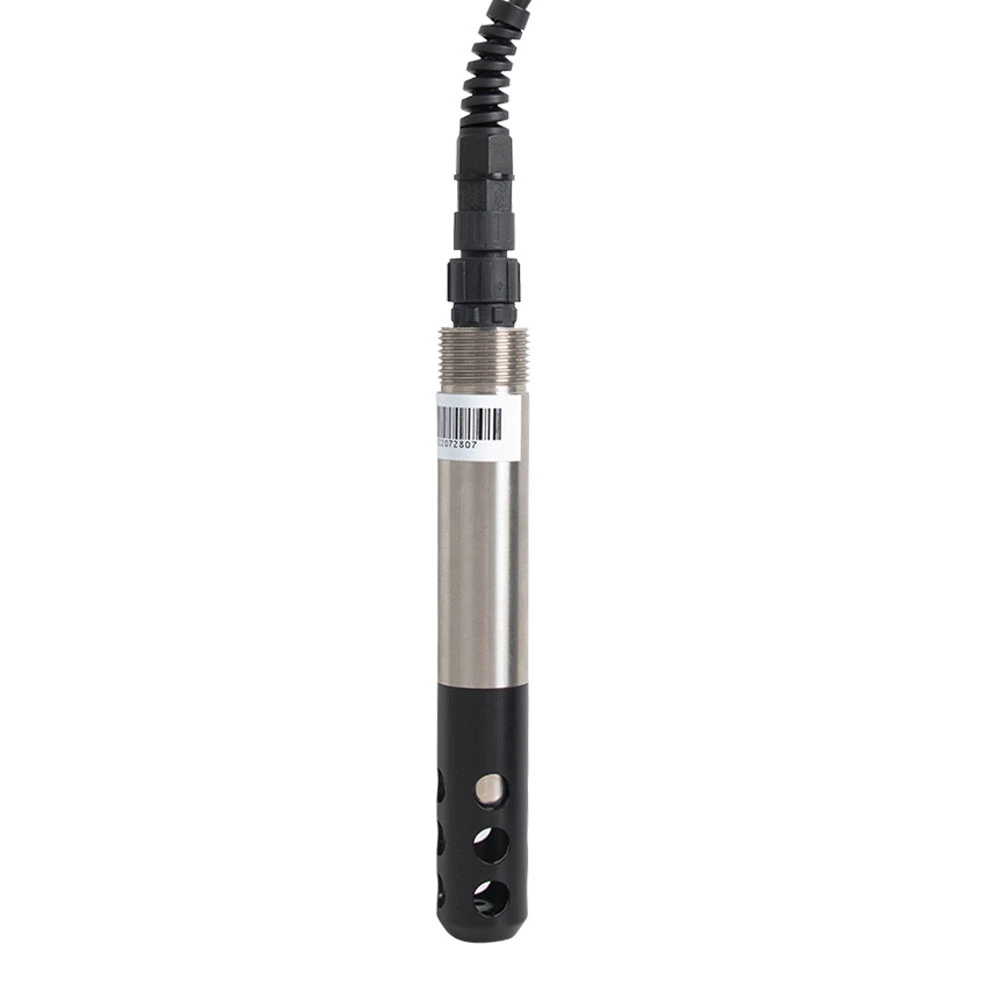
MIK-DO7018 Optical dissolved oxygen sensor

MIK-DO7018 Optical dissolved oxygen sensor

The fluorescent dissolved oxygen sensor adopts a new generation of fluorescence lifetime technology and self-developed high-performance fluorescent materials. No oxygen consumption, no flow rate limitation, no electrolyte required, no maintenance and calibration, no hydrogen sulfide interference, an ...

Dissolved Oxygen Sensor And Transmitter measuring principle

Based on the principle of optical fluorescence lifetime measurement, continuous and stable online monitoring of dissolved oxygen in water is achieved, which is widely used in sewage treatment, water plant process control, aquaculture, environmental monitoring and industrial water quality management.

  • FAQ

1. What is dissolved oxygen, and why measure it?

Dissolved oxygen (DO) is the amount of oxygen dissolved in water. It is a key parameter for biological treatment in sewage plants, water plant process control, aquaculture, environmental monitoring and industrial water quality management.

2. What measuring principles are available?
  • Optical (fluorescence): the sensor cap is coated with a luminescent material. Blue light from an LED excites it, and it emits red light; the time and intensity of the red light depend on the oxygen concentration.
  • Membrane (polarographic): oxygen diffuses through a membrane and is measured electrochemically.
  • Electrochemical: an electrochemical sensor measures the oxygen reaction current.
3. Optical or membrane DO sensor: which should I choose?

Asmik optical sensors using fluorescence lifetime technology consume no oxygen, have no flow rate limitation, need no electrolyte, and are not affected by hydrogen sulfide, which makes them well suited to long-term online monitoring with low maintenance. Membrane (polarographic) sensors are a proven, cost-effective technology but require periodic membrane and electrolyte maintenance. Please send us your application details for a recommendation.

4. Which Asmik DO product should I choose?
  • MIK-DM2800: membrane (polarographic) dissolved oxygen meter with LCD display
  • MIK-DO700: optical (fluorescence) dissolved oxygen meter
  • MIK-DC2000: digital analyzer monitor for multiple water quality parameters, including DO
  • MIK-DO7011: membrane dissolved oxygen sensor
  • MIK-DO7012, MIK-DO7017, MIK-DO7018: optical dissolved oxygen sensors
  • MIK-DO7019: fluorescent dissolved oxygen transmitter
  • MIK-DO7013: electrochemical sensor for aquaculture, water quality testing and IoT monitoring

If you are unsure, send us your application details and our engineers will recommend a model.

5. What factors affect dissolved oxygen readings?

The solubility of oxygen depends on water temperature, pressure and salinity. Asmik DO meters provide automatic temperature compensation; for saline water or high-altitude sites, please tell us the salinity and atmospheric pressure so they can be taken into account.

6. What units and range are used?

Dissolved oxygen is commonly expressed in mg/L (ppm) or as percent saturation (%). For example, the MIK-DC2000 covers a DO range of 0–40 mg/L. Please check each product page for its range.

7. Do optical DO sensors need calibration or maintenance?

Optical sensors greatly reduce maintenance compared with membrane sensors because they need no electrolyte or membrane replacement. Periodic cleaning of the sensor cap and checking the reading against a reference are still recommended, and the fluorescent cap is a wear part. Please follow the manual of your sensor.

8. What maintenance does a membrane DO sensor need?

Membrane sensors generally require periodic replacement of the membrane and electrolyte, cleaning, and recalibration. After installation or maintenance, the sensor typically needs a polarization period before stable readings are available.

9. Is the measurement affected by hydrogen sulfide?

Asmik fluorescent DO sensors, such as the MIK-DO7018 and MIK-DO7019, are designed to be free of hydrogen sulfide interference.

10. Does the sensor need water flow?

Membrane sensors consume oxygen during measurement and generally need a minimum water flow across the membrane for accurate readings. Asmik fluorescent sensors consume no oxygen and have no flow rate limitation.

11. Can DO sensors be used for aeration control in wastewater treatment?

Yes. Online DO monitoring in regulating pools, biochemical (aeration) tanks and effluent is a typical application. The MIK-DO7017 is widely used for these processes, and DO readings can be used to control blowers and save energy.

12. Which DO sensor is suitable for aquaculture?

The MIK-DO7013 electrochemical sensor is widely used in aquaculture, water quality testing and IoT monitoring. Optical sensors are also suitable for long-term aquaculture monitoring with low maintenance.

13. What output and communication options are available?

Asmik DO sensors and transmitters offer good communication compatibility, including Modbus and standard signal outputs. Available outputs depend on the model; please check the product page or tell us your requirements.

14. How should a DO sensor be installed?
  • Immerse the sensor at a representative depth and location.
  • Use a mounting bracket or pipe to keep the sensor stable.
  • Avoid positions directly above aerators, where bubbles hit the sensor.
  • Make sure the sensor can be removed easily for cleaning.
  • For membrane sensors, ensure sufficient water movement across the membrane.

Please follow the installation manual of the selected model.

15. Which industries use DO sensors?

Typical industries include water and wastewater, environmental protection, aquaculture, food, pharmaceuticals, chemicals and power.

16. What information should I provide to get a quotation?

To help us select the correct model, please provide:

  • Application (aeration tank, effluent, surface water, aquaculture, industrial water)
  • DO range and water temperature
  • Salinity and presence of hydrogen sulfide or oils
  • Preferred technology (optical or membrane)
  • Installation method and cable length
  • Output requirements (Modbus, 4–20 mA) and power supply
  • Whether a display controller is required
  • Quantity

Send your requirements to info@asmik.com or contact us via WhatsApp at +86 13325716921.

Benefits

  • Optical/fluorescence measurement technology, oxygen-free
  • Automatic temperature compensation and stable output
  • Good communication compatibility (Modbus, standard signals)
  • Strong adaptability to field environments
  • High accuracy and fast response
  • Low maintenance cost and easy to use

Why Choose Asmik

why
  • Product Diversity: Over 200 products to meet various measurement and control needs, providing one-stop solutions.
  • Stable supply: The factory covers 45,000 ㎡ and is equipped with fully automated production lines, with an annual output of over 600,000 units.
  • Strict quality control: Products have passed multiple certifications such as ISO, CE, and UL, and internal quality control involves 24+ processes.
  • High-quality materials: possess excellent corrosion resistance, wear resistance, and long-term stability.
  • Efficient delivery: Possesses a well-established logistics system, ensuring timely shipments and efficient delivery.
  • Customer-centric: From consultation to after-sales service, we provide excellent professional services to ensure a great working experience.

Industries

Professional industry solutions: With a comprehensive instrumentation system, customized solutions, professional technology and services, we help you meet every challenge.

Need more information?

Contact us for more details about our solutions and services

This site uses cookies

We use cookies to collect information about how you use this site. We use this information to make the website work as well as possible and improve our services.








