Radar Level Transmitter

Radar Level Transmitter: suitable Continuous level measurement in liquids and bulk solids

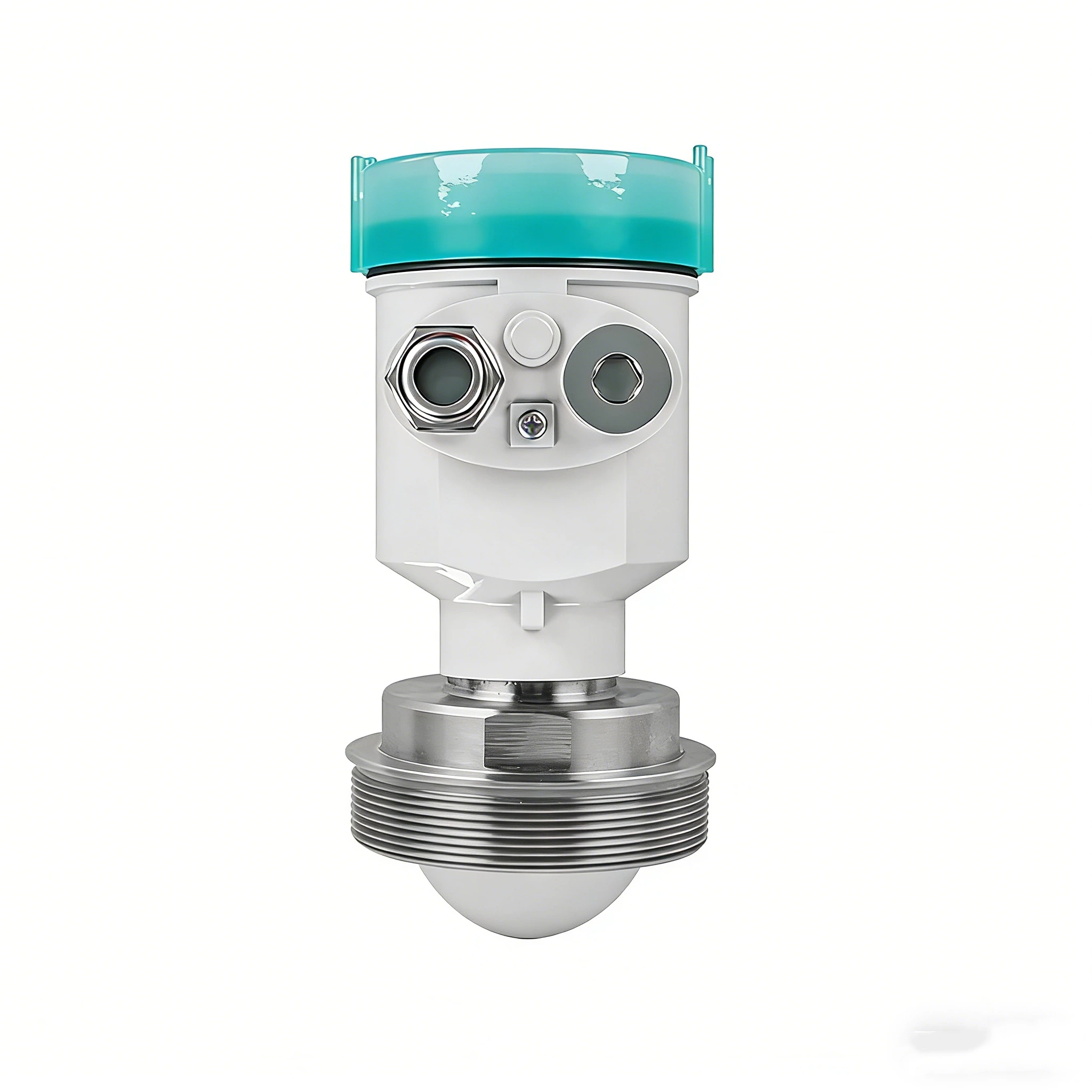
WSR550 76-81GHz Radar level transmitter

WSR550 76-81GHz Radar level transmitter

WSR550 radar level transmitter supports four-wire and two-wire applications, the product has multiple models, the range can reach 60m. Equipped with a 76-81GHz frequency band, the WSR550 provides superior performance in challenging environments where other level measurement technologies may fail. It ...
WSR201 60G Radar level meter

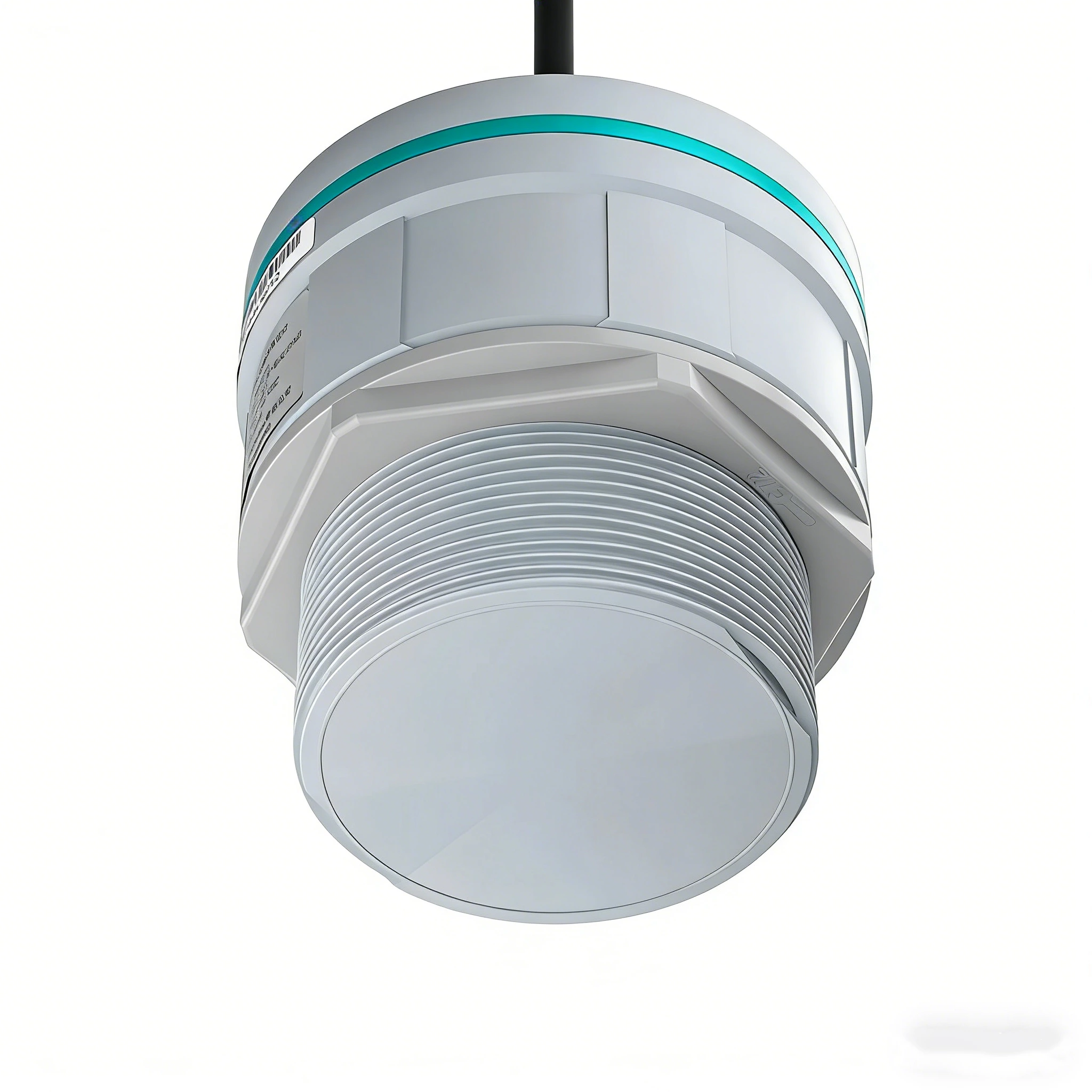
WSR201 60G Radar level meter

The radar level meter has a long detection distance and low beam energy, and can be installed in various metal and non-metal containers or pipelines. It is suitable for occasions where dust, water mist, inert gas and steam exist. The radar level meter has no harm to the human body and the environmen ...
level probing radar

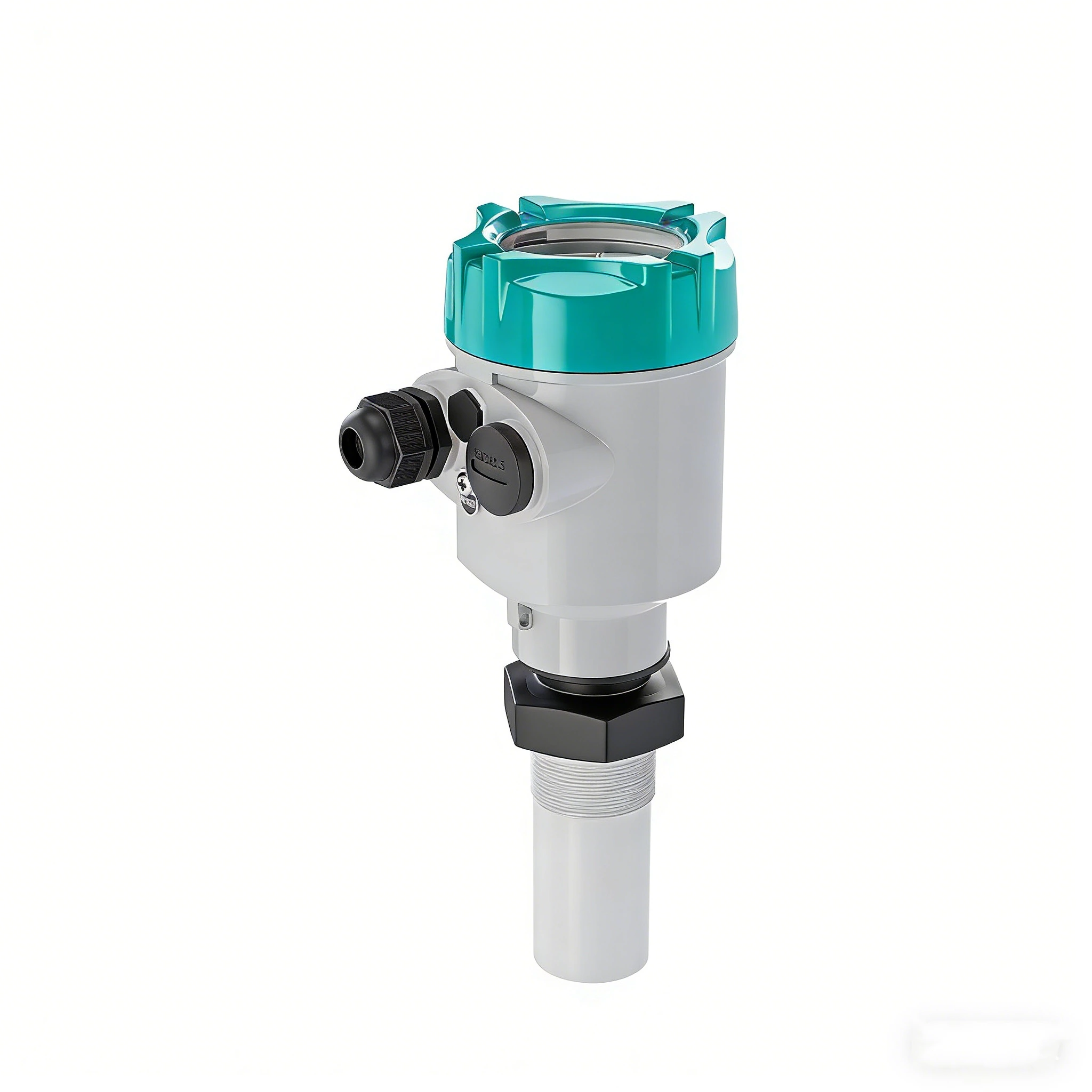
MIK-RD901 Radar level meter for corrosive liquid

MIK-RD901 Non-contact radar with simple commissioning, trouble-free operation saves time and money. PTFE sensor material, for usage in a wide range of applications - be it in simple storage tanks, in corrosive or aggressive media or high accuracy tank gauging applications. ...
Radar level meter PTFE

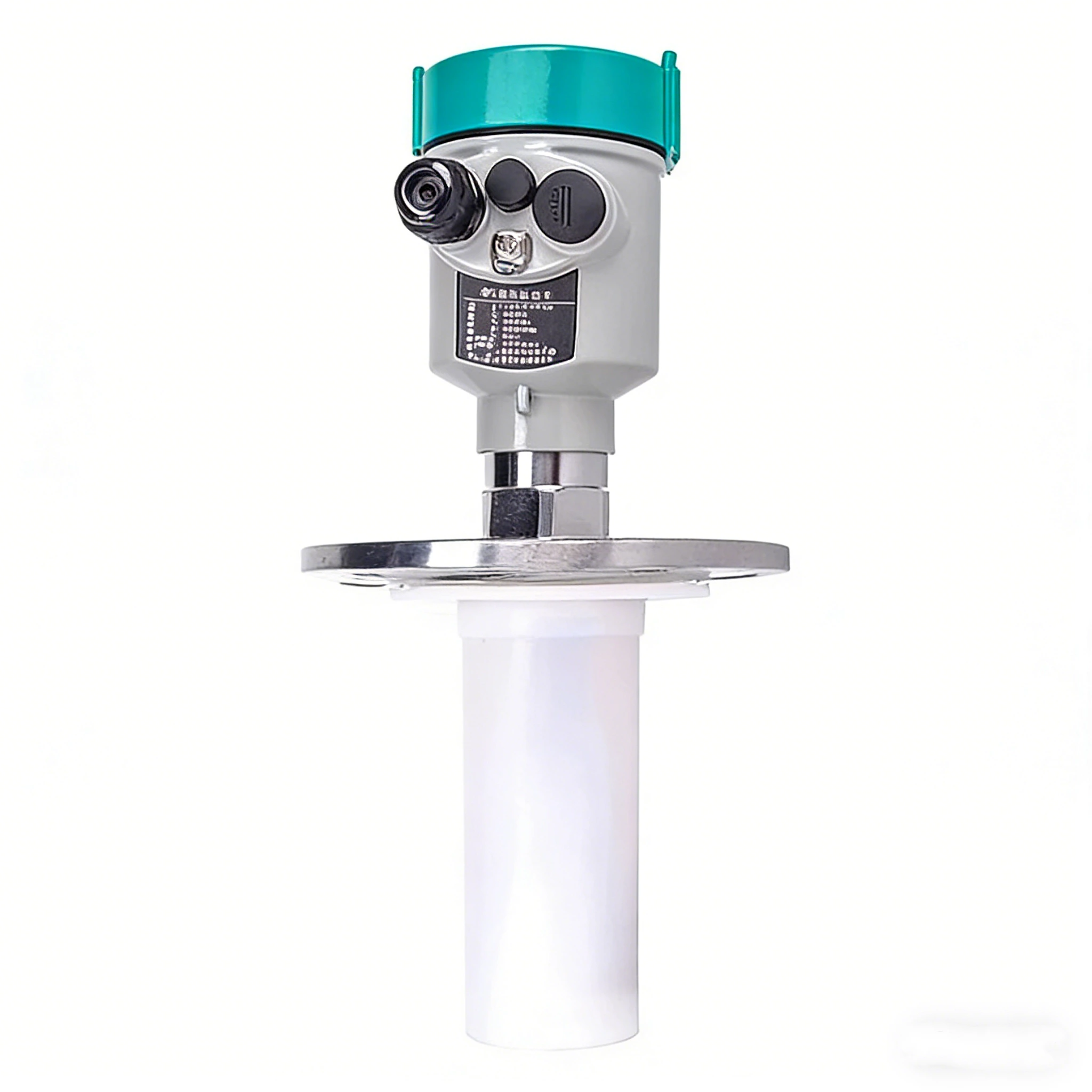
MIK-RD902T 26GHz Radar level meter

MIK-RD902T Non-contact radar with simple commissioning, trouble-free operation saves time and money. PTFE sensor material, for usage in a wide range of applications - be it in simple storage tanks, in corrosive or aggressive media or high accuracy tank gauging applications. ...
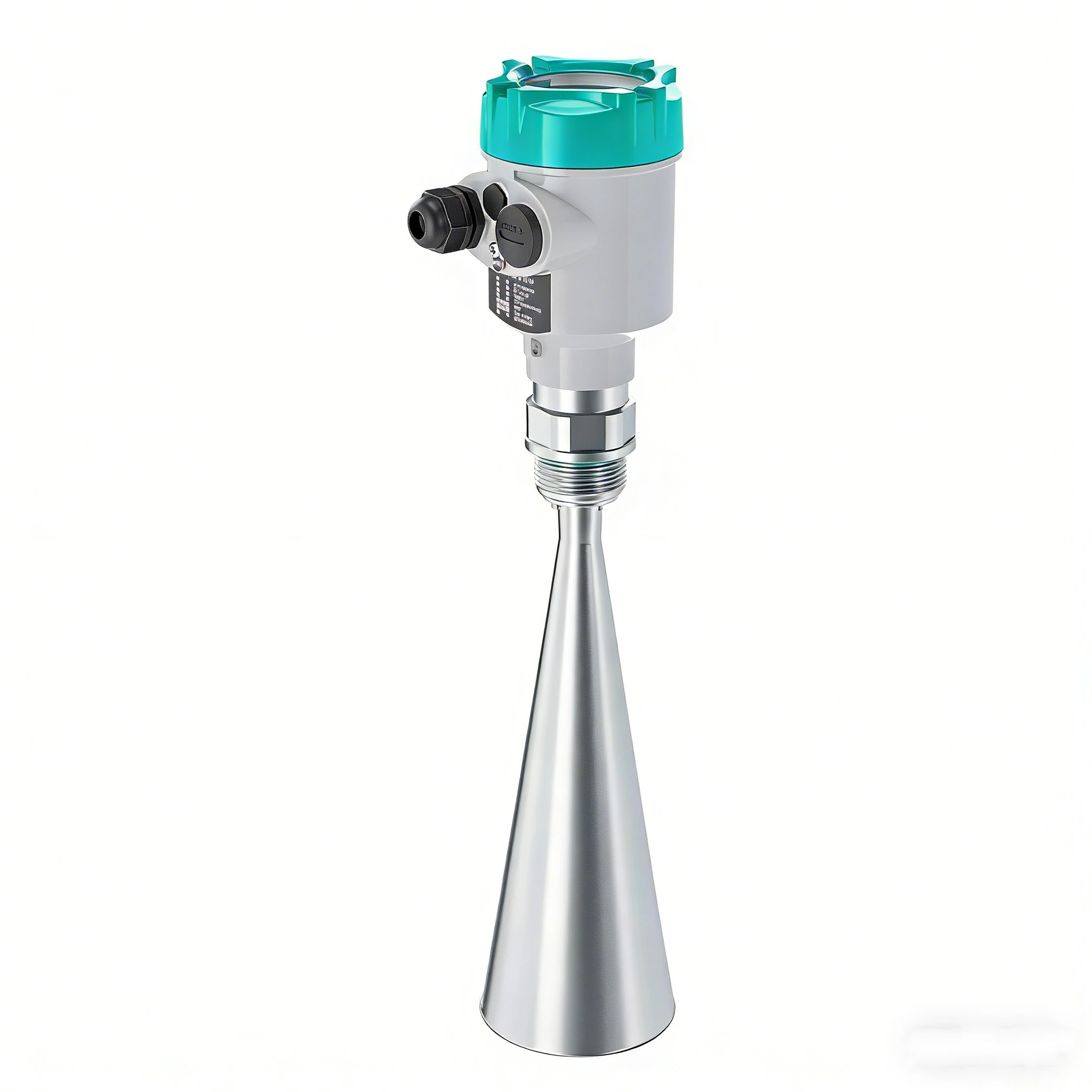
non contact type radar level transmitter

MIK-RD902 26GHz Radar level meter

MIK-RD902 Non-contact radar level meter with simple commissioning, trouble-free operation saves time and money. For usage in a wide range of applications - be it in simple storage tanks, in corrosive or aggressive media or high accuracy tank gauging applications. ...
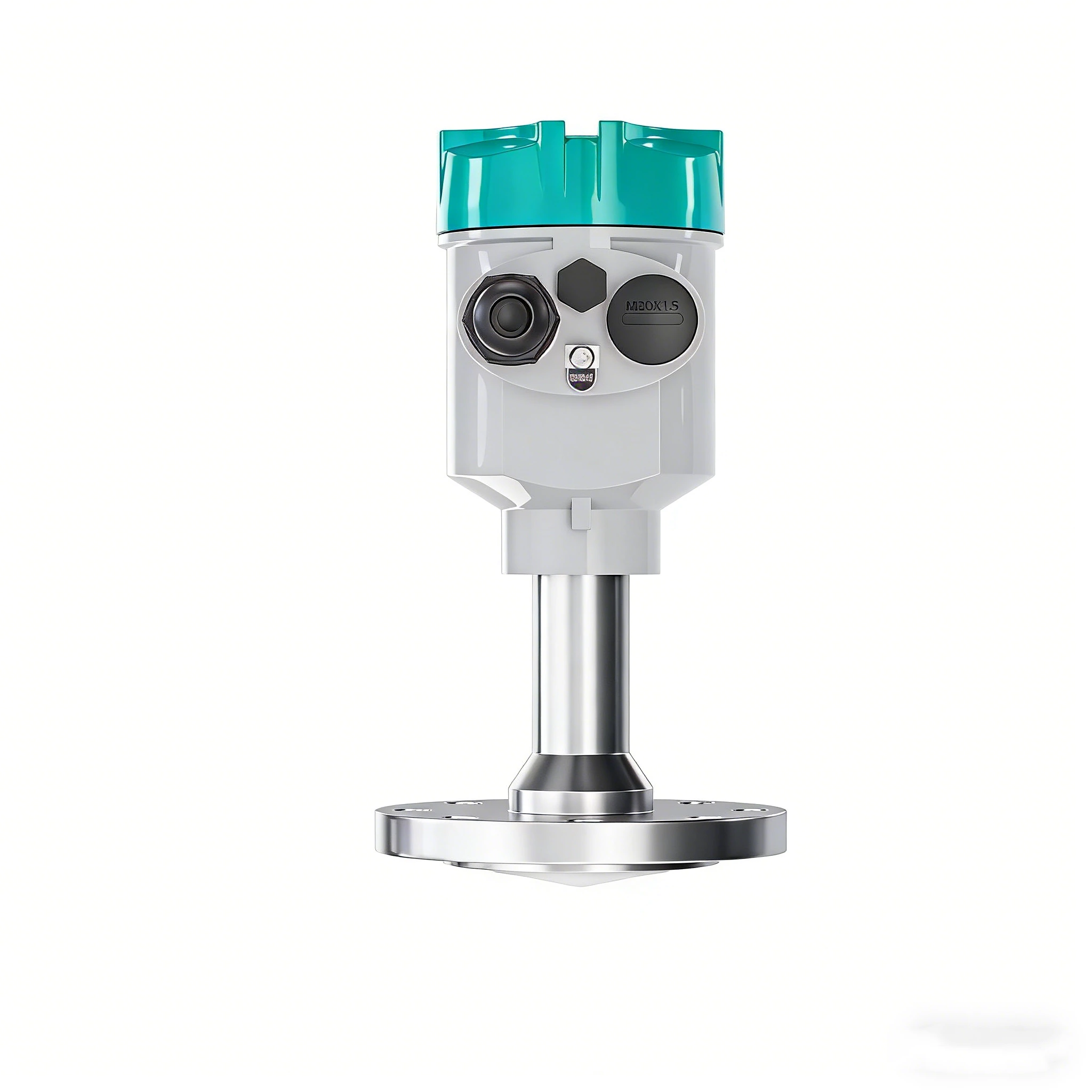
radar and ultrasonic level measurement

MIK-RD906 26GHz Tank radar level meter

MIK-RD906 26GHz Tank radar level meter with high frequency, measurement of solid and low dielectric constant of the best choice. ...
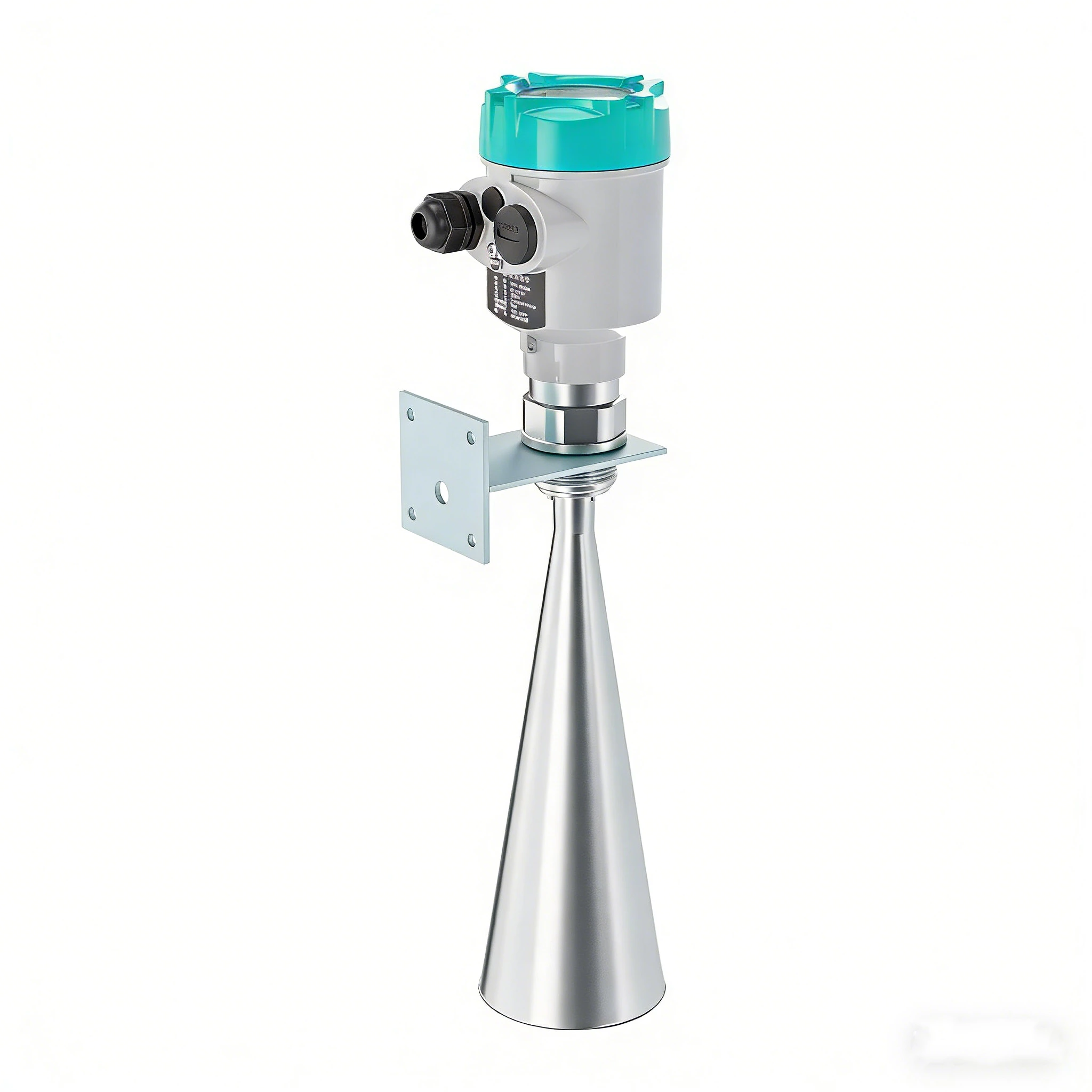
radar tank level sensor

MIK-RD909 70 meters Radar level meter

MIK-RD909 Radar level meter adopts a recommended industry emission frequency of 26GHz, so it has beam angle is small, concentrated energy, has stronger anti-interference ability and greatly improves the precision and reliability of measurement. The measurement range of up to 70 meters, covering a la ...
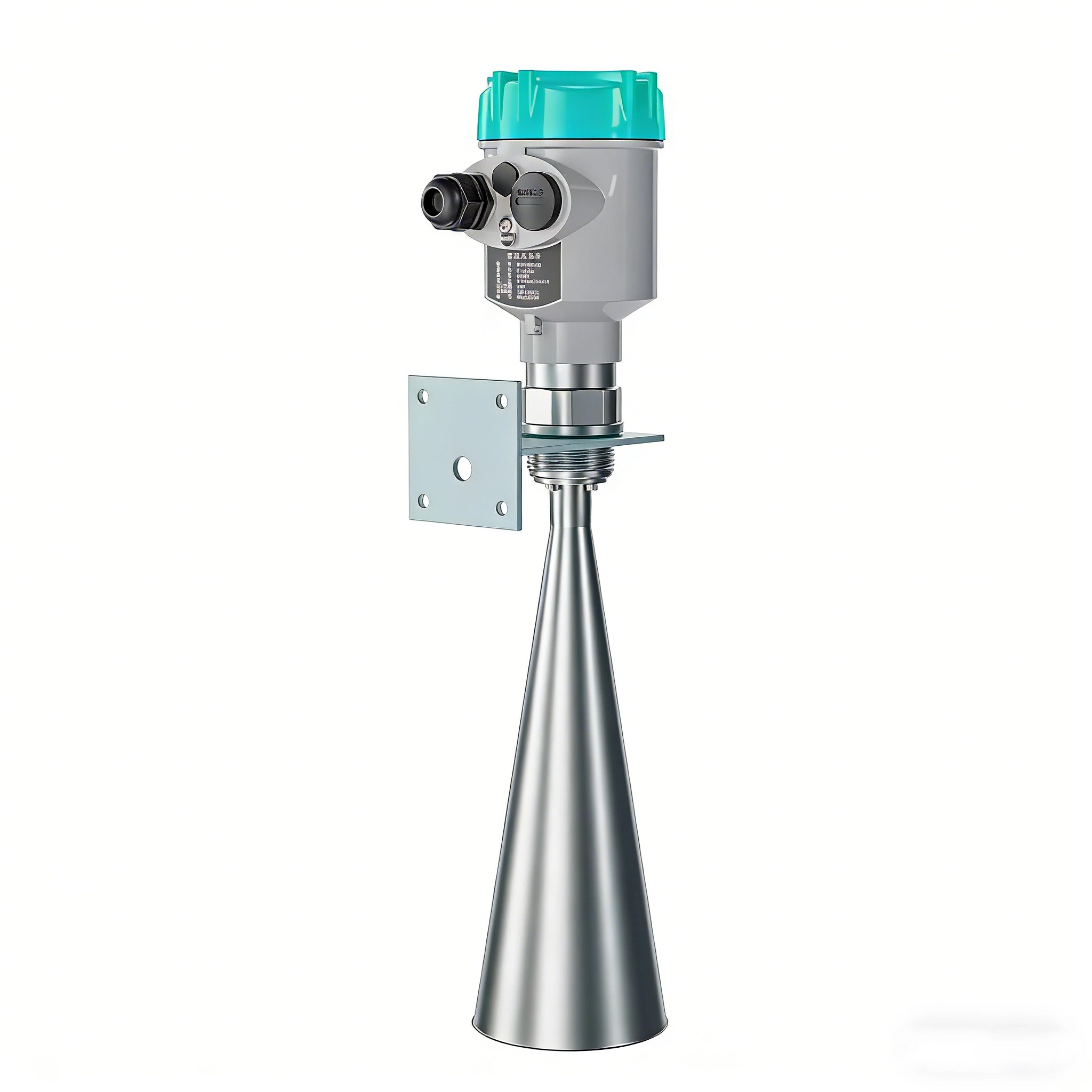
Radar level meter for river

MIK-RD908 Radar level meter for river

MIK-RD908 Radar level meter with top-down installation of a Micropilot sensor offers perfect application fit in all industries. Non-contact radar with simple commissioning, trouble-free operation saves time and money. For usage in a wide range of applications - be it in simple storage tanks, in corr ...
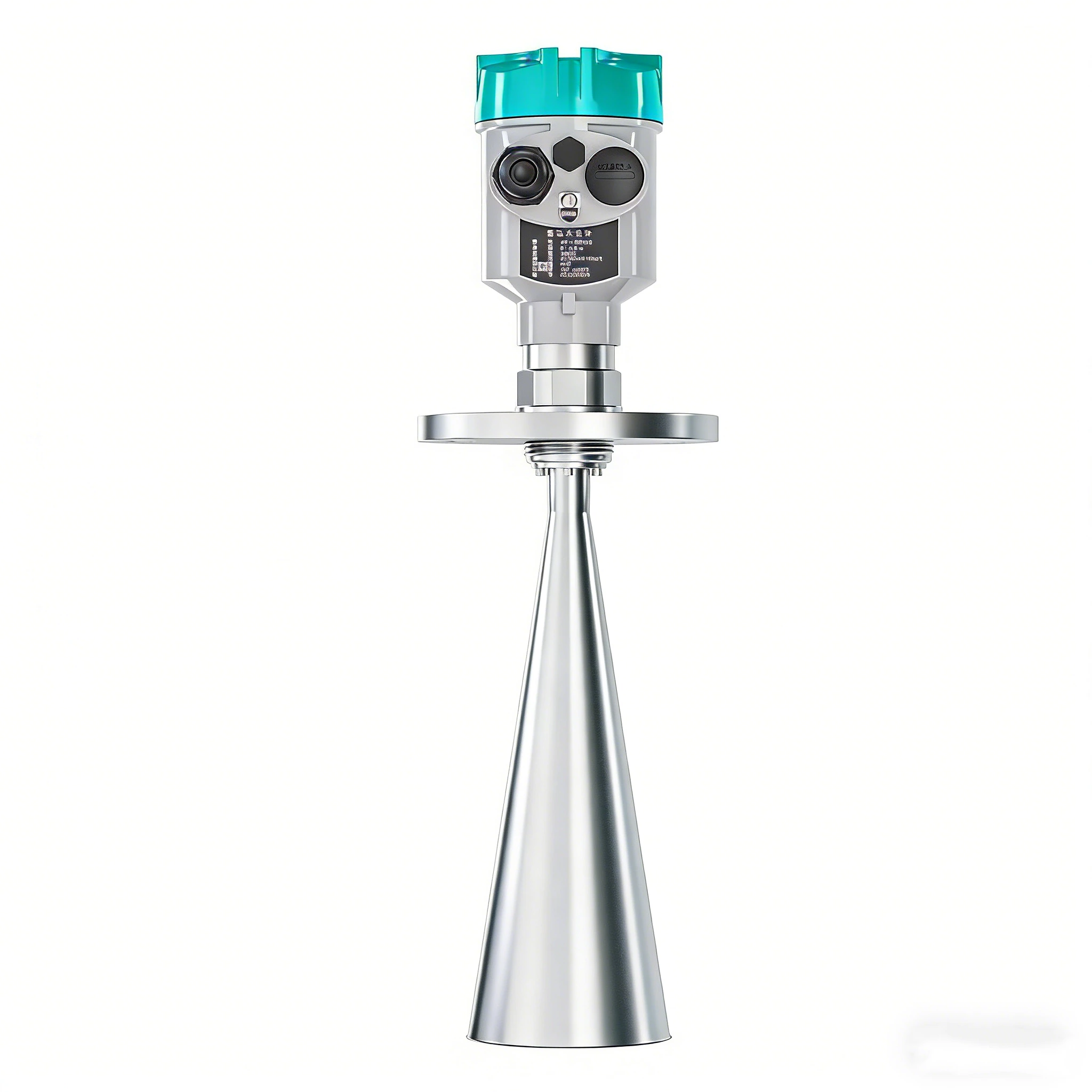
SUP-RD905 radar level transmitter

MIK-RD905 Solid material radar level meter

MIK-RD905 Radar level meter with high frequency, measurement of Solid particles, powder constant of the best choice. ...
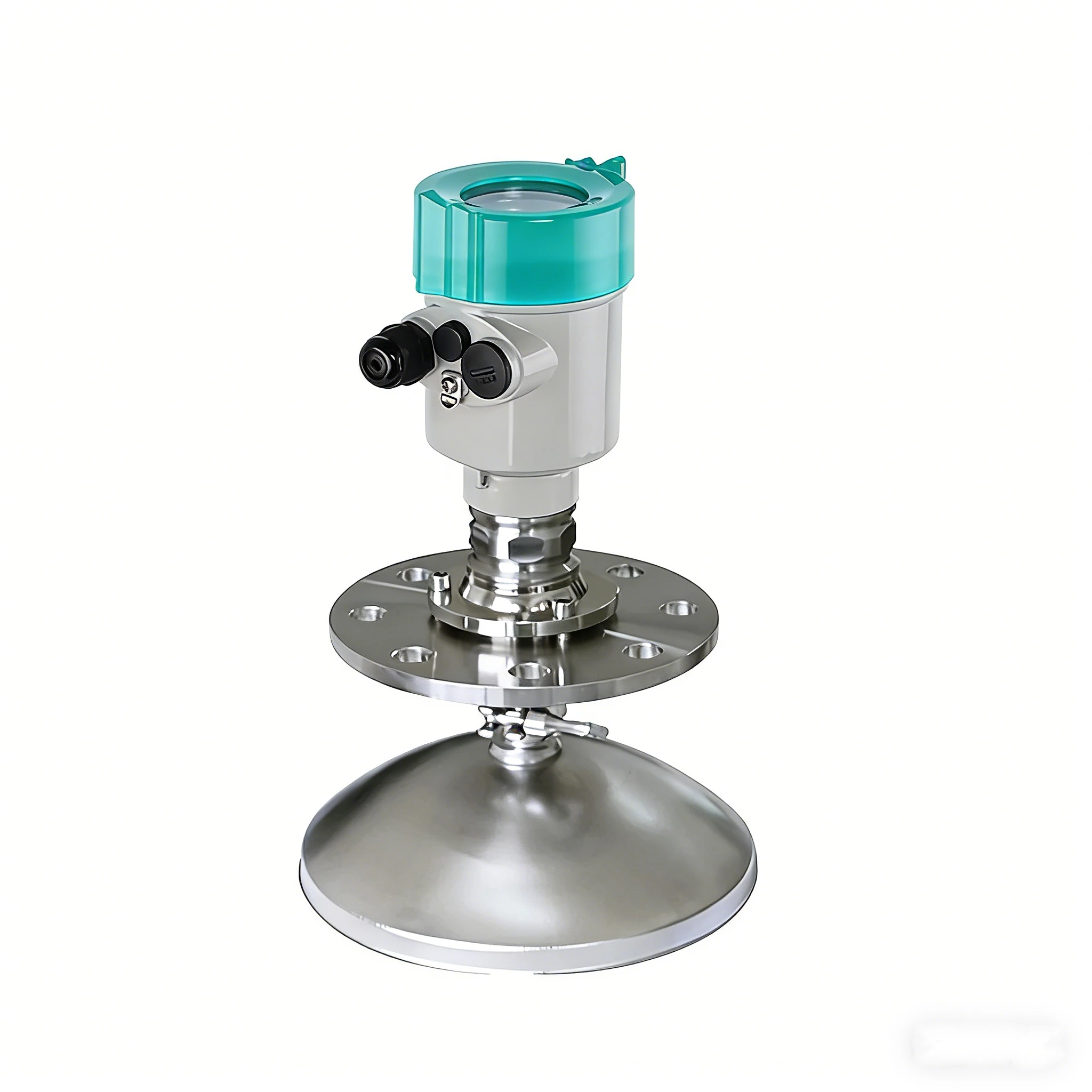
radar level meter

MIK-RD904 Solid material radar level meter

MIK-RD904 Solid material Radar level meter with high frequency, measurement of solid and low dielectric constant of the best choice. ...
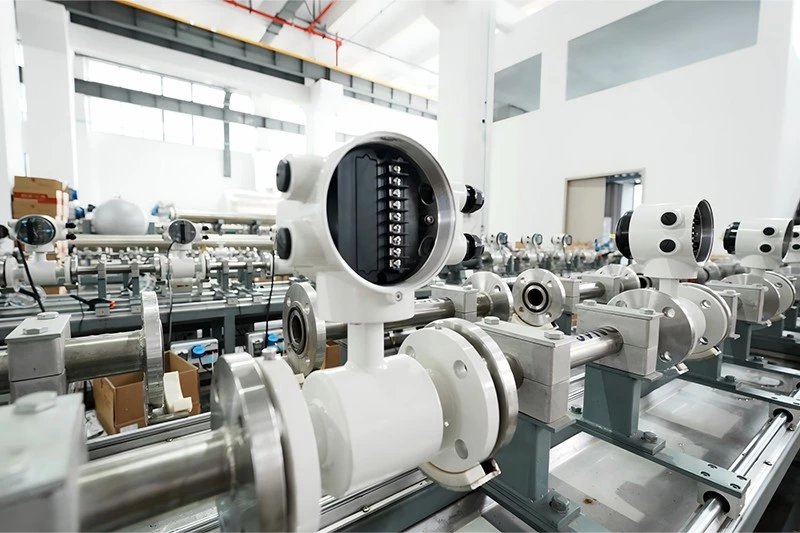

Radar Level Transmitter  measuring principle

Its high operating frequency and short wavelength make it particularly suitable for solid-state applications. Its operation, which involves emitting and receiving electromagnetic waves through a lens, offers unique advantages in high-dust and high-temperature (+150 ℃) environments.

  • FAQ

1. What is a radar level transmitter?

A radar level transmitter measures level without contacting the medium. It sends microwave signals toward the product surface and evaluates the reflected signal to determine the distance and level. It is used for continuous level measurement of liquids, solids and slurries.

2. How does radar level measurement work?

The transmitter emits electromagnetic (microwave) signals through an antenna or lens. The signal is reflected by the product surface and received again, and the transmitter calculates the distance from the travel time and converts it into level. High operating frequencies and short wavelengths are particularly suitable for solids, and offer advantages in high-dust and high-temperature (+150 °C) environments.

3. What are the advantages of radar level transmitters?
  • Non-contact and maintenance-free measurement
  • Precise measurement and reading
  • Adjustable analog output range
  • Customizable serial port data format
  • Data backup and recovery
4. What is the difference between non-contact radar and guided wave radar?

A non-contact radar transmits microwaves through the vapour space to the product surface. A guided wave radar conducts microwave pulses along a cable or rod probe, which is in contact with the medium, and the pulses are reflected by the product surface. Guided wave radar is generally chosen for media with low dielectric constant, foam, or narrow vessels. See the MIK-RD701 and MIK-RD702 guided wave models.

5. Which Asmik radar level transmitter should I choose?

If you are unsure, send us your application details and our engineers will recommend a model.

6. Can radar measure solids as well as liquids?

Yes. Radar level transmitters are used for liquids, solids and slurries. For powders and granular solids, a higher frequency with a narrow beam is generally preferred; see the MIK-RD903, MIK-RD904, MIK-RD905 and MIK-RD906 models.

7. What does the dielectric constant of the medium mean for radar?

The dielectric constant determines how strongly the medium reflects microwaves. Media with a low dielectric constant, such as some plastics, powders and hydrocarbons, reflect less energy, so a higher frequency, a larger antenna or guided wave radar may be needed. Please tell us the medium so we can confirm a suitable model.

8. Does dust, vapour or foam affect radar measurement?

Radar is generally less affected by dust, water mist, inert gas and steam than ultrasonic measurement, and high-frequency models are designed for these conditions. Heavy foam and strong condensation can still weaken the signal, in which case guided wave radar may be more suitable. Please describe your process conditions.

9. What frequency should I choose: 26 GHz, 60 GHz or 80 GHz?

A higher frequency gives a narrower beam and better focusing, which helps in vessels with internal obstructions and with solids and low-reflection media. 26 GHz models such as the MIK-RD902 and MIK-RD909 cover many standard applications, while the 60 GHz WSR201 and 76–81 GHz WSR550 are used where a narrow beam or higher performance is needed.

10. What measuring range is available?

The range depends on the model: the WSR550 covers up to 60 m and the MIK-RD909 up to 70 m. Please check the product page or tell us your vessel height.

11. Are two-wire and four-wire versions available?

Yes. The WSR550 supports both two-wire and four-wire applications and is available in several models. Please tell us your power and output requirements.

12. Is radar safe for people and the environment?

Yes. Radar level meters use low beam energy and are stated to be harmless to the human body and the environment, and they can be installed in metal and non-metal containers or pipelines.

13. Which model is suitable for corrosive media?

The MIK-RD901, MIK-RD902T and MIK-RD702 use PTFE sensor or antenna materials for corrosive and aggressive media. Please send us your medium and concentration for confirmation.

14. Which model is suitable for high temperature or high pressure?

The MIK-RD902S is intended for high temperature and high pressure applications. Please tell us your process temperature and pressure so we can confirm the configuration.

15. Can radar be used for rivers and open channels?

Yes. The MIK-RD908 is designed for river level measurement with top-down installation. Please tell us your bridge or bank mounting conditions and measuring range.

16. Radar, ultrasonic or hydrostatic: which should I choose?
  • Radar: non-contact, less affected by vapour, dust, temperature and pressure; suitable for demanding process conditions and solids.
  • Ultrasonic: non-contact and cost-effective for many liquids and solids in vented vessels; more affected by foam, vapour and dust.
  • Hydrostatic: contact measurement based on liquid pressure; not affected by surface conditions or vapour.
17. What should I consider when installing a radar level transmitter?
  • Mount the antenna perpendicular to the product surface.
  • Keep the maximum level below the blind zone of the selected model.
  • Avoid inlets, agitators, ladders and other obstructions in the beam path.
  • Keep a suitable distance from the vessel wall.
  • For solids, aim the antenna at the material surface, considering the angle of repose.

Please follow the installation manual of the selected model.

18. How much maintenance does a radar level transmitter need?

Radar measurement is non-contact and virtually maintenance-free, since nothing moves and nothing is immersed. For media that build up on the antenna, periodic inspection and cleaning is recommended.

19. Which industries use radar level transmitters?

Typical industries include water and wastewater, chemical, oil and gas, food and beverage, pulp and paper, mining, energy storage and cooling, and HVAC.

20. What information should I provide to get a quotation?

To help us select the correct model, please provide:

  • Medium (liquid, slurry or solid) and its dielectric constant if known
  • Measuring range and vessel or channel dimensions
  • Process temperature and pressure
  • Process conditions: dust, vapour, foam, condensation, corrosion
  • Mounting connection and vessel internals
  • Output and power requirements (two-wire or four-wire)
  • Hazardous area requirements (if any) and quantity

Send your requirements to info@asmik.com or contact us via WhatsApp at +86 13325716921.

Benefits

  • Extremely precise measurement and reading capabilities
  • Can be used for data backup and recovery
  • Adjustable analog output range
  • Customizable serial port data format
  • Non-contact, maintenance-free measurement

Why Choose Asmik

why
  • Product Diversity: Over 200 products to meet various measurement and control needs, providing one-stop solutions.
  • Stable supply: The factory covers 45,000 ㎡ and is equipped with fully automated production lines, with an annual output of over 600,000 units.
  • Strict quality control: Products have passed multiple certifications such as ISO, CE, and UL, and internal quality control involves 24+ processes.
  • High-quality materials: possess excellent corrosion resistance, wear resistance, and long-term stability.
  • Efficient delivery: Possesses a well-established logistics system, ensuring timely shipments and efficient delivery.
  • Customer-centric: From consultation to after-sales service, we provide excellent professional services to ensure a great working experience.

Industries

Professional industry solutions: With a comprehensive instrumentation system, customized solutions, professional technology and services, we help you meet every challenge.

Need more information?

Contact us for more details about our solutions and services

This site uses cookies

We use cookies to collect information about how you use this site. We use this information to make the website work as well as possible and improve our services.








