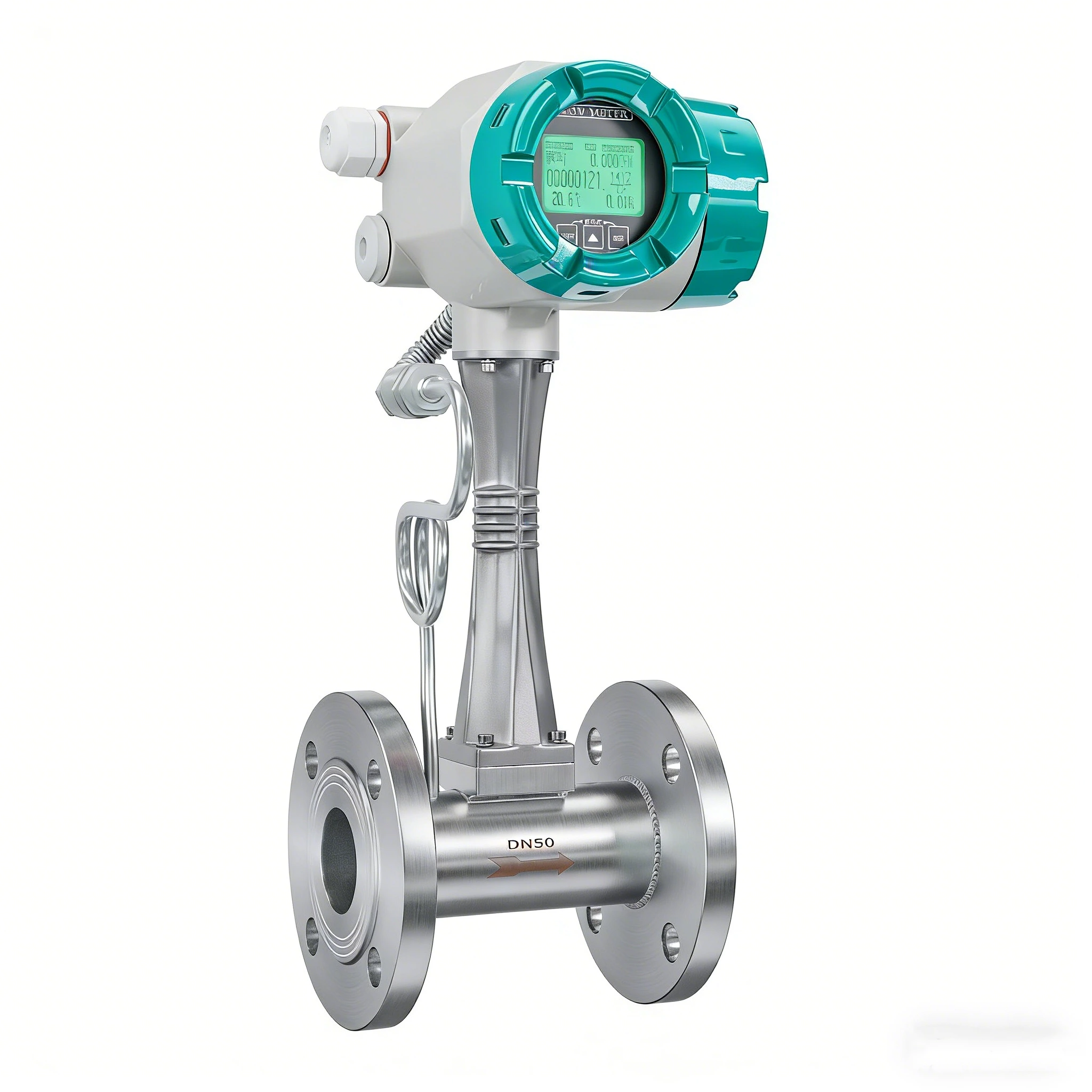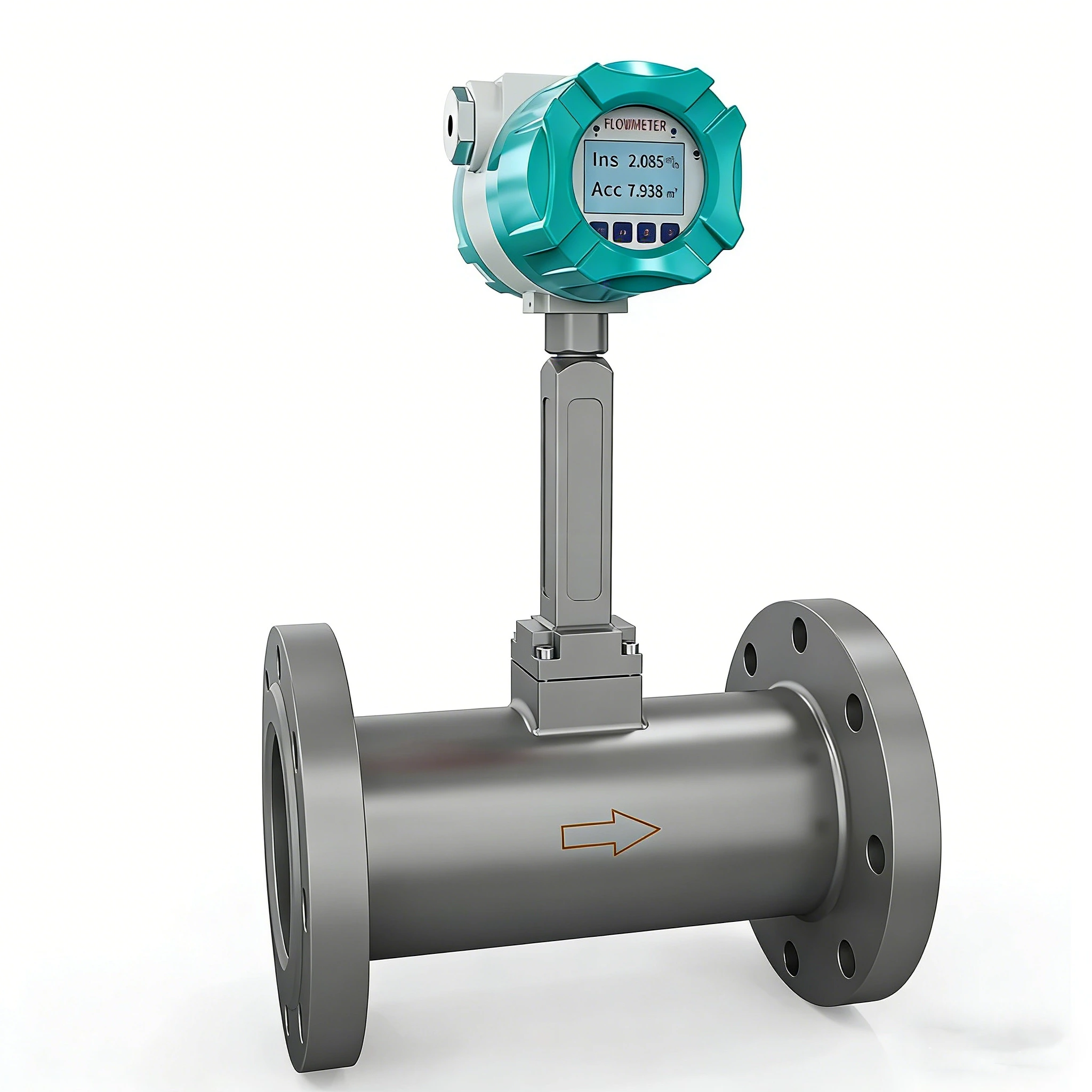
Vortex Flowmeter

Vortex Flowmeter: suitable for steam, compressed air, nitrogen, and other gases

vortex steam flowmeter

MIK-LUGB Vortex flowmeter without temperature & pressure compensation

MIK-LUGB Vortex flowmeter work on the principle of generated vortex and relation between vortex and flow by theory of Karman and Strouhal, which specialize in measurement of steam, gas and liquid of lower viscosity.   ...
SUP-LUGB-A vortex flowmeter

MIK-LUGB Vortex flowmeter with temperature & pressure compensation

MIK-LUGB Vortex flowmeter work on the principle of generated vortex and relation between vortex and flow by theory of Karman and Strouhal, which specialize in measurement of steam, gas and liquid of lower viscosity. ...
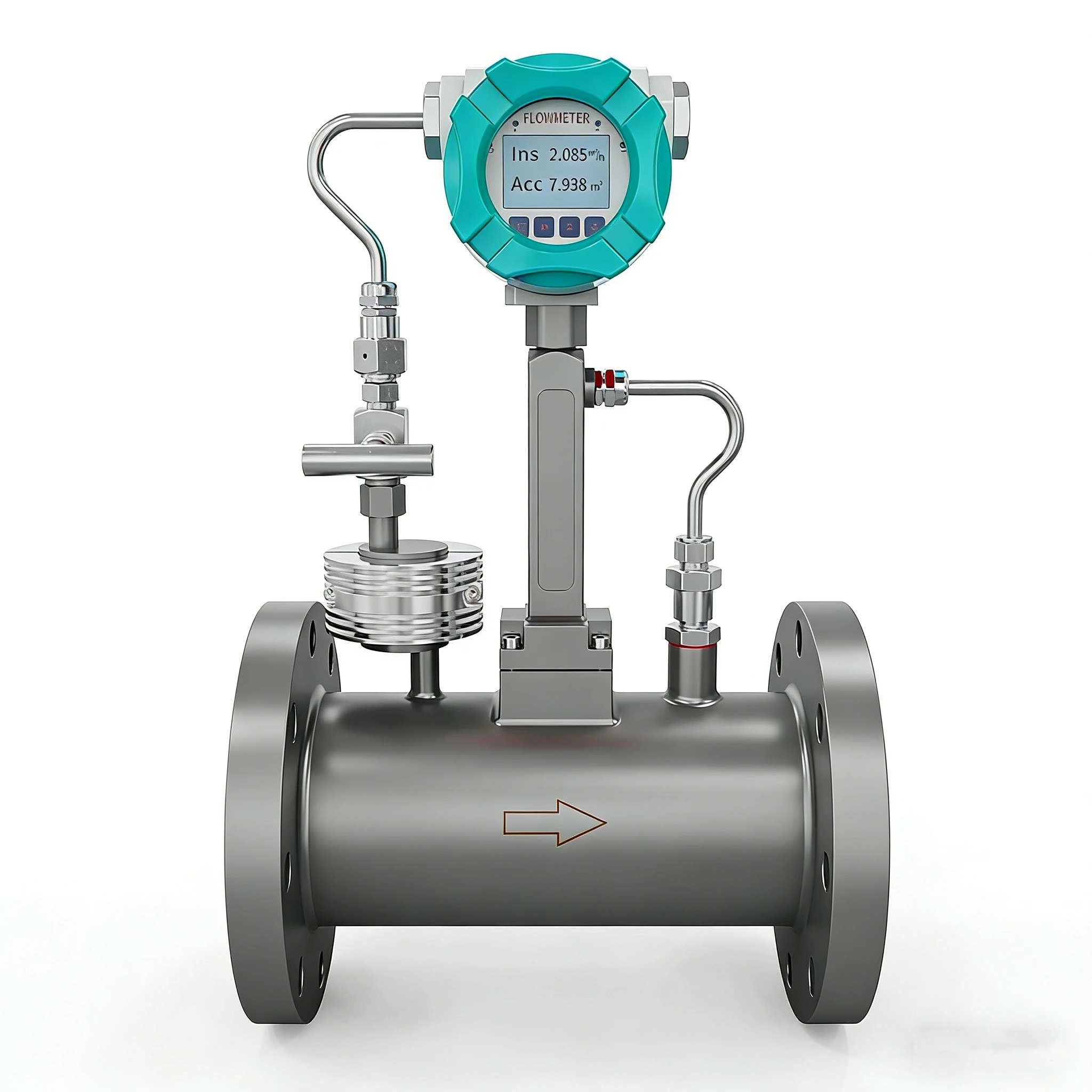
wafer installation vortex flowmeter

MIK-LUGB Vortex flowmeter wafer installation

MIK-LUGB Vortex flowmeter work on the principle of generated vortex and relation between vortex and flow by theory of Karman and Strouhal, which specialize in measurement of steam, gas and liquid of lower viscosity. ...
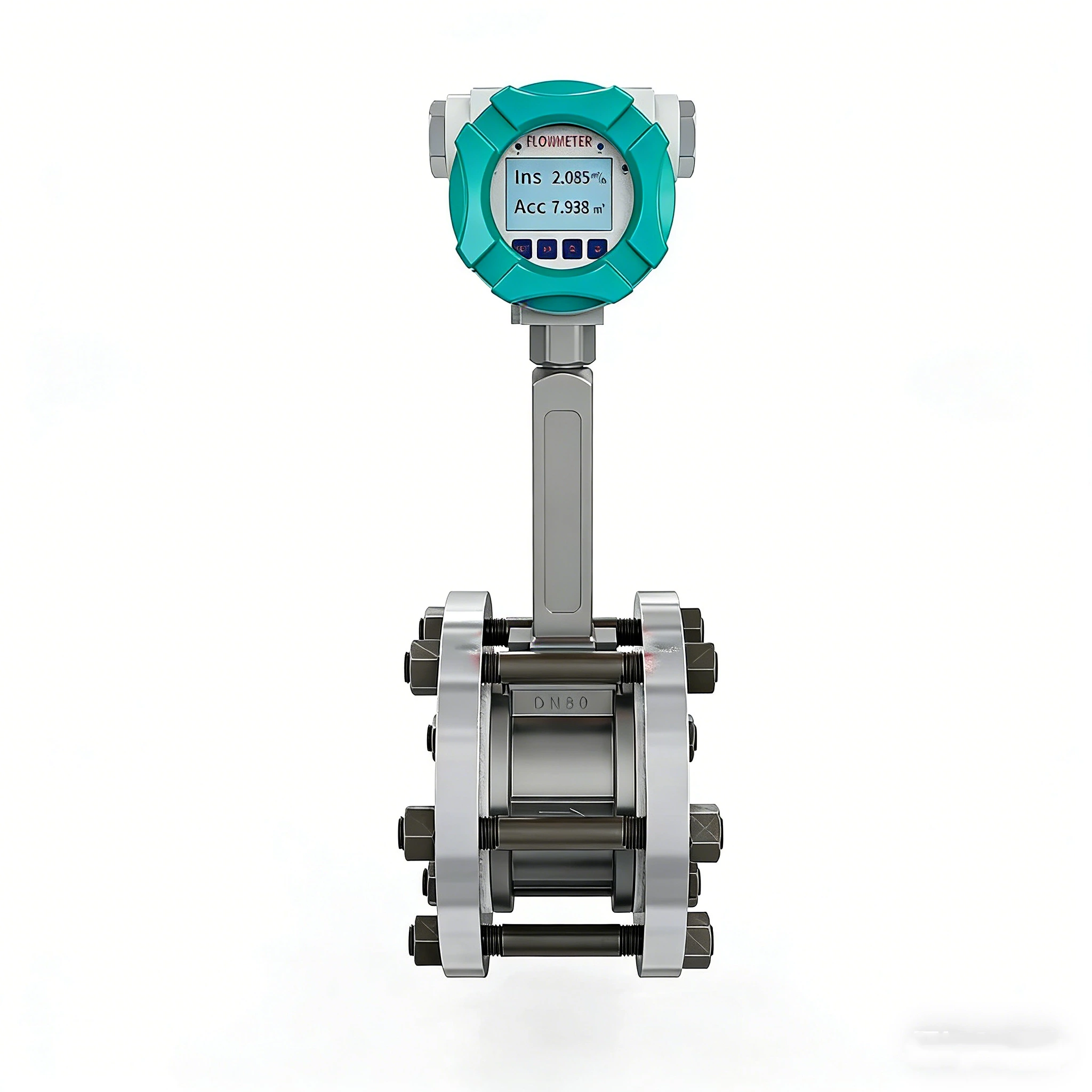
MIK-LUGB-C Intelligent anti-vibration vortex flowmeter

MIK-LUGB-C Intelligent anti-vibration vortex flowmeter

The MIK-LUGB-C vortex flow meter is a kind of velocity flow meter, which is designed based on the research and design of the Karman vortex principle. It is mainly used for flow measurement of medium fluid in industrial pipelines, such as gas, steam, or liquid, and other media. Flow control and meter ...
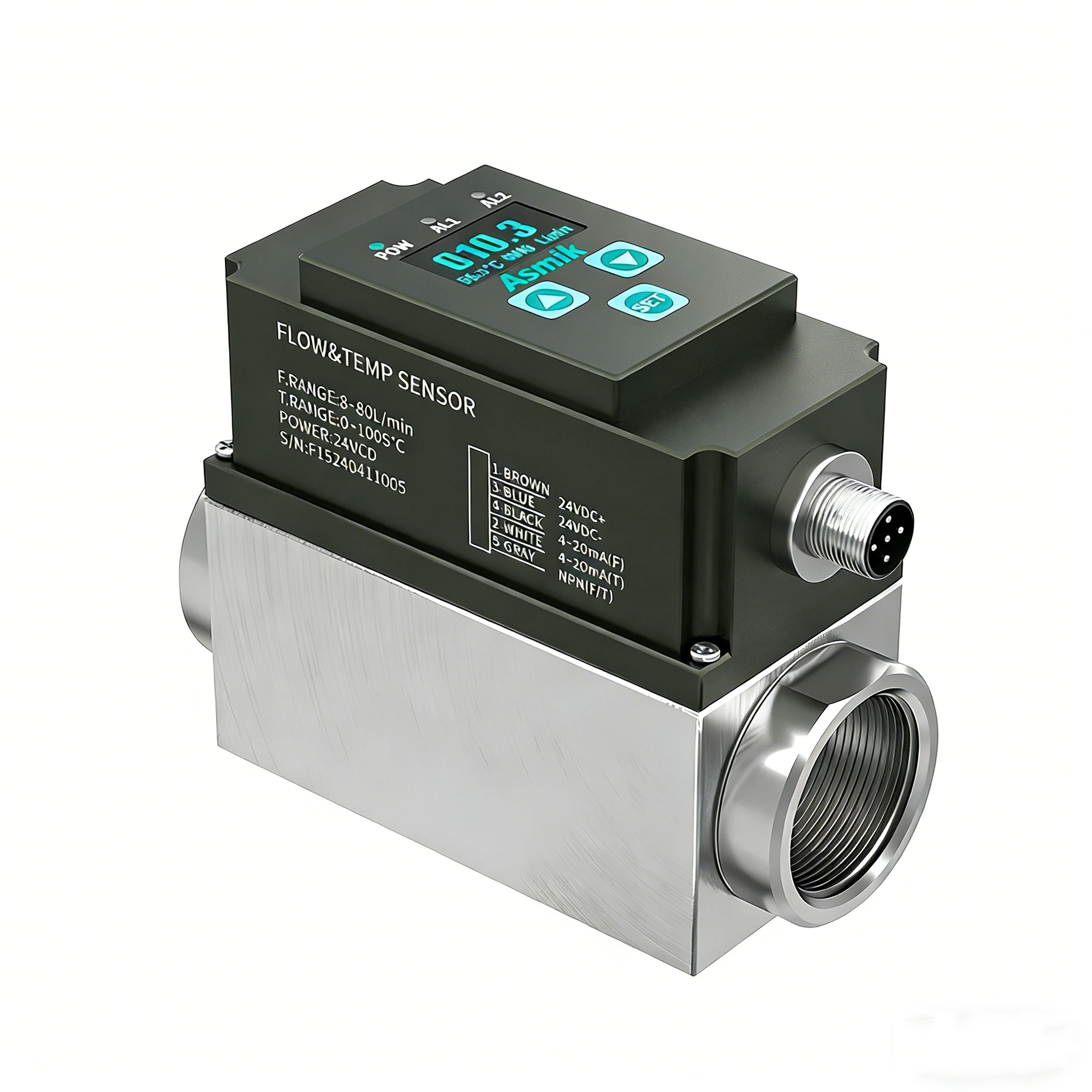
MIK-FVM200 Micro Vortex Flow Meter

MIK-FVM200 Micro Vortex Flow Meter

Micro vortex flowmeter simple structure, high accuracy, easy to install and maintain, can be used for real-time monitoring of the liquid flow and temperature in the pipeline, support for flow and temperature (4 ~ 20) mA signal or 485 communication, alarm switch output, and the use of OLED real-time ...
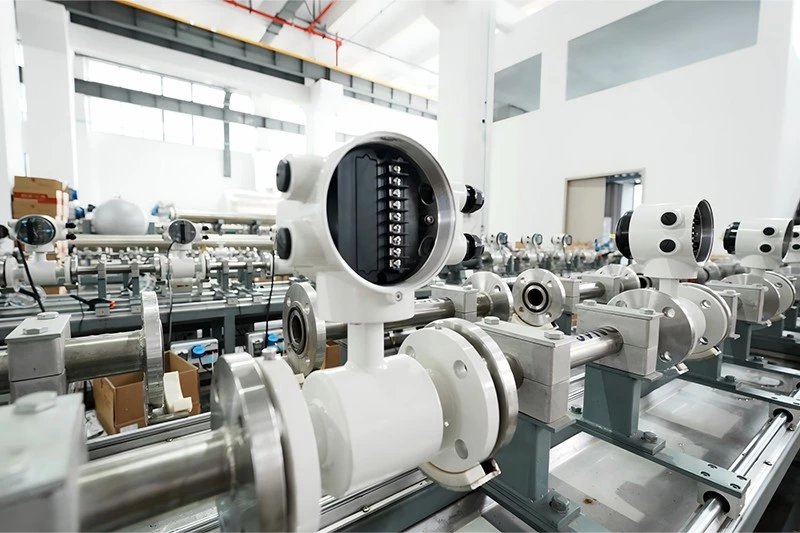

Vortex Flowmeter measuring principle

Vortex flow meters utilize a unique vortex shedding principle to measure flow rate, making them an ideal choice for measuring the flow of liquids, gases, and steam with extremely high accuracy.

Their high-temperature resistance and durable construction make them a reliable option for steam flow measurement.

  • FAQ

1. What is a vortex flowmeter?

A vortex flowmeter is a velocity-type flowmeter used to measure the flow of steam, gases and low-viscosity liquids in industrial pipelines. It has no moving parts, which reduces maintenance and improves long-term reliability.

2. How does a vortex flowmeter work?

A bluff body (shedder bar) is placed in the flow. As fluid passes it, vortices are shed alternately from each side, forming a Karman vortex street. According to the Strouhal relationship, the vortex shedding frequency is proportional to the flow velocity within the working range. A sensor detects the vortex frequency, and the transmitter converts it into a flow rate.

3. What media can a vortex flowmeter measure?

Vortex flowmeters can measure steam, gases such as compressed air and nitrogen, and low-viscosity liquids. Their high-temperature resistance and durable construction make them a common choice for steam flow measurement.

4. When is a vortex flowmeter not the best choice?

Vortex flowmeters are generally not recommended for high-viscosity liquids, very low flow velocities, strongly pulsating flow, or multiphase flow. Please send us your application details so we can confirm suitability or recommend another technology.

5. Which Asmik vortex flowmeter should I choose?

If you are unsure, send us your application details and our engineers will recommend a model.

6. What does temperature and pressure compensation mean?

A vortex flowmeter measures volume flow at operating conditions. For gases and steam, density changes with temperature and pressure, so the same volume can contain a different mass. A compensated flowmeter measures temperature and pressure and uses them to calculate flow at standard conditions or mass flow, which is important for energy metering and cost allocation.

7. When do I need a compensated vortex flowmeter?

Compensation is generally recommended for steam and gas measurement when the process temperature or pressure varies, or when you need standard volume or mass flow. For liquids, or for gases at stable conditions, an uncompensated flowmeter may be sufficient.

8. What is the difference between wafer and flanged installation?

A wafer-style flowmeter is clamped between two pipe flanges using long bolts, which makes it compact and lighter. A flanged flowmeter has its own flanges that bolt directly to the pipeline flanges. The choice depends on your pipe size, pressure rating and piping standard.

9. What is the MIK-LUGB-C anti-vibration vortex flowmeter?

The MIK-LUGB-C is an intelligent vortex flowmeter designed based on the Karman vortex principle, for measuring gas, steam or liquid in industrial pipelines. Its anti-vibration design is intended for installations where pipe vibration could affect a vortex signal.

10. What is the MIK-FVM200 micro vortex flow meter?

The MIK-FVM200 is a compact vortex flowmeter for DN8–DN15 pipes. It monitors the flow and temperature of water and water-based liquids such as ethylene glycol, with a flow accuracy of ±3%. It provides 4–20 mA or RS485 output, an alarm switch output and an OLED display.

11. Vortex or electromagnetic flowmeter: which should I choose?
  • Vortex: steam, gases and low-viscosity liquids, including non-conductive liquids.
  • Electromagnetic: conductive liquids, including dirty water and slurries; cannot measure gases or steam.
12. Vortex or thermal mass flowmeter for gas?

A vortex flowmeter measures gas volume flow and can calculate standard volume or mass flow with temperature and pressure compensation; it can also measure steam and liquids. The MIK-MF thermal mass flowmeter measures gas mass flow directly with insertion installation on DN65–DN1000 pipes, and is often used for gas consumption monitoring and leak analysis.

13. What output signals are available?

Vortex flowmeters support multiple output modes, such as frequency/pulse and 4–20 mA analog output. Available outputs vary by model; for example, the MIK-FVM200 provides 4–20 mA or RS485 output and an alarm switch output. Please check each product page or tell us your requirements.

14. Does a vortex flowmeter cause pressure loss or need much maintenance?

A vortex flowmeter has no moving parts, which reduces maintenance frequency and improves long-term reliability. Its pressure loss is relatively low, helping reduce system energy consumption.

15. What straight pipe length does a vortex flowmeter need?

Vortex flowmeters are sensitive to flow disturbances, so they generally need longer straight pipe runs upstream and downstream than many other flowmeter types. The required length depends on the upstream fittings, such as elbows, reducers and valves. Please follow the installation manual of the selected model or send us your piping layout.

16. What should I consider during installation?
  • Provide sufficient straight pipe upstream and downstream of the meter.
  • Avoid installing near sources of strong pipe vibration, or choose an anti-vibration model.
  • For liquids, make sure the pipe is always full.
  • For steam, follow good practice for drainage and insulation.
  • Install pressure and temperature sensors in the positions specified for compensated models.

Please follow the installation manual of the selected model.

17. Which industries use vortex flowmeters?

Vortex flowmeters are widely used in energy, chemical, petrochemical, power, food and beverage, pulp and paper, and HVAC industries, especially for steam, compressed air, nitrogen and other gas measurement.

18. What information should I provide to get a quotation?

To help us select the correct model, please provide:

  • Medium name and state (steam, gas or liquid)
  • Flow range (min / normal / max)
  • Operating temperature and pressure
  • Pipe size and connection type (flange or wafer)
  • Whether temperature and pressure compensation is required
  • Output signal and power supply requirements
  • Vibration conditions at the installation point
  • Hazardous area requirements (if any) and quantity

Send your requirements to info@asmik.com or contact us via WhatsApp at +86 13325716921.

Benefits

  • It has a wide range of applications, capable of measuring both gases, liquids, and vapors
  • The design with no moving parts reduces maintenance frequency and improves long-term reliability
  • Supports multiple signal output modes (such as frequency/pulse, analog 4-20 mA)
  • It has strong anti-interference capabilities and stable and reliable measurement
  • Lower pressure loss helps reduce system energy consumption

Why Choose Asmik

why
  • Product Diversity: Over 200 products to meet various measurement and control needs, providing one-stop solutions.
  • Stable supply: The factory covers 45,000 ㎡ and is equipped with fully automated production lines, with an annual output of over 600,000 units.
  • Strict quality control: Products have passed multiple certifications such as ISO, CE, and UL, and internal quality control involves 24+ processes.
  • High-quality materials: possess excellent corrosion resistance, wear resistance, and long-term stability.
  • Efficient delivery: Possesses a well-established logistics system, ensuring timely shipments and efficient delivery.
  • Customer-centric: From consultation to after-sales service, we provide excellent professional services to ensure a great working experience.

Industries

Professional industry solutions: With a comprehensive instrumentation system, customized solutions, professional technology and services, we help you meet every challenge.

Need more information?

Contact us for more details about our solutions and services

This site uses cookies

We use cookies to collect information about how you use this site. We use this information to make the website work as well as possible and improve our services.