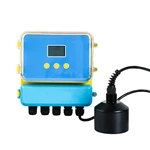
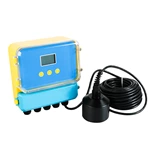
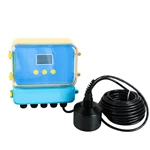
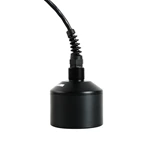
Specification
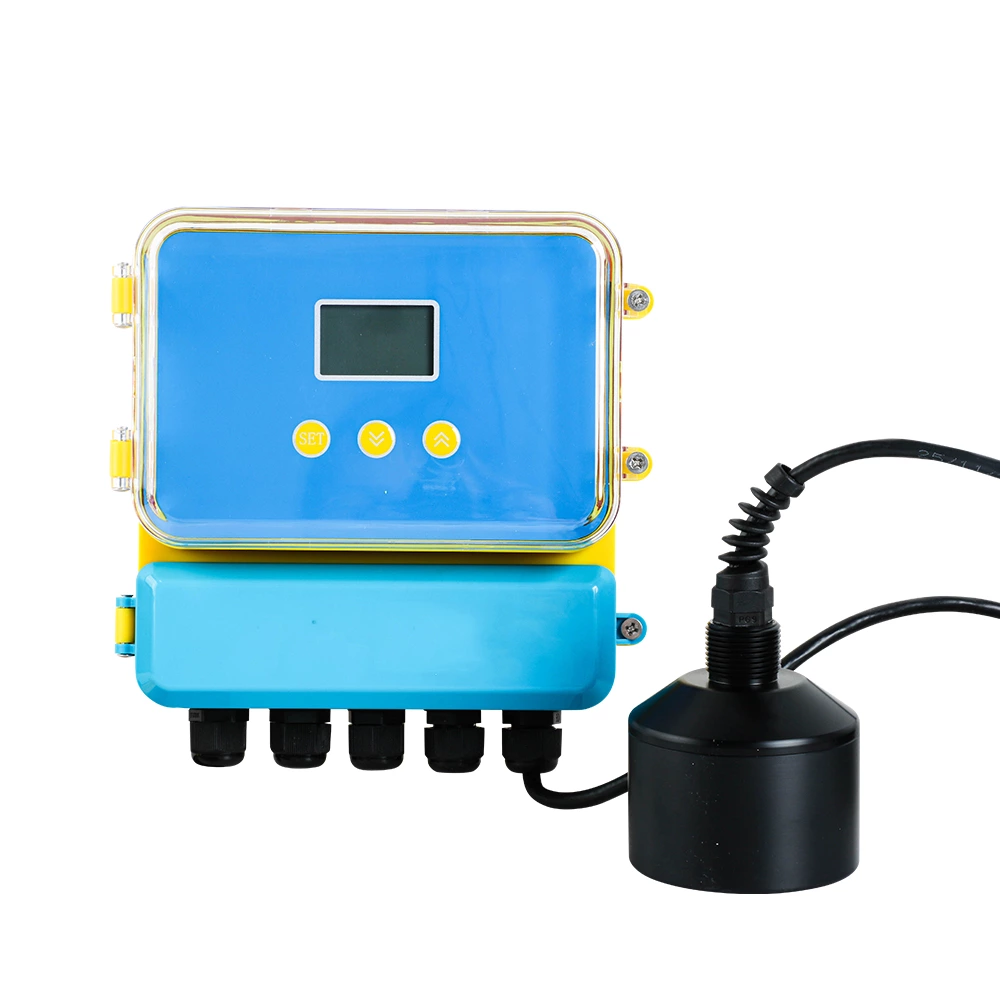
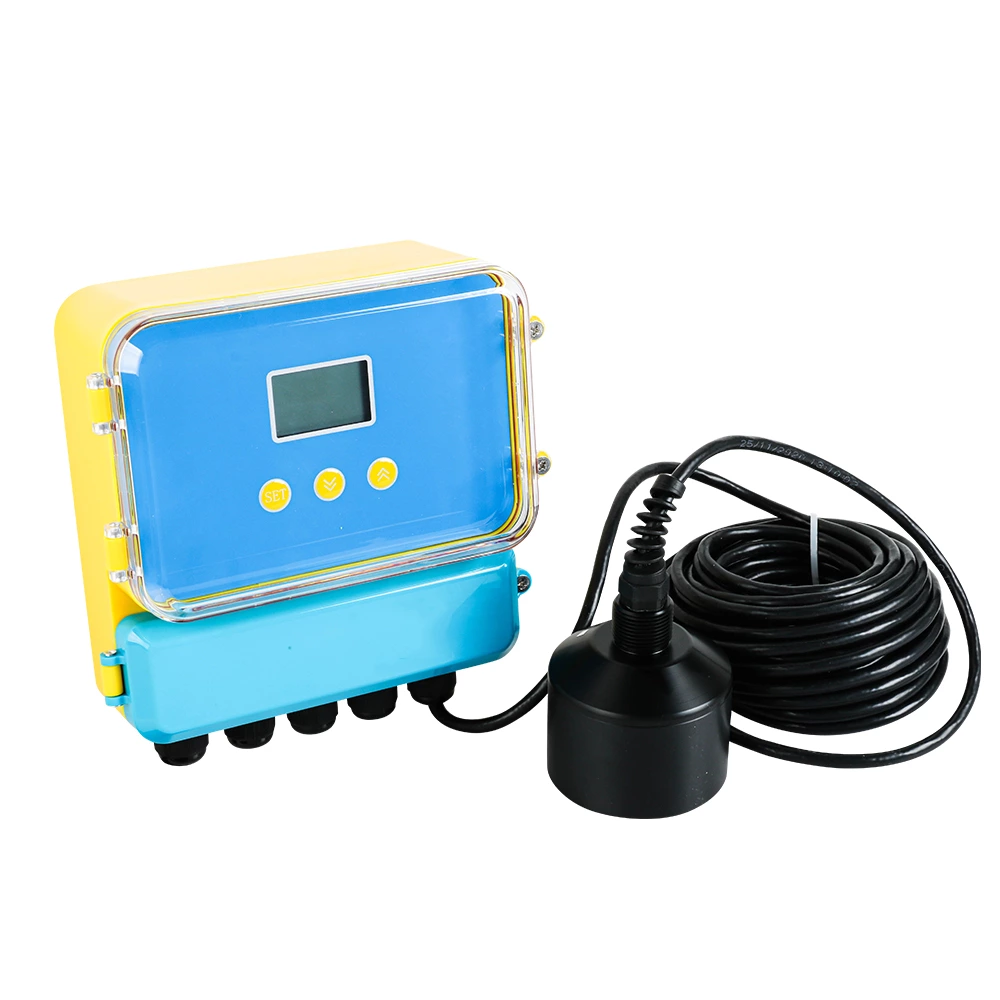
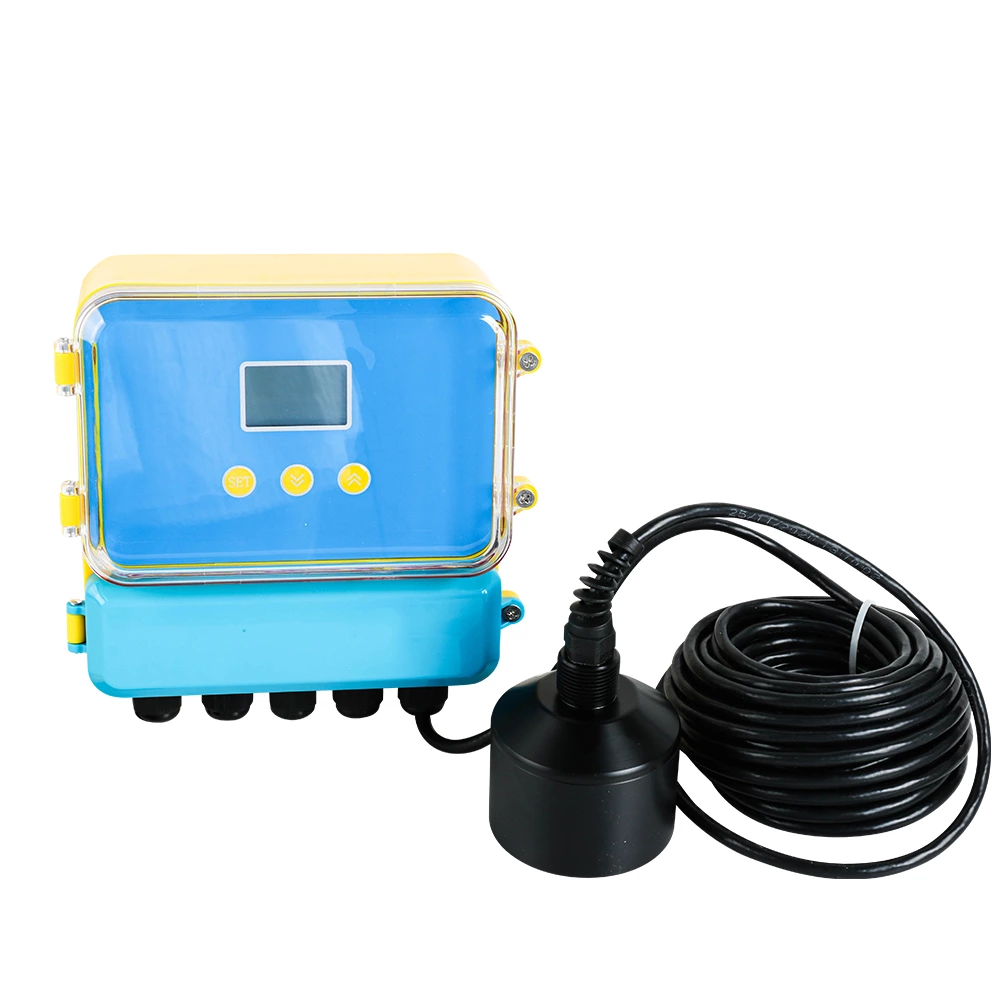
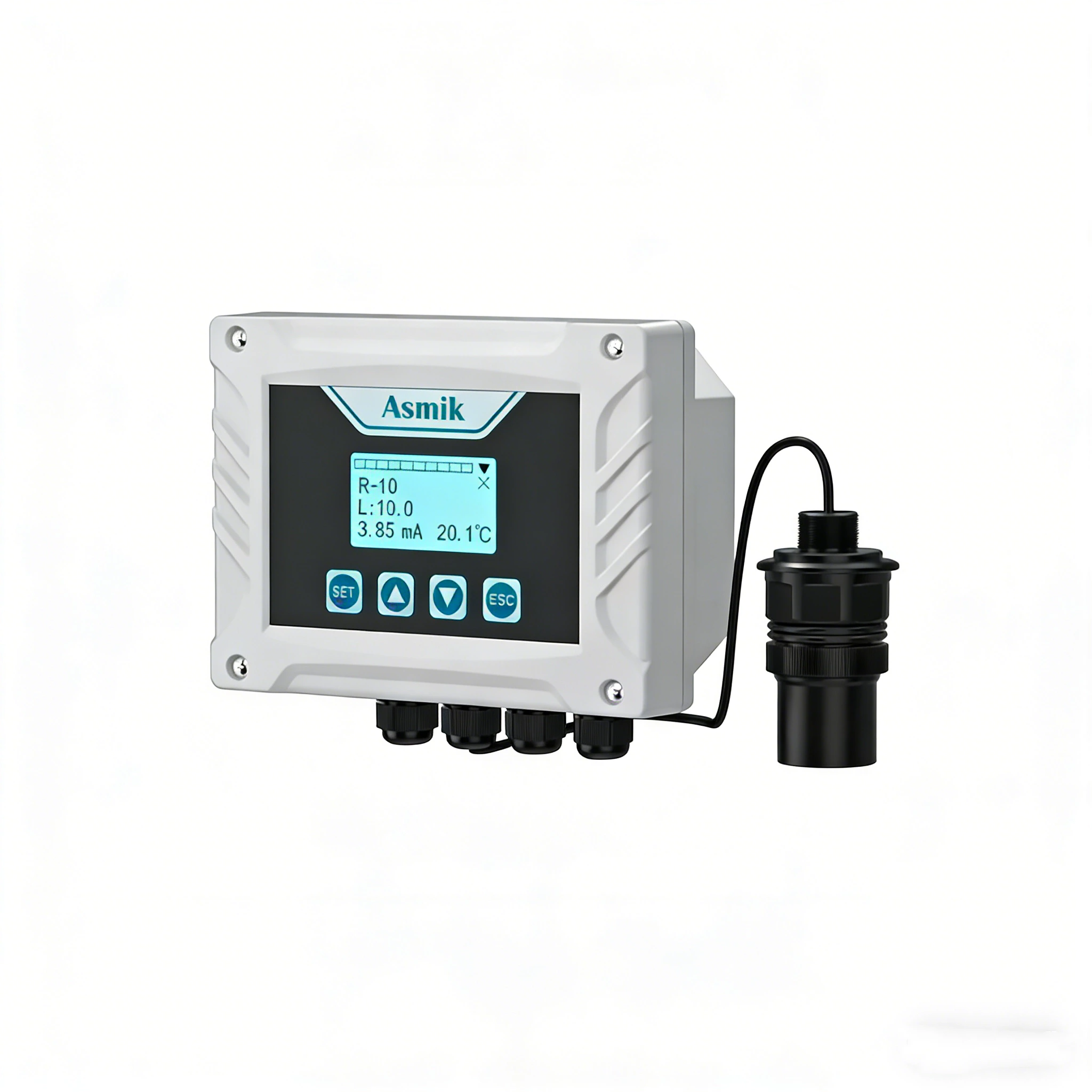
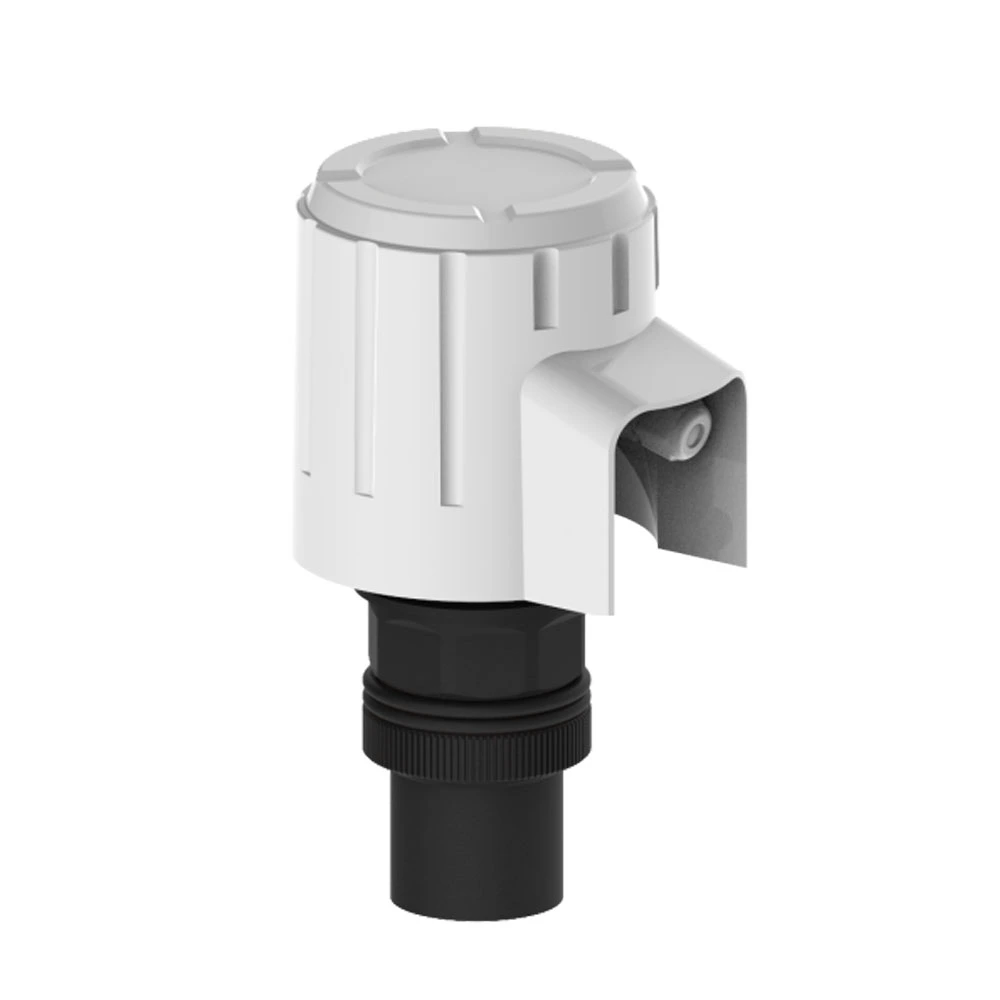
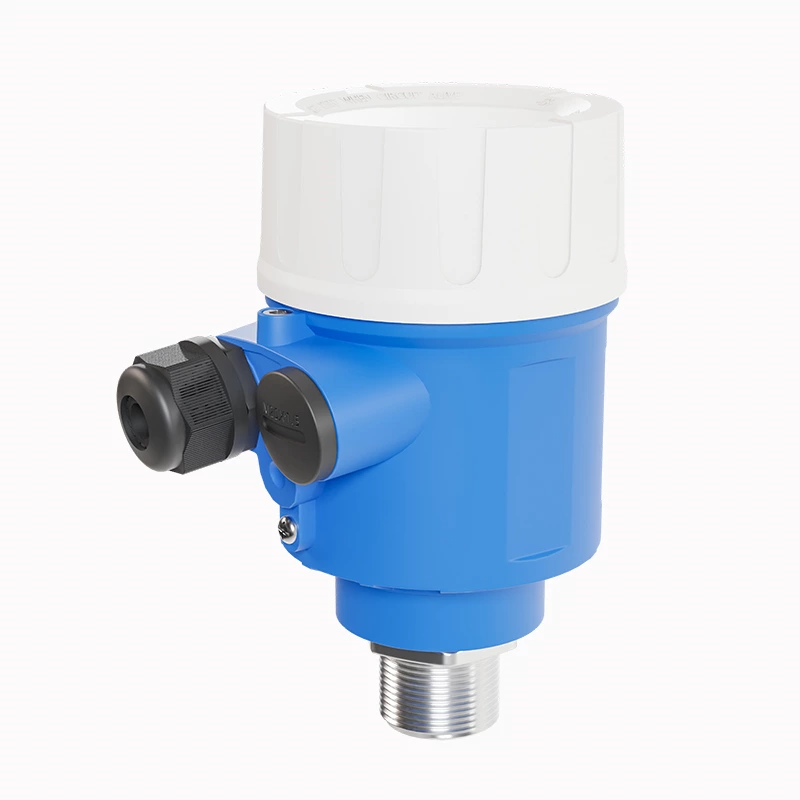
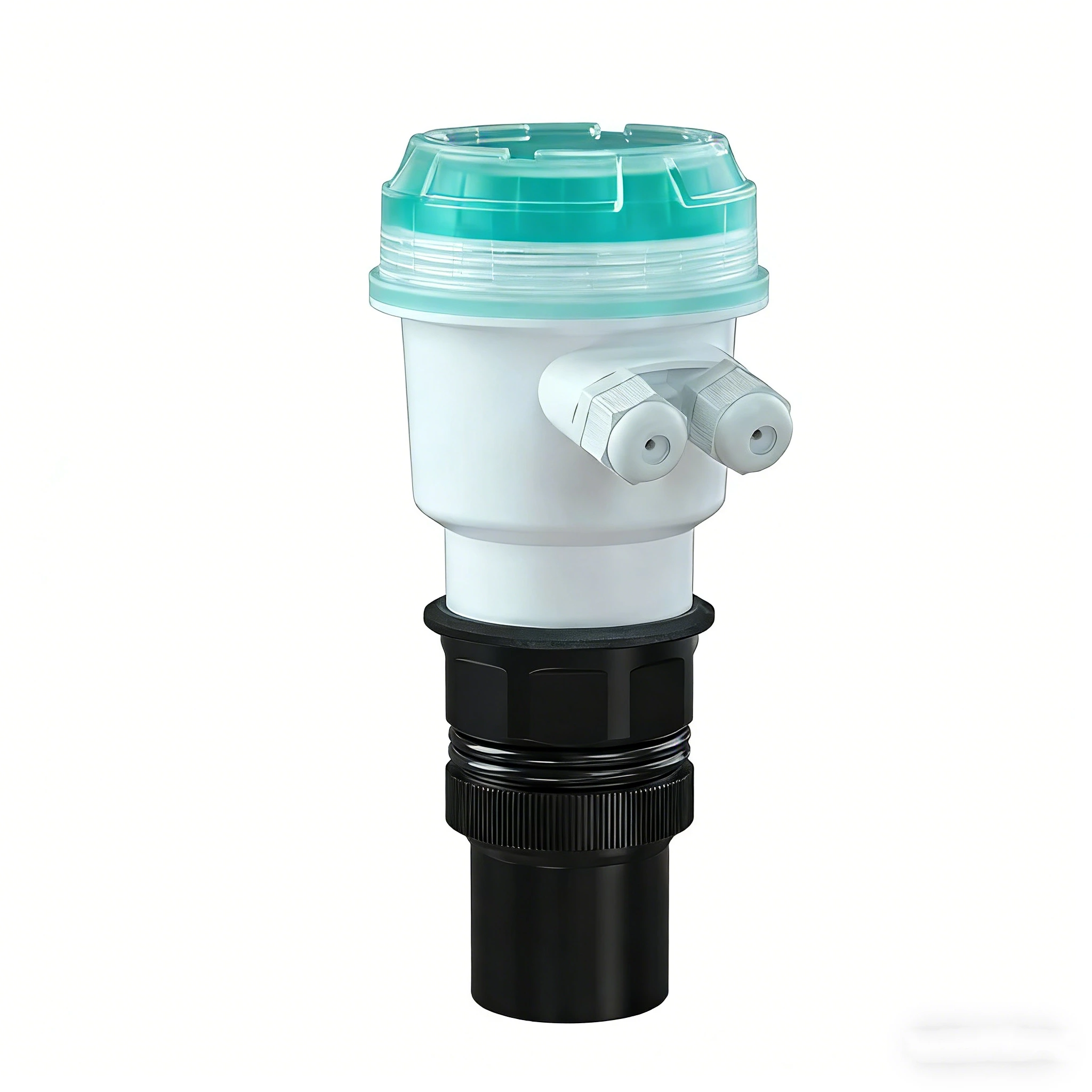
The ultrasonic mud level transmitter, also known as an ultrasonic sludge interface meter, is a non-contact, easy-to-install and maintain instrument for measuring sludge thickness in fixed containers. It operates by transmitting ultrasonic waves through liquid to detect mud levels underwater and is a new generation of ultrasonic sludge interface m developed by the company over many years, holding proprietary intellectual property rights.
| Product |
Ultrasonic mud level transmitter |
| Model |
MIK-JFC |
| Structure |
Remote-type |
| Measure range |
Standard ranges:5m,10m,15m,20m |
| Custom ranges:30m,40m,50m,60m,70m etc. |
| Accuracy |
1%~3% |
| Resolution |
5mm or 0.5%(whichever is greater) |
| Display |
English LCD |
| Output |
4-20mA /750Ω load |
| Power supply |
Standard 200VAC+15% 50Hz |
| Optional 24VDC 120mA |
| Custion options for 12VDC or battery power available |
| Environmental temperature |
Display instrument:-20℃~+60℃ |
| Probe:-20℃~+80℃ |
| Communication |
Optional RS485,RS232 communication |
| Probe cable |
Up to 100m,standard configuration 10m |
| Protection grade |
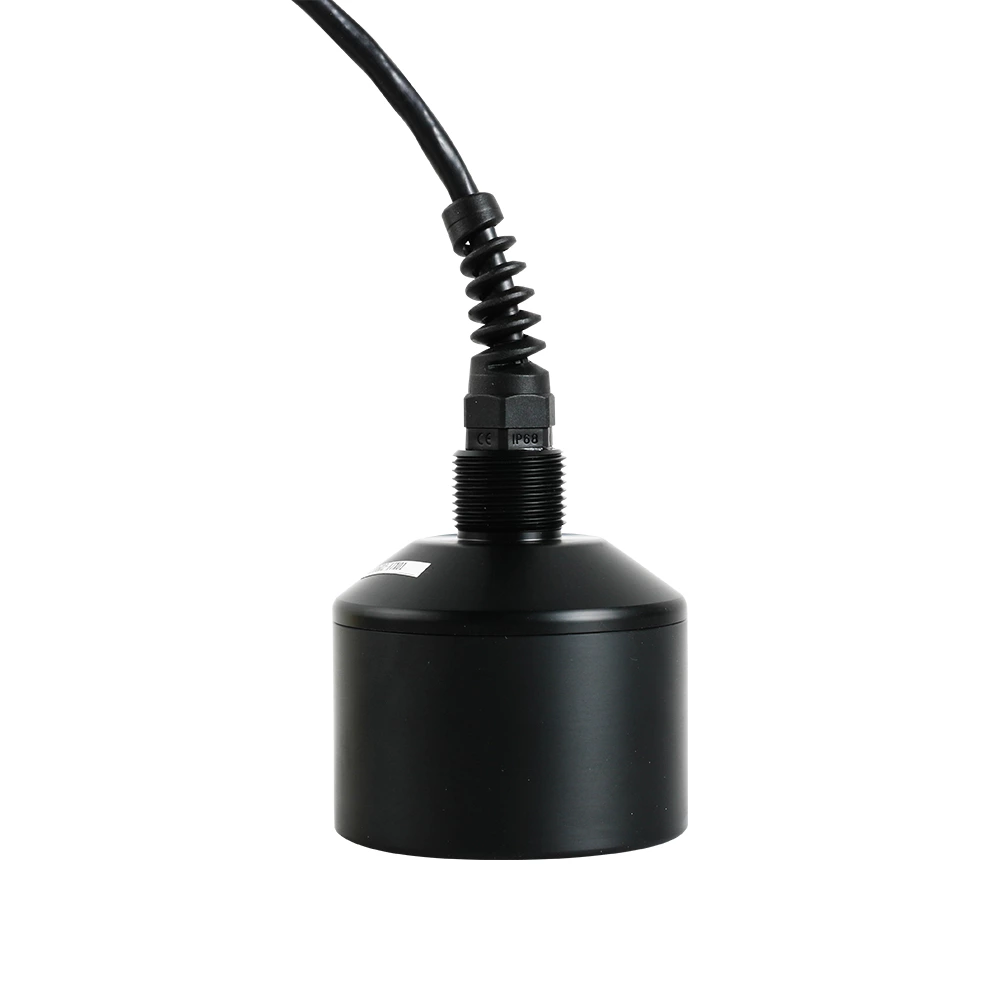
Display instrument IP65,Probe IP68 |
1. What is the MIK-JFC ultrasonic mud level transmitter?
The MIK-JFC, also known as an ultrasonic sludge interface meter, is a non-contact instrument for measuring sludge thickness in fixed containers. It transmits ultrasonic waves through the liquid to detect the mud level under water, and is easy to install and maintain.
2. How does a sludge interface measurement work?
The probe is placed in the water and sends ultrasonic pulses downward. The sludge blanket reflects the signal because its density differs from the clarified water above it. The transmitter measures the travel time to the interface and converts it into the sludge level or sludge blanket thickness.
3. What is the difference between this and a normal ultrasonic level meter?
A standard ultrasonic level transmitter such as the MIK-MP measures the surface of a liquid or solid from above the vessel, through air. The MIK-JFC measures under water: its probe is submerged and detects the interface between clarified water and settled sludge.
4. What measuring ranges are available?
- Standard ranges: 5 m, 10 m, 15 m, 20 m
- Custom ranges: 30 m, 40 m, 50 m, 60 m, 70 m and others
5. How accurate is the MIK-JFC?
- Accuracy: 1%–3%
- Resolution: 5 mm or 0.5%, whichever is greater
6. What is the structure of the instrument?
It is a remote-type instrument: the display unit and the probe are separate and connected by cable.
7. What output and communication are available?
- Output: 4–20 mA with 750 Ω load
- Communication: RS485 or RS232 (optional)
8. What power supply options are available?
- Standard: 200 VAC +15%, 50 Hz
- Optional: 24 VDC, 120 mA
- Custom options: 12 VDC or battery power
Please tell us the power available at your site.
9. What display does it have?
It has an English LCD display on the display instrument.
10. What are the protection ratings?
- Display instrument: IP65
- Probe: IP68
The IP68 probe is designed for continuous submersion.
11. What temperature range is allowed?
- Display instrument: -20 °C to +60 °C
- Probe: -20 °C to +80 °C
12. What probe cable length is available?
The standard cable is 10 m, and lengths up to 100 m are available. Please tell us the distance between the probe and the display instrument.
13. Where is the MIK-JFC used?
Typical applications include secondary clarifiers, sedimentation tanks, thickeners and sludge storage tanks in wastewater treatment and water plants, where the sludge blanket level needs to be monitored or controlled.
14. Can it be used to control sludge pumping?
The 4–20 mA output and RS485/RS232 communication can send the sludge level to a PLC or controller, which can then start and stop sludge pumps based on your set points. Please tell us your control requirements.
15. What affects the measurement?
The reflection from the sludge interface depends on the sludge concentration and how sharply it separates from the clarified water. Air bubbles, strong turbulence and a diffuse interface can affect the reading. Please describe your process so we can confirm suitability.
16. How should the probe be installed?
- Mount the probe so that it is submerged and facing the sludge blanket.
- Choose a representative, quiet position away from inlet flow and scrapers.
- Keep the probe clear of tank walls and internal structures.
- Make sure the probe can be removed easily for cleaning.
Please follow the installation manual or contact our engineers for site-specific requirements.
17. How much maintenance does it need?
The measurement is non-contact with no moving parts, so maintenance is low. Periodic cleaning of the probe face is recommended, as deposits and biofilm can weaken the signal.
18. What other sludge measurements are available?
For sludge concentration in mg/L rather than the interface level, see our TSS/SS sensors and meters, such as the MIK-PSS200 and MIK-PSS9010.
19. What information should I provide to get a quotation?
To help us select the correct model, please provide:
- Tank type and depth, and the expected measuring range
- Sludge type and concentration
- Installation position and probe cable length
- Output and communication requirements
- Power supply (AC, DC or battery)
- Quantity
Send your requirements to info@asmik.com or contact us via WhatsApp at +86 13325716921.