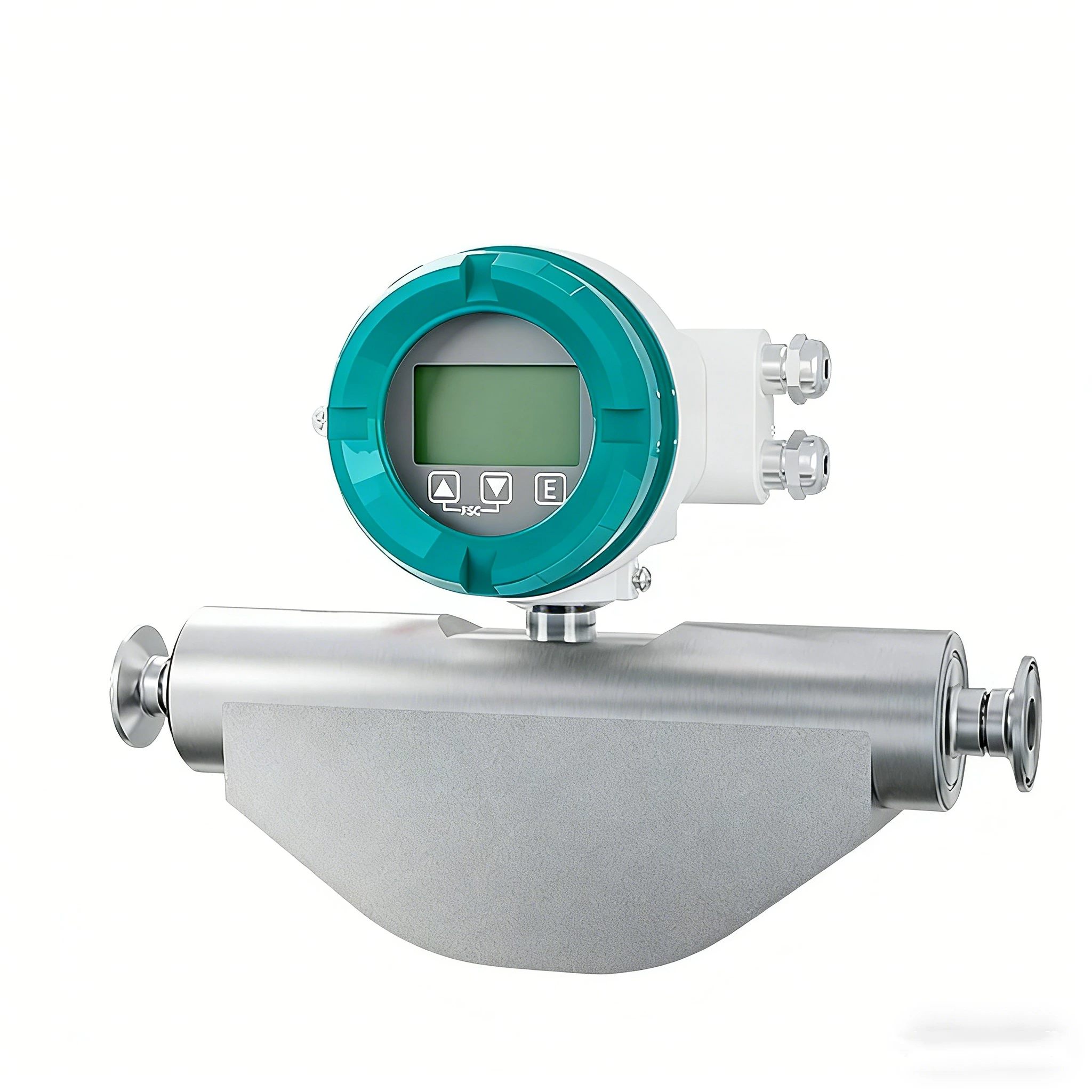
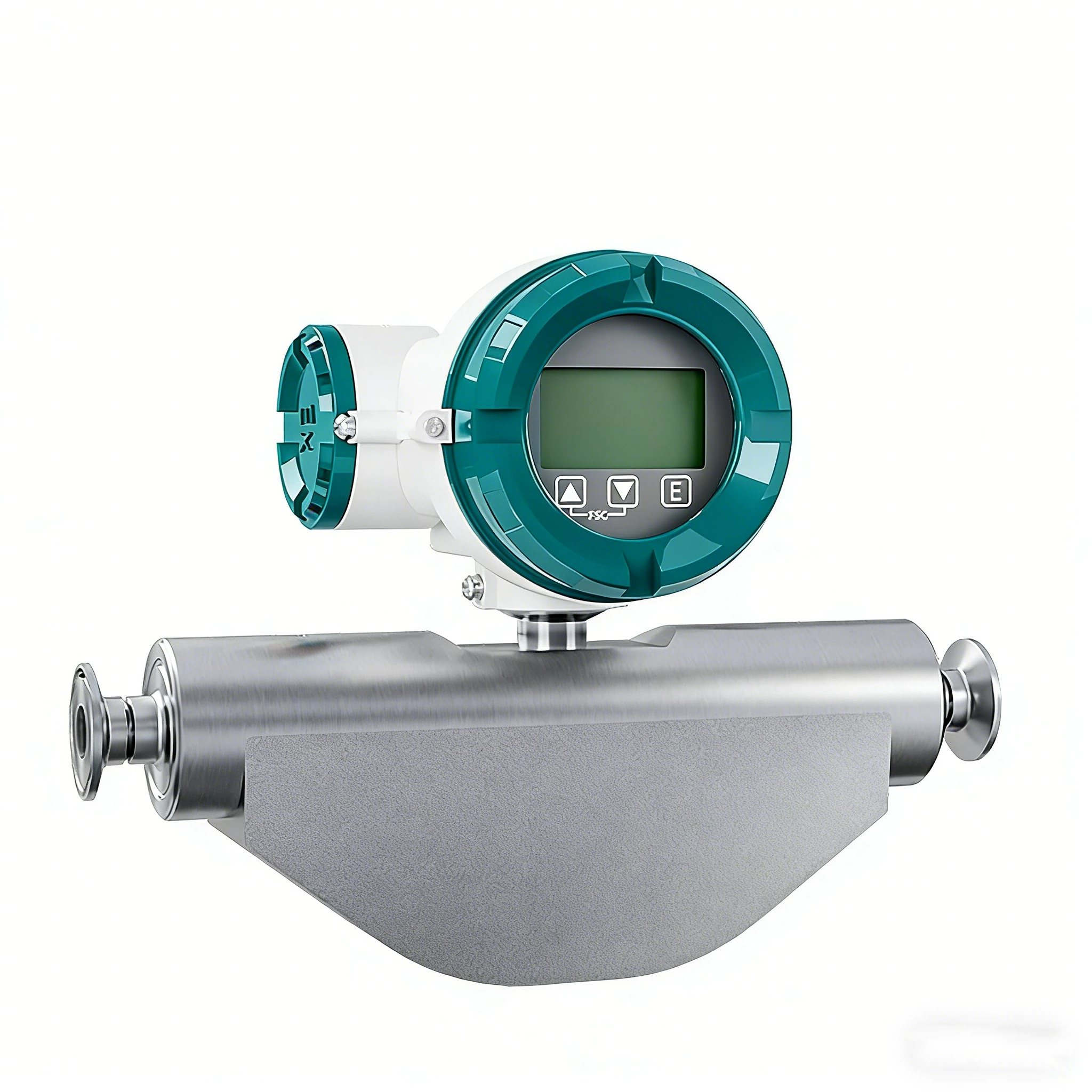
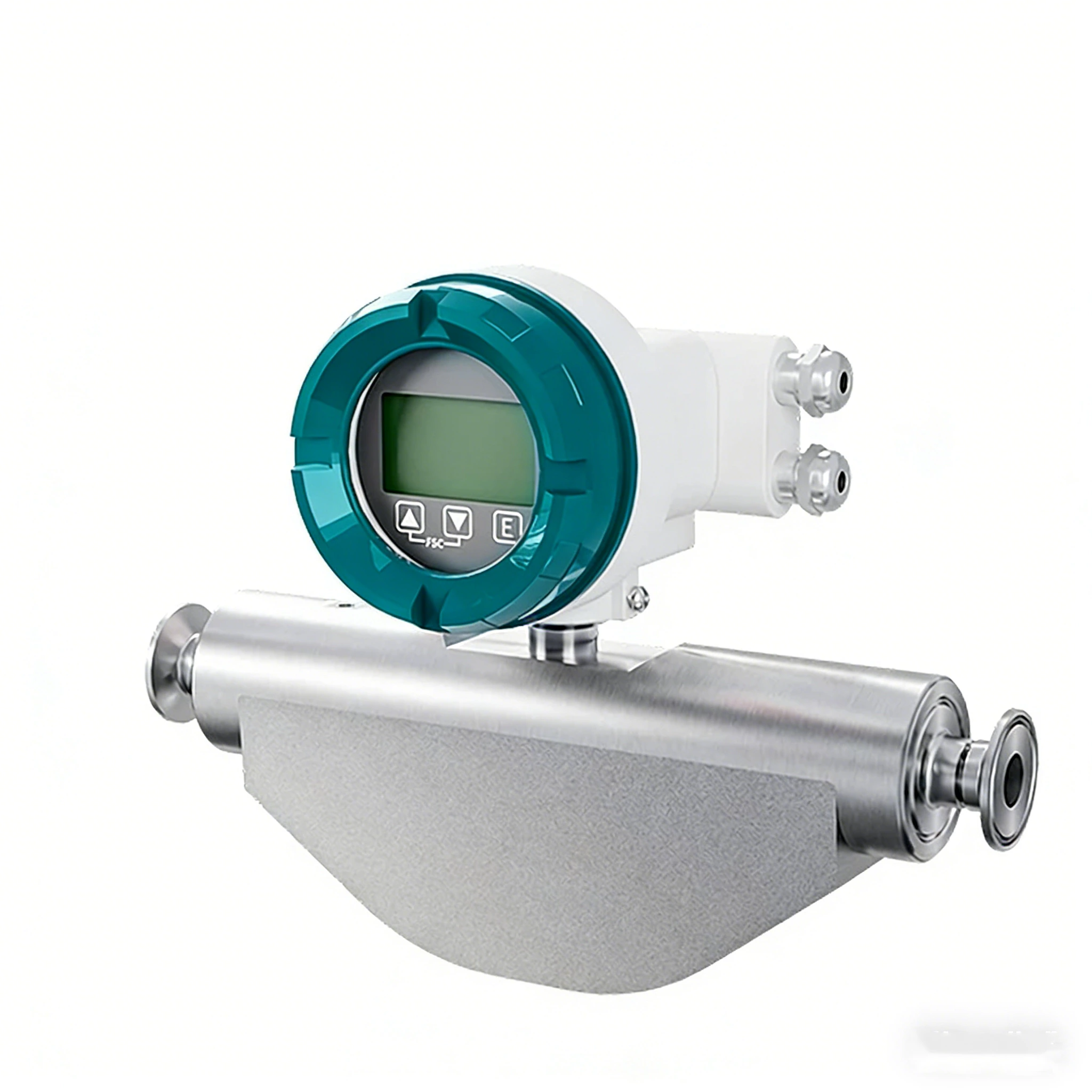
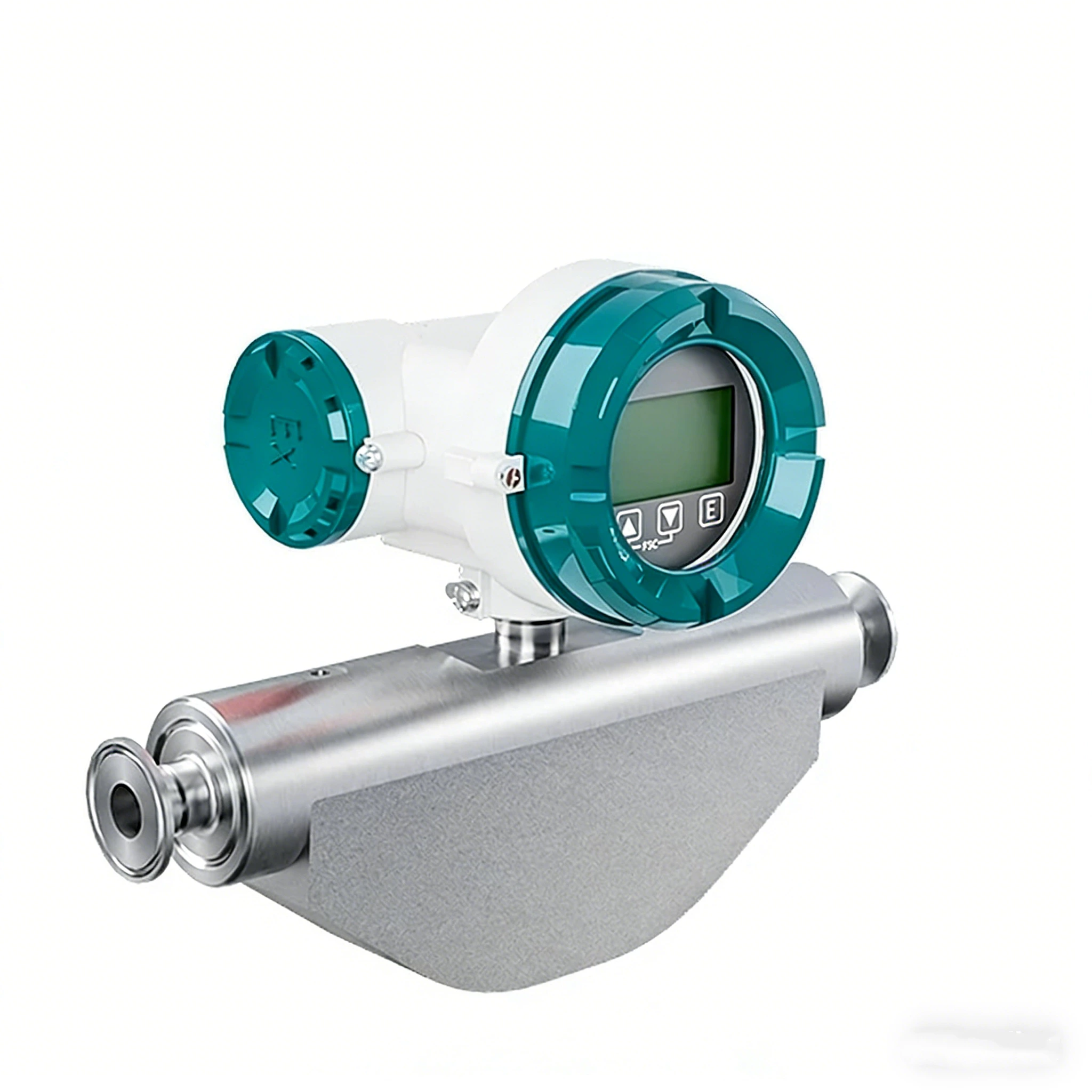
Specification
Introduction
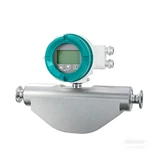
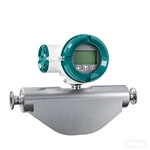
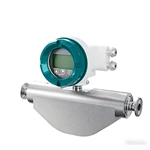
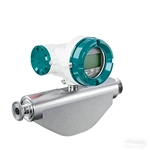
The FCC800 Marine-Grade Coriolis Mass Flow Meter represents the next generation of process instrumentation, specifically calibrated for the harsh realities of maritime and heavy industrial operations. Unlike traditional volumetric meters that struggle with pressure changes, the FCC800 provides true mass flow readings, ensuring your data remains unaffected by fluctuating fluid properties.
Designed to be the backbone of fuel efficiency and process integrity, this sensor combines laboratory-grade precision with an industrial-strength enclosure. Whether you are monitoring bunker fuel viscosity on a vessel or managing aggressive chemical dosing in a plant, the FCC800 delivers the critical, multi-parameter data needed to optimize performance and reduce waste.
Working principle
The FCC800 utilizes the Coriolis principle to turn fluid mechanics into actionable data:
-
Resonant Oscillation: The flow tubes are energized to vibrate at a precise natural frequency.
-
Inertial Phase Shift: As media travels through the vibrating tubes, inertia causes a measurable twist (phase shift) in the tube's motion. This shift is directly correlated to the mass flow rate.
-
Frequency Analysis: The frequency of the tube's vibration changes with the fluid's mass, allowing the device to instantly calculate density.
-
Real-Time Computation: Onboard electronics decode these physical shifts into digital values for flow, density, and temperature, transmitting them instantly to your control room.
Key features
To simplify installation and meet regulatory compliance, this meter offers a suite of benefits designed to maximize uptime and measurement confidence:
1. Comprehensive Multi-Variable Analysis
The FCC800 Coriolis meter acts as an all-in-one station, concurrently monitoring mass flow, volume, medium density, and temperature, which eliminates the need for separate density meters and temperature sensors.
2. Engineered for Extreme Environments
With an IP67-rated housing and advanced vibration decoupling, this FCC800 lineup ensures stable readings even amidst the mechanical noise of ship engines or high-pressure pumping stations.
3. Universal Media Handling
From non-conductive fluids and viscous heavy oils to slurries containing suspended solids, this meter handles complex media that would clog or confuse other technologies. It is equally effective for gas measurement applications.
4. Zero-Maintenance Design
With no moving parts to wear out and no internal obstructions to trap debris, the FCC800 dramatically lowers operational costs. Its non-intrusive design ensures a long lifecycle with minimal downtime.
5. Installation Flexibility
The FCC800 requires no flow conditioning, meaning you don't need long straight pipe runs before or after the meter. It fits directly into tight piping layouts without sacrificing accuracy.
Specification
| Measured variables |
Mass flow rate, density, temperature |
| Measuring medium |
Gases, liquids, slurries, suspensions, etc |
| Nominal diameter |
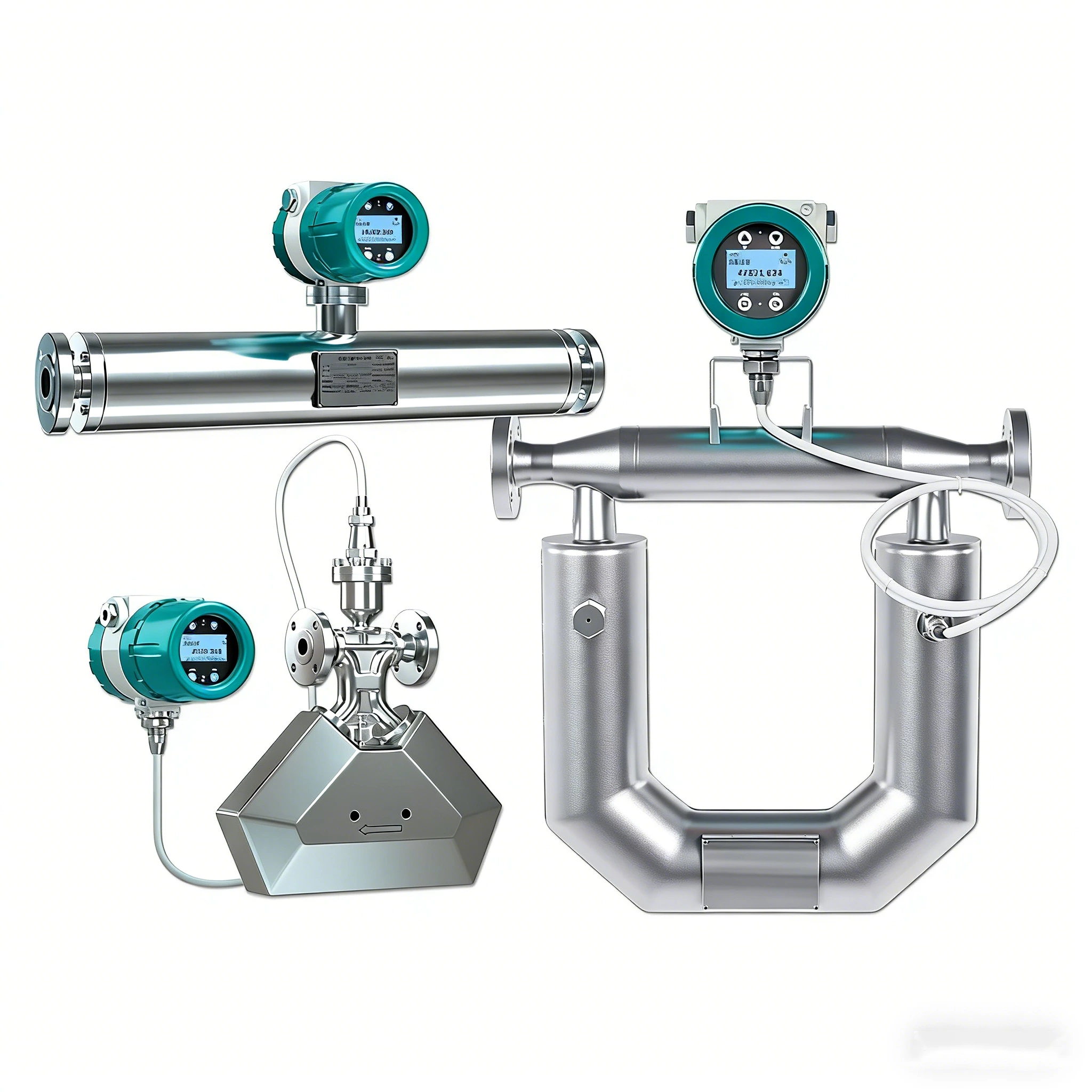
U-shaped type: DN3~DN150
Micro-bend type: DN8~DN100
Straight pipe type: DN8~DN50
Inverted triangle type: DN1~DN2 |
| Range ratio |
U-shaped type: 10:1
Micro-bend type: 10:1
Straight pipe type: 5:1
Inverted triangle type: 10:1 |
| Temperature measurement range |
(-240~350)℃ |
| Accuracy |
Flow volume: Level 0.15, Level 0.2, Level 0.5
Density: ±0.001g /cm³ ( ± 1kg / m³ )
Temperature: ± 1 ℃ or ± 0.5% × test value, whichever is greater. |
| Repeatability |
1/2 of the accuracy |
| Transmitter output |
(4~20) mA, load resistance ≤ 750Ω |
| Communication |
RS485 , MODBUS-RTU;Hart |
| Pulse output |
Duty cycle: 10%~90%
Pulse frequency: Maximum 10000Hz
Active: Output current 10mA, open circuit voltage 30V |
| Power supply |
24VDC/220VAC |
| Power consumption |
≤ 10W |
| Nominal pressure |
Clamp connection type: Pressure resistant PN16
Flange connection type: pressure resistant PN16, PN40, or PN63 |
| Ambient temperature |
( -40~55 ) ℃ (with display: -25 ℃~ 55 ℃) |
| humidity |
≤95% |
| Protection level |
IP67 |
Applications
The FCC800 is the preferred choice for sectors where accuracy directly impacts the bottom line:
- Maritime Fuel Management: Essential for bunker delivery monitoring and fuel consumption analysis to meet environmental compliance and reduce costs.
- Chemical Processing: Delivers precise stoichiometry for reactor feeds, ensuring consistent product quality and safety.
- Pharmaceutical Production: Provides hygienic, high-accuracy measurement for active ingredients and solvents.
- Custody Transfer: High precision makes it suitable for fiscal metering where every drop counts.
- Wastewater Treatment: Reliably measures sludge and polymer dosing without clogging.
- Food & Beverage: Ensures consistent taste and texture by accurately controlling ingredient density and flow.
Frequently Asked Questions
1. What is the FCC800 Coriolis mass flow meter?
The FCC800 is a Coriolis mass flow meter that directly measures the mass flow rate, density and temperature of liquids and gases in closed pipelines. It features an IP67 housing and digital signal processing, and is used in marine fuel systems, chemical dosing lines and industrial automation.
2. How does the FCC800 work?
- Resonant oscillation: the flow tubes are driven to vibrate at their natural frequency.
- Phase shift: as the medium flows through the vibrating tubes, inertia causes a measurable twist (phase shift) in the tube motion, which is proportional to the mass flow rate.
- Frequency analysis: the vibration frequency changes with the fluid's density, allowing density to be calculated.
- Computation: the electronics convert these signals into flow, density and temperature values and transmit them to the control system.
3. What parameters does the FCC800 measure?
It measures mass flow rate, density and temperature. Volume flow is also available. One FCC800 can replace separate flow meters, density meters and temperature sensors at a measuring point.
4. What media can the FCC800 measure?
The FCC800 measures gases, liquids, slurries and suspensions. Measurement does not depend on conductivity, so it can also handle non-conductive fluids and viscous heavy oils.
5. Is the measurement affected by viscosity, pressure or temperature changes?
No. The FCC800 measures mass directly using the Coriolis force, so readings are not affected by changes in viscosity, pressure or flow profile, and no temperature or pressure compensation is required.
6. What sizes and tube types are available?
- U-shaped type: DN3–DN150
- Micro-bend type: DN8–DN100
- Straight pipe type: DN8–DN50
- Inverted triangle type: DN1–DN2
Different tube geometries suit different pressure and flow requirements. Our engineers can recommend a tube type based on your application.
7. What is the turndown (range) ratio?
- U-shaped type: 10:1
- Micro-bend type: 10:1
- Straight pipe type: 5:1
- Inverted triangle type: 10:1
8. How accurate is the FCC800?
- Flow: accuracy class 0.15, 0.2 or 0.5
- Density: ±0.001 g/cm³ (±1 kg/m³)
- Temperature: ±1 °C or ±0.5% of reading, whichever is greater
- Repeatability: 1/2 of the accuracy
9. What temperature range can the FCC800 measure?
The temperature measurement range is -240 °C to 350 °C. The ambient temperature range is -40 °C to 55 °C (-25 °C to 55 °C for versions with display).
10. What pressure ratings are available?
- Clamp connection: PN16
- Flange connection: PN16, PN40 or PN63
11. What outputs does the FCC800 provide?
- Analog output: 4–20 mA, load resistance ≤750 Ω
- Pulse output: frequency up to 10,000 Hz; duty cycle 10%–90%; active output current 10 mA, open-circuit voltage 30 V
- Communication: RS485 Modbus-RTU and HART
12. Can the FCC800 connect to PLC, DCS or SCADA systems?
Yes. With 4–20 mA, pulse, RS485 Modbus-RTU and HART, the FCC800 can be integrated into PLC, DCS, SCADA and other automation systems.
13. What power supply does the FCC800 require?
24 VDC or 220 VAC. Power consumption is ≤10 W.
14. What are the protection rating and environmental limits?
- Protection level: IP67
- Ambient temperature: -40 °C to 55 °C (-25 °C to 55 °C with display)
- Humidity: ≤95%
15. Is the FCC800 suitable for marine and high-vibration environments?
Yes. The IP67 housing protects against dust and water immersion, and the vibration decoupling design helps keep readings stable near ship engines, pumps and other vibrating machinery.
16. Does the FCC800 need straight pipe runs?
No. The FCC800 requires no upstream or downstream straight pipe runs and no flow conditioning, so it can be installed in compact or complex piping layouts.
17. How much maintenance does the FCC800 need?
The FCC800 has no moving parts and no internal obstructions, so there is little wear and little risk of debris build-up. Zero-point monitoring supports stable, long-term operation with minimal downtime.
18. Can the FCC800 be used for custody transfer?
Its high accuracy makes the FCC800 suitable for fiscal and custody transfer metering. Custody transfer use usually requires metrological approval under local regulations. Please contact us to confirm the certificates available for your project.
19. What are the typical applications of the FCC800?
- Marine fuel management: bunker delivery monitoring and fuel consumption analysis
- Chemical processing: reactor feed and chemical dosing
- Pharmaceutical production: active ingredients and solvents
- Custody transfer and fiscal metering
- Wastewater treatment: sludge and polymer dosing
- Food and beverage: ingredient flow and density control
20. Where can I find the dimensions of the FCC800?
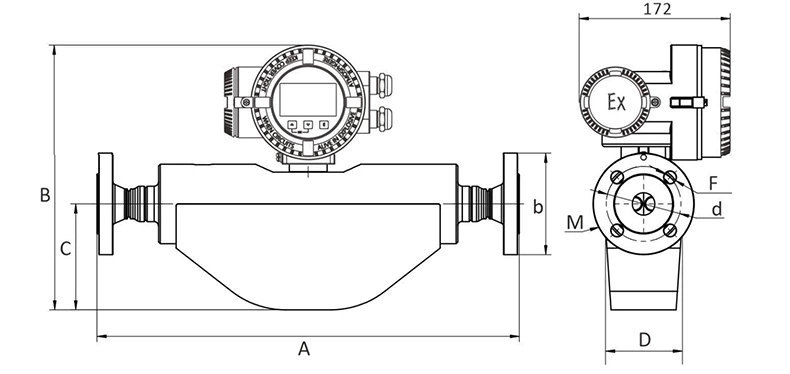
An outline drawing is shown in the Specification section of this page. For detailed dimensions of a specific size and connection type, please contact us.
21. What information should I provide to get a quotation?
To help us select the correct model, please provide:
- Medium name and state (liquid, gas, slurry)
- Flow range (min / normal / max)
- Medium density and viscosity (if known)
- Medium temperature and working pressure
- Pipe size and process connection (flange or clamp)
- Required accuracy class
- Output and communication requirements
- Power supply (24 VDC or 220 VAC)
- Display requirement, special requirements and quantity
Send your requirements to info@asmik.com or contact us via WhatsApp at +86 13325716921.