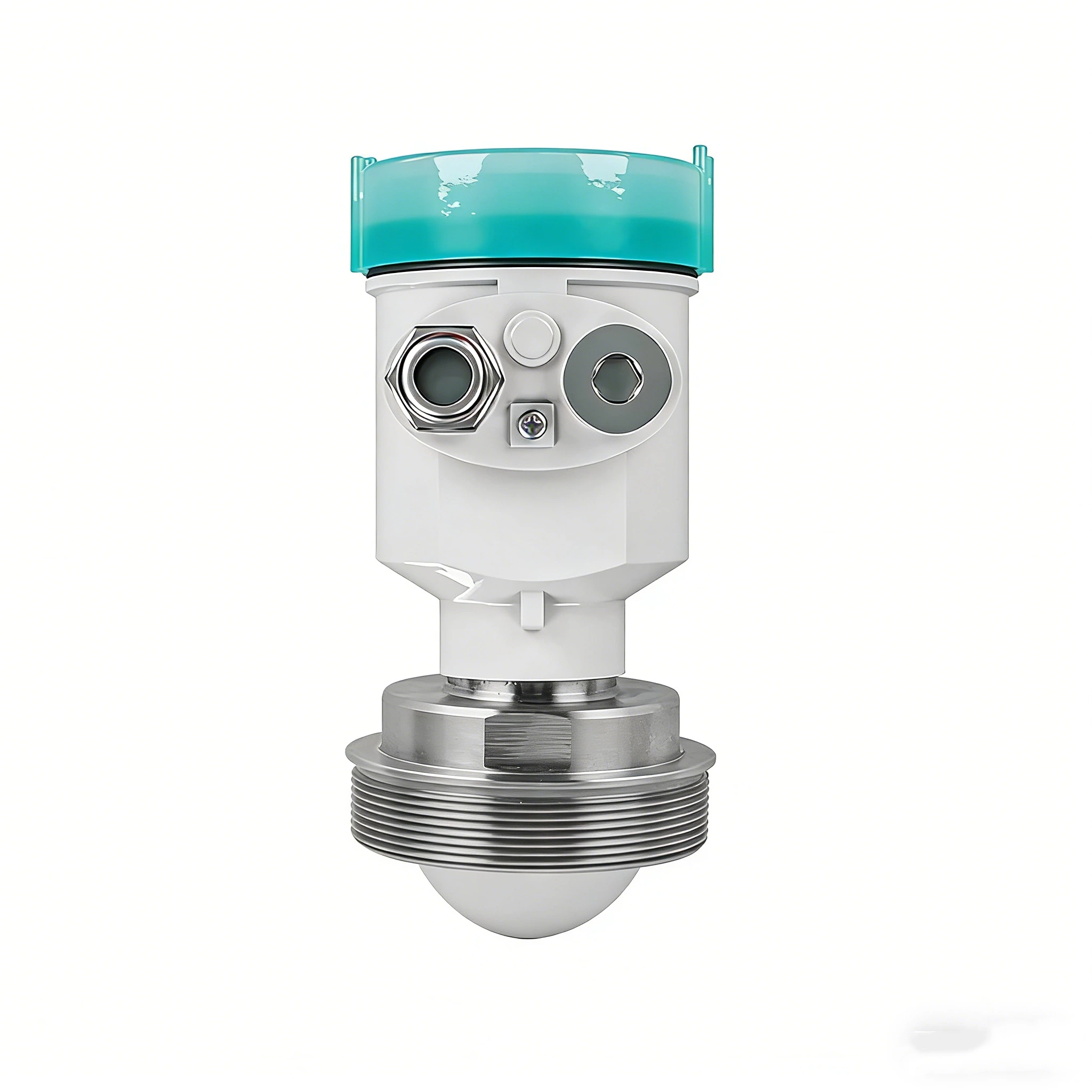
Specification
An electromagnetic BTU (British Thermal Unit) meter is a device used to measure the heat energy transferred in a heating or cooling system. It operates on the principle of Faraday's Law, which states that when the magnetic field around any conductor changes, a voltage is generated that is directly proportional to the change. In short, the faster the change happens, the more voltage is produced.
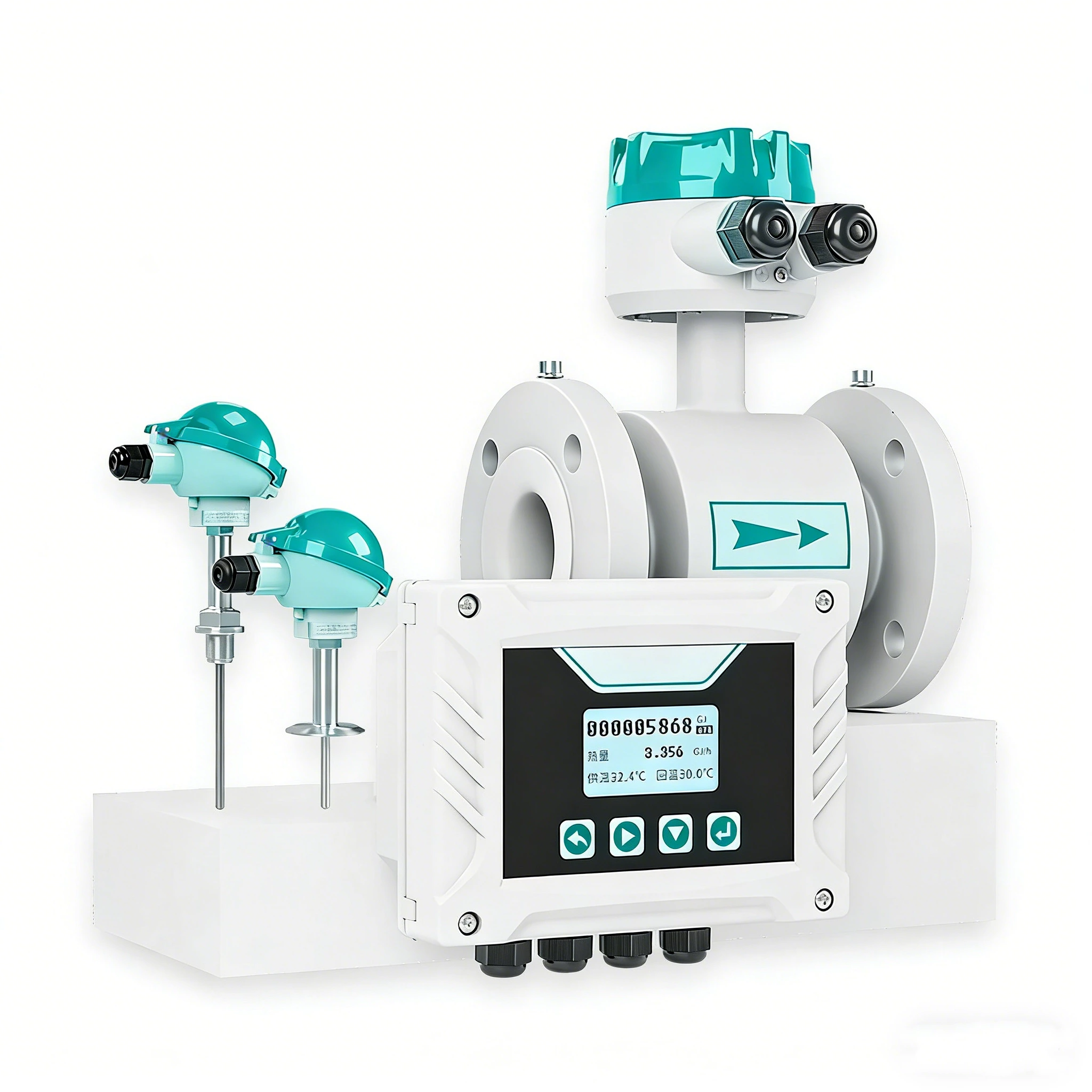
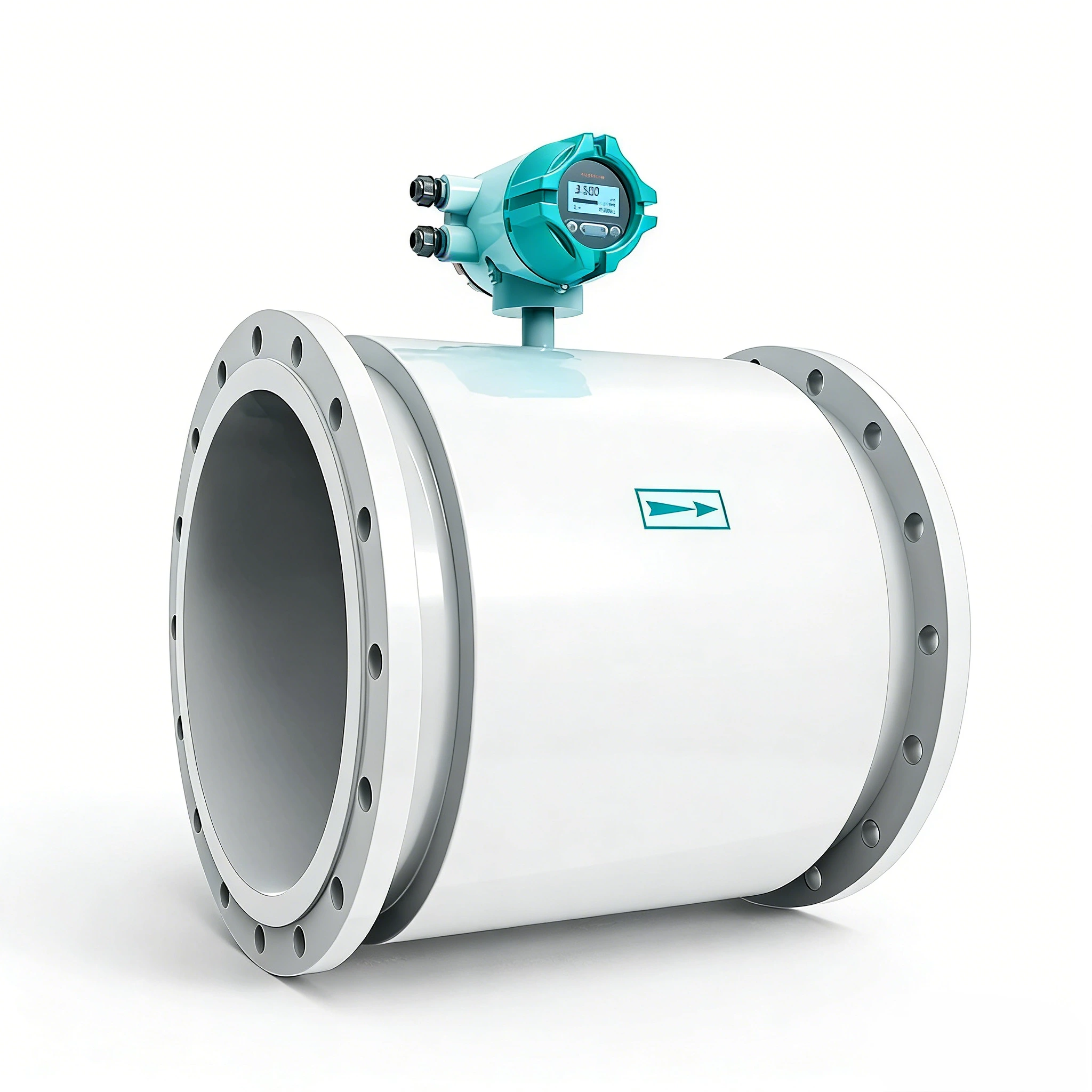
The magmeter consists of a flow sensor, a calculator, and paired temperature sensors. The flow sensor utilizes electromagnetic induction to measure the volumetric flow rate of fluids, including water, saltwater, sewage, pulp, slurry, acids, alkalis, or any mixture of liquids and solids, as well as glycol, passing through the BTU sensor system. This information is crucial for calculating the amount of heat energy transferred through the hydronic system.
The temperature sensors are typically installed at the inlet and outlet of the BTU equipment to measure the temperature difference. By combining the flow rate and temperature difference data, the BTU meter can accurately calculate the amount of heat energy exchanged.
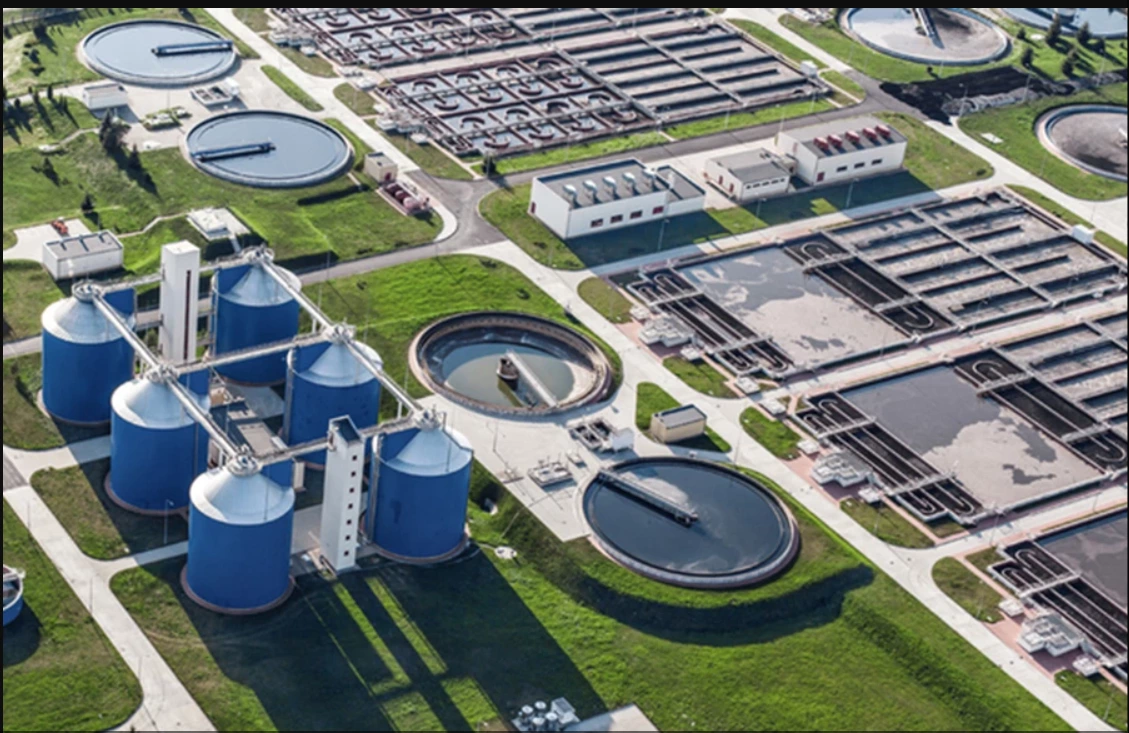
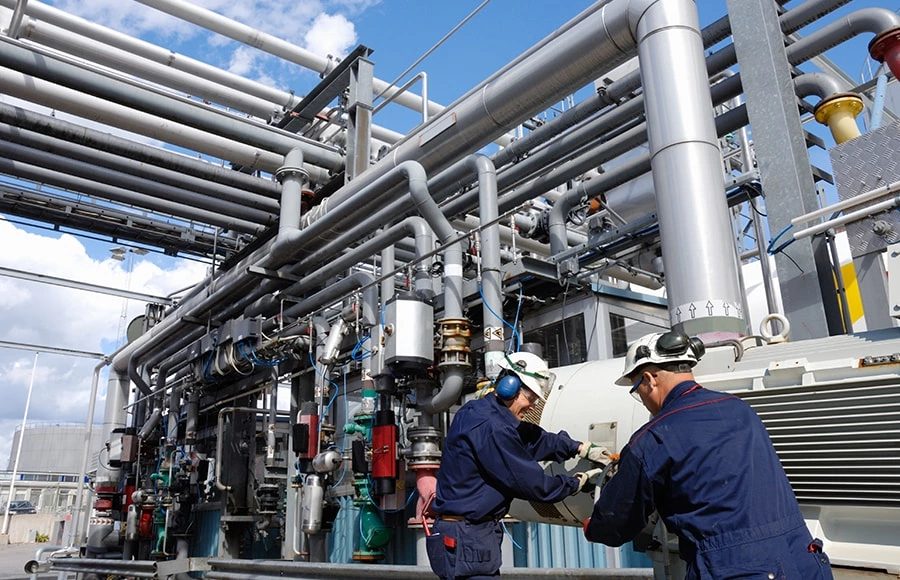
The electromagnetic BTU meter is commonly used in various applications, including district heating and cooling systems, HVAC (Heating, Ventilation, and Air Conditioning) systems, and industrial processes. It provides an accurate and precise reading of energy consumption, allowing for efficient energy management and billing.
In summary, an electromagnetic BTU meter is a device that utilizes electromagnetic flow measurement and temperature sensors to measure the heat energy exchanged in a heating or cooling system. It plays a vital role in monitoring and managing energy usage in various applications like residential buildings, greenhouse constructions, tenant buildings, and commercial buildings.
| Product |
Electromagnetic BTU meter |
| Model |
MIK-LDGR |
| Diameter nominal |
DN10 ~DN2000 |
| Accuracy |
±2%, (flow rate=1m/s) |
| Working pressure |
1.6 MPa |
| Liner material |
PFA, F46, Neoprene, PTFE, FEP |
| Electrode material |
Stainless steel SUS316L, Hastelloy C, Titanium, |
| Tantalum, Platinum-iridium |
| Medium temperature |
Integral type: -10℃~120℃ |
| Split type: -10℃~180℃ |
| Power supply |
85-245VAC,50/60Hz,22-26VDC |
| Electrical conductivity |
> 50μS/cm |
| Ingress protection |
IP65, IP68 |
1. What is the MIK-LDGR electromagnetic BTU meter?
The MIK-LDGR is an electromagnetic BTU meter that measures the thermal energy transferred in heating and cooling systems. It combines an electromagnetic flow sensor with temperature sensors and a calculator, and is used in chilled water systems, HVAC, heating systems and district energy networks.
2. What is a BTU, and what does a BTU meter measure?
BTU stands for British Thermal Unit, a basic unit for measuring thermal energy. A BTU meter measures how much heating or cooling energy a building, tenant or process consumes, for example the energy delivered by chilled water in an air conditioning system.
3. What are the main components of the MIK-LDGR?
- Electromagnetic flow sensor: measures the volumetric flow rate of the circulating liquid.
- Paired temperature sensors: installed at the inlet and outlet of the equipment to measure the temperature difference.
- Calculator: combines flow and temperature difference to calculate the energy exchanged.
4. How does the MIK-LDGR calculate thermal energy?
The flow sensor measures how much liquid passes through the system, and the paired temperature sensors measure the temperature difference between supply and return. In principle, the energy transferred is proportional to the flow rate multiplied by the temperature difference and the heat capacity of the liquid. The calculator performs this calculation continuously and accumulates the total energy.
5. Why use an electromagnetic flow sensor in a BTU meter?
An electromagnetic flow sensor has a full-bore design with no moving parts, so it offers low pressure loss, is not easily affected by dirt in the water, and needs little maintenance. It is also available in a very wide range of pipe sizes, making it suitable for everything from small branch lines to large district energy mains.
6. Can the MIK-LDGR measure both heating and cooling energy?
Yes. It is used in both chilled water (cooling) systems and heating systems, including district heating and cooling networks.
7. Where is the MIK-LDGR typically used?
Typical applications include commercial buildings, office buildings, residential and tenant buildings, industrial facilities, greenhouses, HVAC systems, and district heating and cooling systems, for energy monitoring, energy management and cost allocation.
8. What liquids can the MIK-LDGR measure?
The flow sensor measures conductive liquids such as chilled water, hot water, and water-glycol mixtures, as long as the liquid conductivity is above 50 μS/cm. Please send us the composition of your heat transfer fluid, especially if it contains glycol, so we can confirm suitability.
9. What is the minimum conductivity required?
The liquid conductivity must be greater than 50 μS/cm.
10. What pipe sizes are available?
The MIK-LDGR is available from DN10 to DN2000.
11. How accurate is the MIK-LDGR?
The accuracy is ±2% at a flow velocity of 1 m/s.
12. What is the working pressure?
The working pressure is 1.6 MPa.
13. What medium temperatures can it handle?
- Integral type: -10 °C to 120 °C
- Split type: -10 °C to 180 °C
For high-temperature heating systems, the split type is recommended.
14. What liner and electrode materials are available?
- Liners: PFA, FEP (F46), PTFE and neoprene
- Electrodes: SUS316L stainless steel, Hastelloy C, titanium, tantalum and platinum-iridium
The liner must be selected according to the medium temperature; our engineers can recommend a suitable combination.
15. What power supply does the MIK-LDGR require?
AC: 85–245 VAC, 50/60 Hz. DC: 22–26 VDC.
16. What is the ingress protection rating?
IP65 and IP68 versions are available. IP68 is recommended if the meter is installed in a pit or location where it may be submerged.
17. Where should the temperature sensors and flow sensor be installed?
The paired temperature sensors are installed at the inlet and outlet of the equipment or zone being measured, so the meter can determine the temperature difference. The flow sensor is installed in the same circuit. The exact positions depend on your system design; please follow the installation manual or contact our engineers.
18. Can the MIK-LDGR be used for energy billing?
The MIK-LDGR provides accurate energy readings for energy management and cost allocation. If the readings will be used for official billing, local regulations may require a certified or approved heat meter. Please tell us your billing requirements so we can confirm what can be provided.
19. What output signals and energy units are available?
Please tell us the signals your building management or energy management system requires, and the energy units you need (for example BTU or kWh). Our team will confirm a suitable configuration.
20. What should I consider during installation?
- The flow sensor pipe must always be completely full of liquid.
- Avoid air pockets; do not install at the highest point of the circuit.
- Provide sufficient straight pipe upstream and downstream of the flow sensor.
- Install the temperature sensors correctly on the supply and return lines.
- Ground the flow sensor properly for a stable signal.
21. What information should I provide to get a quotation?
To help us select the correct model, please provide:
- Application: heating, cooling or both
- Heat transfer fluid (water or water-glycol mixture) and conductivity
- Pipe size and flange standard
- Flow range (min / normal / max)
- Supply and return temperatures, and working pressure
- Integral or split type, and IP rating
- Power supply (AC or DC)
- Required outputs, energy units and billing requirements
- Quantity
Send your requirements to info@asmik.com or contact us via WhatsApp at +86 13325716921.