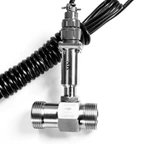
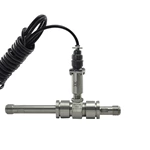
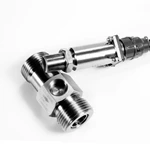
Specification
| Product |
Turbine flow sensor |
| Model |
MIK-LWGY |
| Diameter Nominal |
DN4~DN100 |
| Nominal Pressure |
86kPa~106kPa |
| Accuracy |
0.5%R, 1.0%R |
| Medium Temperature |
-20℃~+120℃ |
| Power Supply |
3.6V lithium battery; 220 VAC; 24VDC |
| Output Signal |
Pulse, 4-20mA, Modbus, Hart |
| Ingress protection |
IP65 |
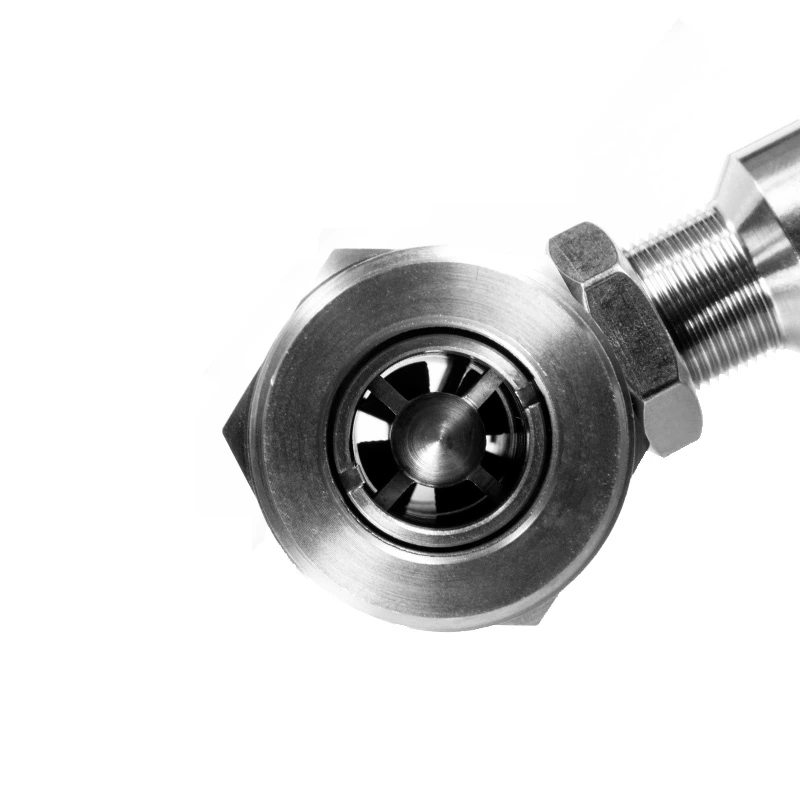
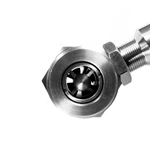
The fluid flows through the turbine flow sensor shell. Because the blade of the impeller has a certain angle with the flow direction, the impulse of the fluid makes the blade have rotation torque. After overcoming the friction torque and fluid resistance, the blade rotates. After the torque is balanced, the speed is stable. Under certain conditions, the speed is proportional to the flow rate. Because the blade has magnetic conductivity, it is in the position of the signal detector (composed of permanent magnetic steel and coil) of the magnetic field, the rotating blade cuts the magnetic line of force and periodically changes the magnetic flux of the coil, so that the electric pulse signal is induced at both ends of the coil.
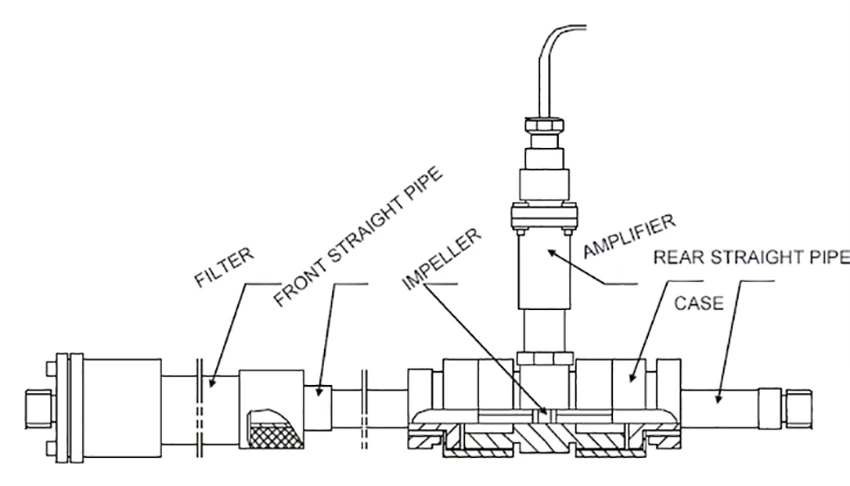
1. What is the MIK-LWGY turbine flow sensor?
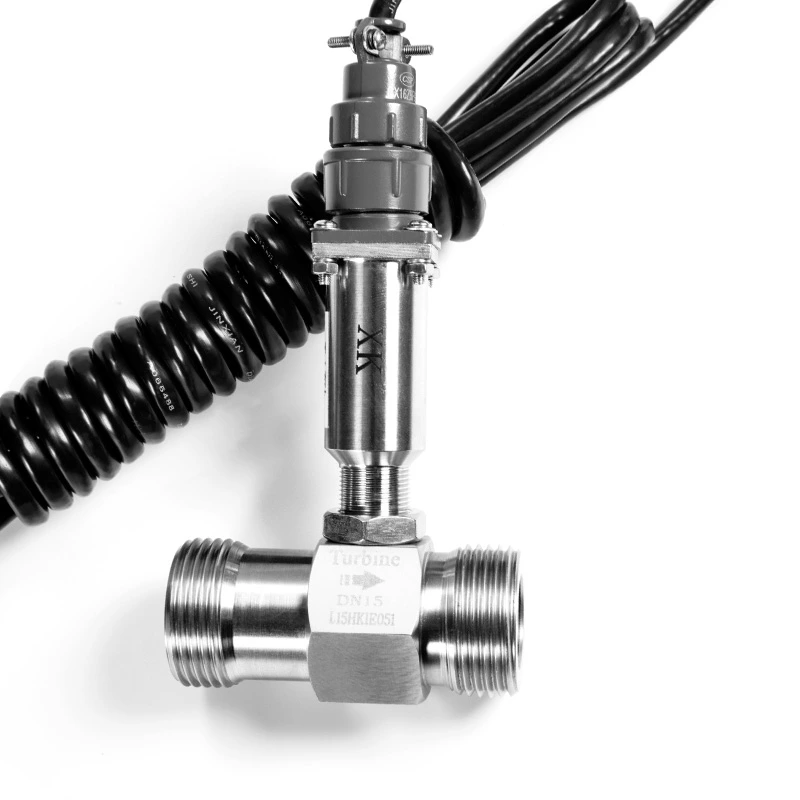
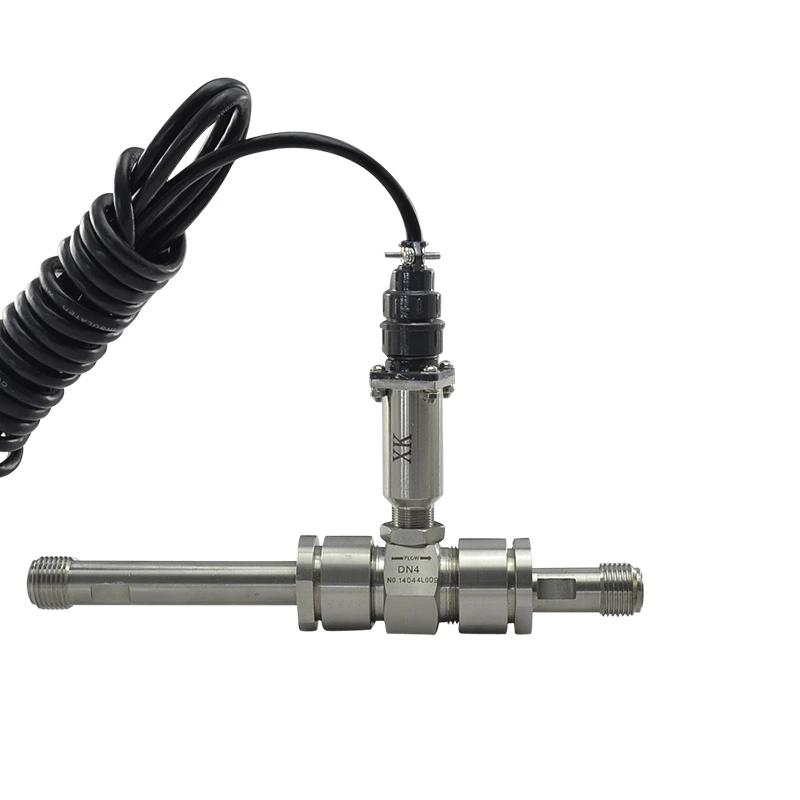
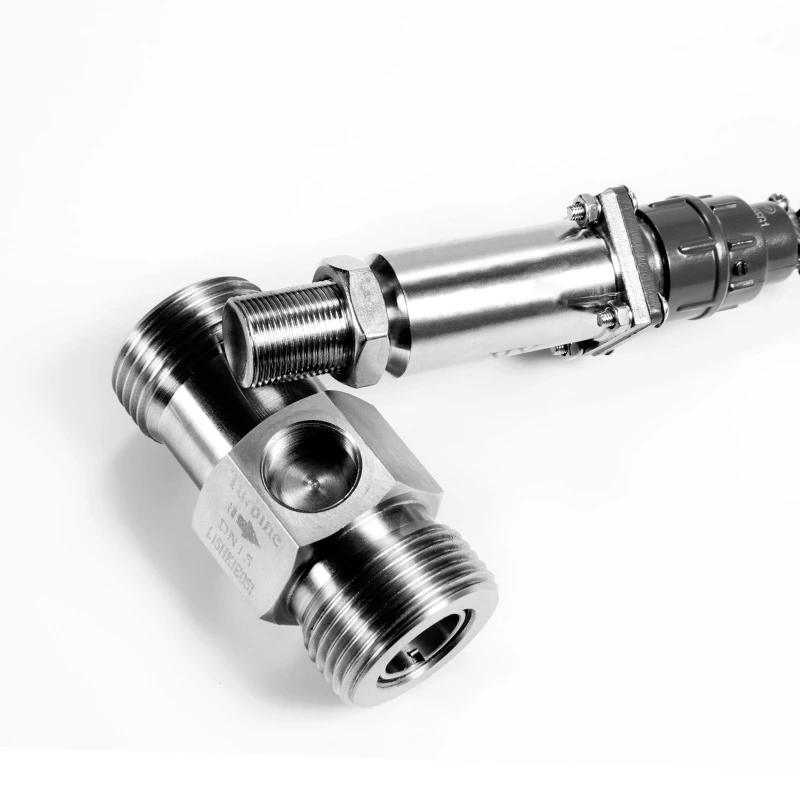
The MIK-LWGY turbine flow sensor is a liquid turbine flow sensor with thread connection. It is a velocity-type instrument for measuring the volume flow of low-viscosity liquids in closed pipes, offering high accuracy, good repeatability, a simple structure, low pressure loss and convenient maintenance.
2. How does the MIK-LWGY turbine flow sensor work?
Liquid flows through the sensor housing. Because the impeller blades are set at an angle to the flow, the liquid creates a torque that turns the impeller. Once this torque is balanced against friction and fluid resistance, the impeller rotates at a stable speed that, under given conditions, is proportional to the flow rate.
The blades are magnetically conductive. As they pass the signal detector, they periodically change the magnetic flux through the coil, inducing an electrical pulse at the coil terminals. The pulse frequency corresponds to the flow rate, and the total pulse count corresponds to the total volume.
3. What does the signal detector consist of?
The signal detector consists of a permanent magnet and a coil. The rotating magnetically conductive blades change the magnetic flux through the coil and generate the pulse signal.
4. What is the difference between the turbine flow sensor and the turbine flowmeter?
5. What liquids can the MIK-LWGY measure?
It measures clean, low-viscosity liquids in closed pipes. The measurement does not depend on conductivity, so it can be used for water and water-based liquids as well as low-viscosity non-conductive liquids such as light oils. Liquids containing fibers or solid particles are not recommended. Please send us your liquid details for confirmation.
6. What viscosity limit applies?
The medium viscosity should be less than 5×10⁻⁶ m²/s (5 cSt). For comparison, water at 20 °C is about 1 cSt. For liquids with viscosity above 5×10⁻⁶ m²/s, the flowmeter needs to be calibrated with the actual liquid before use. Please tell us the viscosity at your operating temperature.
7. What pipe sizes are available?
The MIK-LWGY turbine flow sensor is available from DN4 to DN100 with thread connection.
8. How accurate is the MIK-LWGY?
Accuracy options are 0.5%R and 1.0%R, where %R means percent of reading.
9. What flow range does each size cover?
The flow range depends on the meter size. Please send us your minimum, normal and maximum flow rates, and our engineers will select a size whose range covers your application.
10. What medium temperature can it handle?
The medium temperature range is -20 °C to +120 °C.
11. What working pressure and thread standards are available?
Please tell us your working pressure and the thread standard used in your piping (for example BSP or NPT), and our team will confirm a suitable configuration.
12. What power supply options are available?
- 3.6 V lithium battery
- 220 VAC
- 24 VDC
The battery option is useful where no external power is available. Please confirm which output signals you need, as the available outputs may depend on the power supply option.
13. What output signals are available?
Output options include pulse, 4–20 mA, Modbus and HART. The pulse signal can be connected to counters, totalizers, PLCs and batching controllers.
14. What is the ingress protection rating?
The ingress protection rating is IP65.
15. Can the MIK-LWGY measure gas?
No. The MIK-LWGY is a liquid turbine flowmeter. For gas or steam measurement, consider our vortex flowmeters.
16. Do I need a filter before the meter?
Particles can damage the rotor and bearings, so a filter or strainer is generally recommended upstream of the meter, especially if the liquid may contain debris.
17. What should I consider during installation?
- Install the meter with the flow direction arrow matching the actual flow.
- Provide sufficient straight pipe upstream and downstream of the meter.
- Keep the pipe full of liquid and free of air bubbles.
- Install a filter upstream when the liquid may contain particles.
- Avoid strong vibration and strong magnetic fields near the pickup.
Please follow the installation manual or contact our engineers for site-specific requirements.
18. How much maintenance does the MIK-LWGY need?
It has a simple structure and is easy to maintain. Because the rotor and bearings are moving parts, periodic inspection is recommended, especially for liquids that may contain particles.
19. Turbine or electromagnetic flowmeter: which should I choose?
A turbine flowmeter suits clean, low-viscosity liquids, including non-conductive ones. An electromagnetic flowmeter suits conductive liquids, including dirty water and slurries, and has no moving parts.
20. Which industries use the MIK-LWGY?
It is widely used in petroleum, chemical, metallurgy, water supply and papermaking industries.
21. What information should I provide to get a quotation?
To help us select the correct model, please provide:
- Liquid name and viscosity at operating temperature
- Flow range (min / normal / max)
- Pipe size, thread standard and working pressure
- Liquid temperature
- Required accuracy (0.5%R or 1.0%R)
- Power supply (battery, 220 VAC or 24 VDC)
- Output signal (pulse, 4–20 mA, Modbus, HART) and how the signal will be used
- IP rating and any hazardous area requirements
- Quantity
Send your requirements to info@asmik.com or contact us via WhatsApp at +86 13325716921.