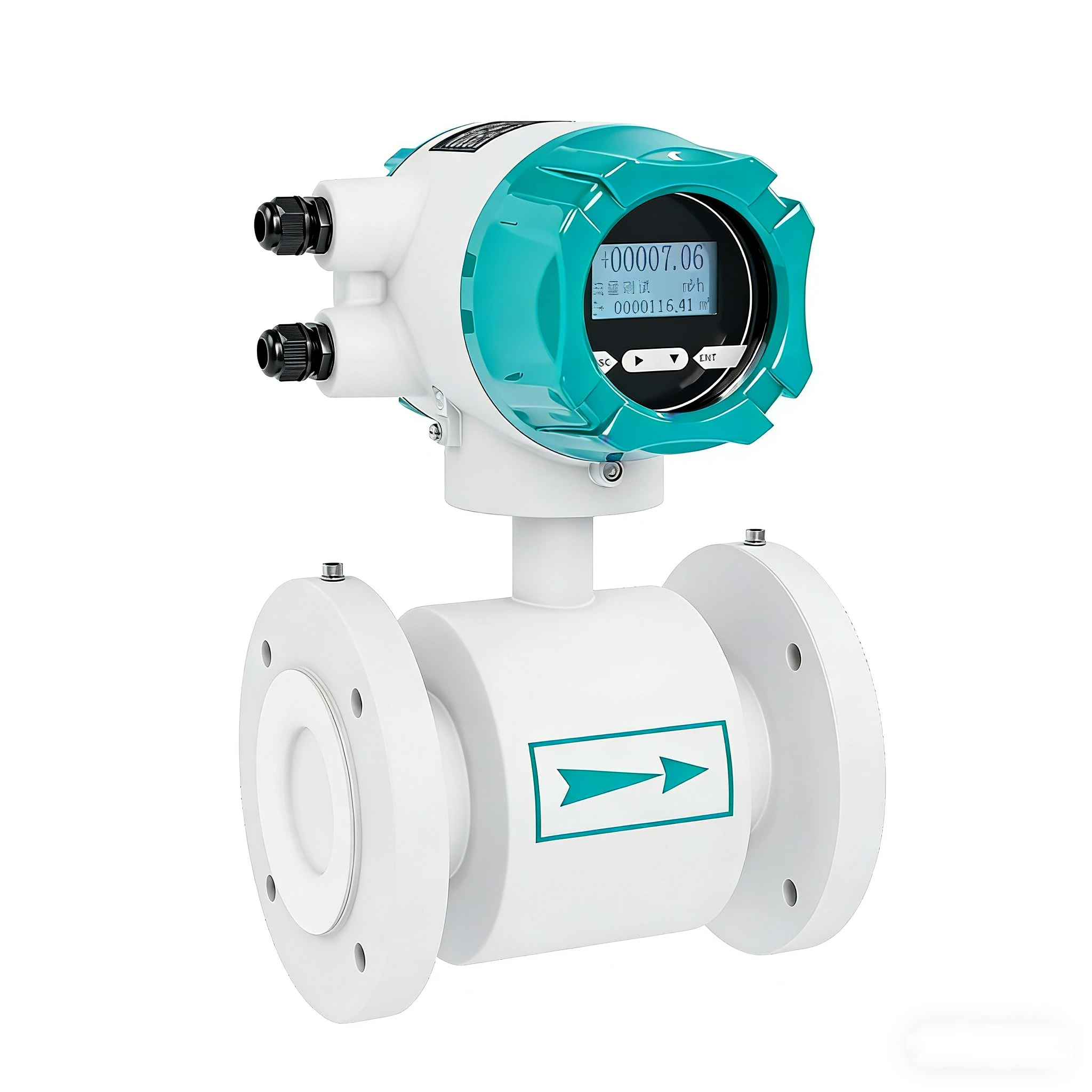
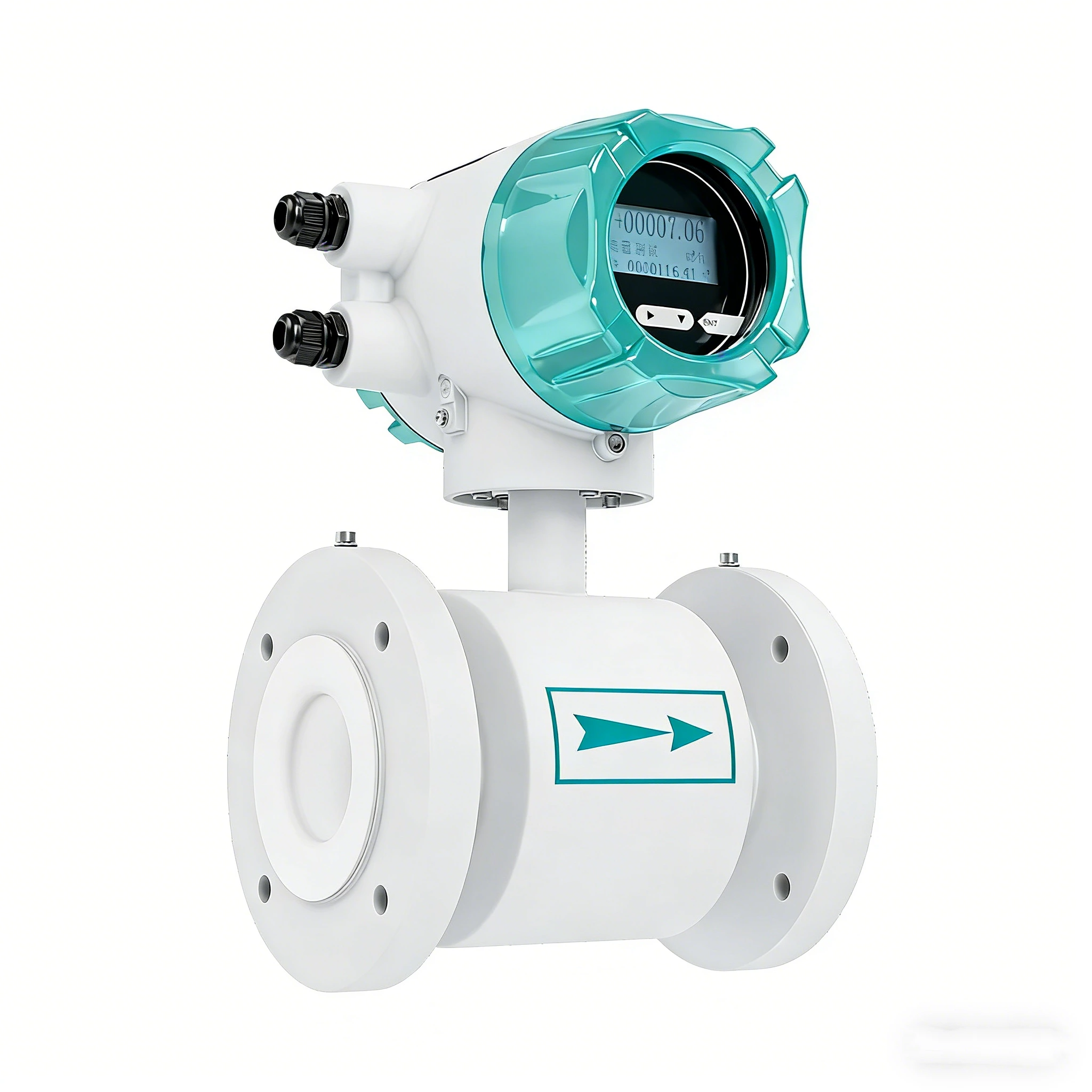
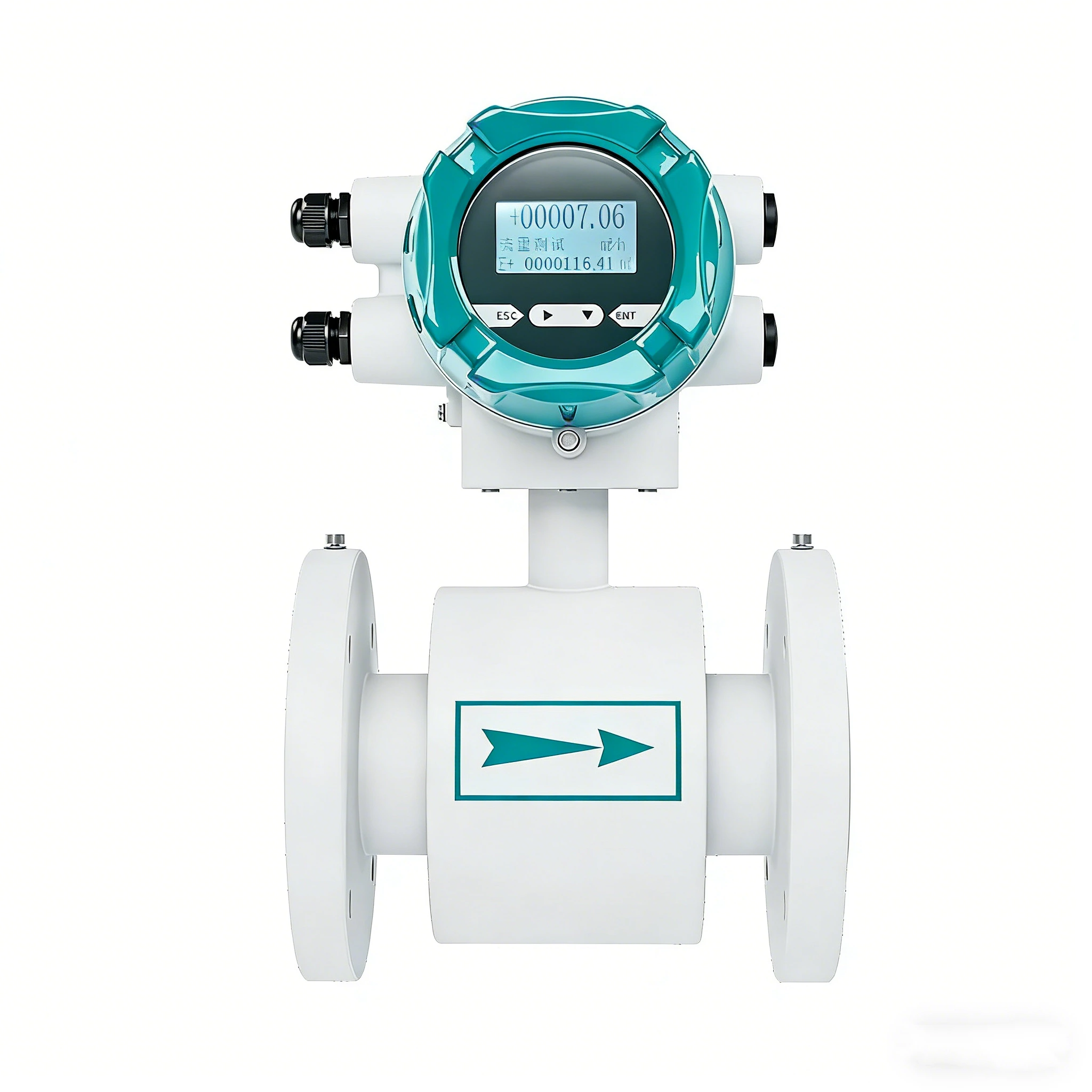
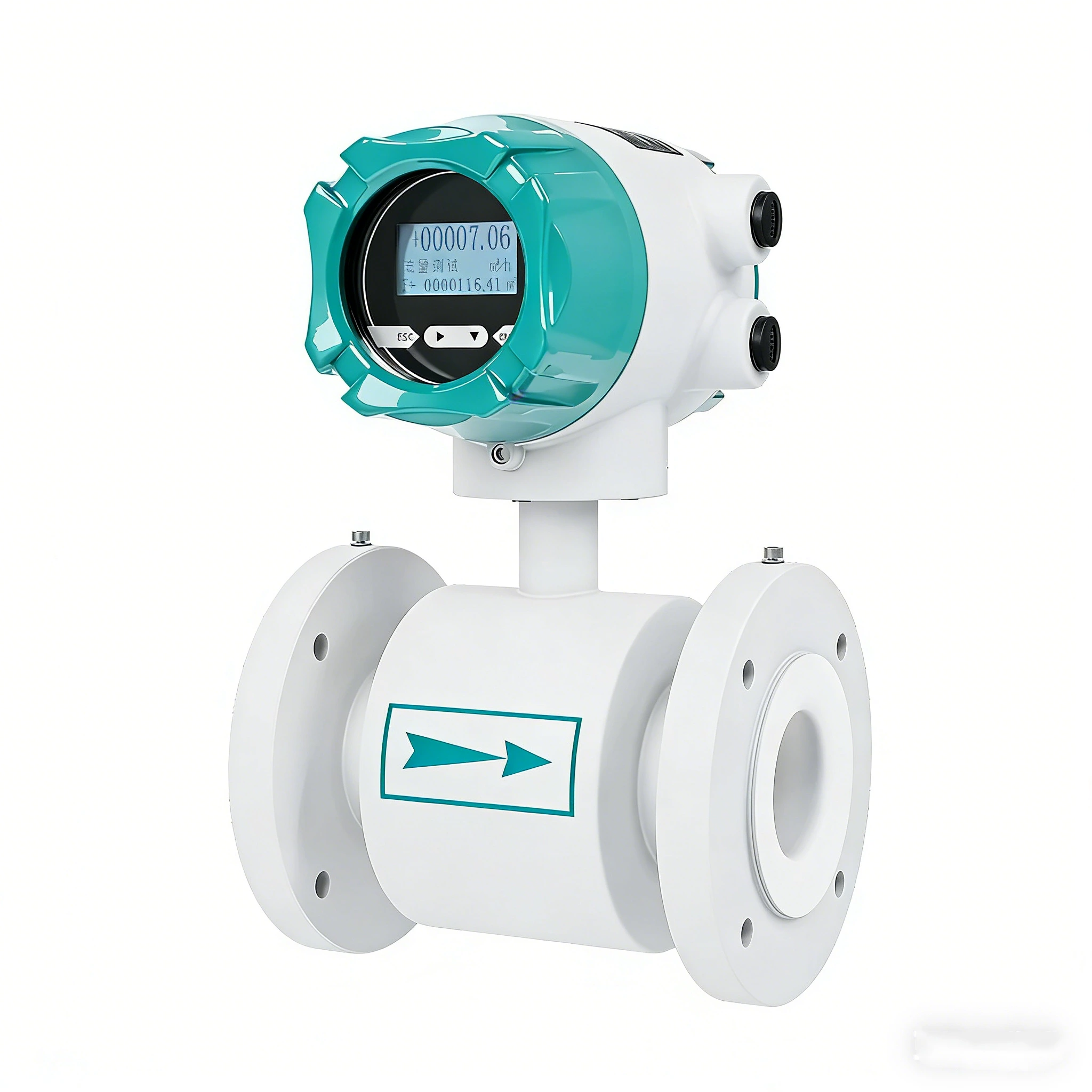
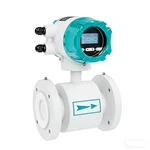
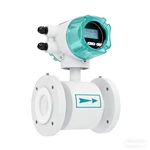
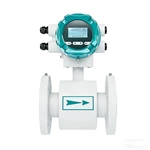
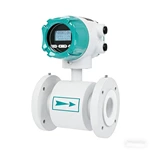
Specification
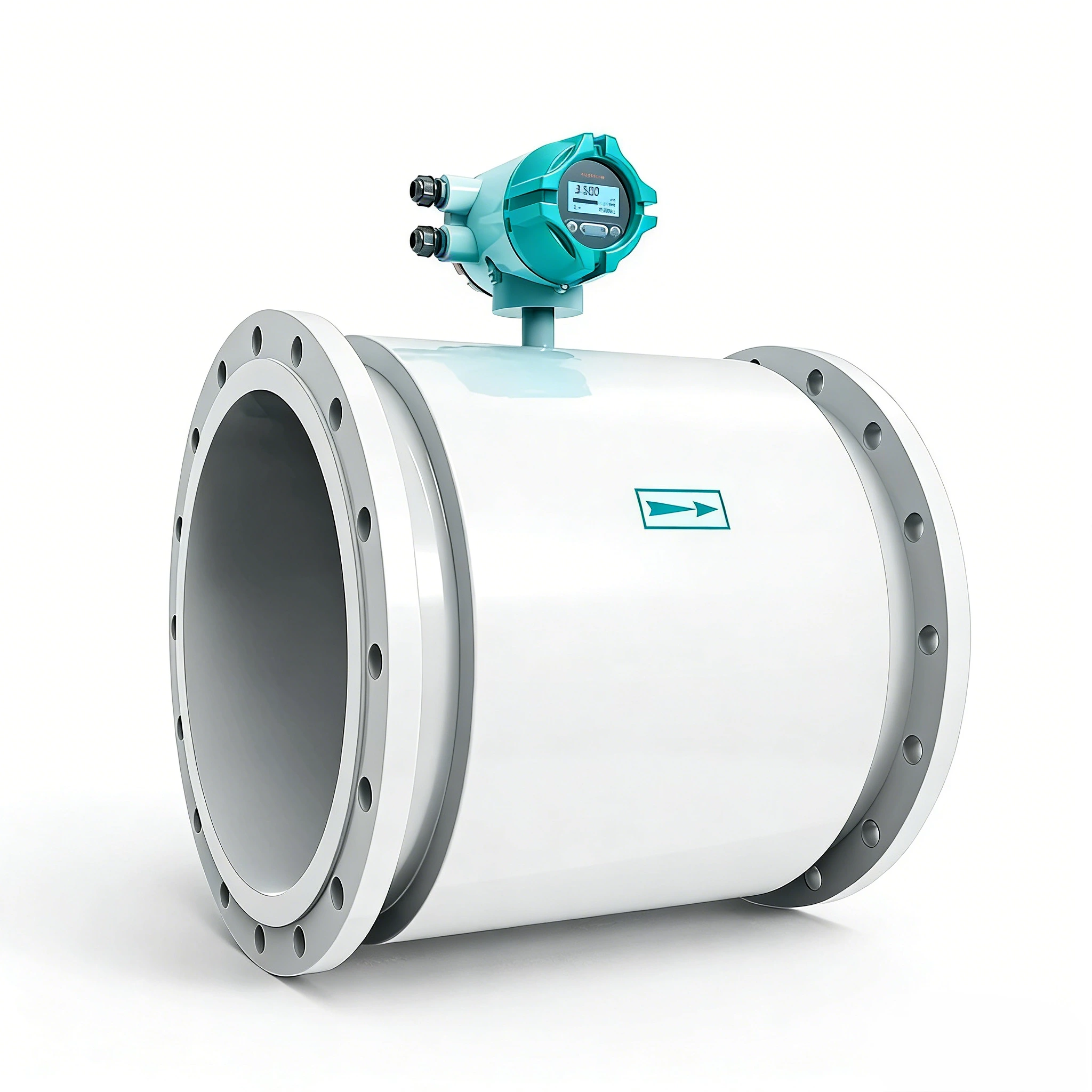
The electromagnetic flowmeter is designed based on the Faraday electromagnetic induction principle and are used to directly measure the flow rate of conductive liquids in closed pipelines. During on-site monitoring and display, standard current signals, pulse signals, and RS485 digital signals can be output for recording, adjustment, and control, achieving automatic detection and control. It can be widely used in industries such as tap water, chemical industry, coal, environmental protection, light textile, metallurgy, papermaking, etc.
| Product |
Electromagnetic flowmeter |
| Model |
MIK-FMC400 |
| Diameter nominal |
DN10~DN1000 |
| Nominal pressure |
DN15 - DN250, PN ≤1.6MPa |
| DN300 - DN1000, PN ≤1.0MPa |
| Accuracy |
Measurement value ±0.5%(Flow velocity 0.5m/s~5m/s) |
| Repetitiveness |
0.16% |
| Liner material |
CR,UR,PTFE(F4),FEP(F46),and PTFE(PTA) |
| Electrode material |
316L Stainless Steel, Hastelloy C, Hastelloy B, Ti, Ta, Pt |
| Medium temperature |
Polyurethane: -10…+60℃ ;PTFE/FEP: -10…+120℃;Chloroprene: -10…+70℃;PFA: -10…+120℃ |
| Power supply |
AC:85V~264V,50Hz~60Hz; DC:18V~28V |
| Communications |
RS485,MODBUS-RTU |
| Ingress protection |
IP65 |
1. What is the MIK-FMC400 low conductivity electromagnetic flow meter?
The MIK-FMC400 is an electromagnetic flow meter designed for measuring the flow of conductive liquids with low conductivity in closed pipelines. It provides current, pulse and RS485 outputs for on-site monitoring, recording and automatic control.
2. Why use a low conductivity electromagnetic flow meter?
Every electromagnetic flow meter needs the liquid to have a certain minimum conductivity to produce a stable signal. When a liquid's conductivity is lower than a standard meter can reliably handle, a low conductivity design such as the MIK-FMC400 is used instead.
3. What is the minimum conductivity the MIK-FMC400 can measure?
The measurable minimum depends on the liquid, pipe size and installation. Please send us the measured conductivity of your liquid (in μS/cm) together with its temperature, and our engineers will confirm whether the MIK-FMC400 is suitable.
4. Can it measure pure water, deionized water or oil?
No electromagnetic flow meter can measure non-conductive liquids such as oils, fuels or most organic solvents. Ultra-pure and deionized water are generally below the measurable range of electromagnetic meters. For these liquids, consider our ultrasonic flowmeters or Coriolis mass flowmeters, or send us your conductivity value for confirmation.
5. How does the MIK-FMC400 work?
It works on Faraday's law of electromagnetic induction. When a conductive liquid flows through the magnetic field in the measuring tube, it induces a voltage proportional to the flow velocity. The electrodes detect this voltage, and the converter calculates the flow rate.
6. What variables does the MIK-FMC400 measure?
It directly measures flow velocity. Volume flow and mass flow are calculated values; mass flow is calculated using a configured density.
7. What pipe sizes are available?
The MIK-FMC400 is available from DN10 to DN1000.
8. How accurate is the MIK-FMC400?
- Accuracy: ±0.5% of measured value, within a flow velocity of 0.5–5 m/s
- Repeatability: 0.16%
9. What flow velocity range is recommended?
The typical flow velocity range is 0.5 m/s to 5 m/s. Select the meter size so that your normal flow falls within this range.
10. What liner materials are available?
- Chloroprene (CR): -10 °C to +70 °C
- Polyurethane (PU): -10 °C to +60 °C
- PTFE (F4) / FEP (F46): -10 °C to +120 °C
- PFA: -10 °C to +120 °C
11. What electrode materials are available?
Options include 316L stainless steel, Hastelloy C, Hastelloy B, titanium (Ti), tantalum (Ta) and platinum (Pt). Send us the liquid name and concentration so we can recommend a suitable electrode.
12. What pressure ratings are available?
- DN15–DN250: PN ≤1.6 MPa
- DN300–DN1000: PN ≤1.0 MPa
High-pressure versions can be customized.
13. What outputs and communication are available?
The MIK-FMC400 provides a standard current signal, pulse output and RS485 communication with Modbus-RTU protocol, allowing connection to PLC, DCS and SCADA systems for recording, adjustment and control.
14. What power supply does the MIK-FMC400 require?
AC: 85–264 V, 50–60 Hz. DC: 18–28 V.
15. What is the ingress protection rating?
The ingress protection rating is IP65.
16. Can the MIK-FMC400 be used in hazardous areas?
17. Which industries use the MIK-FMC400?
Typical industries include tap water, chemical, coal, environmental protection, light industry and textiles, metallurgy, and papermaking.
18. What should I consider during installation?
- The measuring tube must always be completely full of liquid.
- Provide sufficient straight pipe upstream and downstream of the meter.
- Ground the sensor properly; stable grounding is especially important for low conductivity liquids.
- Keep the meter away from strong magnetic fields, large motors and heavy vibration.
- Avoid air bubbles at the electrodes; vertical pipes with upward flow are preferred.
Please follow the installation manual or contact our engineers for site-specific requirements.
19. Does the MIK-FMC400 need much maintenance?
No. It has a full-bore design with no moving parts or throttling components, so maintenance needs and pressure loss are minimal. It also supports bidirectional flow measurement. For liquids that form deposits, periodic electrode inspection is recommended.
20. Are the specifications the same for every unit?
Specifications may differ for individual configurations. If there is any difference, the information on the product nameplate shall prevail.
21. What information should I provide to get a quotation?
To help us select the correct model, please provide:
- Liquid name and measured conductivity (μS/cm)
- Flow range (min / normal / max)
- Pipe size and flange standard
- Liquid temperature and working pressure
- Preferred liner and electrode materials (if known)
- Power supply (AC or DC)
- Output and communication requirements
- Hazardous area requirements (if any)
- Special requirements and quantity
Send your requirements to info@asmik.com or contact us via WhatsApp at +86 13325716921.