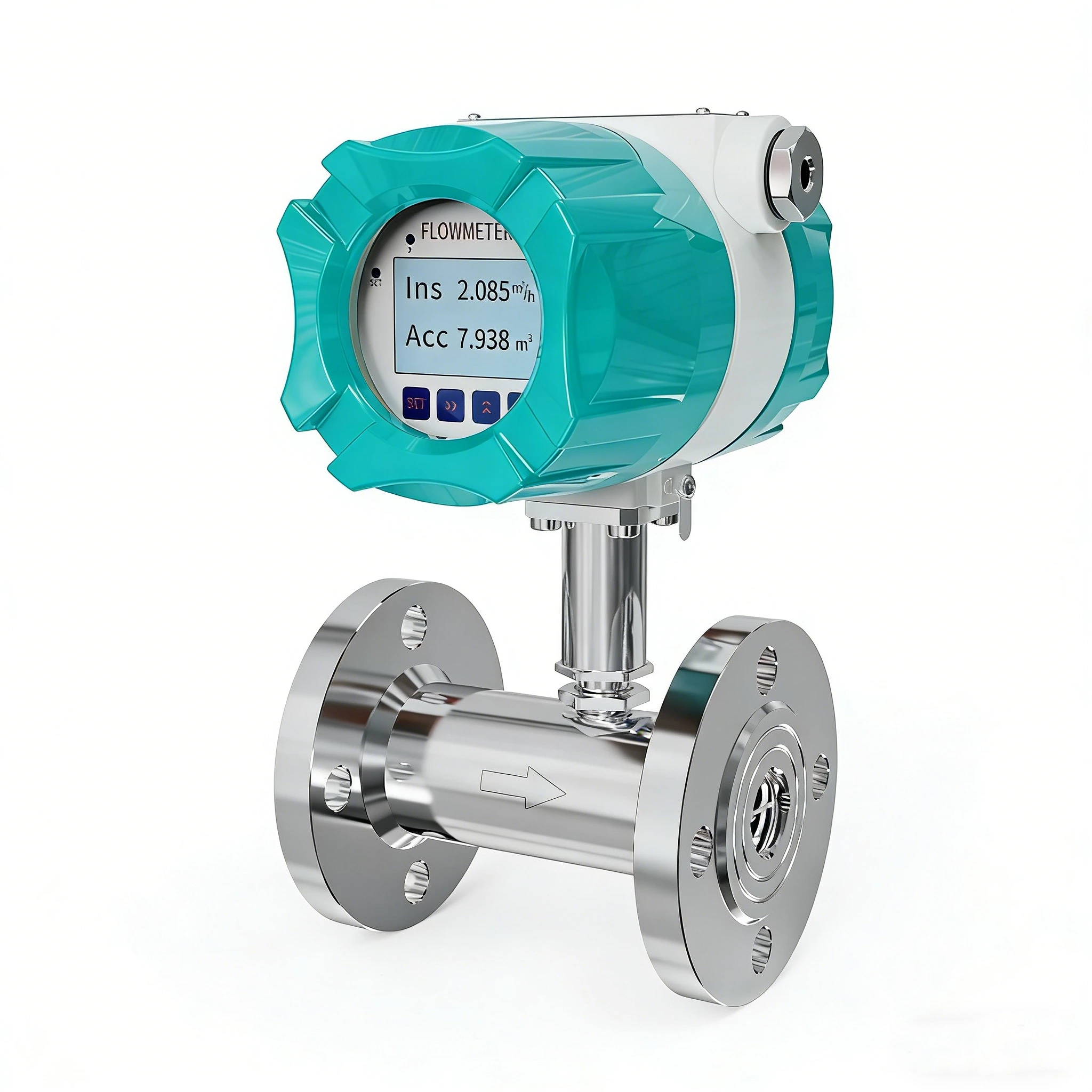
Specification
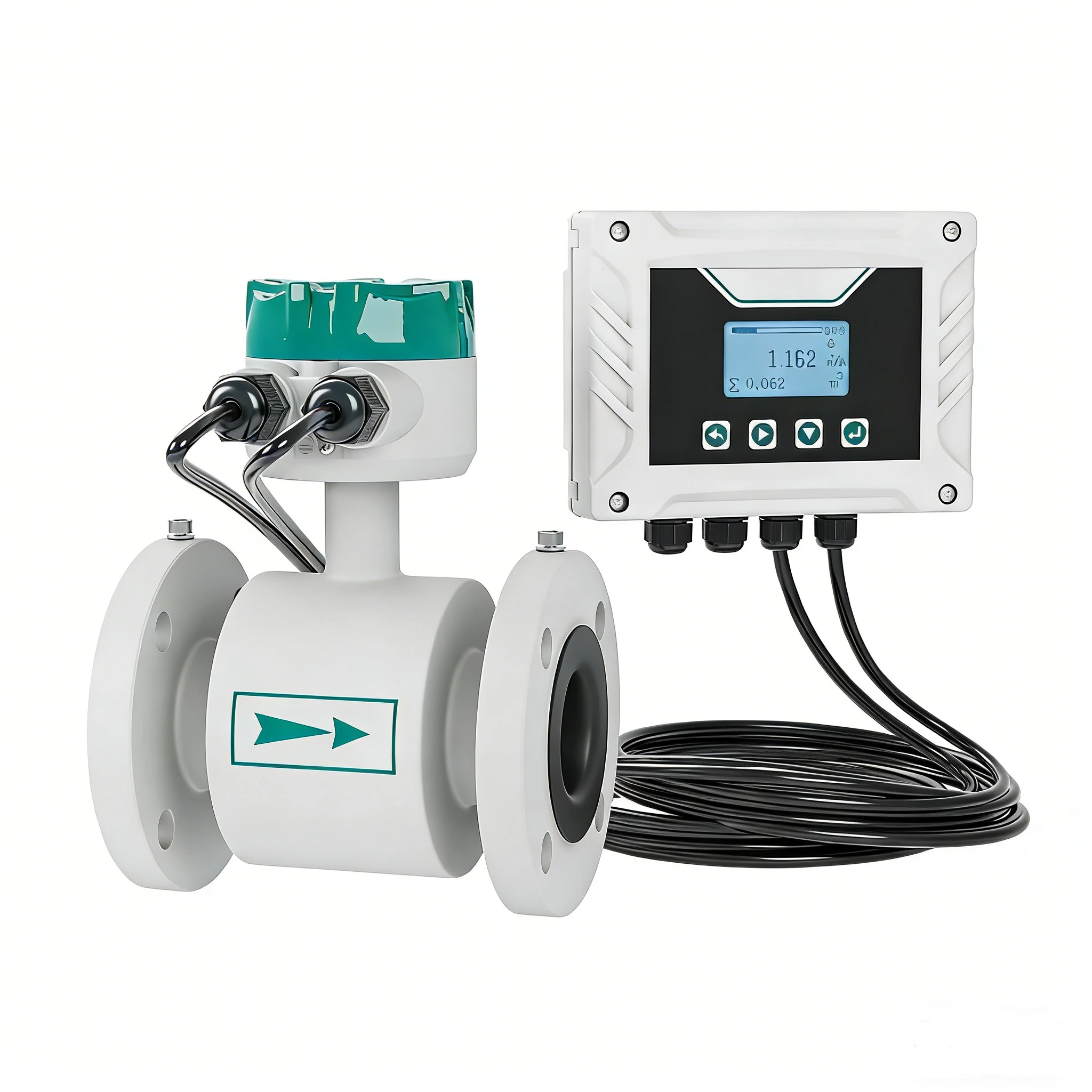
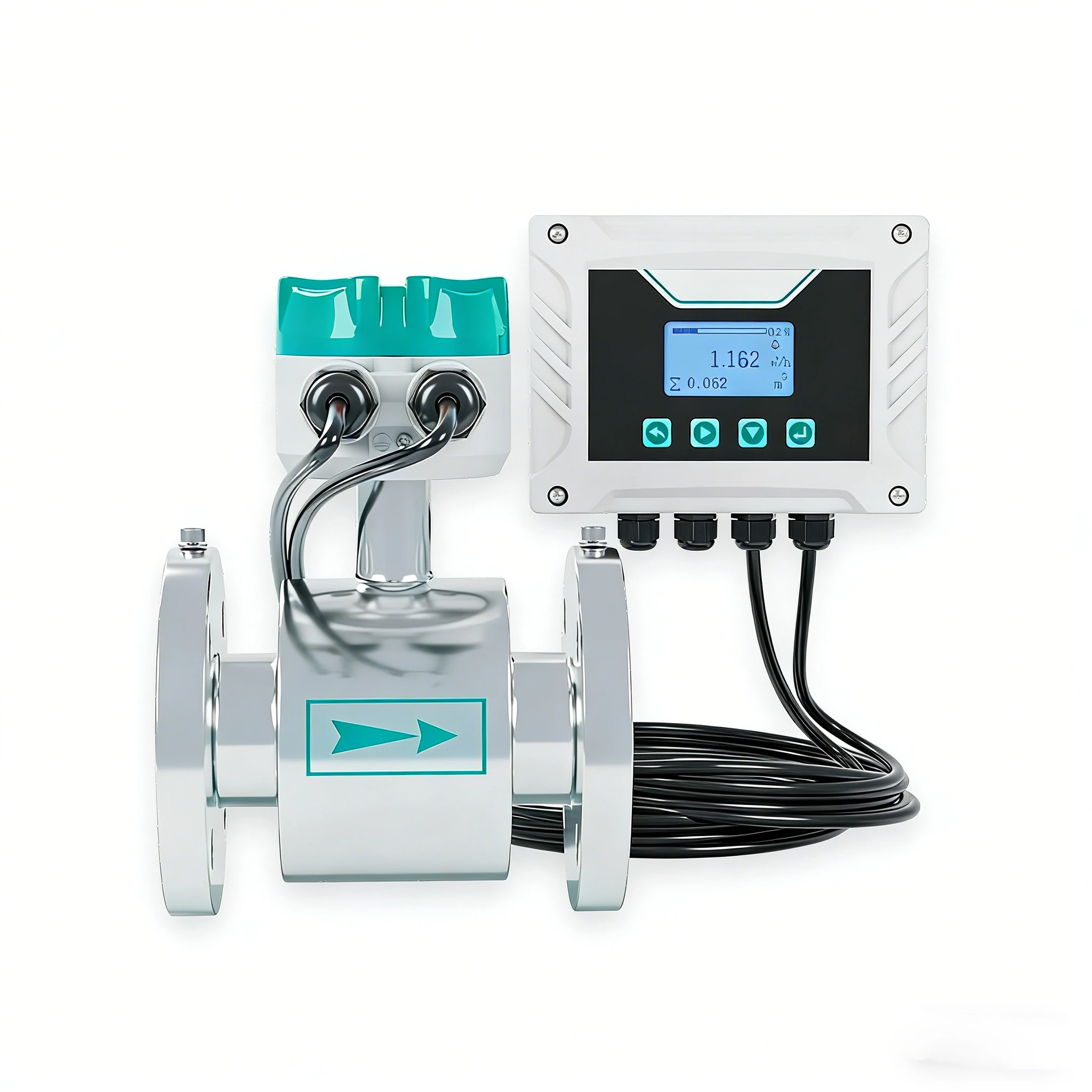
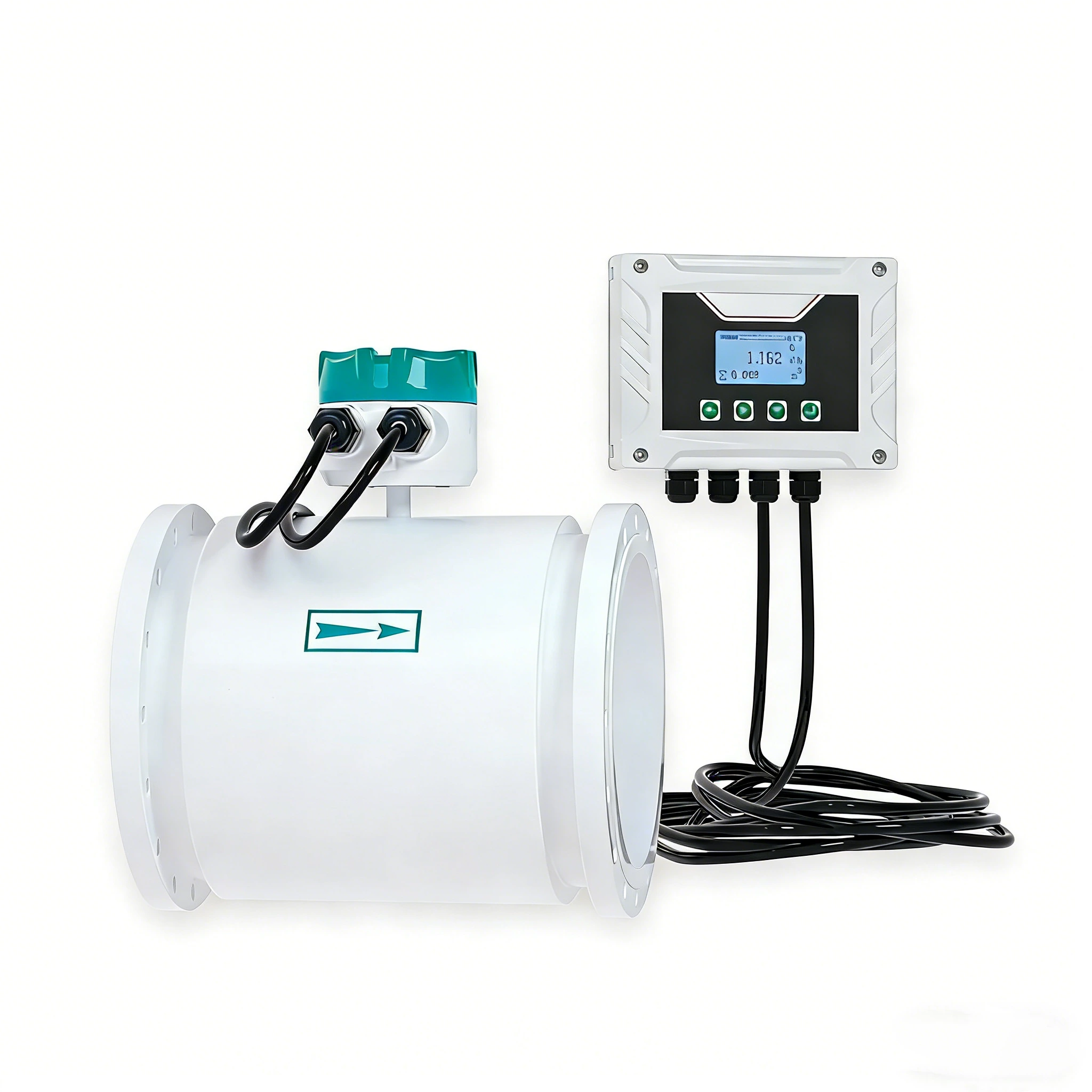
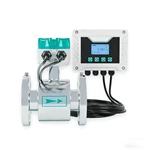
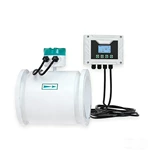
The MIK-LDG remote water flow meter is a device used to measure the flow rate of water in a pipeline or other water system. This type of meter is designed to be installed at a distance from the point of measurement, allowing for remote monitoring of water usage and flow rates.
Remote water flow meters are commonly used in industrial and commercial applications, where accurate measurement of water usage is important for billing and other purposes. They can also be used in residential settings to monitor water usage and identify leaks or other issues.
One of the key benefits of a remote water flow meter is that it allows for real-time monitoring of water usage. This can help to identify leaks or other issues early on, allowing for prompt repairs and reducing the risk of water damage or other problems.
Another advantage of remote water flow meters is that they can be integrated with other systems, such as building automation systems or water management software. This allows for more efficient management of water usage, as well as improved tracking and reporting of water consumption.
When selecting a remote water flow meter, it is important to consider factors such as accuracy, reliability, and ease of installation. It is also important to choose a meter that is compatible with the specific type of water system being monitored.
| Product |
Electromagnetic flowmeter |
| Model |
MIK-LDG |
| Diameter nominal |
DN15~DN1200 |
| Nominal pressure |
DN15 - DN250, PN ≤1.6MPa; DN300 - DN1000, PN ≤1.0MPa; DN1200, PN ≤0.6 MPa; Higher pressure can be customized |
| Accuracy |
±0.5% F.S. (Flow speed > 1m/s); ±0.5% F. S. ±2mm/s (Flow speed <1m/s) |
| Liner material |
Neoprene (CR), Polyurethane (PU), PTFE (F4), PFEP (F46), PFA |
| Electrode material |
316L Stainless Steel, Hastelloy C, Hastelloy B, Ti, Ta, Pt |
| Medium temperature |
Neoprene: -10…+60℃ Polyurethane: -10…+60℃ PTFE/FEP: -10…+120℃ PFA: -10…+180℃ |
| Power supply |
85-245VAC,50/60Hz, 22VDC-26VDC |
| Electrical conductivity |
Water min.20μS/cm;other medium min.5μS/cm |
| Structure type |
Compact type, Remote type |
| Ingress protection |
IP65 for converter, IP68 for sensor |
| Product standard |
JB/T 9248-1999 Electromagnetic Flow Meter |
1. What is the MIK-LDG remote type electromagnetic flowmeter?
The MIK-LDG remote type is an electromagnetic flowmeter for conductive liquids, in which the sensor and the converter (transmitter) are installed in different locations. It is widely used for water supply, sewage, irrigation and industrial chemical measurement, and offers pulse, 4–20 mA and RS485 outputs.
2. What is the difference between a remote type and a compact type?
In a compact type, the converter is mounted directly on the sensor. In a remote type, the sensor is installed in the pipeline and the converter is installed separately, connected to the sensor by cable. The display and wiring can then be placed where they are easy to read and service. Note that "remote" here refers to the separate mounting of the converter, not wireless transmission.
3. When should I choose the remote type?
- The measuring point is in a pit, valve chamber, well or flood-prone area
- The pipeline is hard to reach, or the display would be difficult to read
- The pipeline has strong vibration
- The ambient or process temperature at the pipeline is high
- You want to centralize converters in a control room or cabinet
4. Can the sensor be installed underwater or in a flooded pit?
The sensor of the remote type has IP68 protection, making it suitable for pits, wells and other locations where it may be submerged. The converter has IP65 protection and should be installed in a dry, accessible place. Please tell us the expected water depth and immersion duration so we can confirm the configuration.
5. How long can the cable between the sensor and converter be?
The cable length depends on the installation and the liquid's conductivity. Please tell us the distance between the sensor and the converter when ordering, and we will supply a suitable cable length.
6. What liquids can the MIK-LDG remote type measure?
It measures conductive liquids only, such as tap water, raw water, irrigation water, sewage, and industrial chemical liquids. It cannot measure gases, steam or non-conductive liquids such as oils.
7. What is the minimum conductivity required?
8. What pipe sizes and flange standards are available?
Pipe sizes range from DN15 to DN1200, with ANSI, JIS or DIN flanges.
9. How accurate is the MIK-LDG remote type?
- ±0.5% F.S. when flow velocity is above 1 m/s
- ±0.5% F.S. ±2 mm/s when flow velocity is below 1 m/s
- Repeatability: 0.15%
10. What liner materials are available?
- Neoprene (CR): -10 °C to +60 °C
- Polyurethane (PU): -10 °C to +60 °C
- PTFE (F4) / FEP (F46): -10 °C to +120 °C
- PFA: -10 °C to +180 °C
As a general guide, CR is commonly used for water and sewage, PU for abrasive media, and PTFE, FEP or PFA for corrosive chemicals and higher temperatures.
11. What electrode materials are available?
Options include 316L stainless steel, Hastelloy C, Hastelloy B, titanium (Ti), tantalum (Ta) and platinum (Pt). 316L is commonly used for water; the other materials are used for more corrosive liquids. Send us the liquid name and concentration for a recommendation.
12. What pressure ratings are available?
- DN15–DN250: PN ≤1.6 MPa
- DN300–DN1000: PN ≤1.0 MPa
- DN1200: PN ≤0.6 MPa
Higher pressure ratings can be customized.
13. What outputs and communication are available?
Output options include pulse, 4–20 mA and RS485 communication. These allow the meter to be connected to PLC and SCADA systems, building automation systems or water management software for real-time monitoring and reporting.
14. What power supply does the MIK-LDG remote type require?
AC: 85–245 VAC, 50/60 Hz. DC: 22–26 VDC.
15. What are the protection ratings?
- Sensor: IP68
- Converter: IP65
16. Can the remote type help detect water leaks?
Yes. With continuous flow data sent to a monitoring system, unusual consumption, such as flow during periods when usage should be zero, can be identified early, allowing leaks to be found and repaired sooner.
17. Is the MIK-LDG remote type suitable for irrigation and water supply?
Yes. Irrigation water, tap water and raw water are typical media. The IP68 sensor suits buried valve chambers and pits common in irrigation and water distribution networks, while the converter can be installed in an accessible location.
18. Which standard does the MIK-LDG follow?
The MIK-LDG is manufactured according to the JB/T 9248 standard for electromagnetic flowmeters.
19. What should I consider during installation?
- The measuring tube must always be completely full of liquid.
- Provide sufficient straight pipe upstream and downstream of the sensor.
- Ground the sensor properly for a stable signal.
- Route the signal cable away from power cables and strong electromagnetic sources.
- Install the converter in a dry, accessible location.
Please follow the installation manual or contact our engineers for site-specific requirements.
20. Does the remote type need much maintenance?
No. It has a full-bore design with no moving parts or flow obstructions, so maintenance needs and pressure loss are minimal. It also supports bidirectional flow measurement. For liquids that form deposits, periodic electrode inspection is recommended.
21. What information should I provide to get a quotation?
To help us select the correct model, please provide:
- Liquid name and conductivity
- Flow range (min / normal / max)
- Pipe size and flange standard (ANSI, JIS or DIN)
- Liquid temperature and working pressure
- Preferred liner and electrode materials (if known)
- Cable length between sensor and converter
- Installation conditions (e.g., pit, underwater, vibration)
- Power supply (AC or DC)
- Output requirements (pulse, 4–20 mA, RS485) and quantity
Send your requirements to info@asmik.com or contact us via WhatsApp at +86 13325716921.