Specification
Frequent calibration is the best habit to maintain the measurement accuracy of the pH sensor/controller, because calibration can make your readings accurate and reliable. All sensors are based on slope and offset (Nernst equation). However, all sensors will change as the age. The pH calibration solution can also alert you if the sensor is damaged and needs to be replaced.
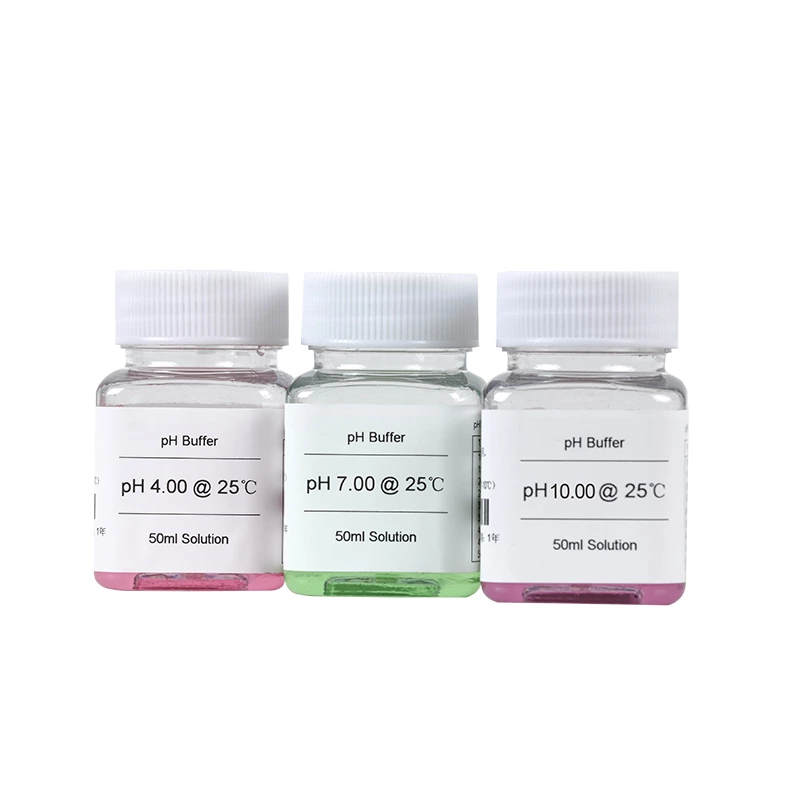
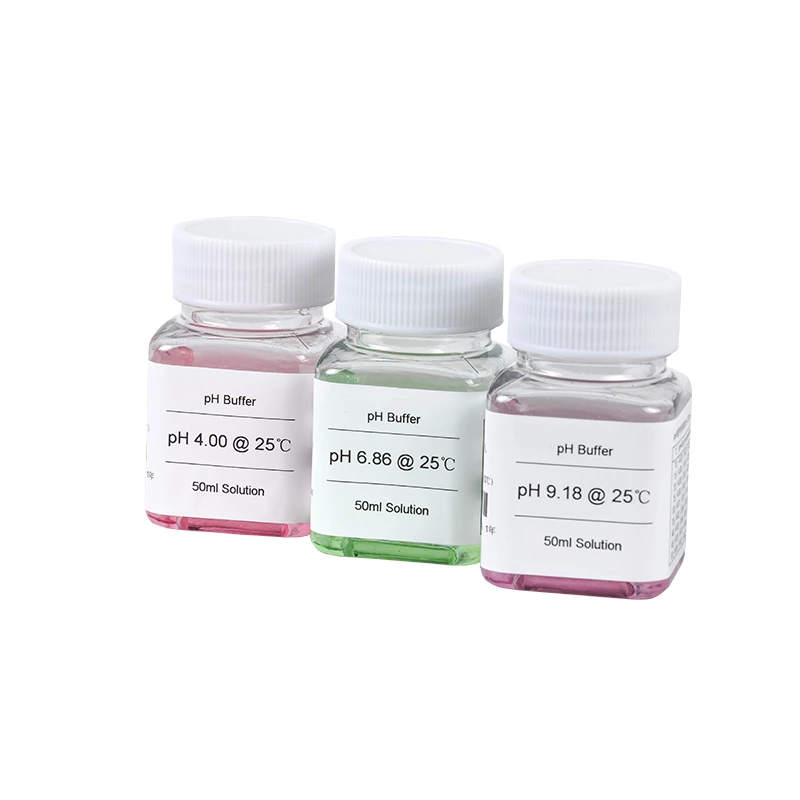
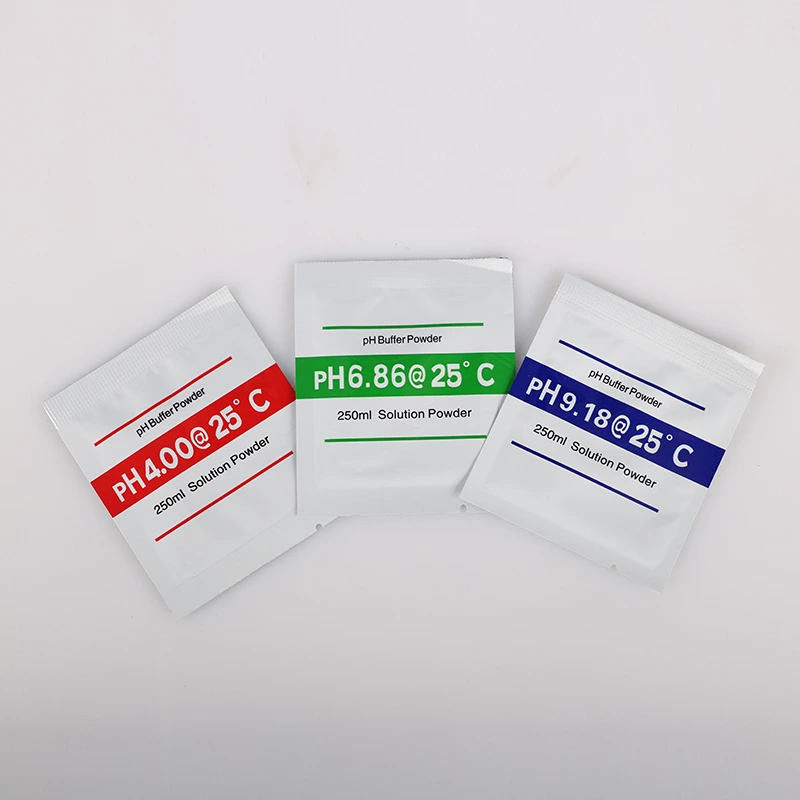
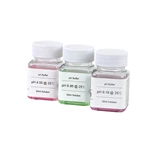
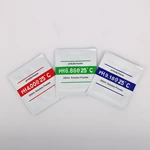
The standard pH calibration solutions have an accuracy of +/- 0.01 pH at 25°C (77°F). Asmik can provide the most popular and commonly used buffers (4.00, 7.00, 10.00 and 4.00, 6.86, 9.18) and which are dyed different colors so they can be easily identified when you are busy working.
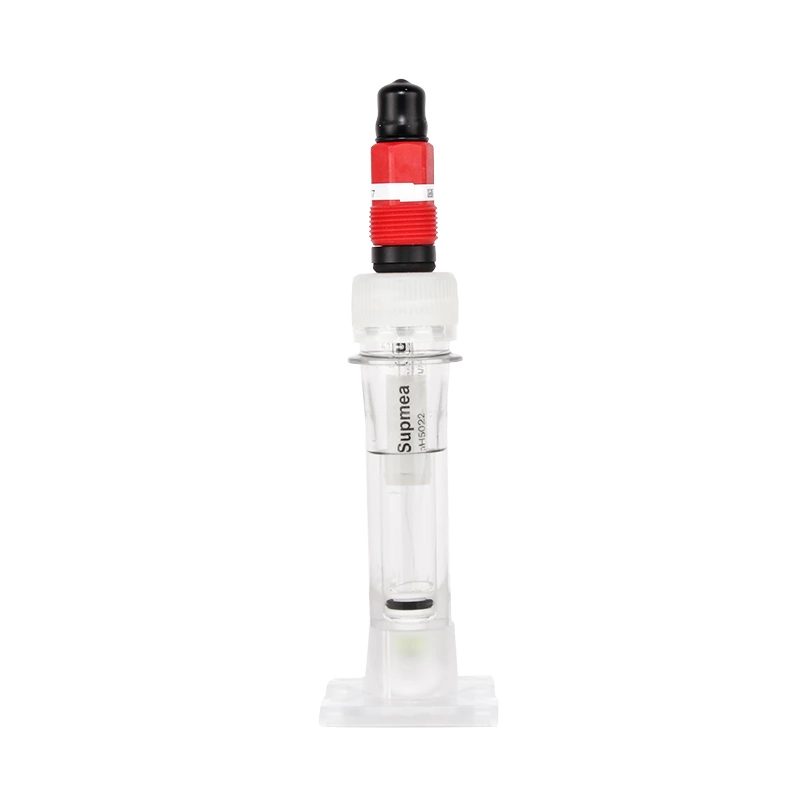
Asmik standard pH calibration solution is suitable for almost any application and most pH measuring instruments. Whether you are using various types of Asmik pH controllers and sensors, or using a benchtop pH meter in a laboratory environment of other brands, or a handheld pH meter, pH buffers may be suitable for you.
Noted: If you are measuring pH in a sample that is out of the 25°C (77°F) accuracy range, refer to the chart on the side of the packaging for the actual pH range for that temperature.
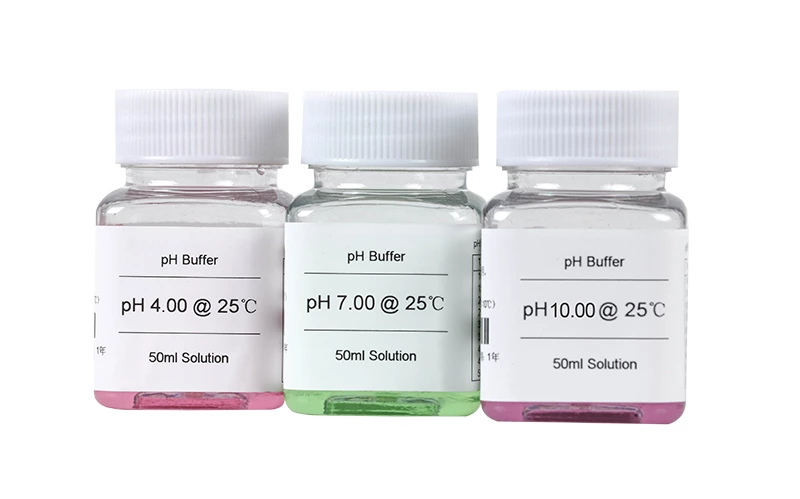
1. What are Asmik standard pH calibration solutions?
They are pH buffer solutions used to calibrate pH sensors, controllers and meters. They have an accuracy of ±0.01 pH at 25 °C (77 °F) and are dyed in different colors for easy identification.
2. Which buffer values are available?
Two common sets are available: 4.00 / 7.00 / 10.00, and 4.00 / 6.86 / 9.18.
3. Should I choose 4.00/7.00/10.00 or 4.00/6.86/9.18?
Both sets are widely used. Choose the set that matches the buffer recognition settings of your pH meter or controller and your local practice. Many meters allow you to select which buffer group is used for automatic calibration; please check your meter's manual.
4. How accurate are the buffer solutions?
The accuracy is ±0.01 pH at 25 °C (77 °F).
5. Does temperature affect the buffer value?
Yes. The pH value of a buffer changes slightly with temperature. If you calibrate at a temperature other than 25 °C (77 °F), refer to the chart on the side of the packaging for the actual pH value at that temperature.
6. What package size is supplied?
The standard package is 3 bottles of 50 mL each (50 mL × 3).
7. Why are the solutions colored?
Each buffer is dyed a different color so that it can be identified quickly during calibration and mix-ups are avoided when you are busy working. Please check the label for the value of each bottle.
8. Which pH meters can the solutions be used with?
They are suitable for almost any application and most pH measuring instruments, including Asmik pH controllers and sensors, benchtop laboratory pH meters from other brands, and handheld pH meters. Asmik options include the MIK-PH6.5, MIK-PH8.0 and MIK-DC-P2.
9. Why is regular calibration necessary?
pH sensors work on slope and offset (Nernst equation), and every sensor changes as it ages. Regular calibration keeps your readings accurate and reliable. Calibration results can also alert you when a sensor is damaged and needs to be replaced.
10. How often should I calibrate?
Calibration frequency depends on the application, process conditions and required accuracy. Sensors in dirty or aggressive media generally need more frequent calibration. Frequent calibration is the best habit to maintain measurement accuracy.
11. Should I use two-point or three-point calibration?
Two-point calibration using buffers that bracket your process pH is common. Three-point calibration covers acidic, neutral and alkaline ranges and is often recommended when measuring over a wide pH range. Follow the options available on your meter.
12. How do I calibrate a pH sensor with these solutions?
- Rinse the sensor with clean water and gently blot it dry.
- Immerse the sensor in the first buffer (usually the neutral buffer, 7.00 or 6.86) and wait for a stable reading.
- Rinse again and repeat with the next buffer(s).
- Make sure the temperature compensation is active or enter the buffer temperature.
- Follow the calibration procedure in your meter's manual.
13. Can buffer solutions be reused?
To avoid contamination, it is generally recommended to pour a small amount of buffer into a clean container for each calibration and discard it after use, rather than dipping the sensor into the bottle or pouring used buffer back.
14. How should the solutions be stored?
Keep the bottles tightly closed and store them away from direct sunlight and extreme temperatures to avoid contamination and evaporation. Please check the label for the expiry date.
15. Do you offer other calibration products?
Please contact us if you need other calibration solutions or package sizes for your application.
16. What information should I provide to get a quotation?
To help us prepare a quotation, please provide:
- Required buffer set (4.00/7.00/10.00 or 4.00/6.86/9.18)
- Quantity
- pH meter or sensor model you are using
- Shipping destination
Send your requirements to info@asmik.com or contact us via WhatsApp at +86 13325716921.