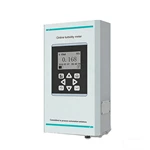
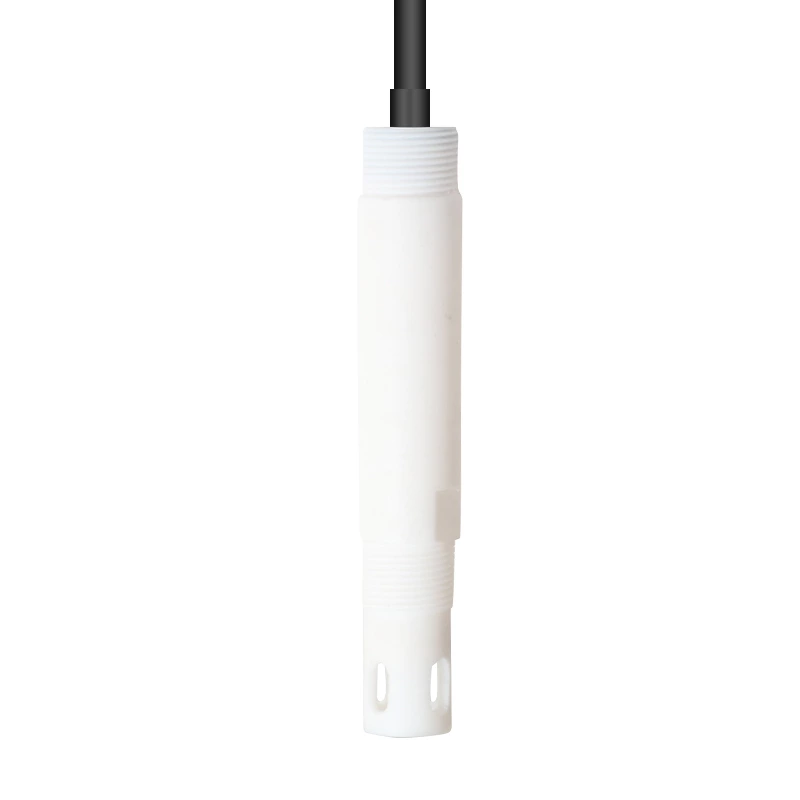
MIK-PTU300 Turbidity meter

Laser light source, with ultra-high noise ratio, high monitoring accuracy. Small size, easy system integration water consumption is small, saving daily operation cost. It can be applied to the turbidity measurement of drinking water after membrane-type clean water. Automatic discharge, long time maintenance-free operation, save daily operation and maintenance costs. Optional Internet of things module support cloud platform and mobile phone data remote monitoring.

Characteristics

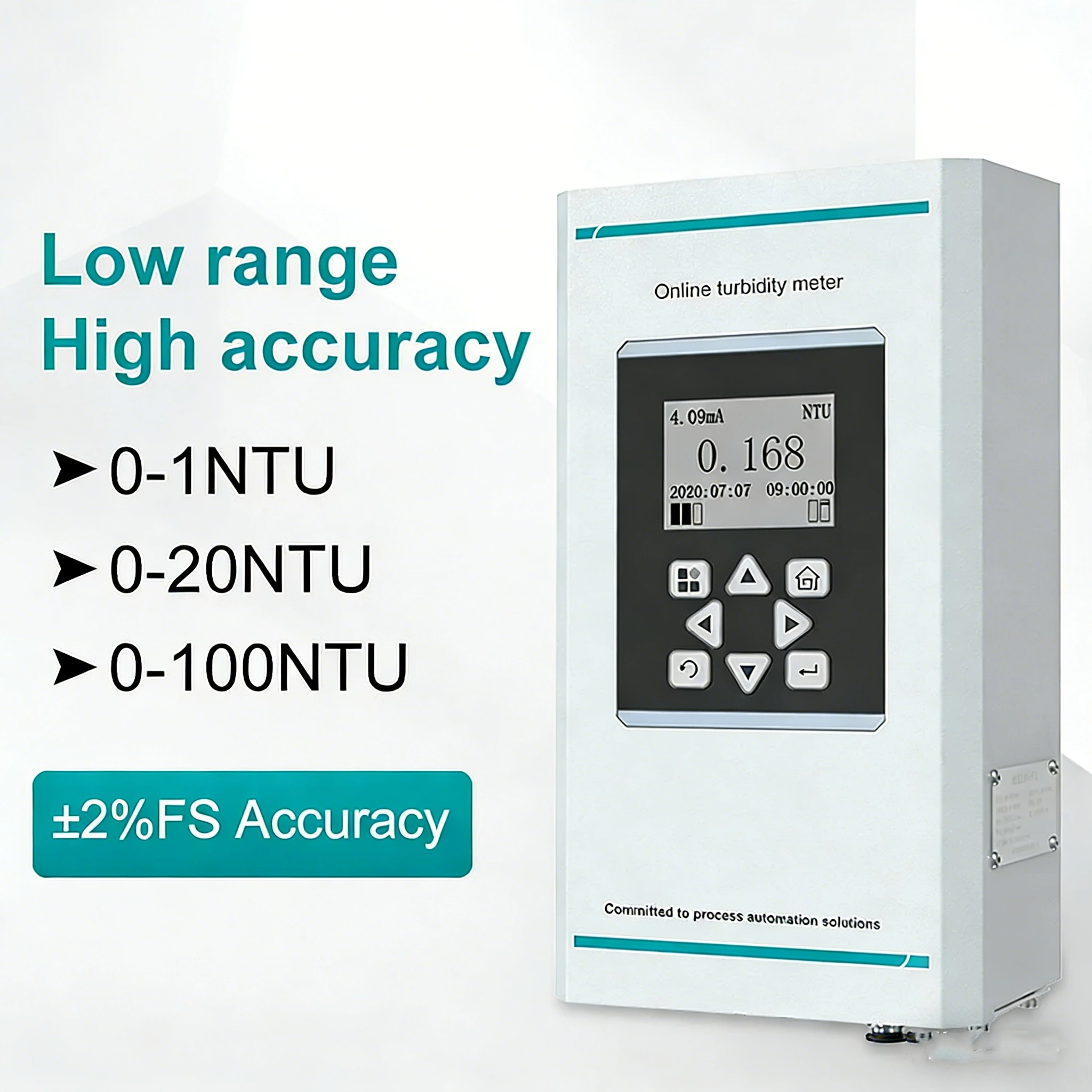
Range: 0-1NTU,0-20NTU,0-100NTU

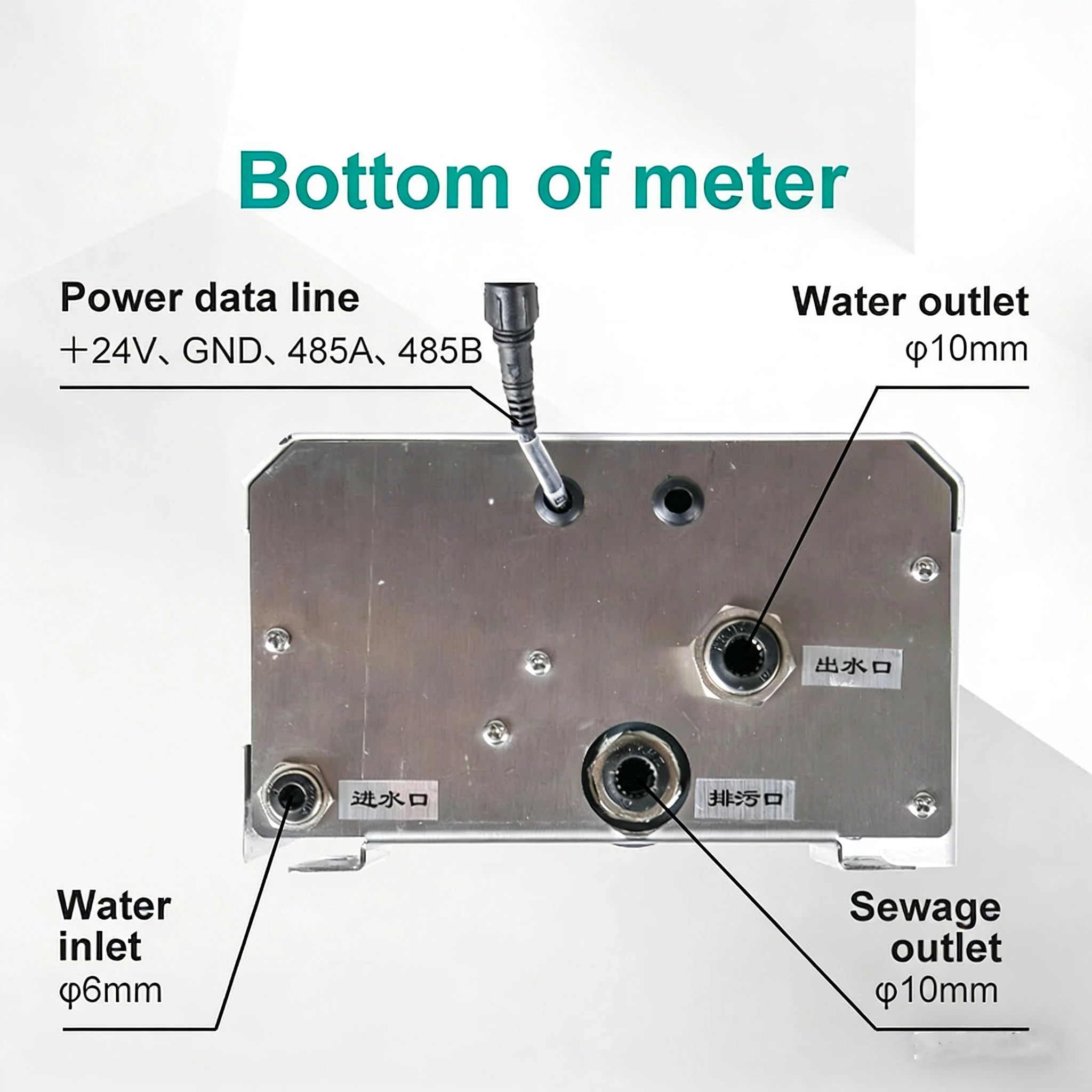
Power supply: DC 24V 

Measurement: 90° scattering

Output: 4-20mA, RS485

Specification

  • Specification

Product name Online Turbidity Meter
Model MIK-PTU300
Range 0-1NTU,0-20NTU,0-100NTU
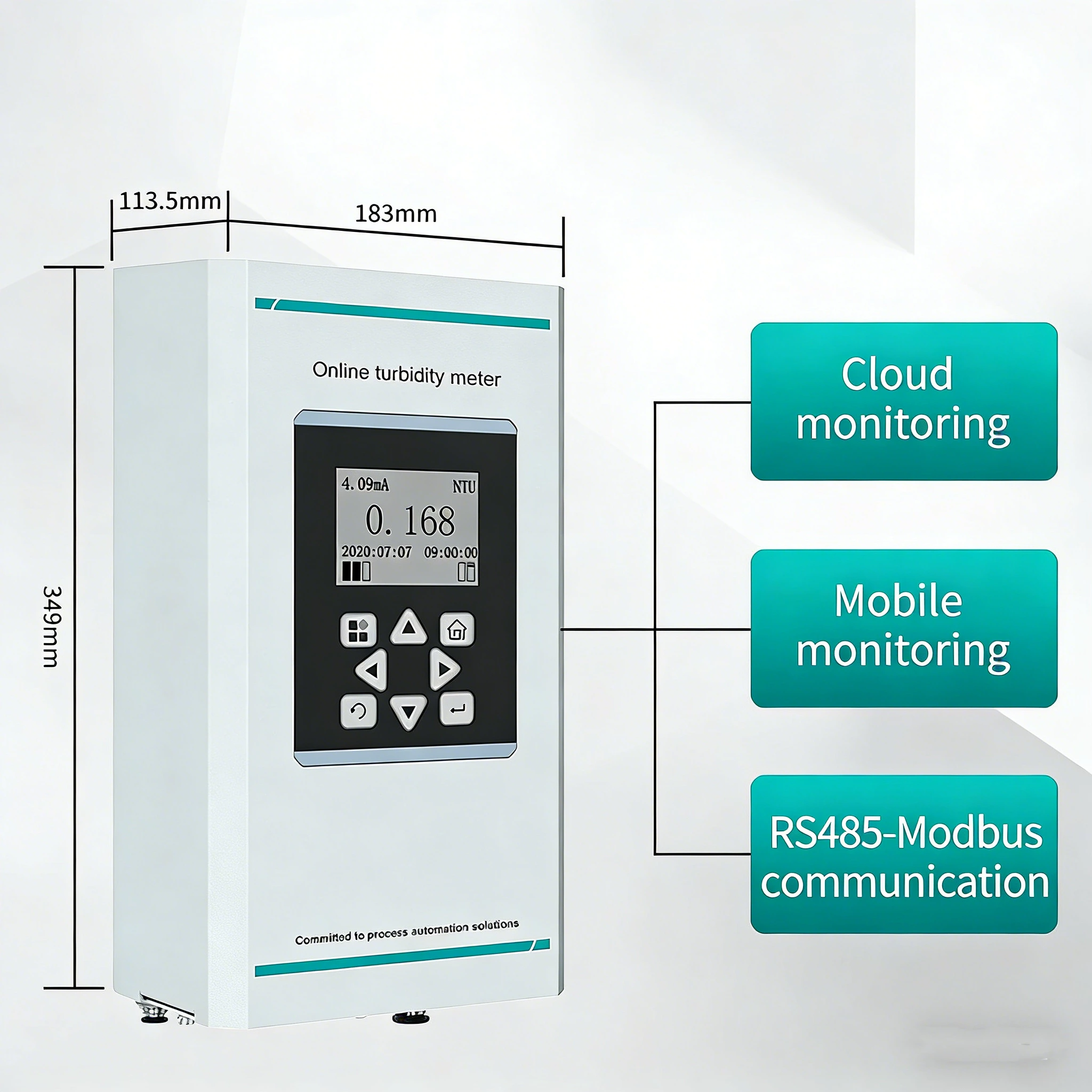
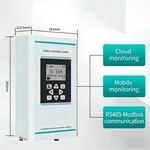
Dimension 183mm*349mm113.5mm
Weight 4.5kg
Operating voltage DC 24V
Measurement 90° scattering
Working mode Continuous monitoring of drainage, intermittent automatic discharge
Zero drift ≤±0.015 NTU
Value error ≤±2% or ±0.015 NTU larger
Discharge mode Automatic discharge
Calibration Formalhydrazine standard liquid calibration (factory calibrated)
Water pressure 0.1 Kg/cm3-8Kg/cm3, flow not exceeding 300 mL/min
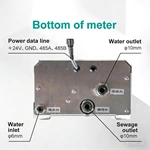
Digital output RS485Modbus protocol (baud rate 9600,8, N, 1)
Ingress protection IP54
Analog output 4-20 mA
Storage temperature -20-60℃
Working temperature 0-50℃
 Relative humidity 5~95%
Sensor material Composite
Maintenance cycle 6-12 months recommended (depending on site water quality environment)
  • Introduction

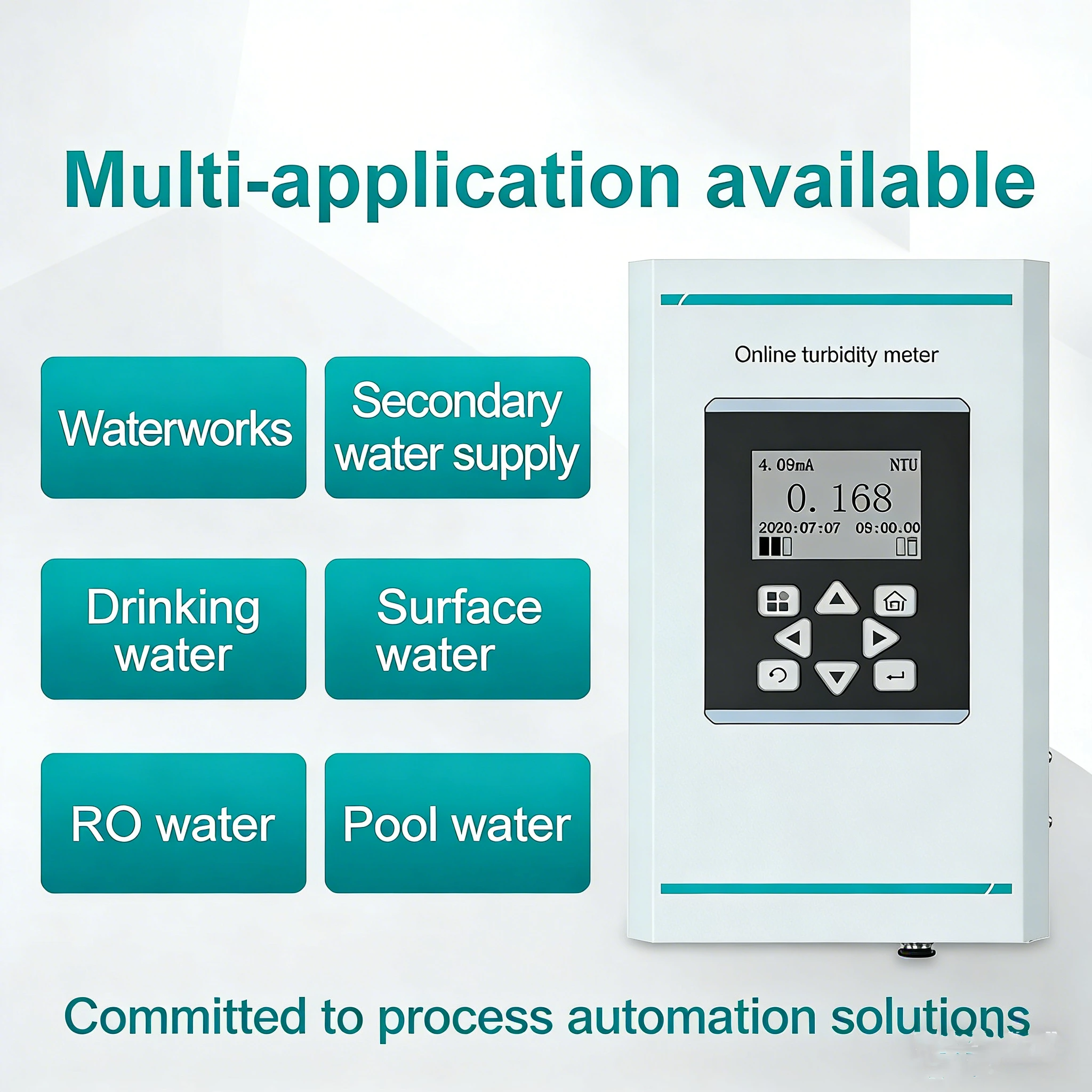
An online turbidity meter is a device used to measure the degree to which water loses its transparency due to the presence of suspended particles. This is an important parameter for water quality monitoring, as high levels of turbidity can indicate the presence of pollutants or other contaminants. 

Online turbidity meters operate by shining a light through a water sample and measuring the amount of light scattered by the suspended particles. This measurement is then converted into a turbidity value, typically expressed in Nephelometric Turbidity Units (NTU). 

One advantage of the MIK-PTU300 online turbidity meters is that they provide continuous monitoring of water quality, allowing for real-time detection of changes in turbidity levels. This can be particularly useful for water treatment plants, where rapid response to changes in water quality is essential for maintaining safe drinking water. 

The MIK-PTU300 online turbidity meters are available in a range of configurations, from simple and useful devices to more complex systems that can be integrated with water treatment plant control systems. Some models also include additional sensors for measuring other water quality parameters, such as pH and dissolved oxygen. 

When selecting an online turbidity meter, it is important to consider factors such as accuracy, reliability, and ease of use. Calibration and maintenance requirements should also be taken into account, as these can affect the accuracy and longevity of the device. 

All in all, online turbidity meters are an important tool for monitoring water quality and ensuring the safety of drinking water. With the right selection and use, these devices can provide accurate and reliable measurements for years to come.
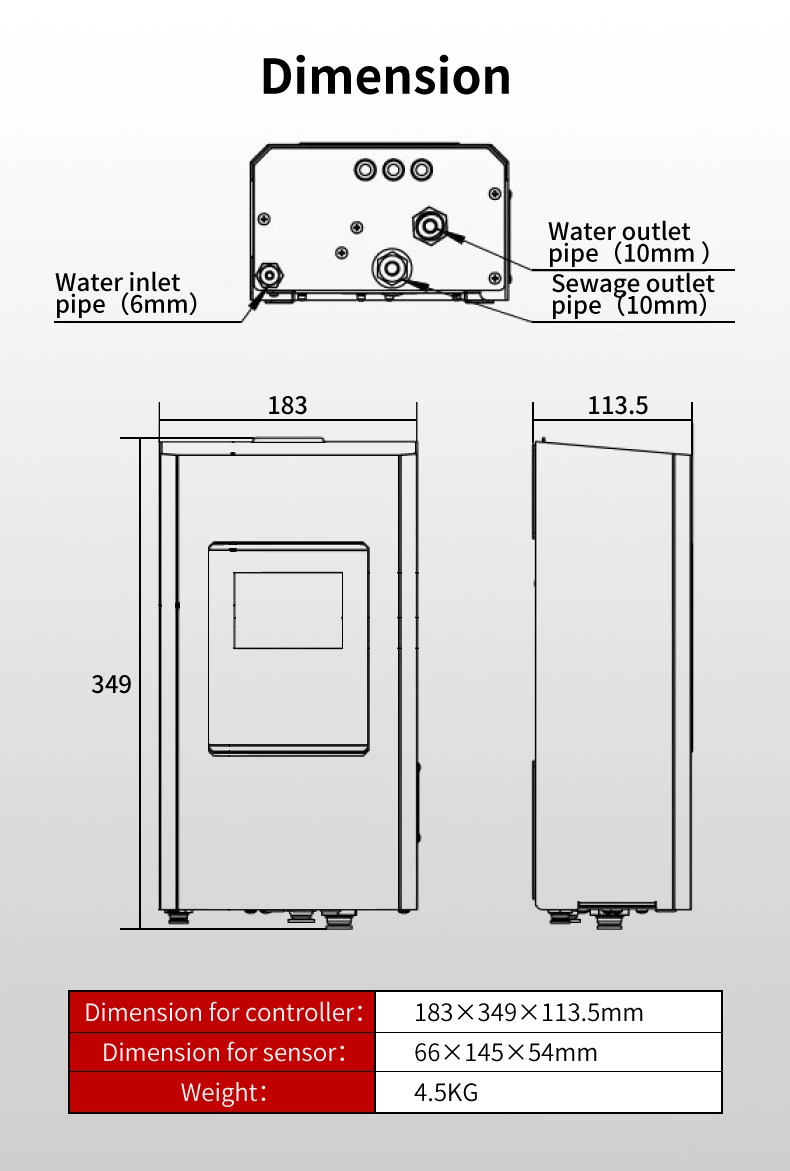
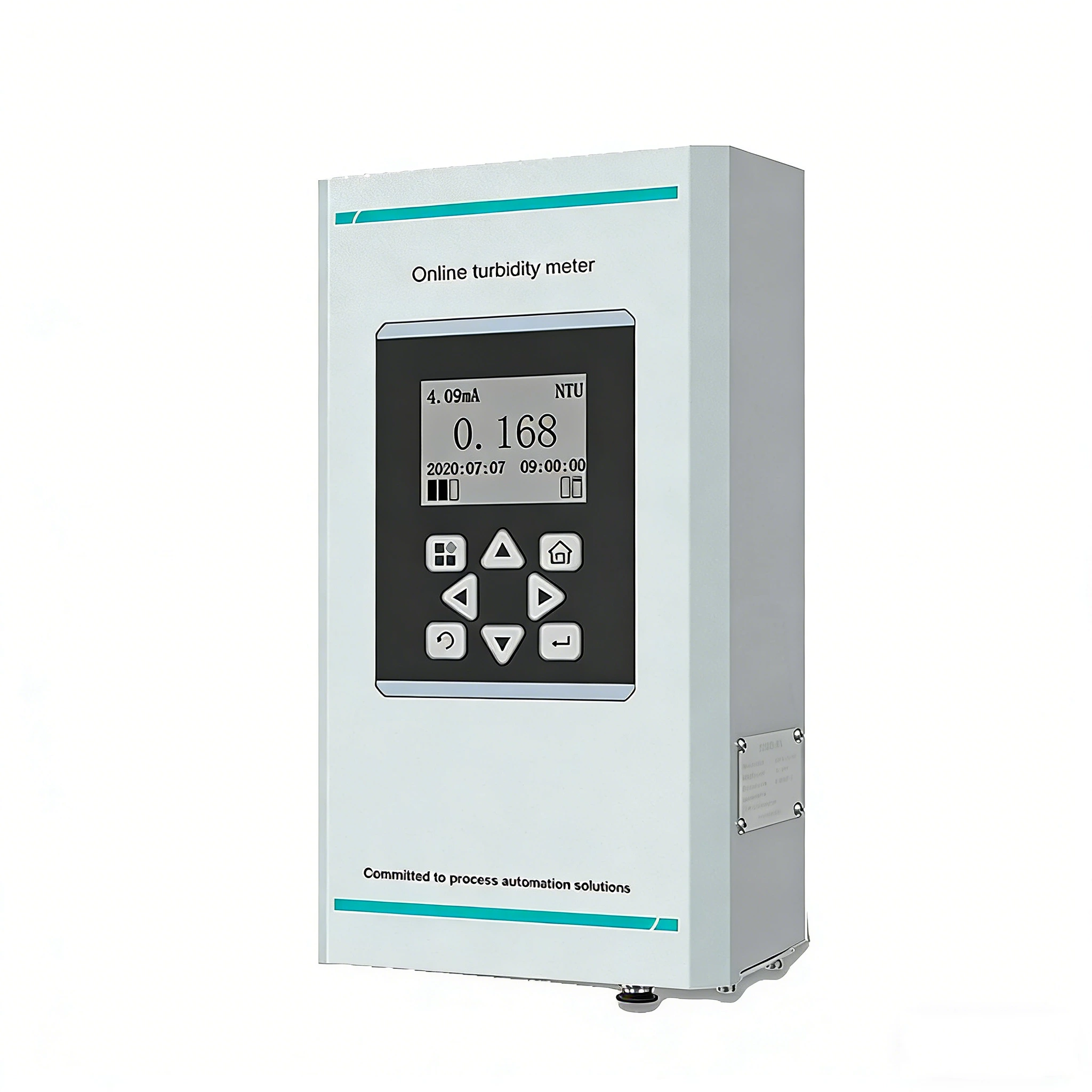


turbidity meter dimension


  • FAQ

1. What is the MIK-PTU300 online turbidity meter?

The MIK-PTU300 is a laser-based online low-turbidity meter for continuous monitoring of clean water. It is suitable for drinking water, including water after membrane treatment, and provides 4–20 mA and RS485 Modbus outputs.

2. How does the MIK-PTU300 measure turbidity?

It uses a laser light source and the 90° scattering method. Light is directed through the water sample, and the light scattered by suspended particles at 90° is measured and converted into a turbidity value in NTU.

3. Why use a laser light source?

The laser light source provides an ultra-high signal-to-noise ratio and high monitoring accuracy, which is important when measuring very low turbidity in treated drinking water.

4. What measuring ranges are available?
  • 0–1 NTU
  • 0–20 NTU
  • 0–100 NTU

Choose the range that matches your water quality; the 0–1 NTU range is typically used for membrane-filtered and finished drinking water.

5. How accurate and stable is the MIK-PTU300?
  • Value error: ≤±2% or ±0.015 NTU, whichever is larger
  • Zero drift: ≤±0.015 NTU
6. How does the sample water flow through the meter?

The meter works in continuous monitoring mode with drainage, and performs intermittent automatic discharge. Sample flow should not exceed 300 mL/min. The small water consumption helps reduce daily operating cost.

7. What water pressure is required?

The inlet water pressure should be within the range specified for the meter (approximately 0.1–8 kg/cm²). Please tell us your sample pressure so we can confirm whether a pressure reducer is needed.

8. What is automatic discharge?

The meter automatically discharges the measuring chamber at intervals, which helps remove sediment and supports long-term operation with less manual maintenance.

9. How is the meter calibrated?

The MIK-PTU300 is factory calibrated with formazin standard solution, and can be recalibrated on site with formazin standards when required.

10. How often does it need maintenance?

A maintenance cycle of 6–12 months is recommended, depending on the water quality and site environment.

11. What outputs are available?
  • Analog output: 4–20 mA
  • Digital output: RS485, Modbus protocol (9600, 8, N, 1)
12. Can it be monitored remotely?

Yes. An optional Internet of Things (IoT) module supports cloud platform and mobile phone remote data monitoring.

13. What power supply does it need?

The operating voltage is 24 VDC.

14. What are the size and weight?
  • Dimensions: 183 × 349 × 113.5 mm
  • Weight: 4.5 kg

The compact size makes system integration easy.

15. What environmental conditions are required?
  • Working temperature: 0–50 °C
  • Storage temperature: -20 to 60 °C
  • Relative humidity: 5%–95%
  • Ingress protection: IP54

With IP54 protection, install the meter indoors or in a protective cabinet.

16. What is the sensor material?

The sensor is made of composite material.

17. How should the meter be installed?
  • Mount the meter on a wall or panel near the sampling point, in a dry, sheltered location.
  • Connect the sample inlet and route the drain to a free-flowing outlet.
  • Keep the sample flow at or below 300 mL/min and avoid air entering the sample line.
  • Protect the meter from direct sunlight and freezing.
18. How is the MIK-PTU300 different from the MIK-PTU8012?

Both are designed for low-turbidity water. The MIK-PTU300 is a complete laser meter with 0–1, 0–20 or 0–100 NTU ranges, automatic discharge, 4–20 mA and RS485 outputs, and optional IoT. The MIK-PTU8012 is a flow-through sensor covering 0.01–100 NTU with a 300–700 mL/min flow rate.

19. What information should I provide to get a quotation?

To help us select the correct configuration, please provide:

  • Application (finished drinking water, membrane filtrate, other)
  • Required measuring range
  • Sample pressure and available flow
  • Output requirements and whether the IoT module is needed
  • Installation environment
  • Quantity

Send your requirements to info@asmik.com or contact us via WhatsApp at +86 13325716921.

Features

Benefits

  • Fast response and stable measurement
  • High accuracy and wide measuring range
  • Strong compatibility with standard outputs
  • Rugged structure, suitable for field installation
  • Easy maintenance and low operating costs
  • Wide range of applications

Automated &factory

Need more information?

Contact us for more details about our solutions and services

This site uses cookies

We use cookies to collect information about how you use this site. We use this information to make the website work as well as possible and improve our services.