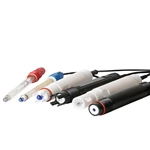
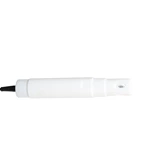
Specification
| Product |
PTFE pH sensor |
| Model |
MIK-PH5013A |
| Measurement range |
0 ~ 14 pH |
| Zero potential point |
7 ± 0.5 pH |
| Slope |
> 95% |
| Internal impedance |
150-250 MΩ(25℃) |
| Practical response time |
< 1 min |
| Installation size |
Upper and Lower 3/4NPT Pipe Thread |
| Temp compensation |
NTC 10 KΩ/Pt100/Pt1000 |
| Heat resistance |
0 ~ 60℃ for general cables |
| Pressure resistance |
3 bar at 25 ℃ |
| Connection |
Low-noise cable |
Industrial wastewater engineering
Process measurements, electroplating plants, paper industry, drinks industry
Wastewater containing oil
Suspensions, varnishes, media containing solid particles
Two-chamber system for when electrode poisons are present
Media containing fluorides (hydrofluoric acid) up to 1000 mg/l HF
1. What is the MIK-PH5013A PTFE pH sensor?
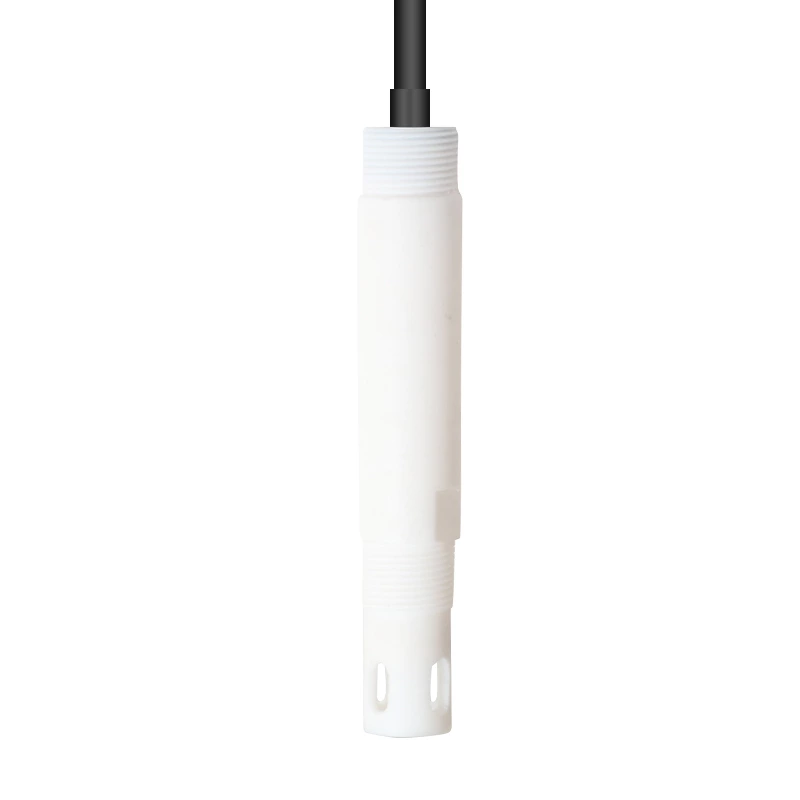
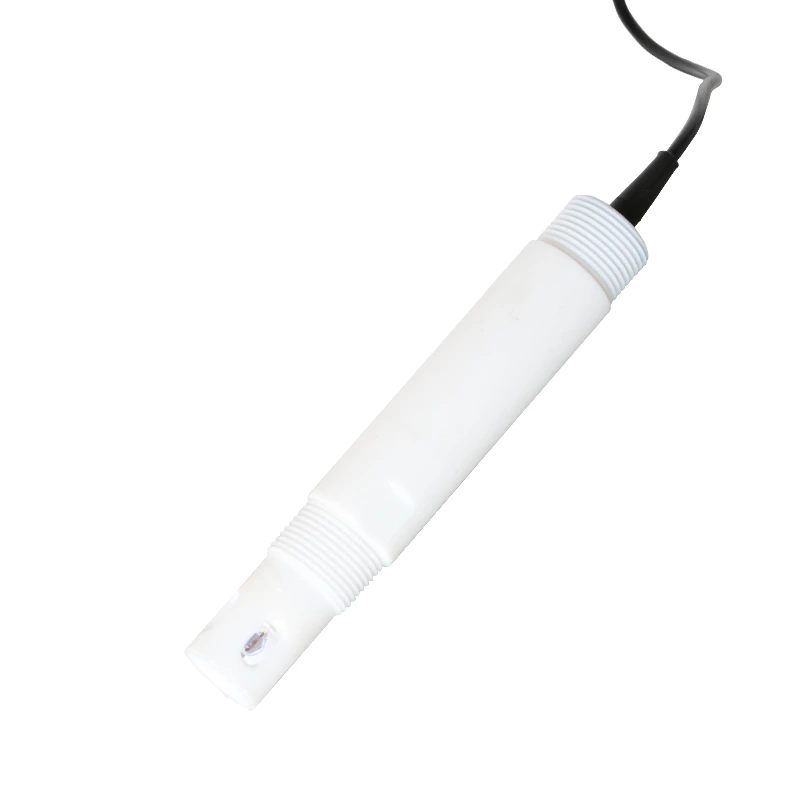
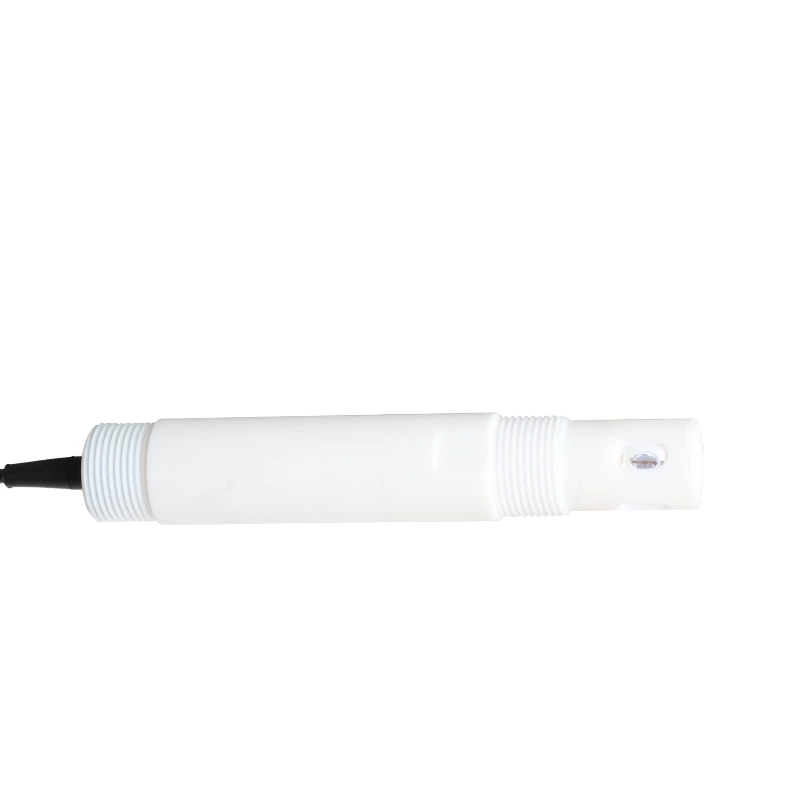
The MIK-PH5013A is a pH sensor with PTFE (polytetrafluoroethylene) construction, designed for pH measurement in corrosive media. It has upper and lower 3/4" NPT pipe threads and a low-noise cable.
2. Why is PTFE used for corrosive media?
PTFE is known for its excellent chemical resistance to most acids, alkalis and solvents, and its non-stick surface resists deposits. This makes PTFE a common choice for sensors exposed to aggressive process liquids. Please tell us your medium so we can confirm the sensor's compatibility.
3. How does a pH sensor work?
A pH sensor works as a primary (galvanic) cell, which converts chemical energy into electrical energy. Its voltage, called the electromotive force (EMF), is formed by two half-cells: the pH-sensitive measuring electrode and the reference electrode. The EMF changes with the pH of the solution.
4. What are the measuring range, zero point and slope?
- Measuring range: 0–14 pH
- Zero potential point: 7 ± 0.5 pH
- Slope: >95%
- Practical response time: <1 min
5. What is the internal impedance?
The internal impedance is 150–250 MΩ at 25 °C. Use a pH meter with a high-impedance input and keep the low-noise cable away from interference sources.
6. What temperature and pressure can it withstand?
- Temperature: 0 to 60 °C (with general cables)
- Pressure: 3 bar at 25 °C
Please tell us your process temperature and pressure so we can confirm suitability.
7. What is the installation connection?
The sensor has upper and lower 3/4" NPT pipe threads, allowing it to be mounted in in-line fittings or immersion assemblies.
8. What temperature compensation elements are available?
NTC 10 kΩ, Pt100 or Pt1000. Choose the element that matches your pH meter.
9. What applications is the MIK-PH5013A suitable for?
- Corrosive process media
- Industrial wastewater engineering
- Process measurements in electroplating plants, the paper industry and the drinks industry
- Wastewater containing oil
- Suspensions, varnishes and media containing solid particles
10. Can it be used in media containing hydrofluoric acid?
According to its application data, it can be used in media containing fluorides (hydrofluoric acid) up to 1000 mg/L HF. For dedicated hydrofluoric acid applications, see also the MIK-PH5014, and send us your HF concentration for confirmation.
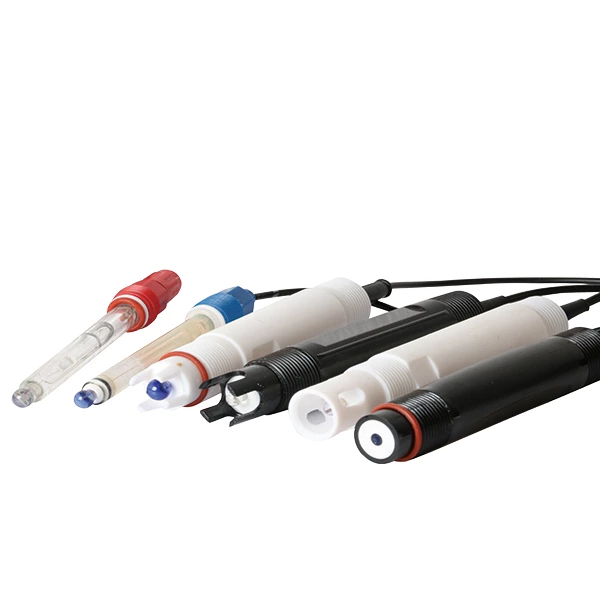
11. How is the MIK-PH5013A different from other Asmik pH sensors?
- MIK-PH5013A: PTFE construction for corrosive media; 0–60 °C; 3/4" NPT upper and lower threads.
- MIK-pH6001: ABS plastic body for general industrial use.
- MIK-PH7001: flat sensing surface for FGD and slurries.
- MIK-PH5014: HF-resistant glass membrane; up to 130 °C.
12. Which pH meter can be used with the MIK-PH5013A?
Asmik options include the MIK-PH6.5, MIK-PH8.0 and MIK-DC-P2. Make sure the meter supports the selected temperature compensation element.
13. How should the sensor be installed?
- Install the sensor where the medium is representative and flowing.
- Keep the sensing tip fully immersed at all times.
- Mount it so that air bubbles cannot collect at the sensing tip.
- Route the low-noise cable away from power cables and motors.
Please follow the installation manual or contact our engineers for site-specific requirements.
14. How should the sensor be calibrated and maintained?
Calibrate with standard buffer solutions that bracket your process pH, such as Asmik standard pH calibration solutions. Rinse the sensor after contact with corrosive media, keep the sensing tip wet when not in use, and check the calibration regularly.
15. How long does the sensor last in corrosive media?
Service life depends on the chemical composition, concentration, temperature and cleaning conditions. Aggressive chemicals and higher temperatures generally shorten the life of any pH sensor, so regular checks are recommended.
16. What information should I provide to get a quotation?
To help us select the correct configuration, please provide:
- Medium name, chemical composition and concentration
- pH range
- Process temperature and pressure
- Temperature compensation element
- Installation method, fittings and cable length
- Matching pH meter (if required)
- Quantity
Send your requirements to info@asmik.com or contact us via WhatsApp at +86 13325716921.