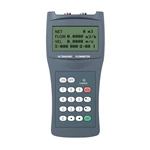
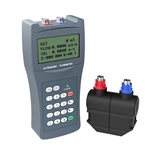
Specification
| Product |
Handheld ultrasonic flowmeter |
| Model |
MIK-2100H |
| Pipe size |
DN32-DN6000 |
| Accuracy |
±1% |
| Totalizer |
7-digit totals for net |
| |
positive and negative flow respectively |
| Liquid types |
Virtually all liquids |
| Working temperature |
Convertor: -20~60℃; Flow Transducer:-30~160℃ |
| Working humidity |
Convertor: 85%RH; Flow transducer: IP67 |
| Display |
4×8 Chinese characters or 4×16 English letters |
| Power supply |
3 AAA built-in Ni-H batteries |
| Date logger |
Built-in data logger can store over 2000 lines of data |
| Case material |
ABS |
| Dimension |
200*93*32mm(Convertor) |
| Handset weight |
500g with batteries |
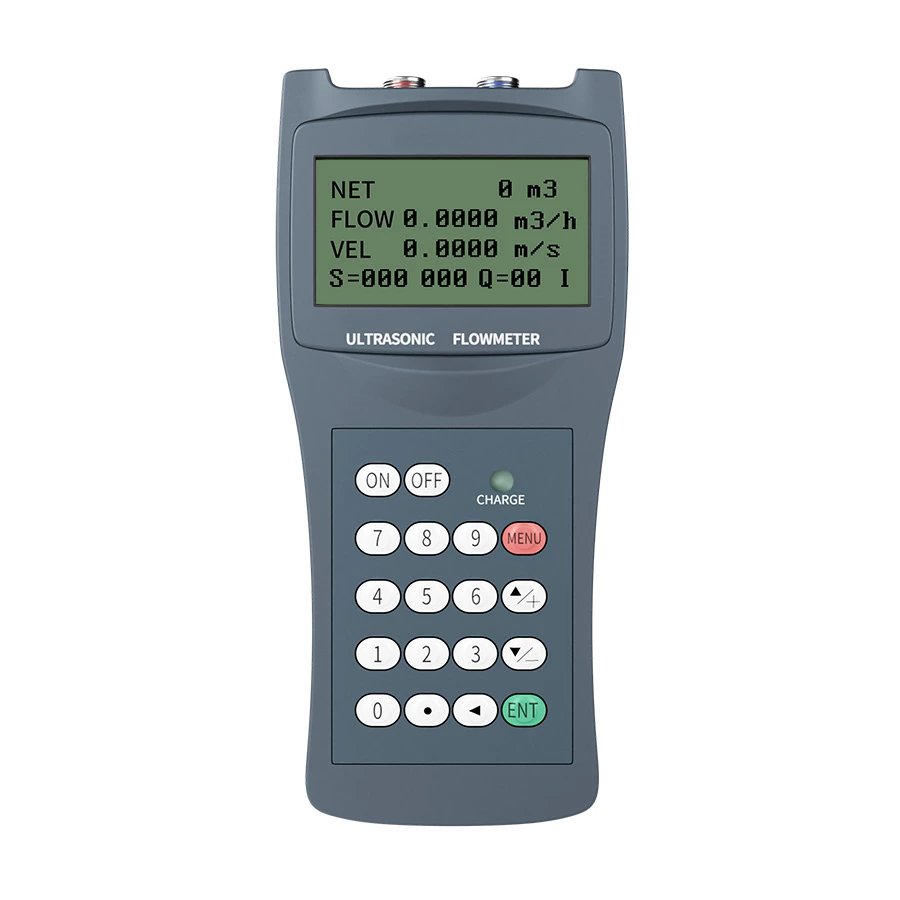
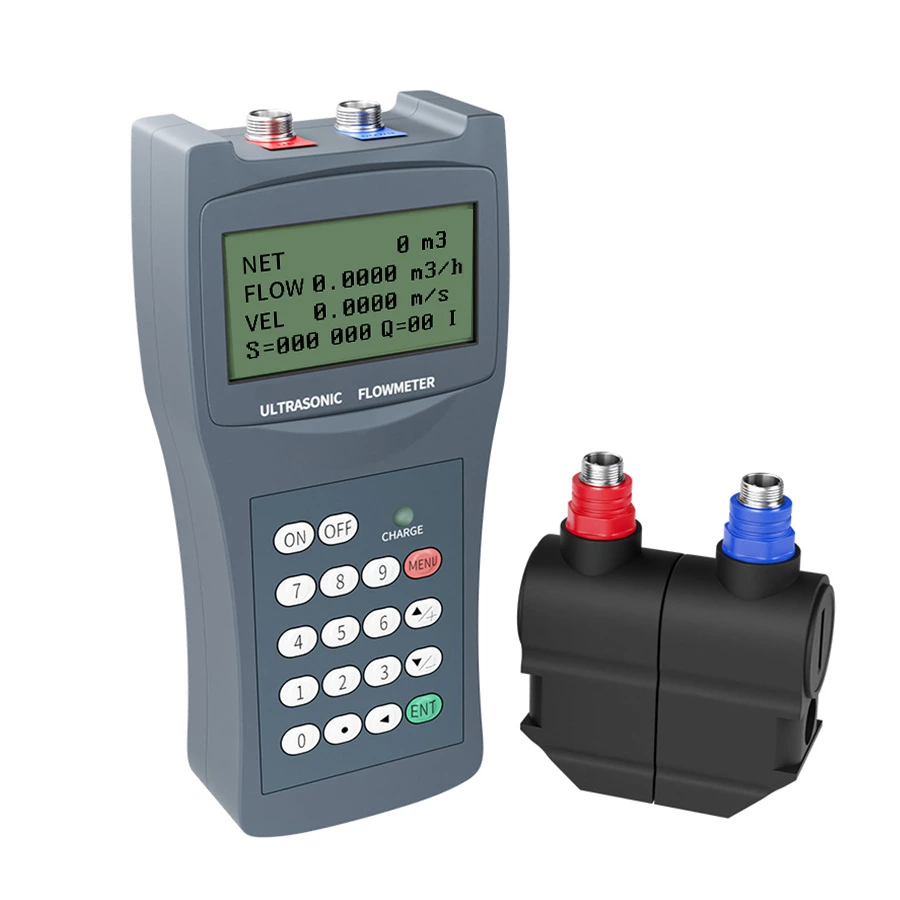
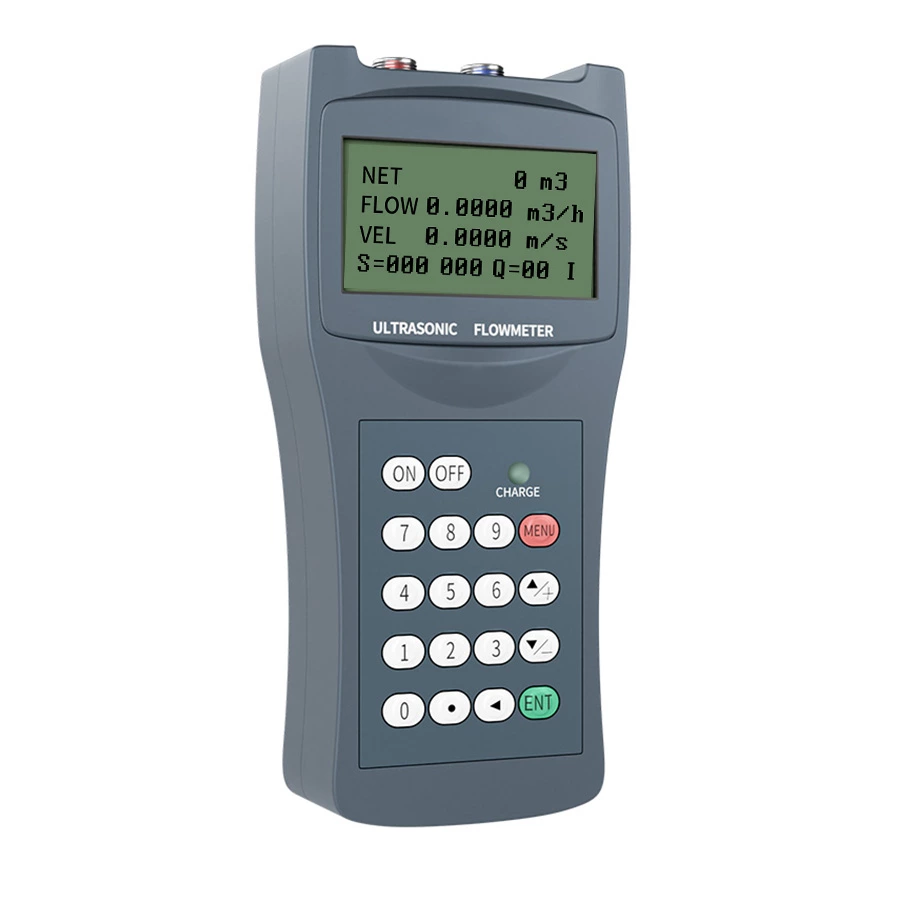
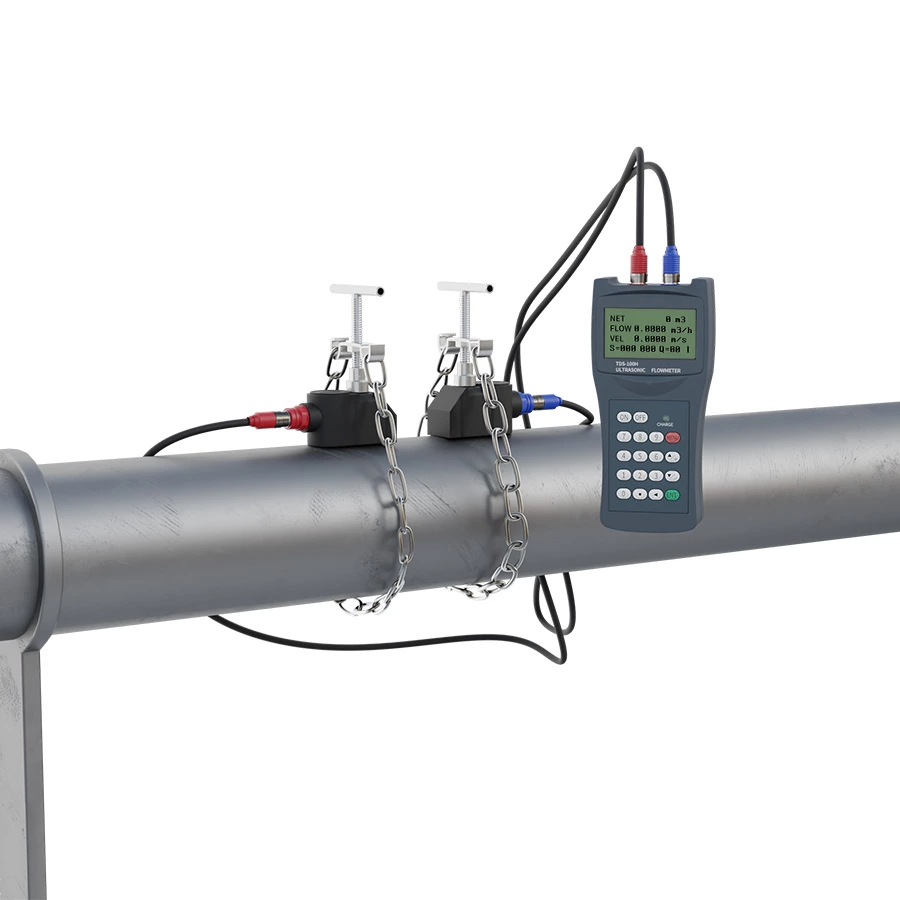
MIK-2100H handheld ultrasonic flowmeter uses advanced circuit design coupled with excellent hardware designed in English for liquid flow detection and comparison testing in pipes. It has the characteristics of simple operation, convenient installation, stable performance and long lasting life.
1. What is the MIK-2100H handheld ultrasonic flowmeter?
The MIK-2100H is a portable ultrasonic flowmeter for liquid flow detection and comparison testing in pipes. It features an advanced circuit design, simple operation, convenient installation, stable performance and a long service life.
2. What is the MIK-2100H typically used for?
It is used for on-site liquid flow detection and comparison testing, for example to check the readings of installed flowmeters, survey flow at different points in a pipe network, or troubleshoot systems without installing a permanent meter.
3. How does the MIK-2100H measure flow?
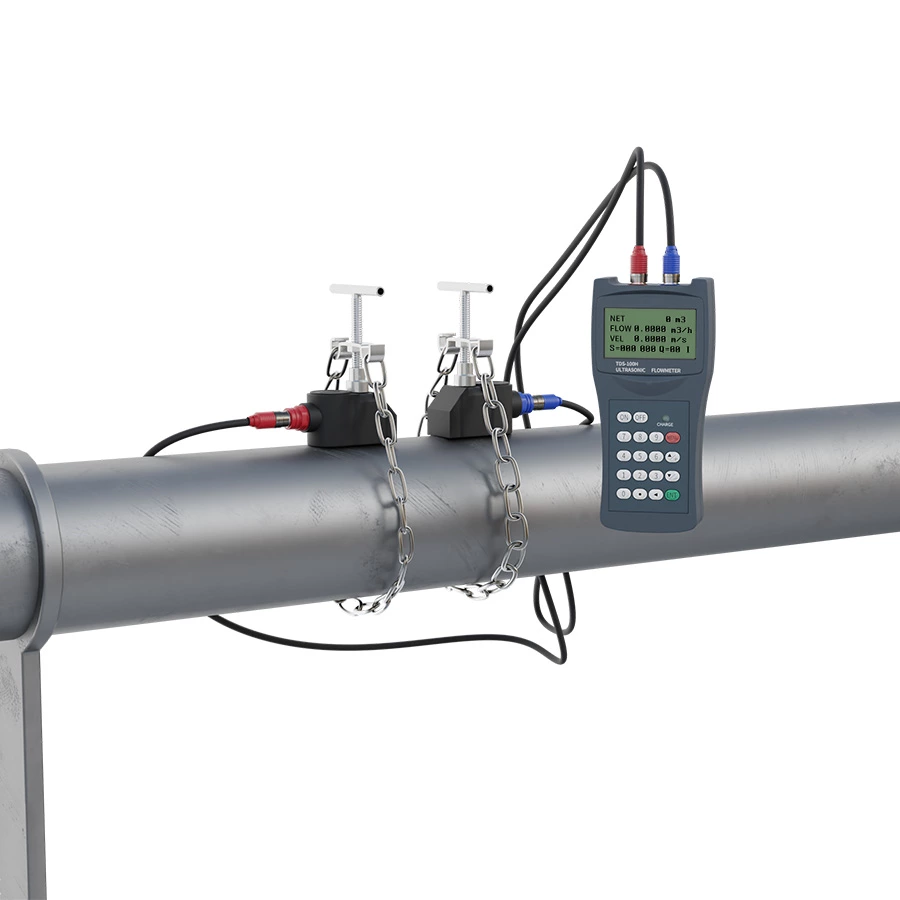
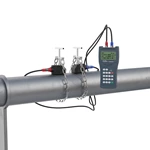
The MIK-2100H uses ultrasonic flow transducers placed on the pipe. The converter sends and receives ultrasonic signals through the pipe wall and liquid, and calculates the flow velocity and flow rate from the signal. Because the transducers are mounted externally, measurement does not require cutting the pipe.
4. What liquids can it measure?
It can measure a wide range of liquids. For best results, the liquid should be homogeneous and fill the pipe; large amounts of bubbles or suspended solids can weaken the ultrasonic signal. Please send us your liquid details for confirmation.
5. Do I need to cut the pipe or stop the process?
No. The transducers are mounted on the outside of the pipe, so there is no need to cut the pipe, stop the flow or insert anything into the liquid. This also means there is no pressure loss.
6. What pipe sizes can it measure?
The MIK-2100H covers pipe sizes from DN32 to DN6000.
7. How accurate is the MIK-2100H?
The accuracy is ±1%. Actual accuracy depends on correct pipe parameters, transducer installation and site conditions.
8. What pipe information do I need to enter?
For correct measurement, you need to enter the pipe outer diameter, wall thickness, pipe material and lining (if any), and select the liquid type. Please measure or confirm these values before testing.
9. Does it have a totalizer?
Yes. It provides 7-digit totals for net, positive and negative flow respectively.
10. Can it store measurement data?
Yes. The built-in data logger can store over 2000 lines of data, which is useful for recording test results on site.
11. What display and languages are available?
The display shows 4 lines of 16 English letters, or 4 lines of 8 Chinese characters. The hardware is designed with an English interface.
12. What power supply does it use?
It is powered by 3 built-in AAA Ni-H rechargeable batteries. Please contact us for information on operating time and charging.
13. What temperatures can it handle?
- Converter: -20 °C to 60 °C
- Flow transducer: -30 °C to 160 °C
14. What are the humidity and protection ratings?
- Converter: up to 85% RH
- Flow transducer: IP67
15. What are the size, weight and housing material?
- Converter dimensions: 200 × 93 × 32 mm
- Handset weight: 500 g with batteries
- Case material: ABS
16. Does the MIK-2100H have output signals?
The MIK-2100H is designed as a portable measuring instrument with a built-in display, totalizer and data logger. If you need specific output signals or data transfer, please tell us your requirements so we can confirm.
17. How should the transducers be installed?
- Choose a straight pipe section away from pumps, valves and elbows.
- Make sure the pipe is completely full of liquid at the measuring point.
- Clean the pipe surface and apply coupling compound between the transducers and the pipe.
- On horizontal pipes, avoid mounting at the very top or bottom of the pipe.
- Enter the correct pipe and liquid parameters before reading the results.
Please follow the user manual for transducer spacing and mounting method.
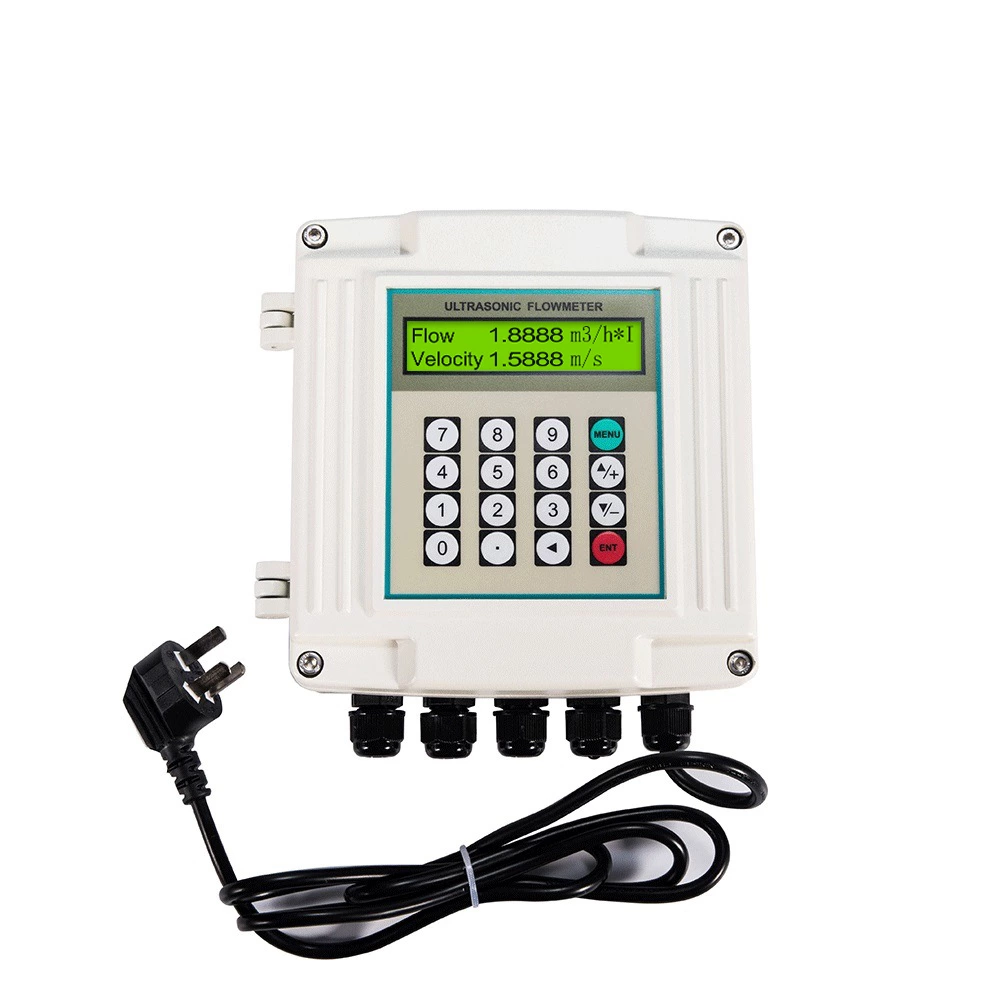
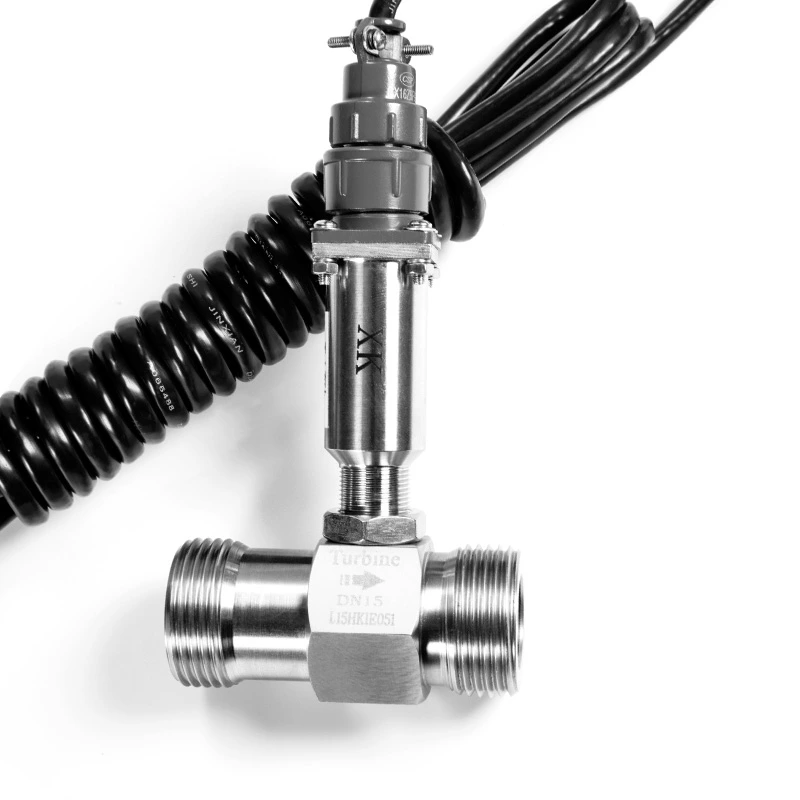
18. Handheld or wall-mounted ultrasonic flowmeter: which should I choose?
19. What information should I provide to get a quotation?
To help us select the correct configuration, please provide:
- Liquid name and temperature
- Pipe size range, material and lining
- Typical flow range
- Intended use (comparison testing, survey, troubleshooting)
- Required accessories or data transfer needs
- Quantity
Send your requirements to info@asmik.com or contact us via WhatsApp at +86 13325716921.