Specification
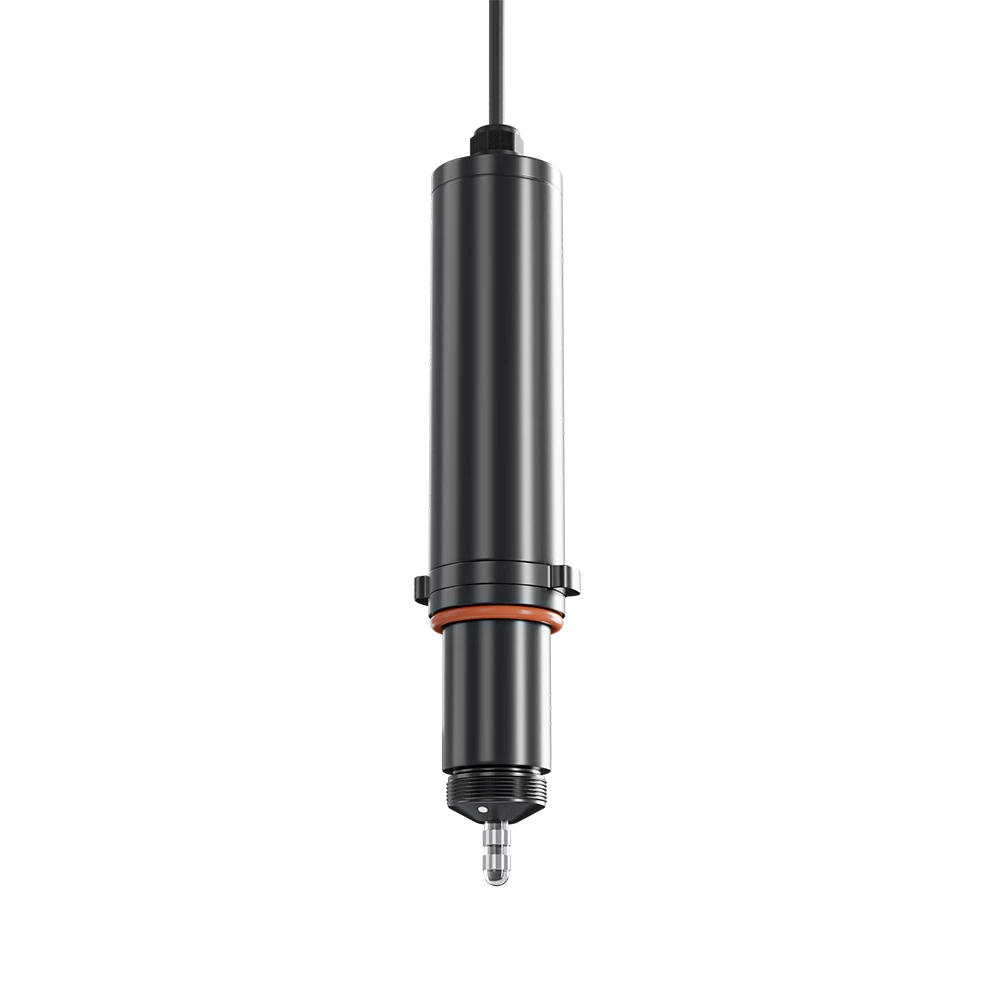
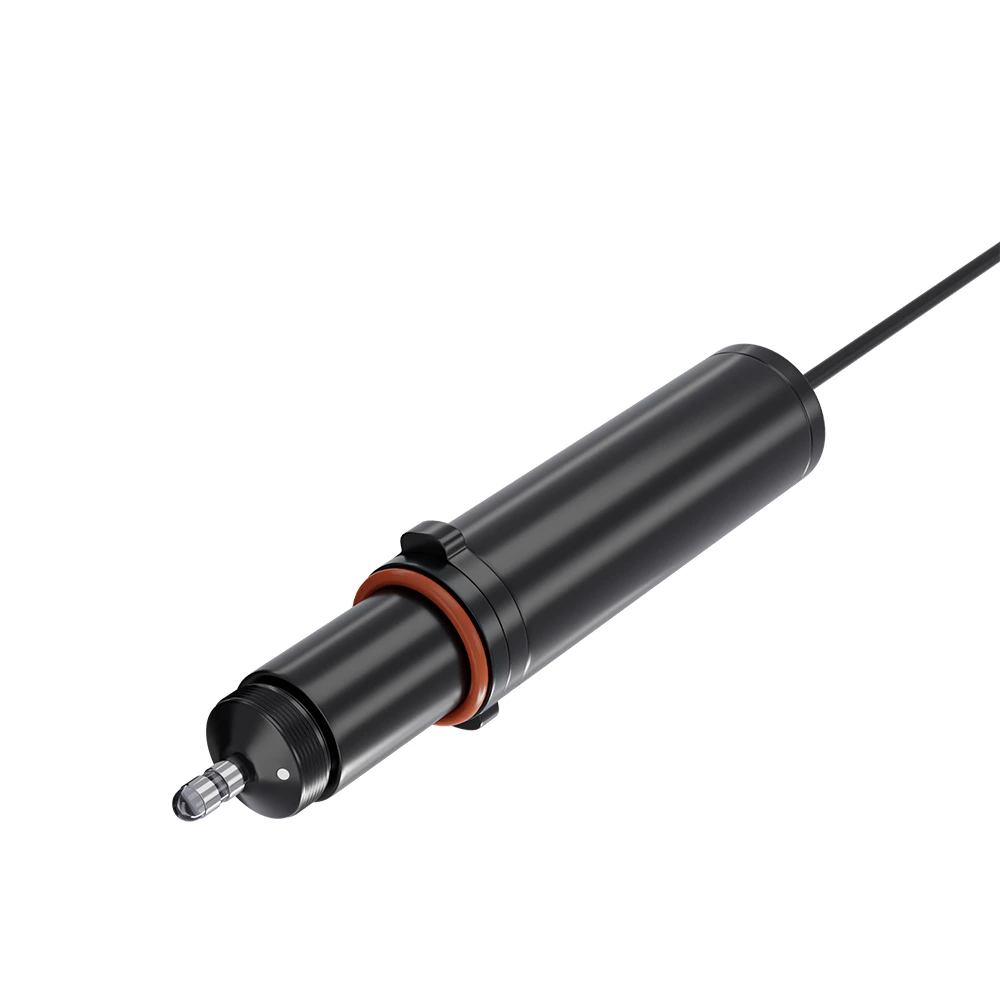
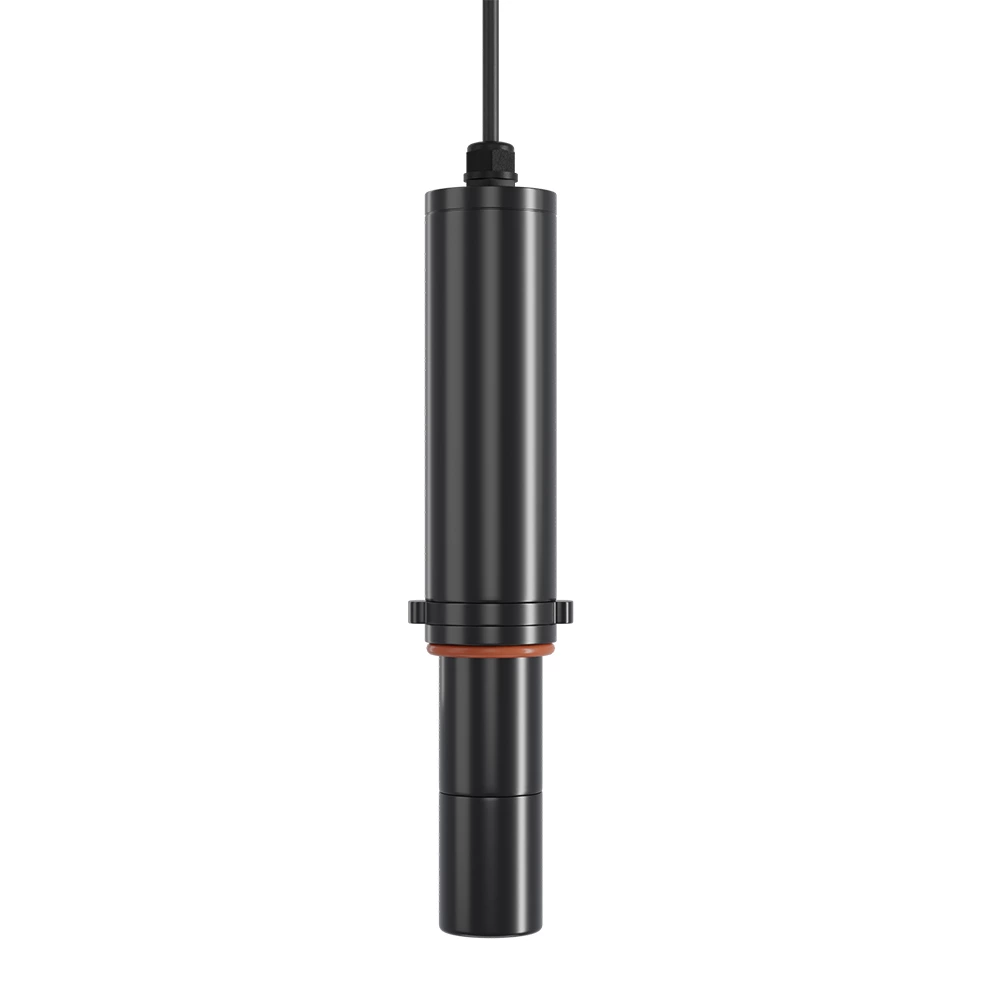
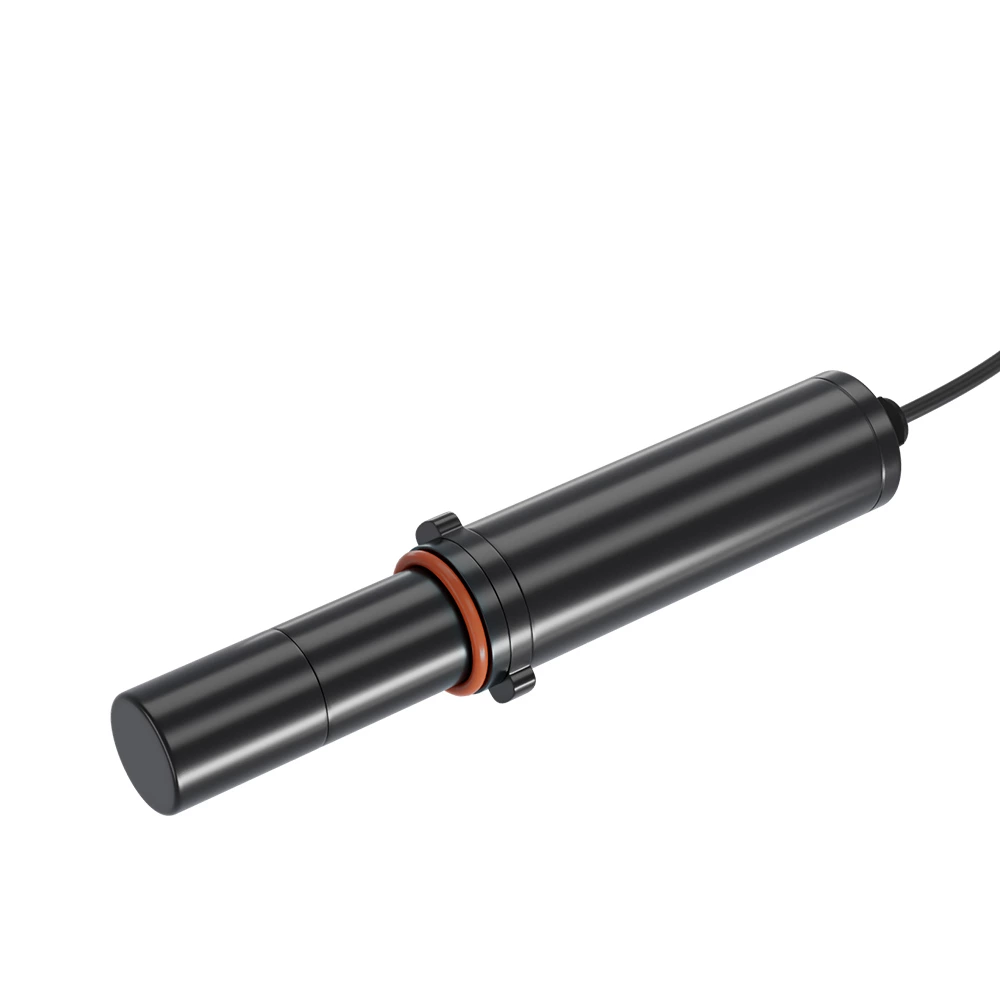
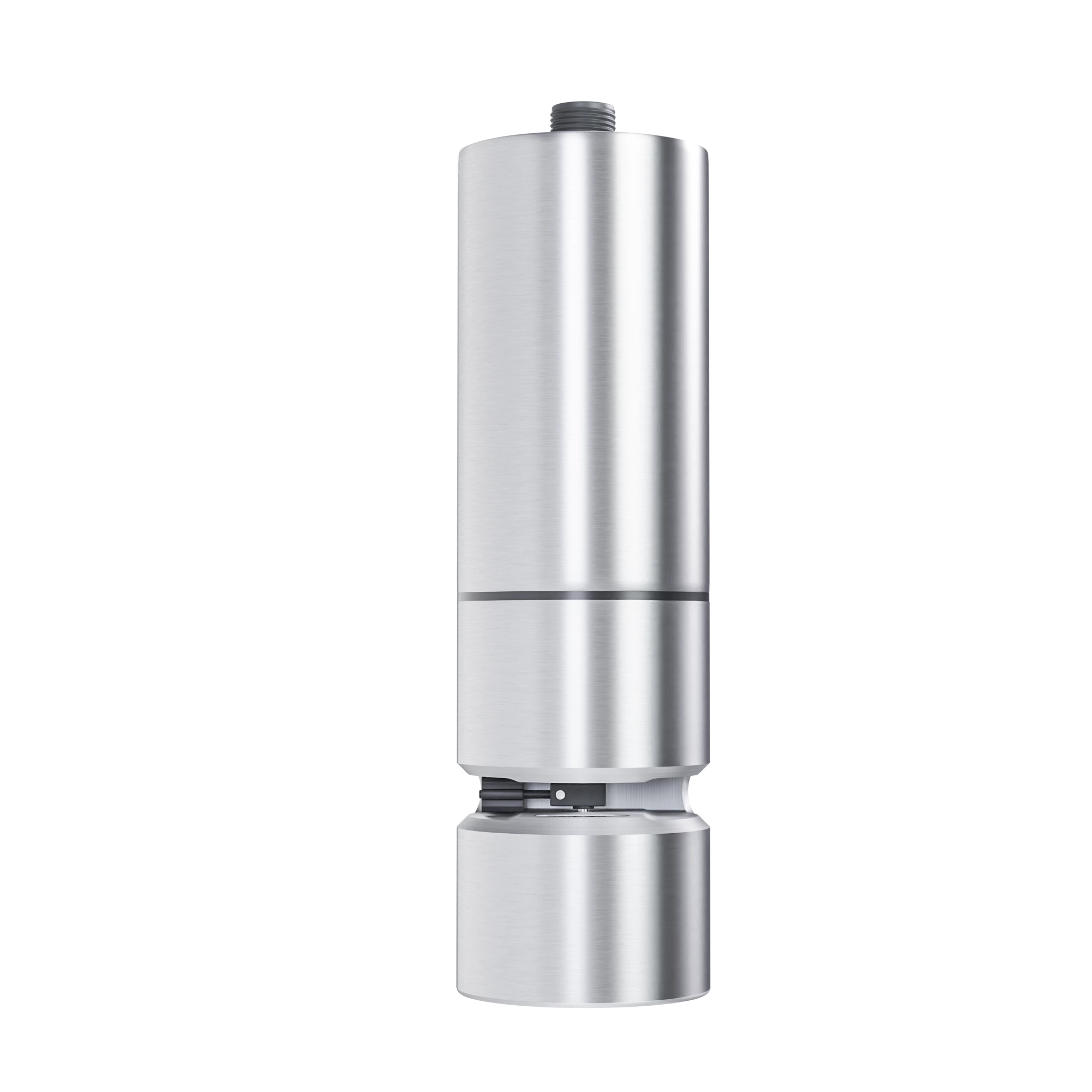
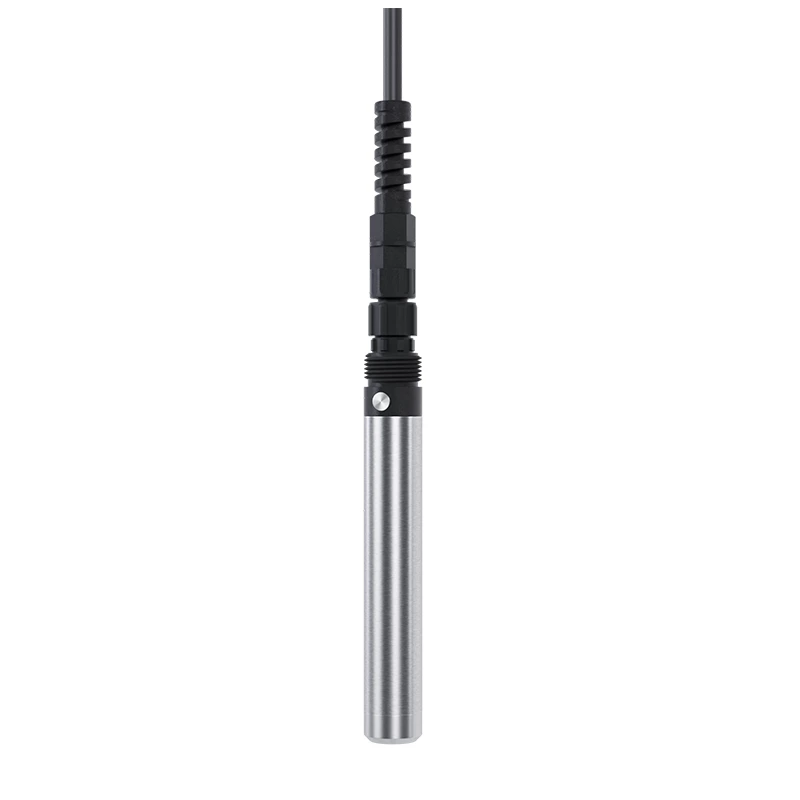
SUP-ADI7000 Residual chlorine sensor
| Product |
Residual chlorine sensor |
| Model |
MIK-ADI7000 |
| Measure range |
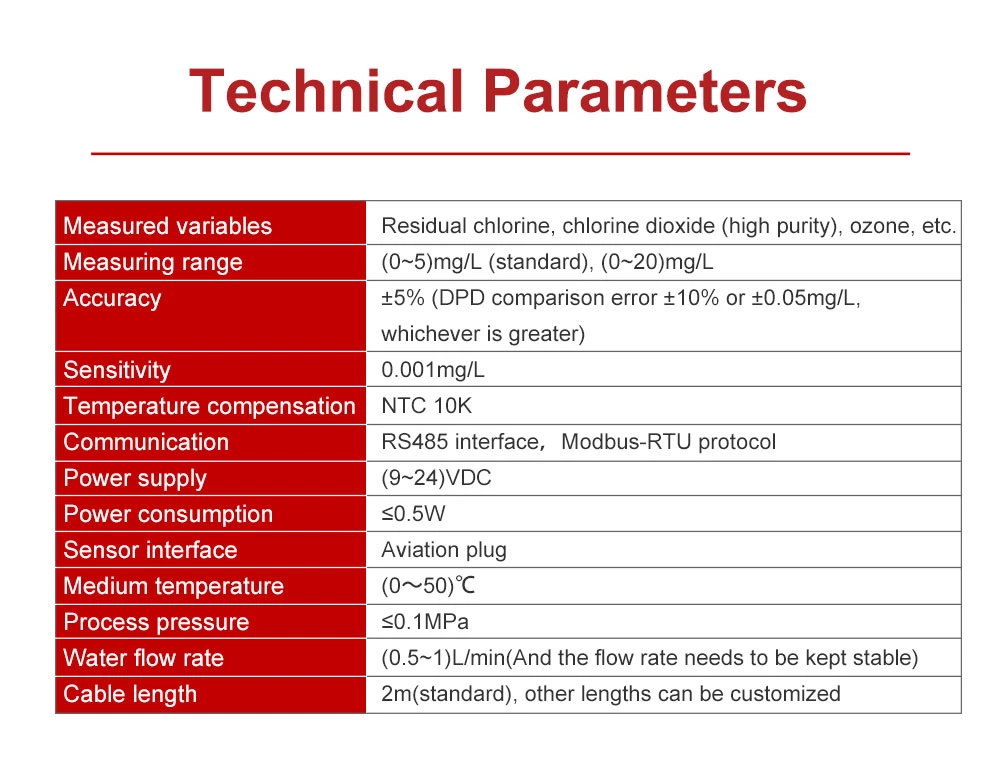
(0~5)mg/L (standard), (0~20)mg/L |
| Accuracy |
±5% (DPD comparison error ±10% or ±0.05mg/L, whichever is greater) |
| Sensitivity |
0.001mg/L |
| Temperature compensation |
NTC 10K |
| Communication |
RS485 interface,Modbus-RTU protocol |
| Power supply |
(9~24)VDC |
| Power consumption |
≤0.5W |
| Sensor interface |
Aviation plug |
| Medium temperature |
(0~50)℃ |
| Process pressure |
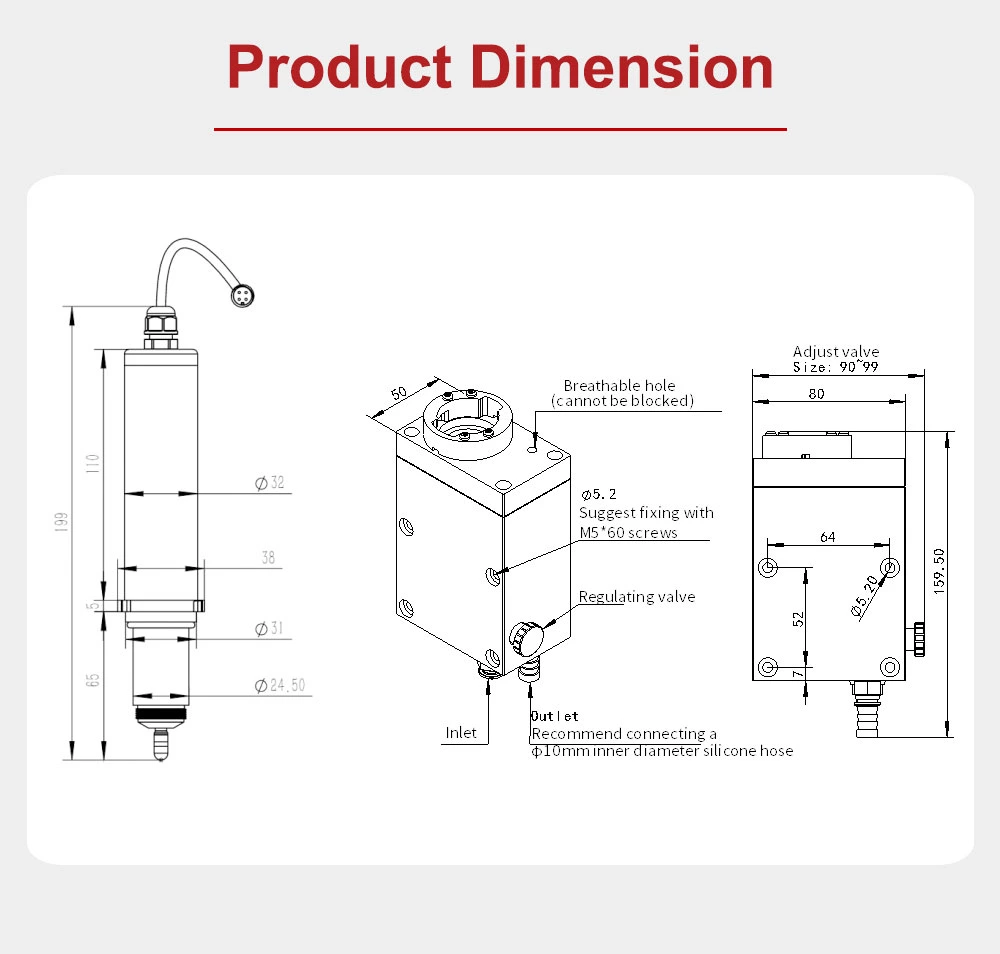
≤0.1MPa |
| Water flow rate |
(0.5~1)L/min(And the flow rate needs to be kept stable) |
| Cable length |
2m(standard), other lengths can be customized |
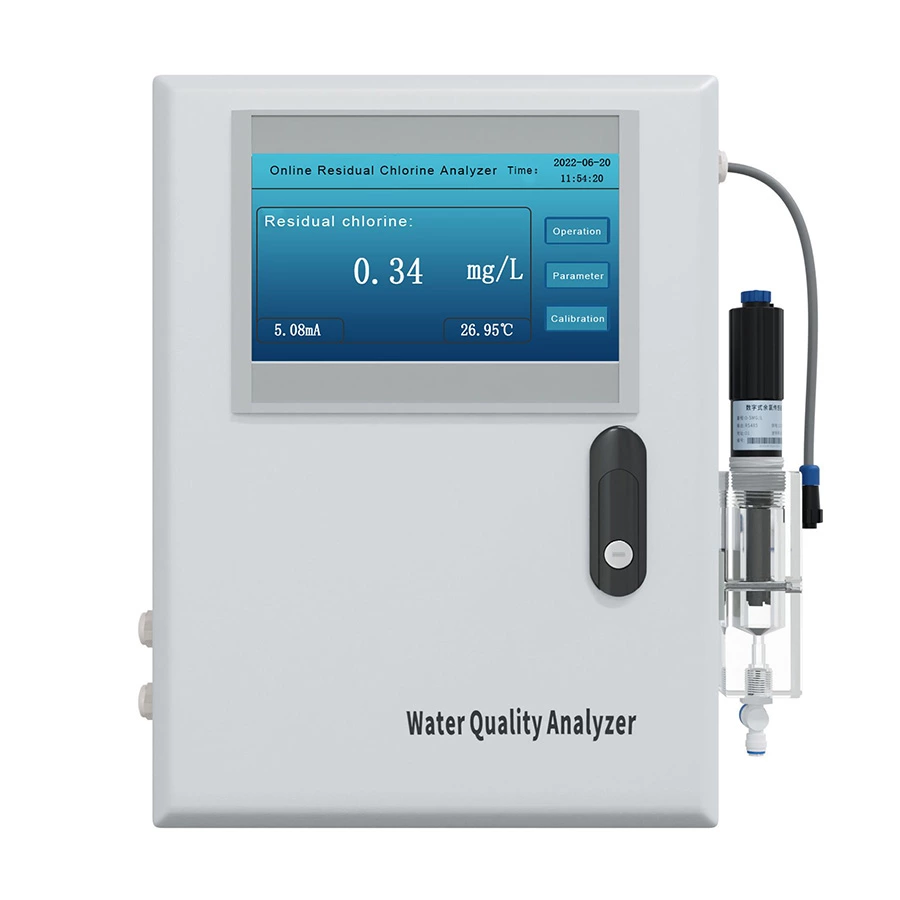
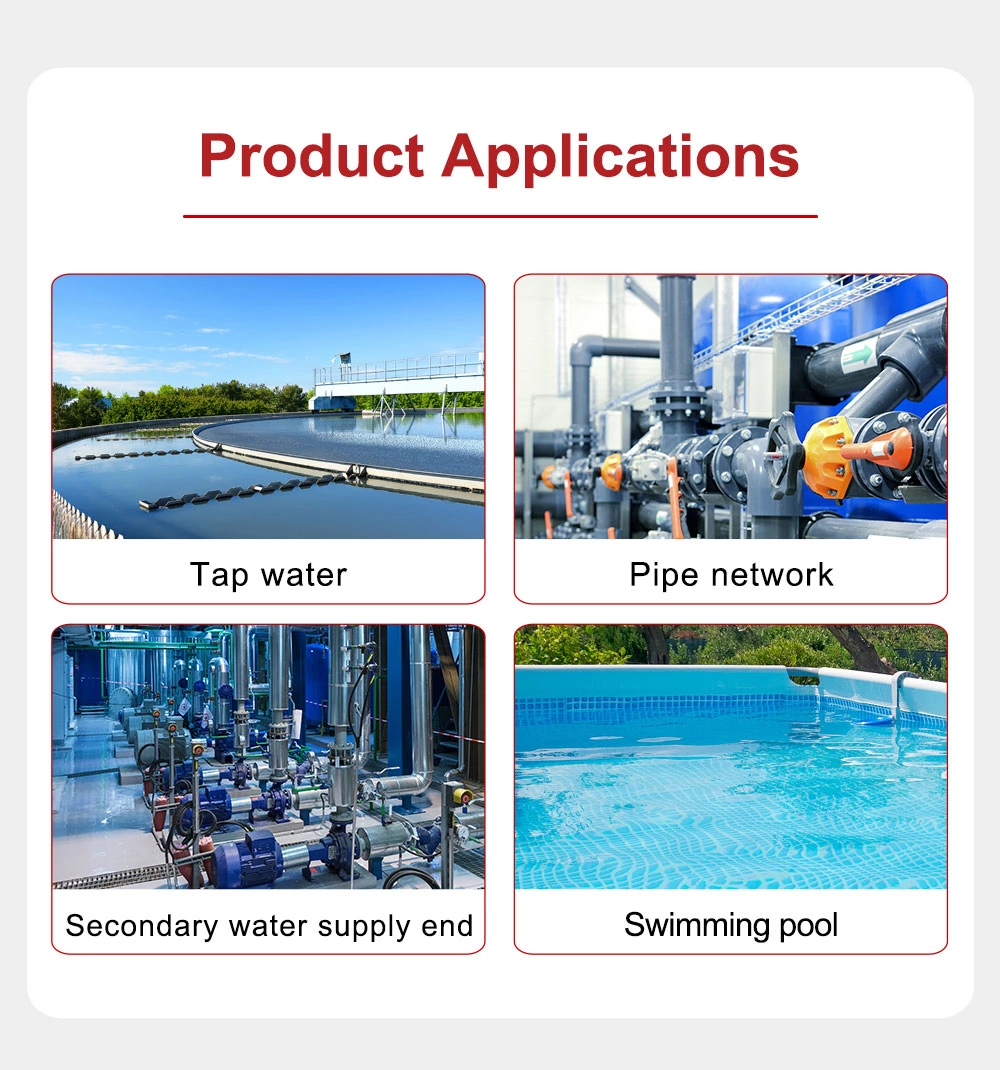
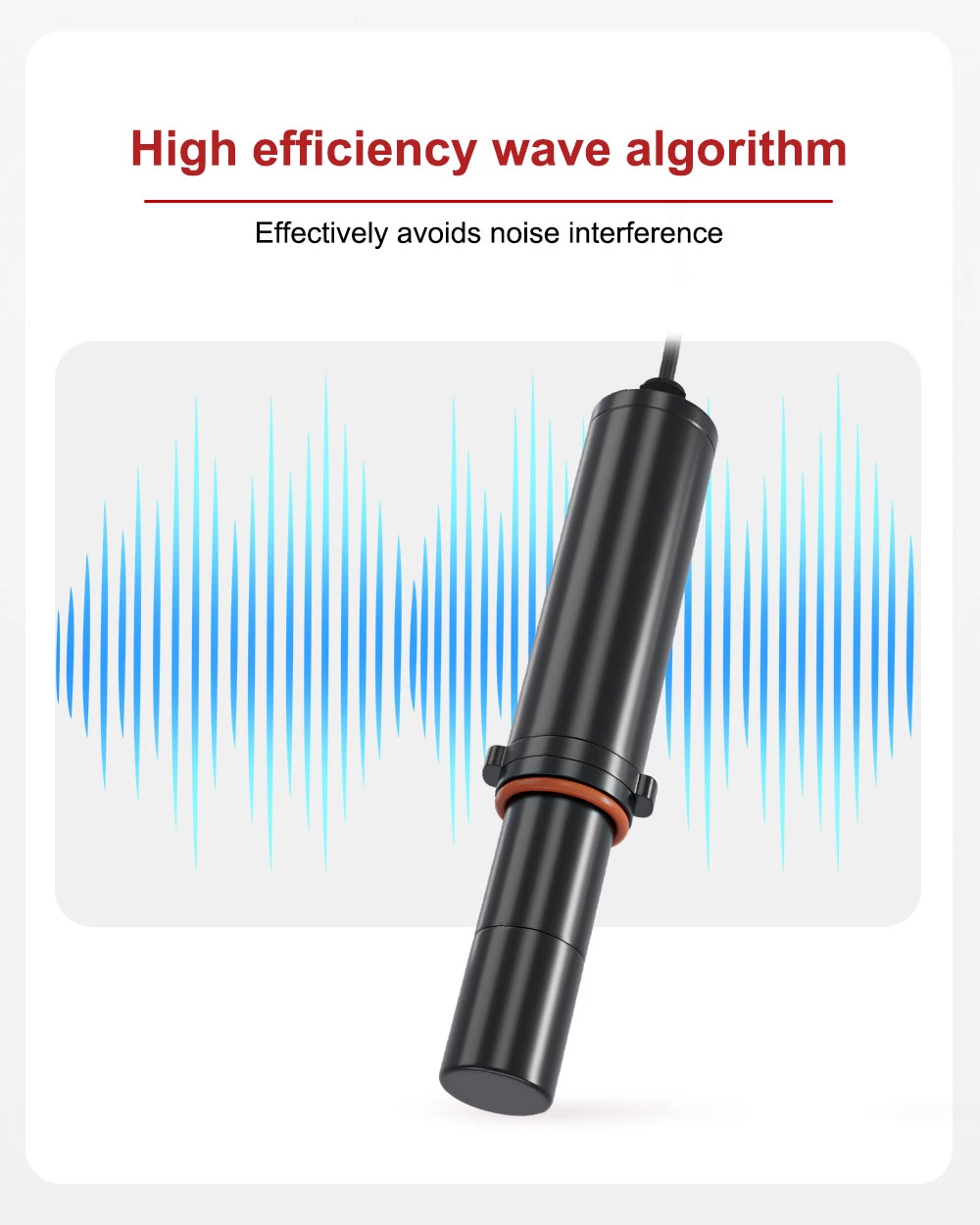
This residual chlorine sensor is a three-electrode constant potential current measurement sensor that can be used to measure the concentration of residual chlorine, chlorine dioxide (high purity), ozone and other disinfectants. The sensor has a built-in ARM processor and efficient filtering algorithm, which can effectively avoid noise interference. It has an RS485 interface for easy access to computers and network monitoring systems. Widely used in tap water factory water, pipe network, secondary water supply, terminals, swimming pools and other scenarios.
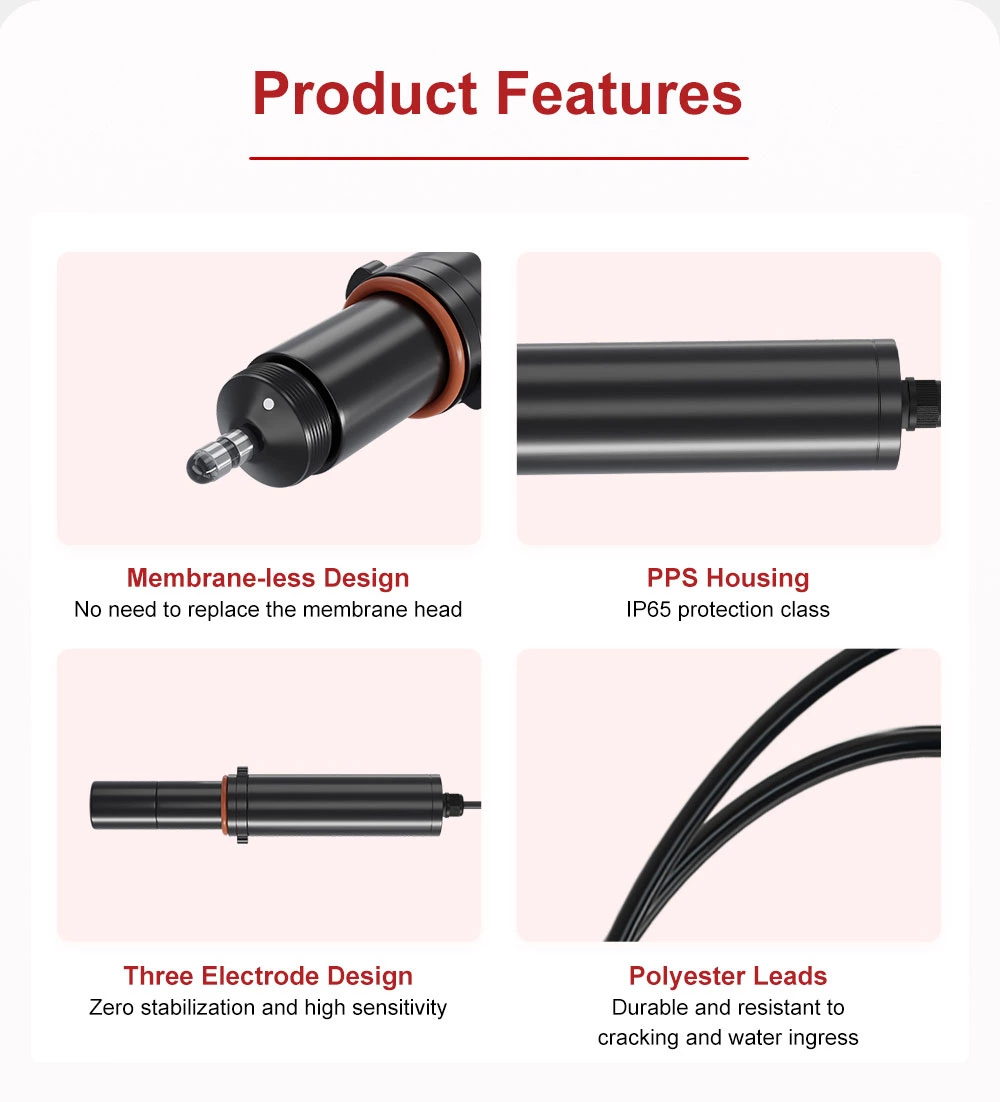
- Electrochemical sensors have no reagent consumption and pollutant emissions.
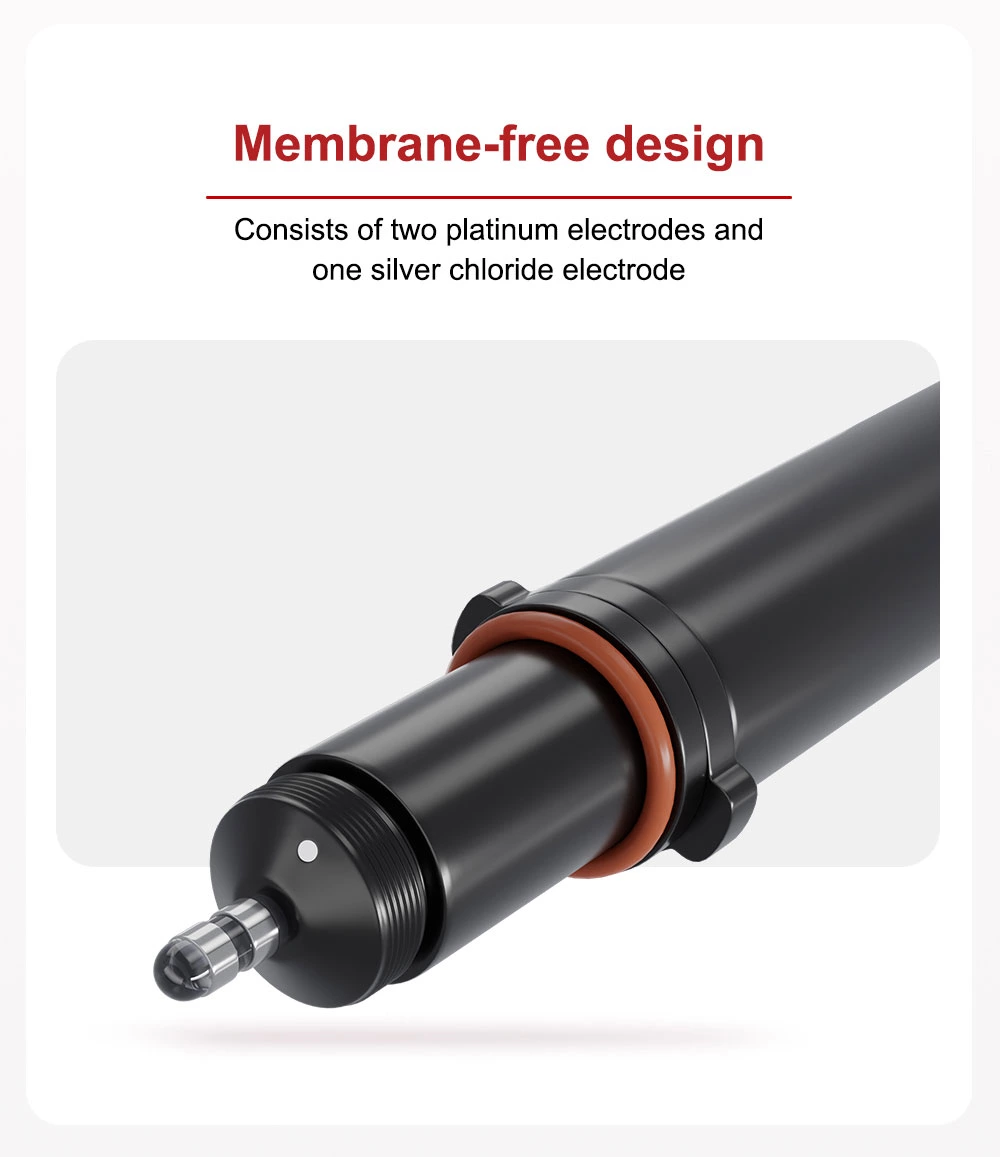
- The membrane-less design eliminates the need to replace the membrane head and add electrolyte.
- Three-electrode design ensures zero-point stability and high sensitivity.
- Built-in high-precision sampling circuit makes the sensor linear.
- When the pH changes little, it can be accurately compared with the DPD measurement method.
1. What is the MIK-ADI7000 residual chlorine sensor?
The MIK-ADI7000 is a three-electrode constant potential current sensor for measuring residual chlorine, chlorine dioxide (high purity), ozone and other disinfectants. It has a built-in ARM processor with an efficient filtering algorithm and an RS485 interface for connection to computers and network monitoring systems.
2. How does the three-electrode constant potential method work?
The sensor holds its working electrode at a constant potential, and the disinfectant in the water reacts at the electrode surface, producing a current proportional to its concentration. The third electrode stabilizes the potential, which improves zero-point stability and sensitivity compared with a two-electrode design.
3. Does it need reagents or membrane replacement?
No. The electrochemical sensor consumes no reagents and produces no pollutant emissions. The membrane-less design also eliminates the need to replace the membrane head or add electrolyte, which reduces running costs.
4. What measuring ranges are available?
- 0–5 mg/L (standard)
- 0–20 mg/L
Sensitivity is 0.001 mg/L.
5. How accurate is the MIK-ADI7000?
Accuracy is ±5% (DPD comparison error ±10% or ±0.05 mg/L, whichever is greater). When the pH changes little, the readings can be compared accurately with the DPD laboratory method.
6. Does pH affect the reading?
Yes. As with other amperometric chlorine sensors, the reading depends on the pH of the water, because pH changes the balance between hypochlorous acid and hypochlorite. The page notes that comparison with the DPD method is accurate when the pH changes little. If your pH varies significantly, please tell us so we can discuss a suitable solution.
7. Is temperature compensation included?
Yes. Temperature compensation uses an NTC 10K element.
8. What water flow and pressure are required?
- Water flow rate: 0.5–1 L/min, and the flow rate needs to be kept stable
- Process pressure: ≤0.1 MPa
- Medium temperature: 0–50 °C
A stable flow is important because the measurement depends on the disinfectant reaching the electrode surface at a constant rate.
9. What output and protocol does it use?
The output is RS485 with Modbus-RTU protocol, which allows direct connection to a PLC, data logger, controller or network monitoring system.
10. What power supply does it need?
9–24 VDC, with power consumption ≤0.5 W.
11. What is the sensor interface and cable length?
- Sensor interface: aviation plug
- Cable: 2 m standard, other lengths can be customized
12. Can it measure chlorine dioxide or ozone?
Yes. The same sensor type is used for residual chlorine, high-purity chlorine dioxide and ozone. Please tell us which disinfectant you need to measure so we can supply the correct configuration.
13. Where is the MIK-ADI7000 used?
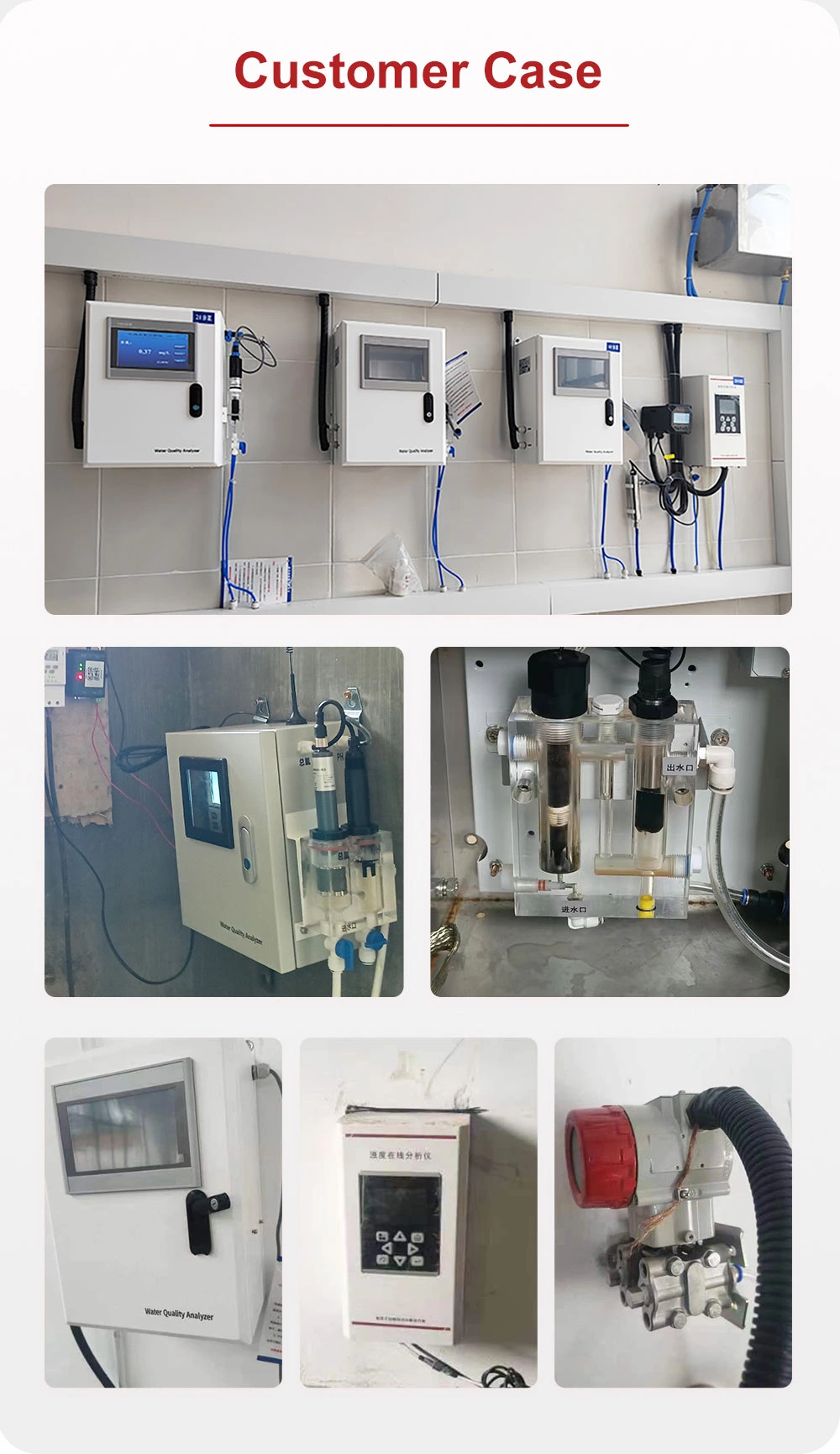
Typical applications include tap water plants, pipe networks, secondary water supply, end-user points and swimming pools.
14. Which meter or controller should I use with it?
The sensor can be connected to any Modbus-RTU master. If you need a meter with display and outputs, see the MIK-TRC400 residual chlorine meter, or tell us your requirements and we will recommend a suitable model.
15. How is the sensor calibrated?
Amperometric chlorine sensors are generally calibrated against a DPD measurement of the same water, and zero calibration is performed in chlorine-free water. Please follow the procedure of your meter, and contact us for the calibration commands over Modbus.
16. How should the sensor be installed and maintained?
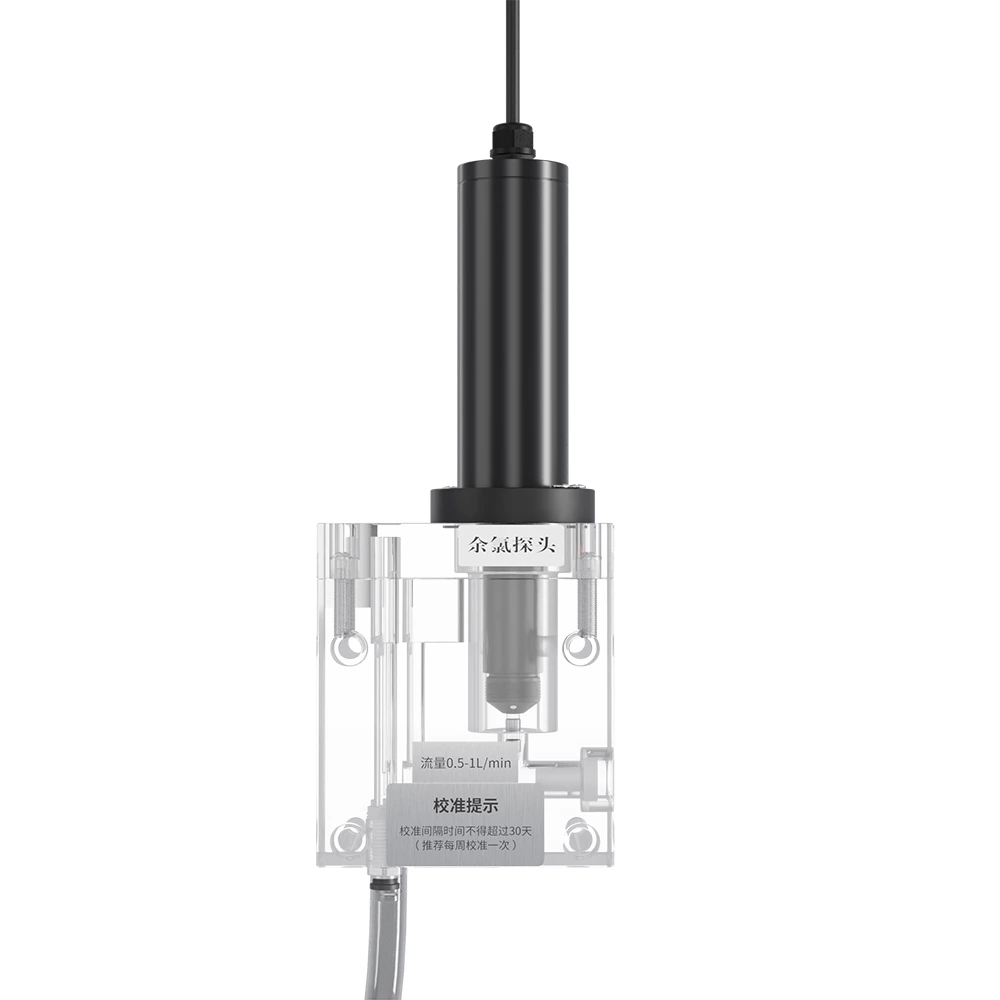
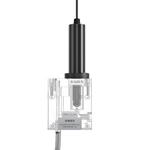
- Install the sensor in a flow cell or line that maintains a stable flow of 0.5–1 L/min.
- Keep the process pressure at or below 0.1 MPa; use a pressure reducer if needed.
- Avoid air bubbles in the sample line.
- Clean the electrode surfaces periodically and recheck against a DPD measurement.
17. What information should I provide to get a quotation?
To help us select the correct configuration, please provide:
- Disinfectant to be measured (residual chlorine, chlorine dioxide or ozone)
- Expected concentration range
- Water temperature, pH and pressure
- Available sample flow
- Cable length and host system (PLC, controller or meter)
- Quantity
Send your requirements to info@asmik.com or contact us via WhatsApp at +86 13325716921.