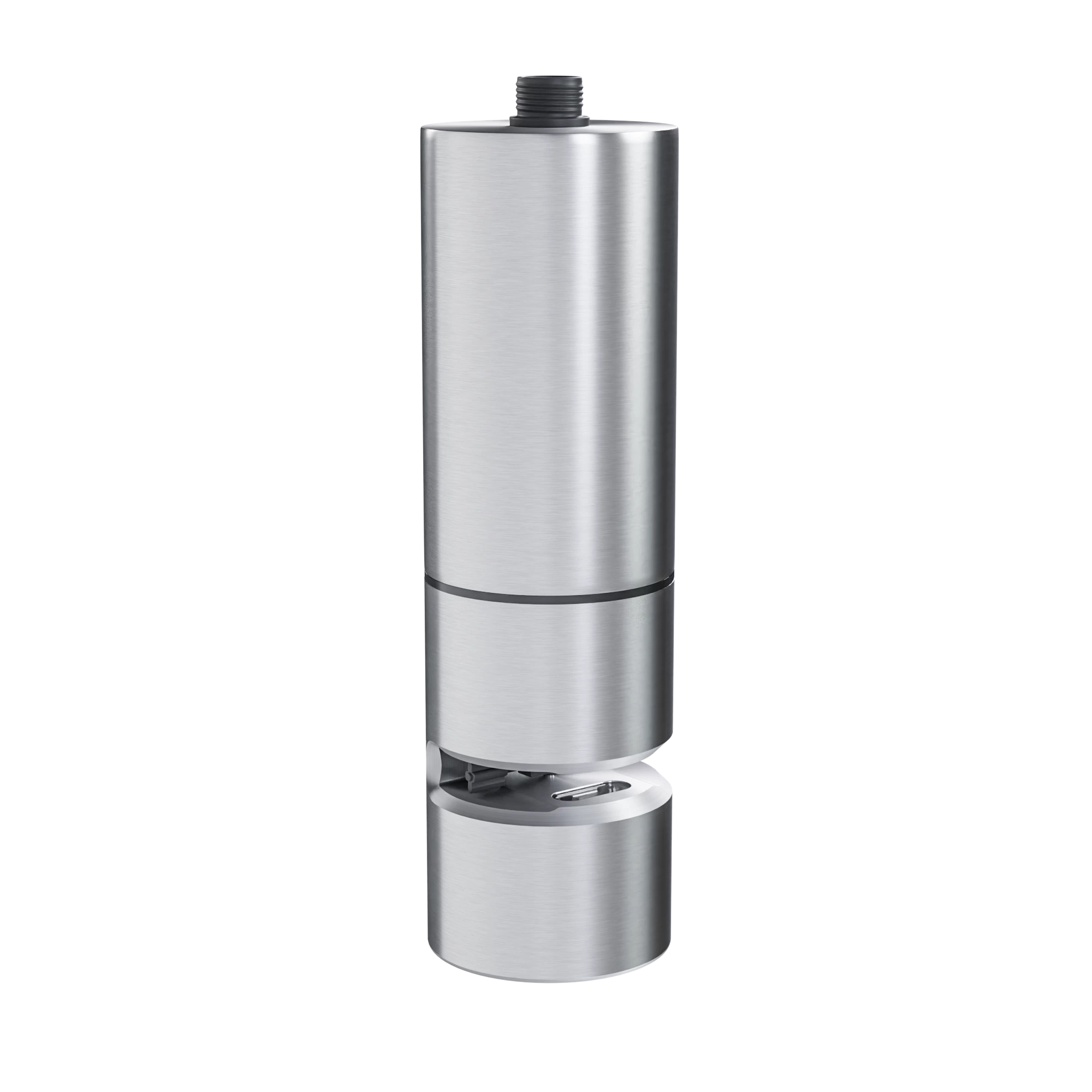
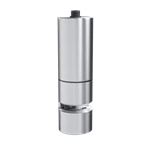
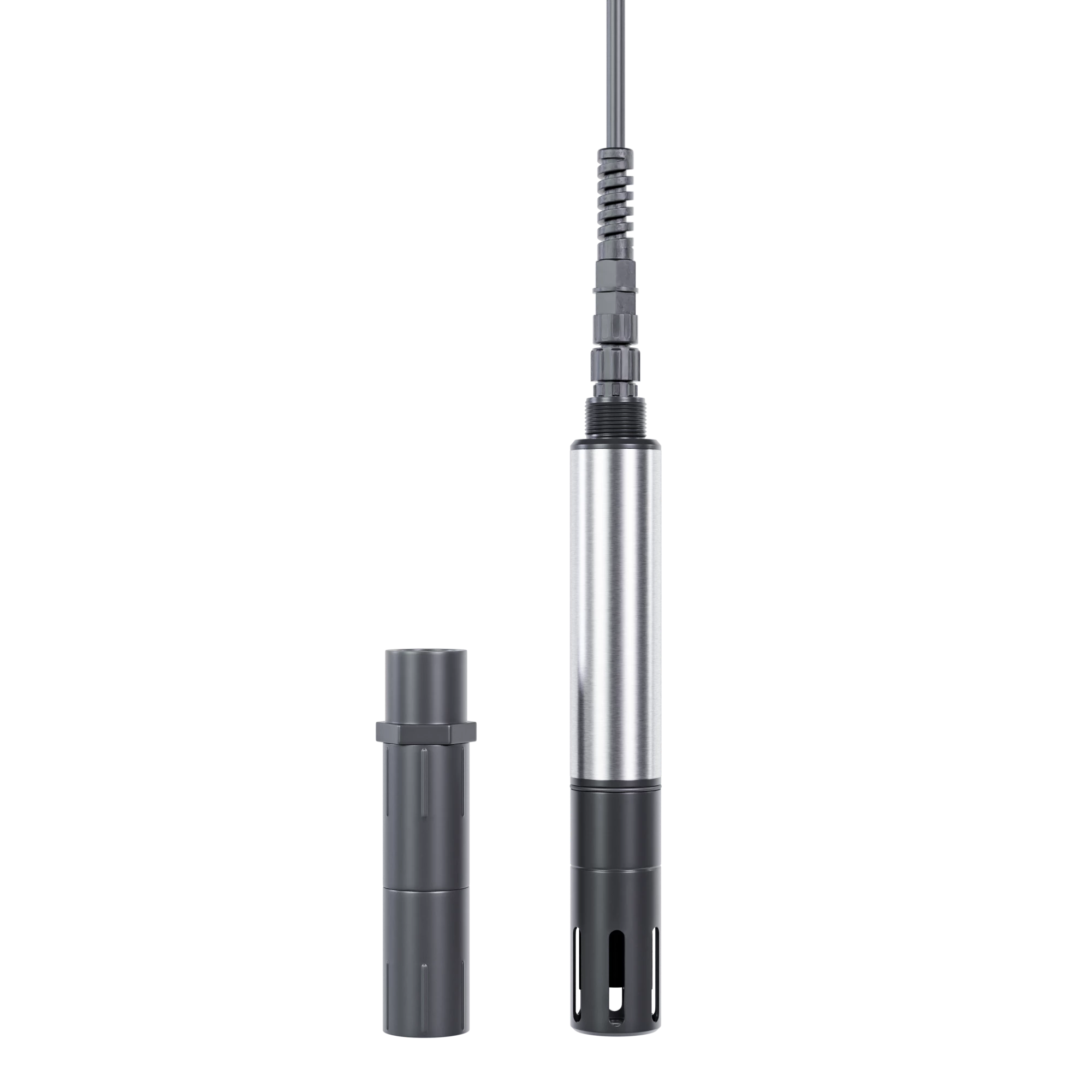
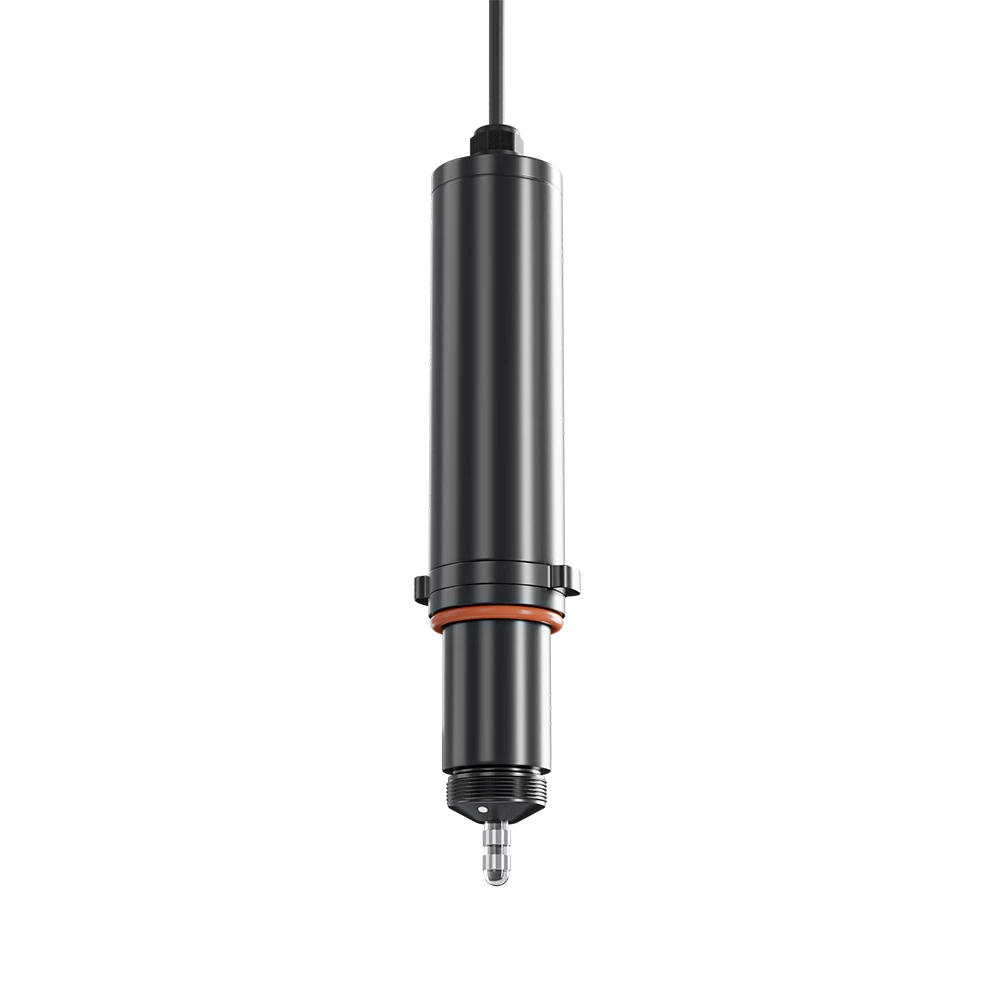
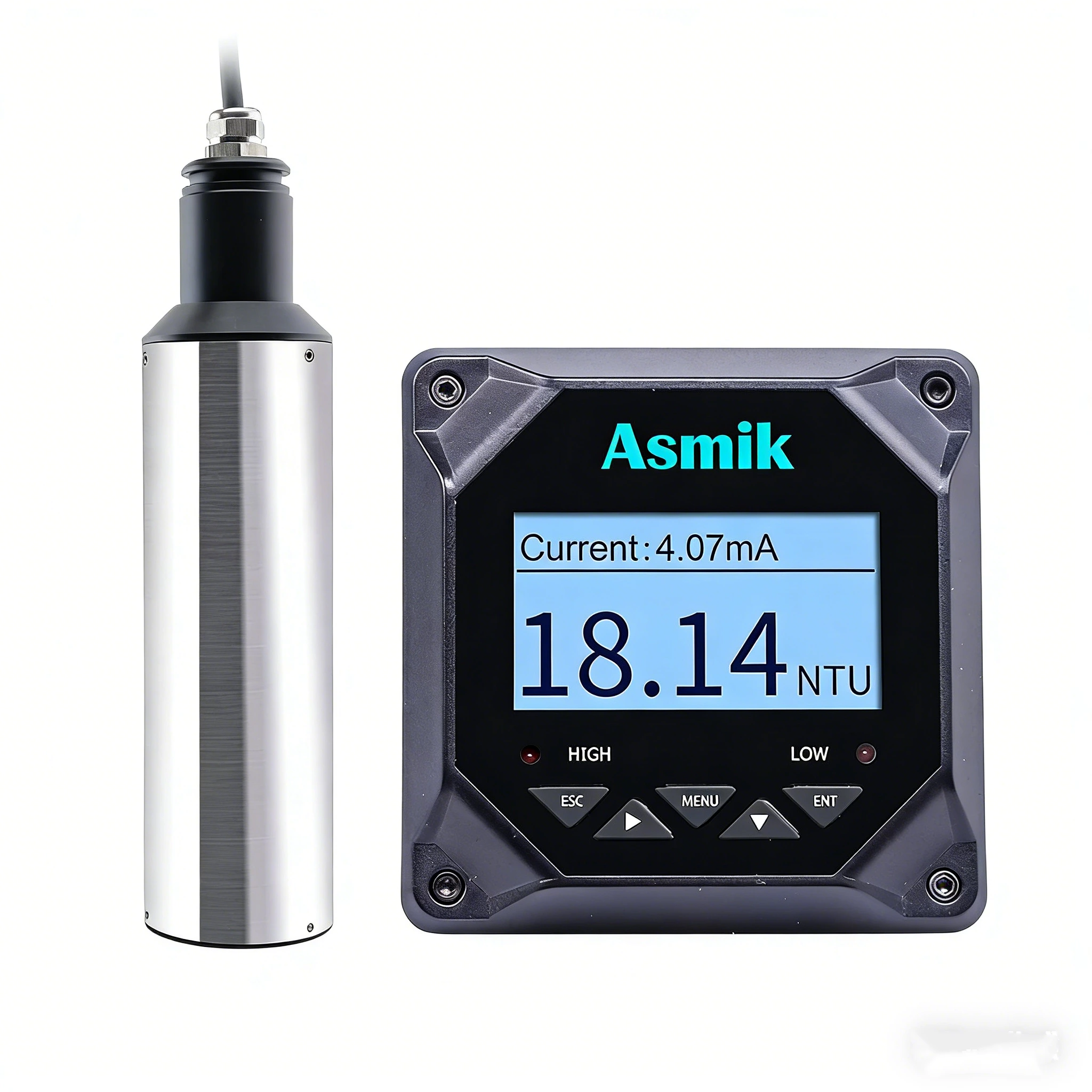
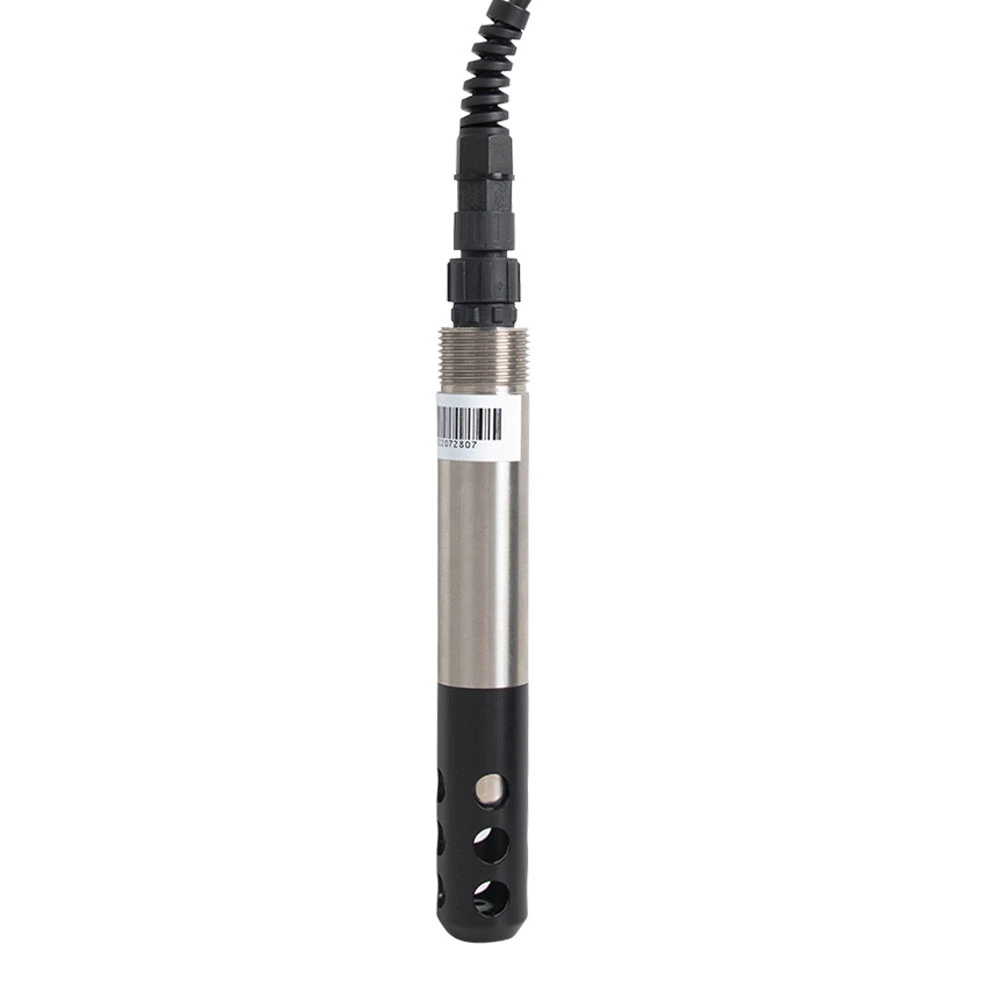
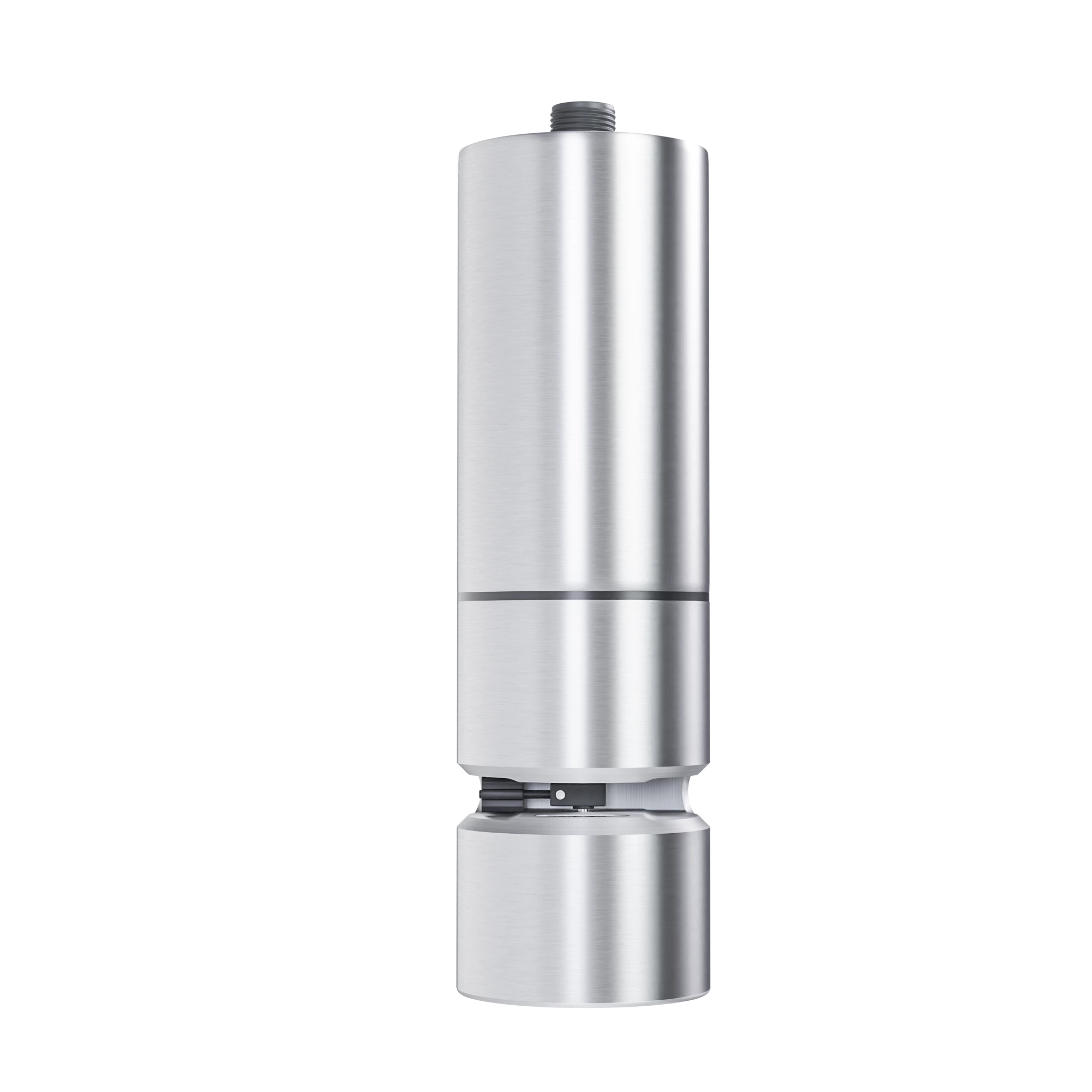
MIK-ADS2000 COD sensor

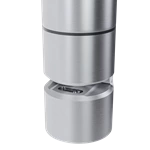
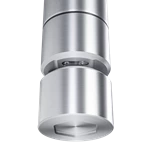
MIK-ADS2000 COD sensor is based on the UV absorption principle, does not need reagents, will not cause pollution, more environmental protection; Integrated self-cleaning brush, easy to install and use, even long-term online monitoring still has excellent stability.

Characteristics

  • Digital sensors, digital RS-485 output, Modbus protocol;
  • Proven UVC LED technology, long lifetime, stable and instant measurement; Measurement of parameters such as COD, TOC, turbidity and temperature;
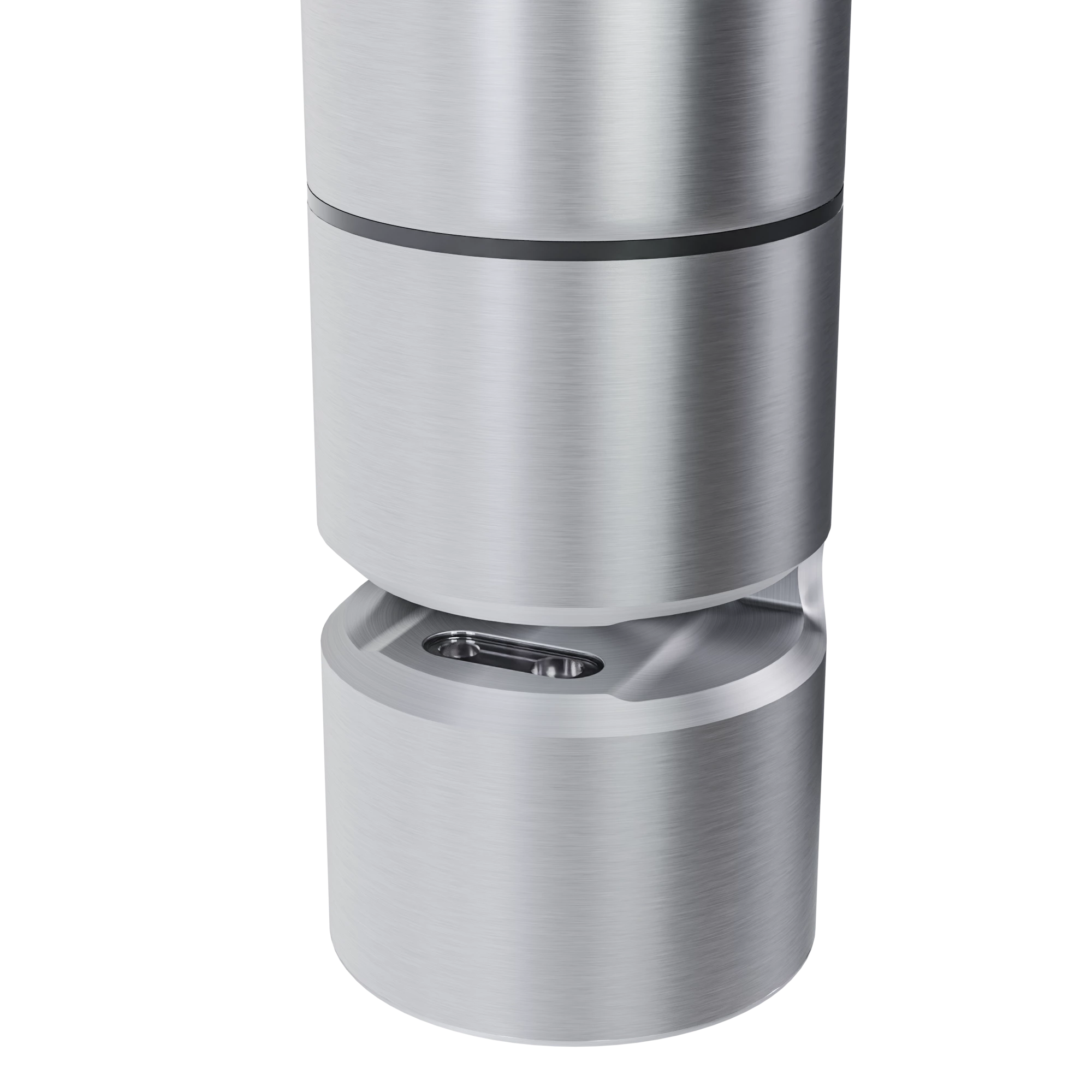
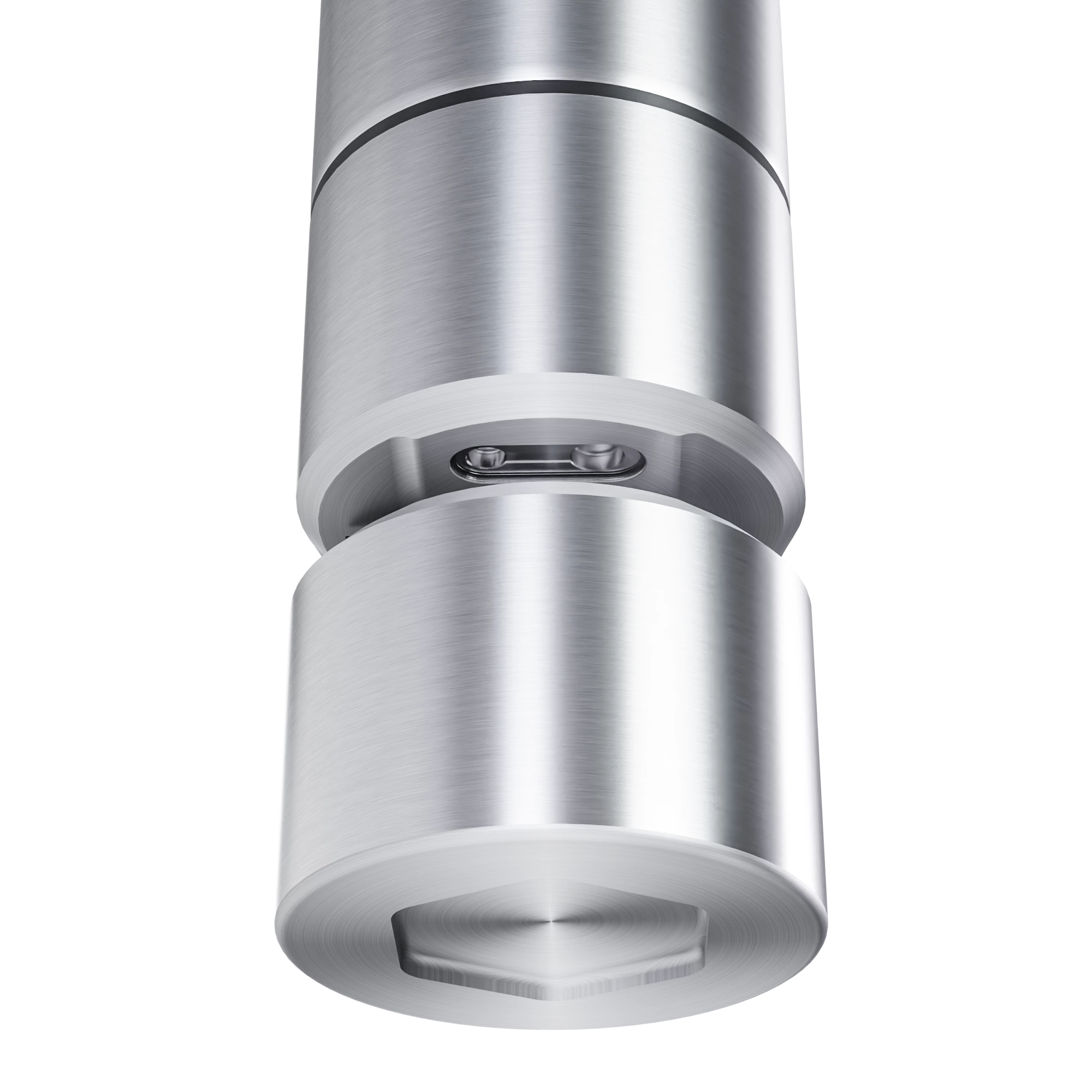
  • With self-cleaning brushes to prevent biological adhesion and longer maintenance intervals.
Specification


  • Specification

  Product    COD sensor
  Model   MIK-ADS2000
  COD Range   0.5 to 500mg/L equiv.KHP
  TOC Range   0.3 to 200mg/L equiv.KHP
  COD Accuracy  ±5% equiv.KHP
  TOC Accuracy  ±5% equiv.KHP
  Pressure  3 bar
  Material  Stainless steel
  Temperature range  0-50℃
  Temperature accuracy  ±3℃
  Ingress protection  IP68

  • Introduction


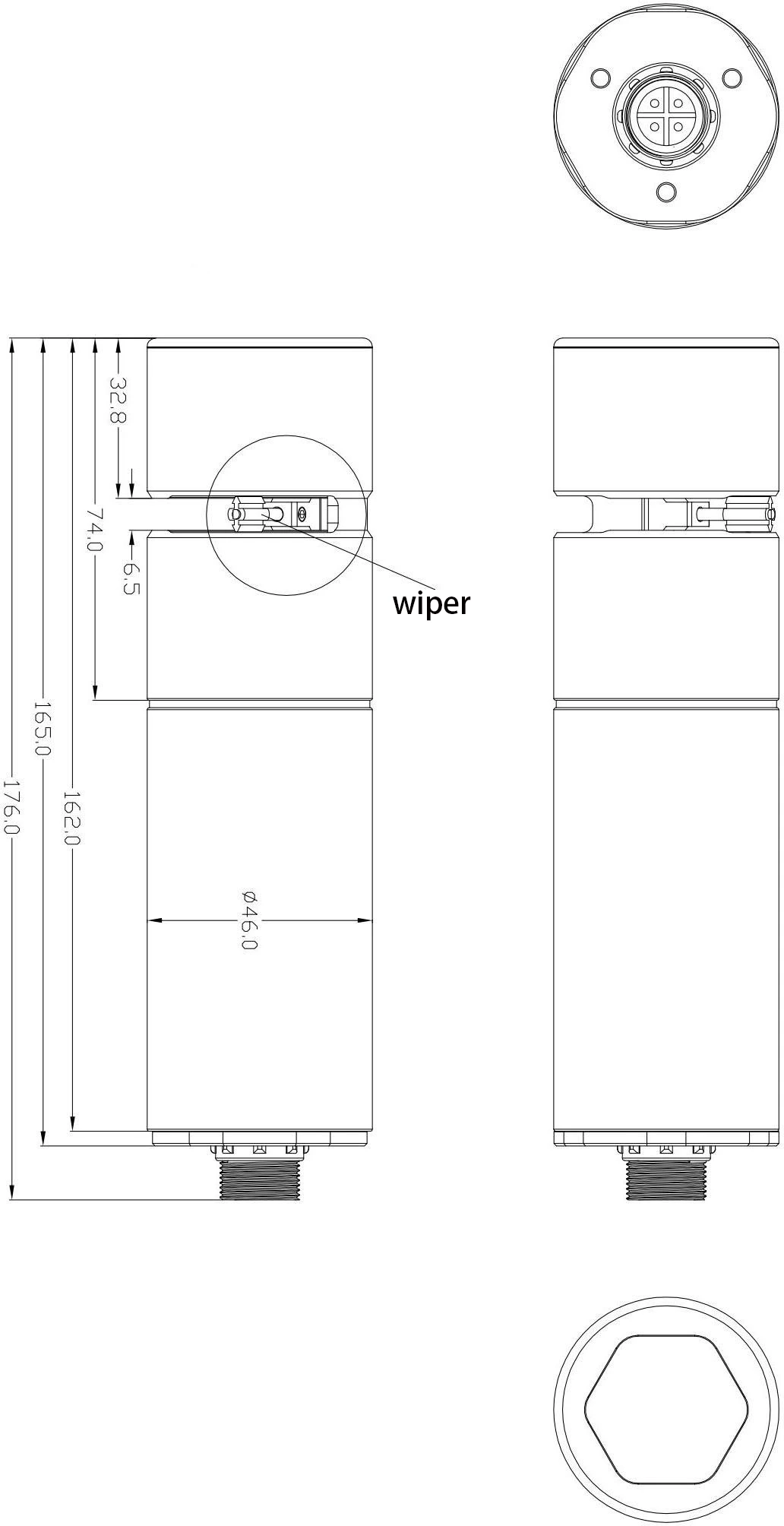
MIK-ADS2000 COD sensor


  • FAQ

1. What is the MIK-ADS2000 COD sensor?

The MIK-ADS2000 is a digital COD sensor based on the UV absorption principle. It measures COD, TOC, turbidity and temperature without reagents, and has an integrated self-cleaning brush for long-term online monitoring.

2. How does a UV COD sensor work?

Many organic substances in water absorb ultraviolet light. The MIK-ADS2000 uses a UVC LED light source and measures how much UV light is absorbed by the water; this absorption is related to the concentration of organic matter, from which COD and TOC values are calculated.

3. Does it need reagents?

No. The UV absorption method requires no reagents, produces no chemical waste and causes no secondary pollution.

4. What parameters does it measure?

COD, TOC, turbidity and temperature.

5. What are the measuring ranges and accuracy?
  • COD: 0.5–500 mg/L equiv. KHP; accuracy ±5% equiv. KHP
  • TOC: 0.3–200 mg/L equiv. KHP; accuracy ±5% equiv. KHP
  • Temperature: 0–50 °C; accuracy ±3 °C
6. What does "equiv. KHP" mean?

The ranges and accuracy are expressed as equivalent values of KHP (potassium hydrogen phthalate), a standard reference substance used for COD and TOC calibration. In real water, the relationship between UV absorption and COD depends on the composition of the organic matter.

7. Will the readings match my laboratory COD results?

UV-based COD is an optical equivalent value, while laboratory COD is usually determined by chemical oxidation. For best agreement, it is generally recommended to compare the sensor readings with laboratory results for your specific water and apply a site correlation if needed.

8. Why does the sensor also measure turbidity?

Suspended particles scatter light and can affect UV absorption measurements. Measuring turbidity at the same time allows the influence of particles to be taken into account and provides an additional water quality parameter.

9. What is the self-cleaning brush for?

The integrated self-cleaning brush keeps the optical windows clean, prevents biological adhesion and extends maintenance intervals, which helps maintain stable readings during long-term online monitoring.

10. What output does it provide?

It is a digital sensor with RS-485 output and Modbus protocol, so it can be connected directly to a PLC, data logger or controller.

11. Which controller can it be used with?

It can be connected to any Modbus master. Asmik controllers that support digital sensors, including COD, include the MIK-DC-P2 dual channel universal controller. Please confirm compatibility with us.

12. What are the pressure, material and protection ratings?
  • Pressure: 3 bar
  • Material: stainless steel
  • Ingress protection: IP68
13. What is the light source lifetime?

The MIK-ADS2000 uses proven UVC LED technology, which offers a long lifetime and stable, instant measurement compared with conventional lamps. Please contact us for detailed lifetime data.

14. Where is the MIK-ADS2000 used?

It is typically used for online monitoring of organic load in wastewater treatment plants, surface water, industrial effluent and process water.

15. How should it be installed?
  • Immerse the sensor in a representative location with the optical path fully submerged.
  • Avoid areas with heavy air bubbles, such as directly above aerators.
  • Use a mounting bracket and keep the brush free to move.
  • Make sure the sensor can be removed easily for inspection.

Please follow the installation manual or contact our engineers for site-specific requirements.

16. What maintenance is required?

The self-cleaning brush reduces manual cleaning. Periodically inspect the optical windows and the brush, and check the readings against laboratory measurements.

17. What information should I provide to get a quotation?

To help us select the correct configuration, please provide:

  • Application and water type (wastewater, surface water, effluent)
  • Expected COD/TOC range
  • Water temperature and pressure
  • Fouling and suspended solids conditions
  • Host system (PLC, controller) and cable length
  • Quantity

Send your requirements to info@asmik.com or contact us via WhatsApp at +86 13325716921.

Features

Benefits

  • The sensor has high sensitivity and fast response
  • High measurement accuracy, suitable for various media
  • Stable signal and strong anti-interference capability
  • Supports temperature compensation and standard signal output
  • Facilitates remote transmission and system integration

Automated &factory

Need more information?

Contact us for more details about our solutions and services

This site uses cookies

We use cookies to collect information about how you use this site. We use this information to make the website work as well as possible and improve our services.