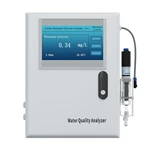
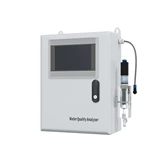
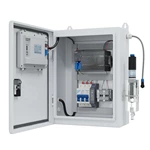
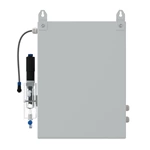
Specification
MIK-TRC 400 Residual chlorine meter
| Product |
Residual chlorine meter |
| Model |
MIK-TRC400 |
| Measure range |
Residual chlorine: (0~5) mg/L Temperature: (0.1~40.0)℃ |
| Display |
7 inch touch screen |
| Protective box size |
Dimensions : 400mm×300mm×180mm
Visual size : 155mm×87mm |
| Transmit output |
(4~20)mA (optional) |
| Load resistance |
≤750Ω |
| Communication |
RS485, Modbus |
| Environmental humidity |
≤95% no condensate |
| Power supply |
220VAC |
| Ingress protection |
IP43 |
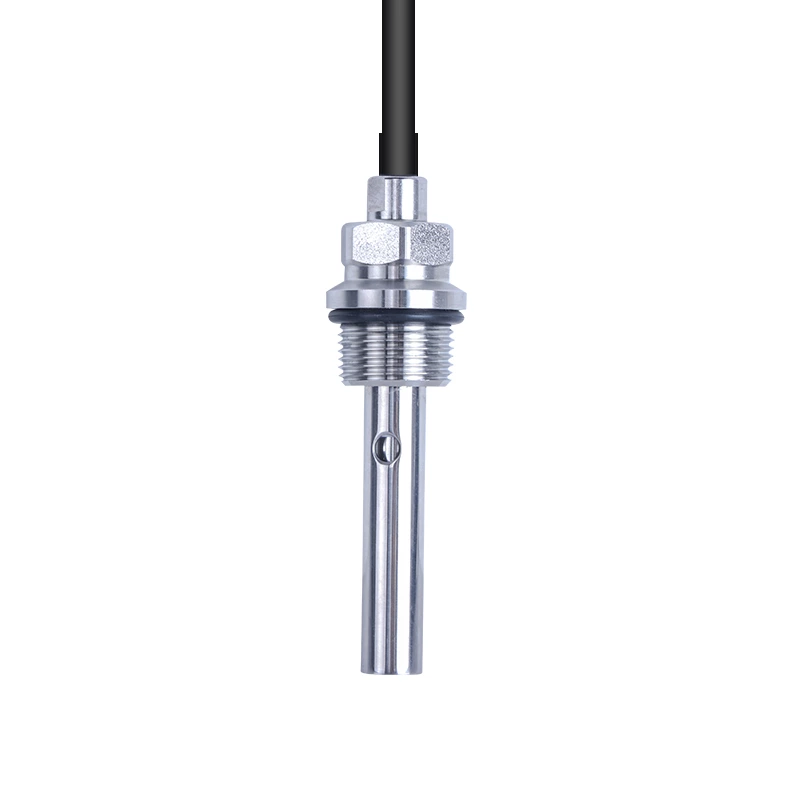
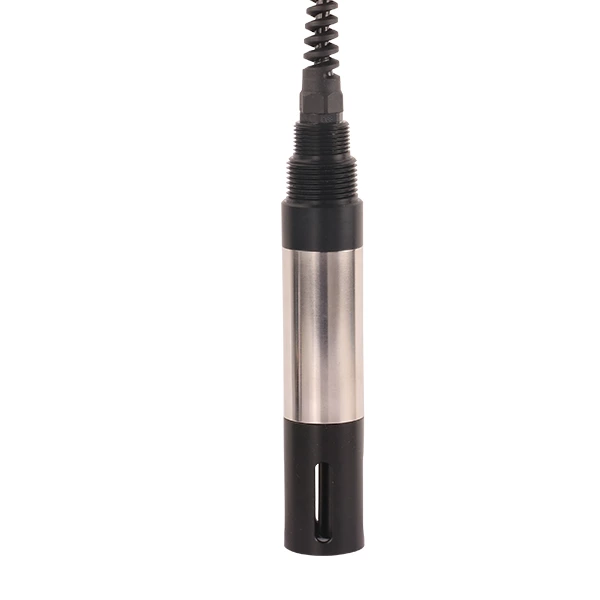
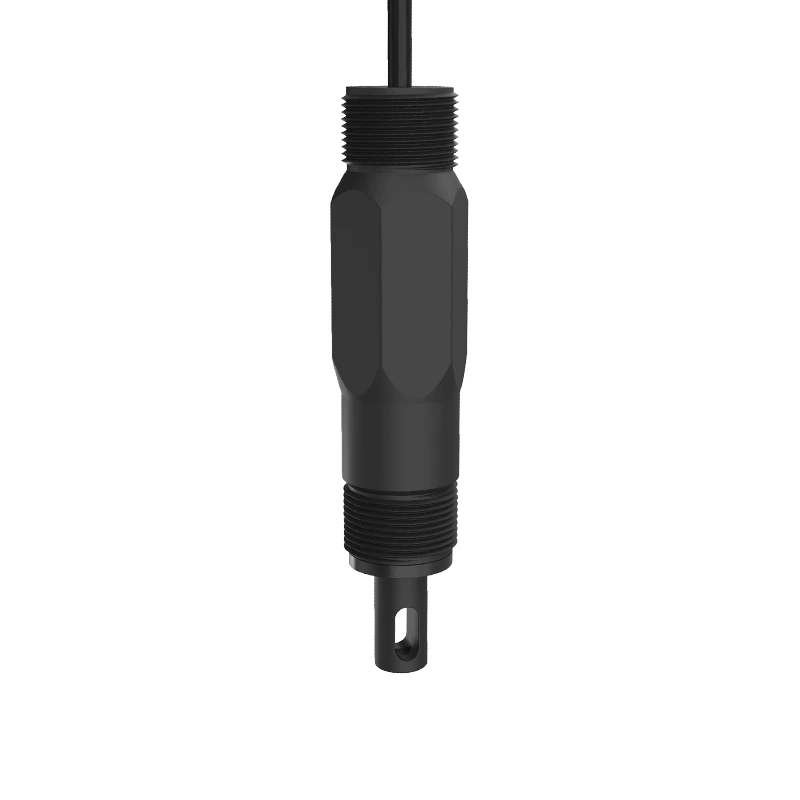
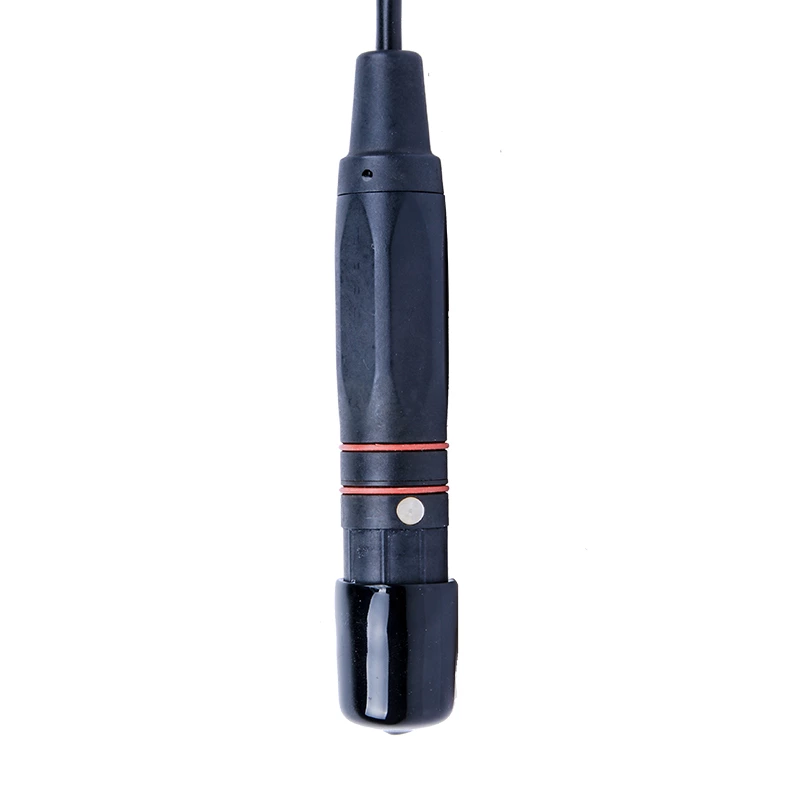
MIK-ERC 400 Residual chlorine sensor
| Measurement content |
HCLO、CLO2 |
| Measuring system |
Microelectronics MEMS technology, special membrane structure |
| Measure range |
(0~5)mg/L |
| Accuracy |
When ≤0.1mg/L, the absolute error is ±0.01mg/L; When ≥0.1mg/L, ±5% of the measured value or ±0.02mg/L (whichever is greater) |
| Resolution |
0.01 |
| Polarization time |
When using for the first time, first pass water for 2 hours in chlorinated water, and then power on for half an hour. |
| Response time |
Less than 30s after polarization is completed |
| Minimum conductivity |
≥100us/cm, can not be used for ultrapure water |
| Operating temperature |
(0.1~40) ℃ (No condensed water) |
| Temperature compensation |
Pt1000 with built-in integrated automatic compensation |
| Max pressure |
4bar |
| Recommended flow rate |
≥0.03m/s in flow cell |
| pH range |
(5~9) pH, below 5 will damage the membrane head |
| Maximum chlorine concentration |
≥5ppm |
| Power supply |
Standard 24V DC±2V; optional 12V DC±2V |
| Power consumption |
1.56W |
| Digital communication |
MODBUS RS485 |
| Cable length |
Standard 3 meters, others can be customized |
| Probe weight |
210g |
| Thread size |
NPT 3/4 |
| Connection method |
5-pin waterproof aviation plug |
| Moisture-proof material |
PVC and Viton® O-ring seals |
The residual chlorine meter has a built-in sensor, which has the characteristics of high measurement accuracy, fast response time and low maintenance cost. The residual chlorine meter outputs 4~20mA standard signal and RS485 signal, which can be connected to various regulators, and can be connected to two-position regulators, time proportional regulators, non-linear regulators and classic PID regulators according to requirements, which can be combined into various types. Residual chlorine control system.
- The electrode measurement is accurate and the response speed is fast
- LCD with backlight, easy and intuitive operation
- With automatic temperature compensation, pH manual compensation function
- Restore factory function to avoid data loss by misoperation
- Isolated 4-20mA standard signal can realize signal remote transmission
- Range can be switched manually
- A variety of calibration methods are convenient for on-site adjustment
1. What is the MIK-TRC400 residual chlorine meter?
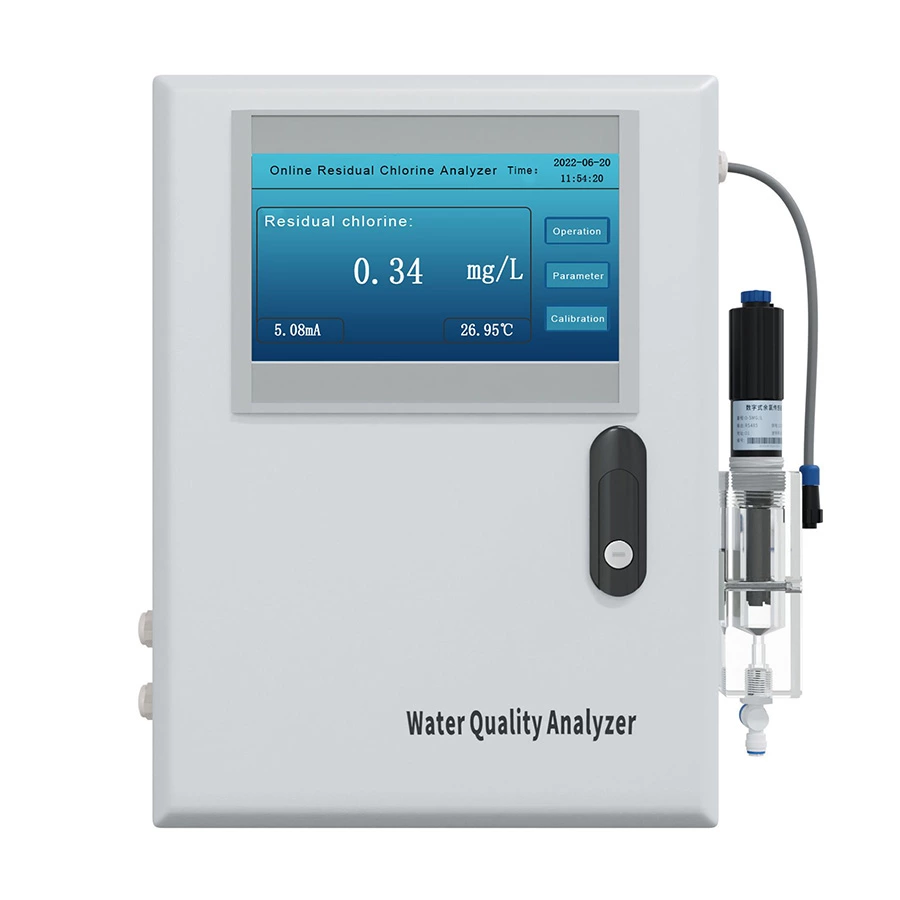
The MIK-TRC400 is an online residual chlorine meter supplied with the MIK-ERC400 residual chlorine sensor. It offers high measurement accuracy, fast response and low maintenance cost, with a 7-inch touch screen, optional 4–20 mA output and RS485 Modbus communication.
2. What does the system include?
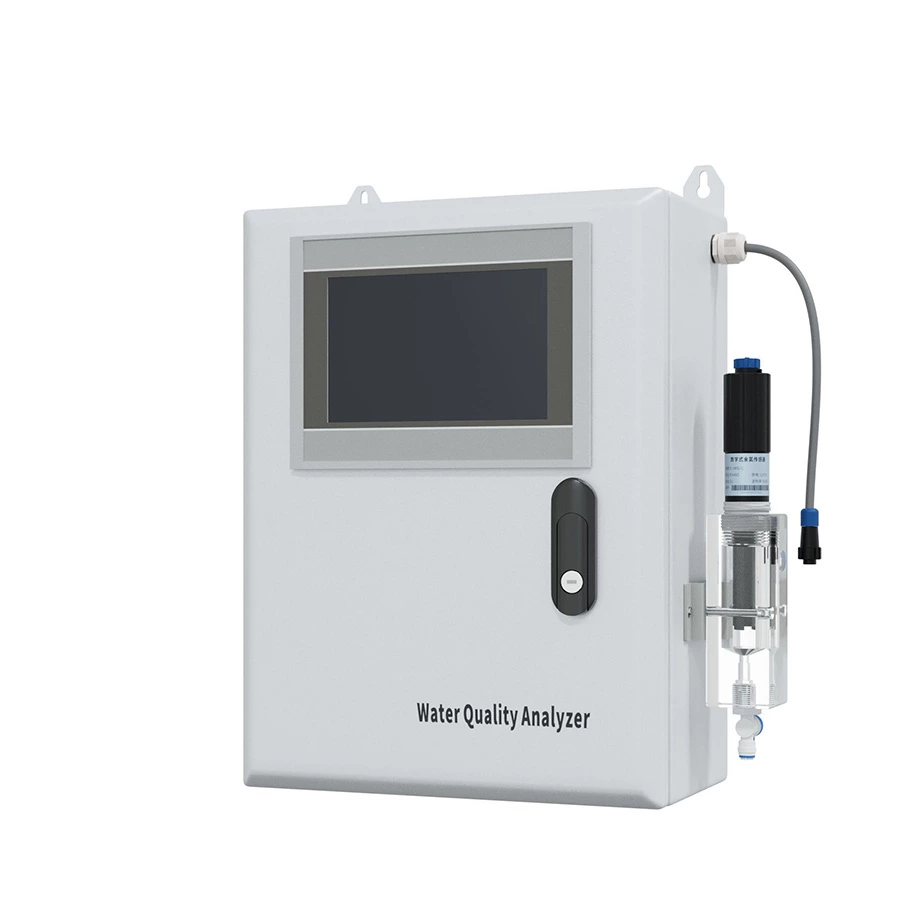
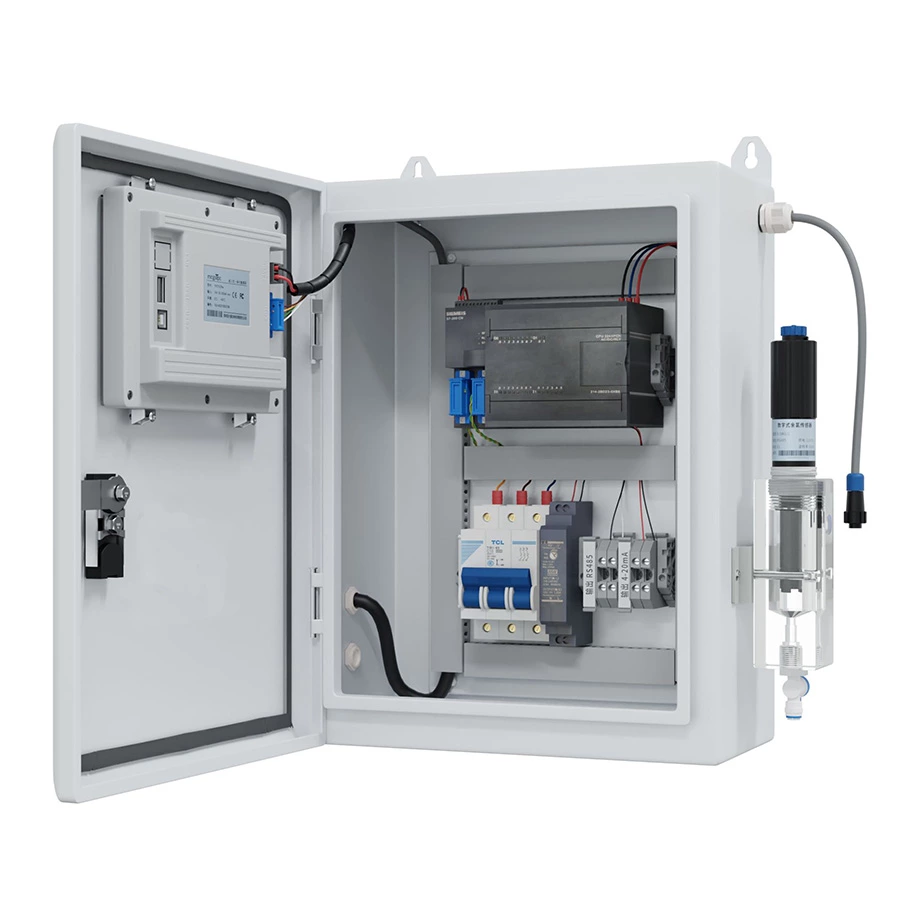
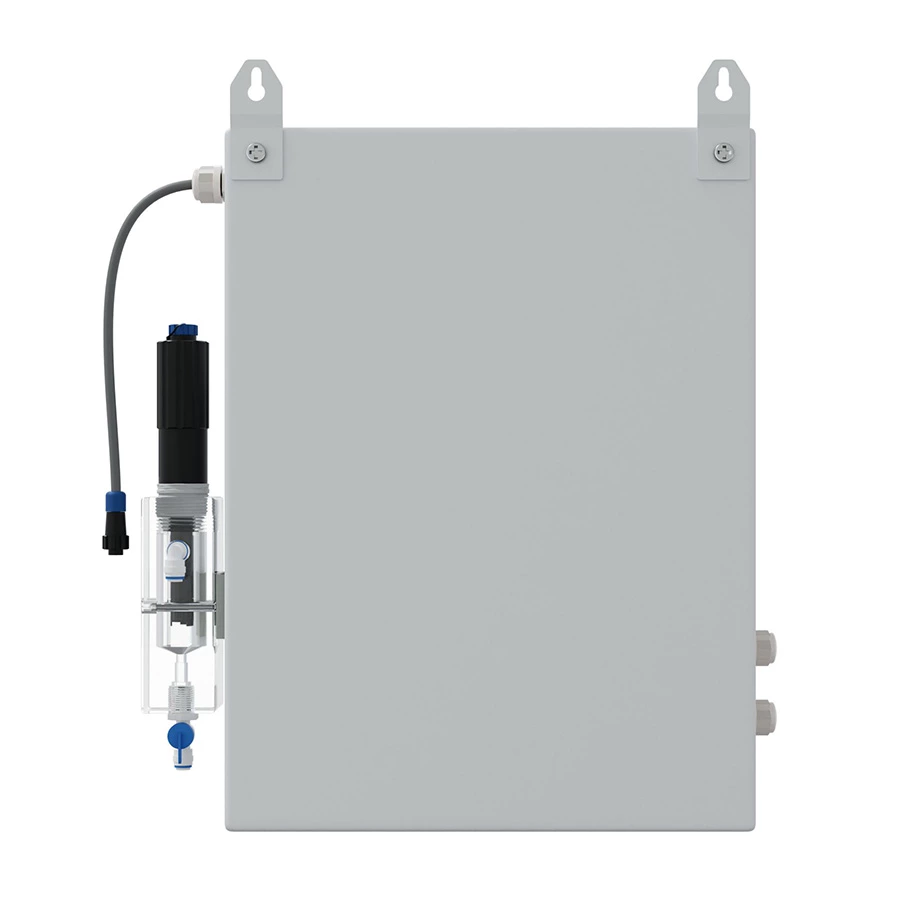
The system consists of the MIK-TRC400 meter, housed in a protective box, and the MIK-ERC400 residual chlorine sensor, which uses microelectronic MEMS technology with a special membrane structure.
3. What can it measure?
The sensor measures hypochlorous acid (HClO) and chlorine dioxide (ClO₂), over a range of 0–5 mg/L, together with temperature (0.1–40.0 °C).
4. How accurate is the measurement?
- At ≤0.1 mg/L: absolute error ±0.01 mg/L
- At ≥0.1 mg/L: ±5% of the measured value or ±0.02 mg/L, whichever is greater
- Resolution: 0.01
5. What is the response time, and is polarization needed?
Response time is less than 30 seconds after polarization. When the sensor is used for the first time, run chlorinated water through it for 2 hours, then power it on for half an hour before measuring.
6. What pH range is allowed?
The allowed pH range is 5–9. Below pH 5 the membrane head will be damaged, so check your water before installation. The meter also provides manual pH compensation.
7. Is there a minimum water conductivity?
Yes. The conductivity must be at least 100 μS/cm. The sensor cannot be used in ultrapure water.
8. What flow and pressure are required?
- Recommended flow rate: ≥0.03 m/s in the flow cell
- Maximum pressure: 4 bar
- Operating temperature: 0.1–40 °C (no condensed water)
9. Is temperature compensation included?
Yes. A built-in Pt1000 provides integrated automatic temperature compensation, and the meter also offers manual pH compensation.
10. What outputs does the meter provide?
- 4–20 mA transmit output (optional), isolated, load resistance ≤750 Ω
- RS485 with Modbus protocol
The isolated 4–20 mA signal supports remote transmission.
11. Can it be used for chlorine dosing control?
Yes. The 4–20 mA and RS485 signals can be connected to various regulators, including two-position, time-proportional, non-linear and classic PID regulators, to build a residual chlorine control system. See our metering pumps for dosing.
12. What display and operating functions are available?
- 7-inch touch screen (LCD with backlight)
- Manual range switching
- Several calibration methods for on-site adjustment
- Restore factory settings to avoid data loss from misoperation
13. What power supply is required?
- Meter: 220 VAC
- Sensor: 24 VDC ±2 V standard, 12 VDC ±2 V optional; power consumption 1.56 W
14. What are the enclosure size and protection rating?
- Protective box: 400 × 300 × 180 mm; visual size 155 × 87 mm
- Ingress protection: IP43
- Environmental humidity: ≤95% without condensation
With IP43 protection, install the meter indoors or in a sheltered location.
15. What are the sensor connection details?
- Thread size: NPT 3/4
- Connection: 5-pin waterproof aviation plug
- Cable: 3 m standard, other lengths can be customized
- Probe weight: 210 g
- Moisture-proof materials: PVC and Viton® O-ring seals
16. How is the system calibrated?
Several calibration methods are available for on-site adjustment. Residual chlorine sensors are generally calibrated against a DPD measurement of the same water. Please follow the procedure in the manual.
17. How does the MIK-TRC400 compare with the MIK-ADI7000 sensor?
The MIK-TRC400 is a complete meter with a 7-inch touch screen, 4–20 mA output and a membrane-type MEMS sensor (pH 5–9, conductivity ≥100 μS/cm). The MIK-ADI7000 is a membrane-less three-electrode sensor with RS485 output only, for connection to your own system, and also measures ozone.
18. Where is the MIK-TRC400 used?
Typical applications include tap water plants, pipe networks, secondary water supply, end-user points and swimming pools, wherever disinfection needs to be monitored or controlled.
19. What information should I provide to get a quotation?
To help us select the correct configuration, please provide:
- Disinfectant to be measured (HClO or ClO₂) and expected range
- Water pH, conductivity, temperature and pressure
- Available sample flow and installation method
- Whether the 4–20 mA output is required
- Cable length and control requirements (dosing pump or regulator)
- Quantity
Send your requirements to info@asmik.com or contact us via WhatsApp at +86 13325716921.