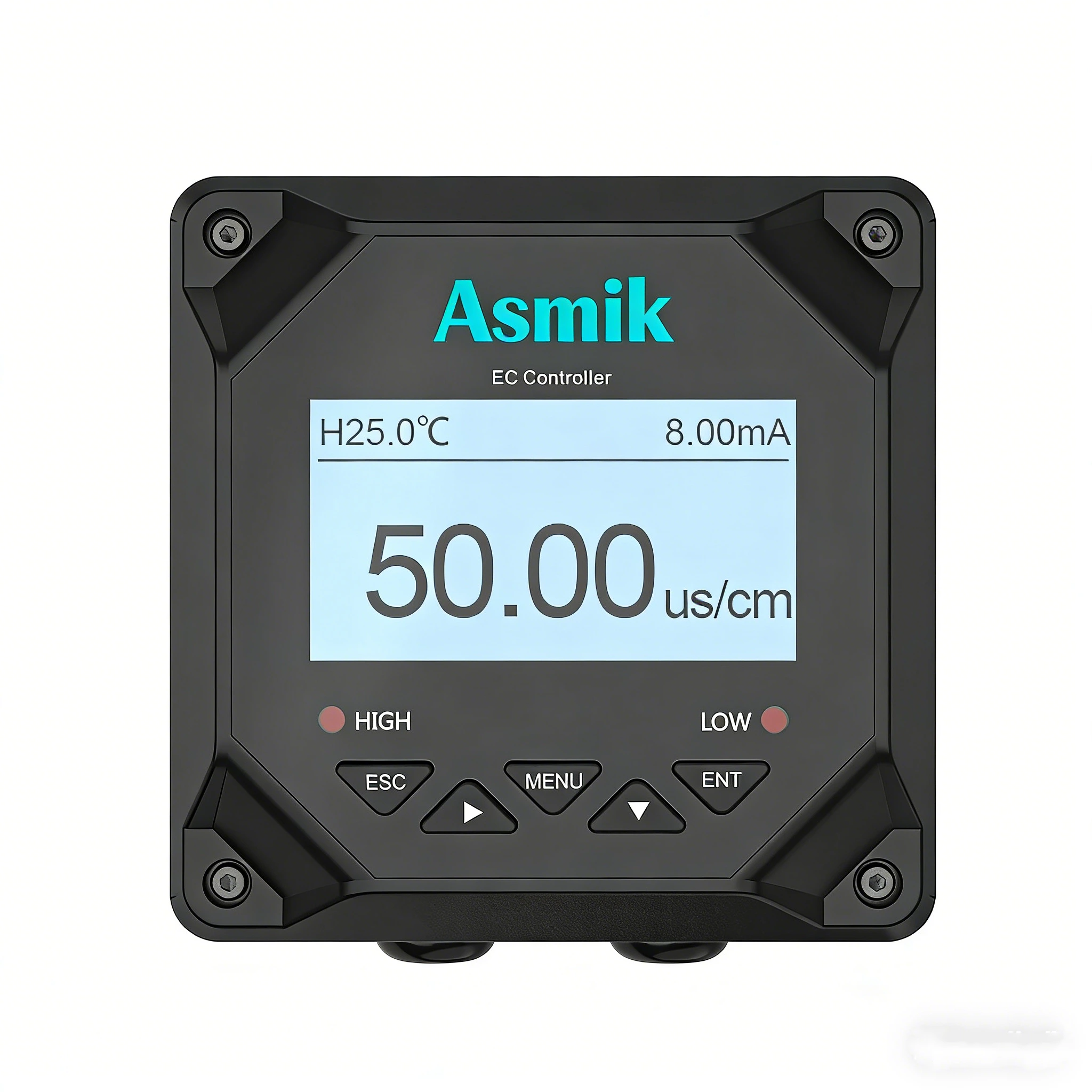
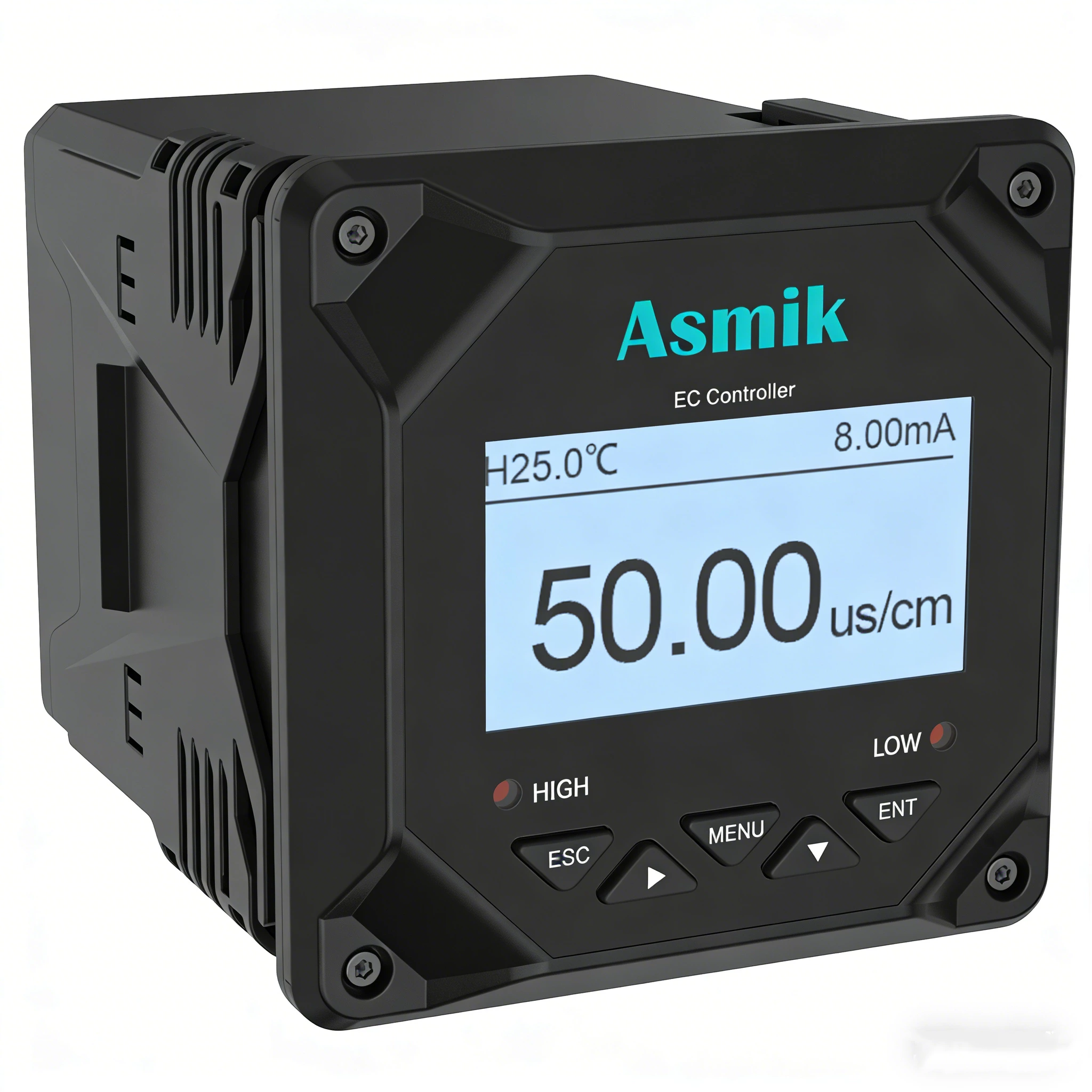
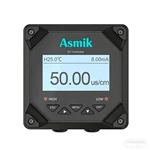
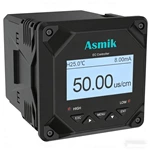
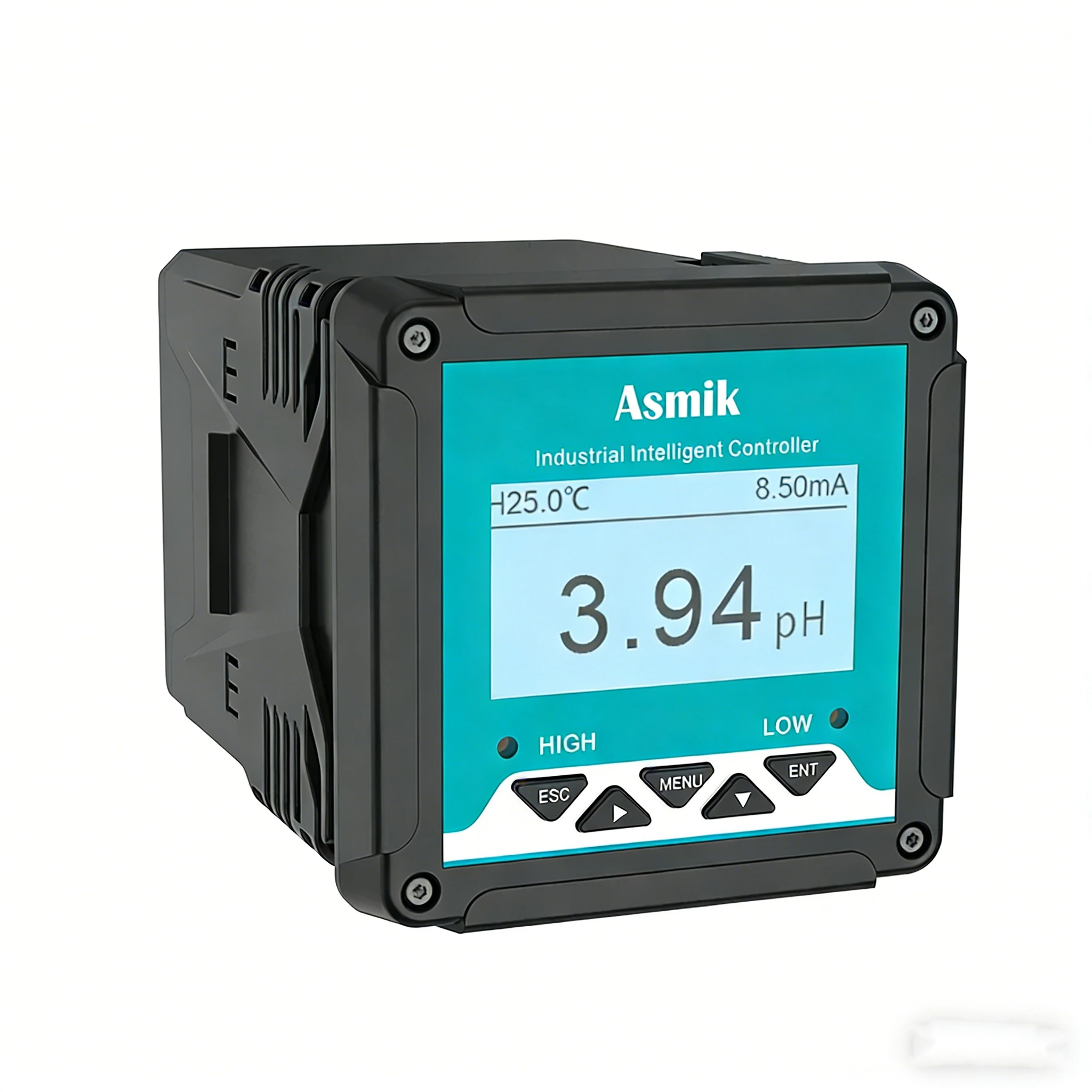
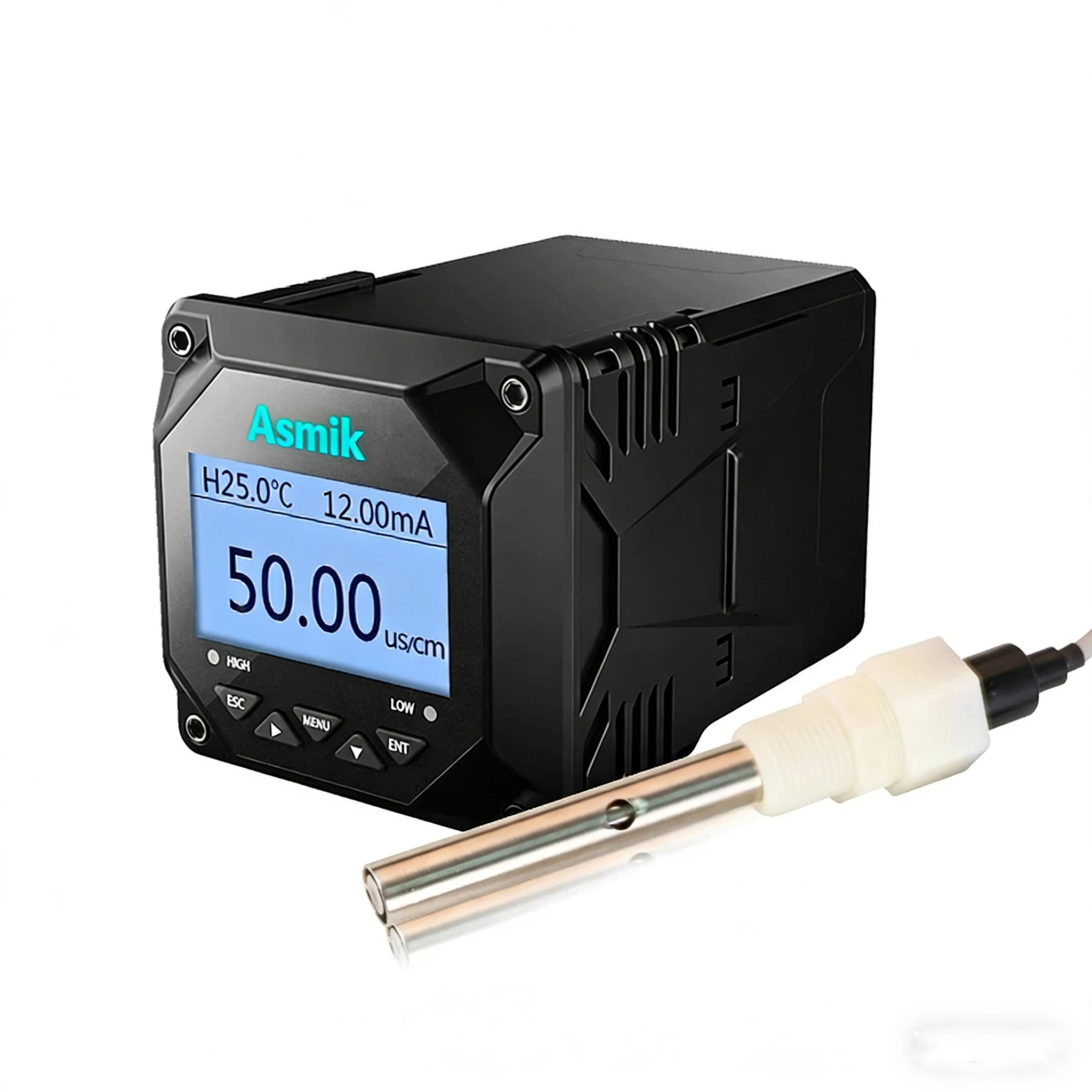
MIK-TDS210-B Conductivity meter

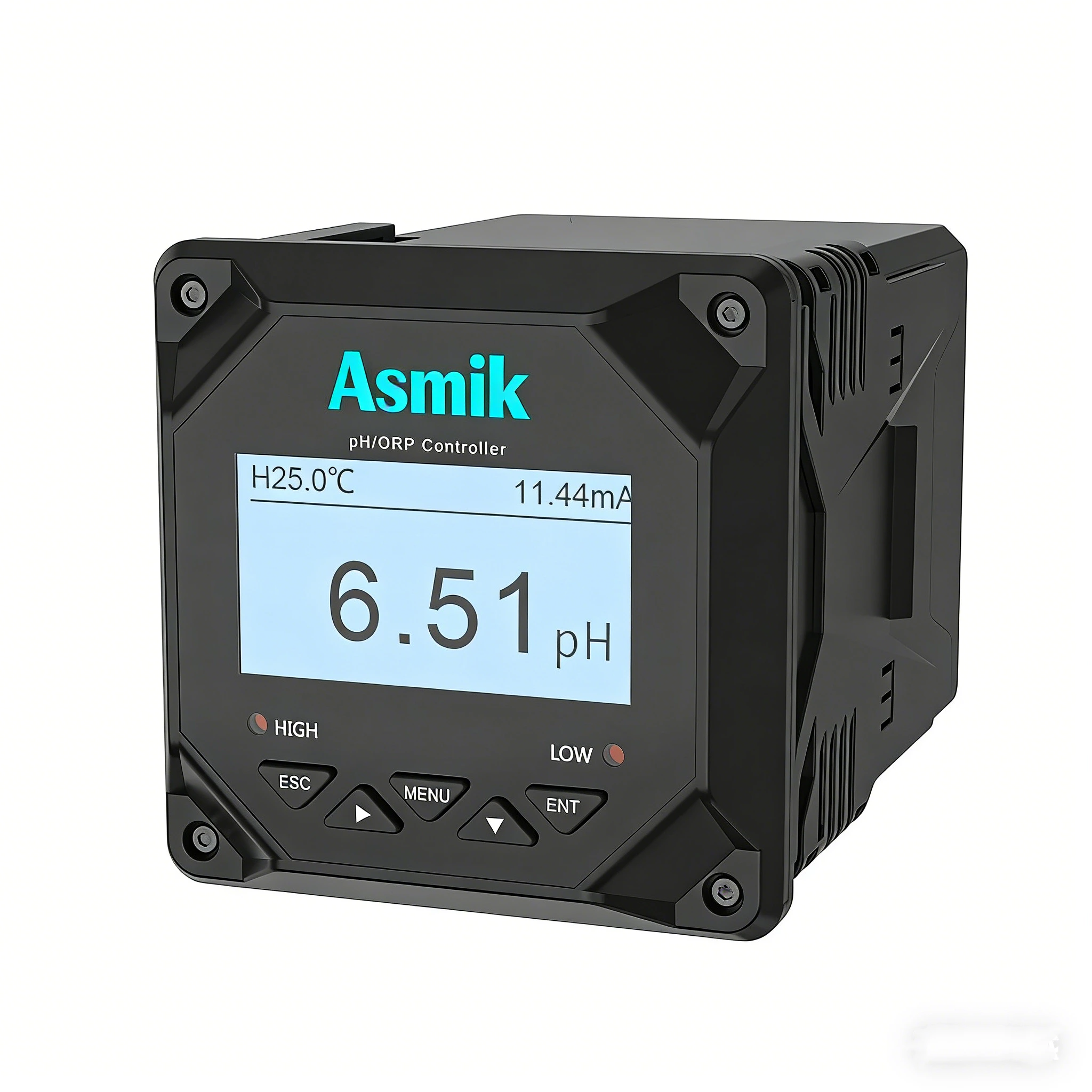
MIK-TDS210-B Conductivity/Hardness/Resistivity Online analyzer, an intelligent Online chemical analyzer, is widely applied for continuous monitoring and measurement of EC value or TDS value or ER value and temperature in the solution in the industry of thermal power, chemical fertilizer, environmental protection, metallurgy, pharmacy, biochemistry, food and water, etc.

Characteristics

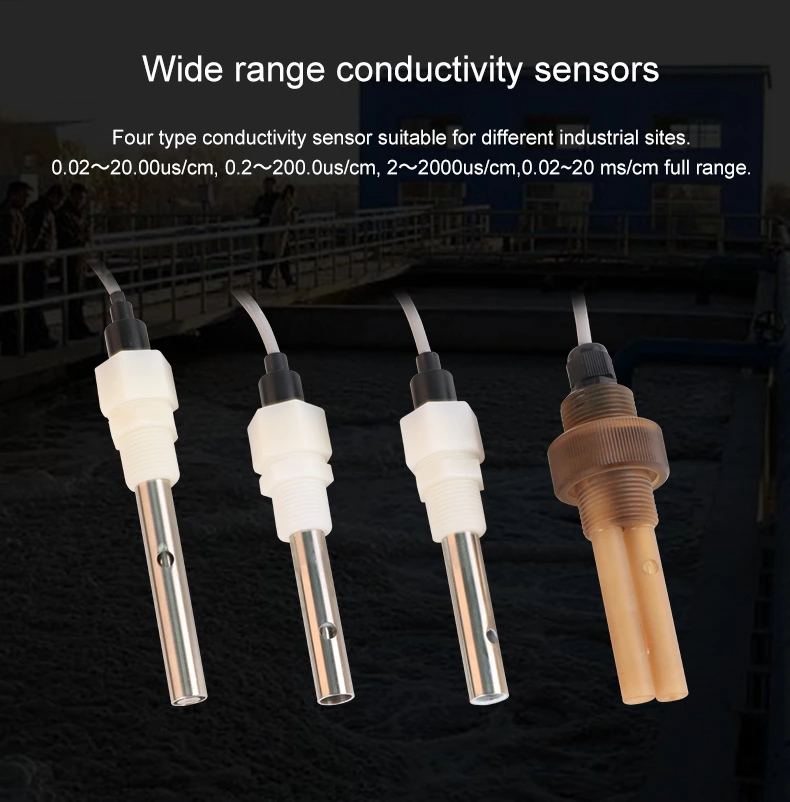
Range: 0.01 electrode: 0.02~20.00us/cm

0.1 electrode: 0.2~200.0us/cm

1.0 electrode: 2~2000us/cm

10.0 electrode: 0.02~20ms/cm

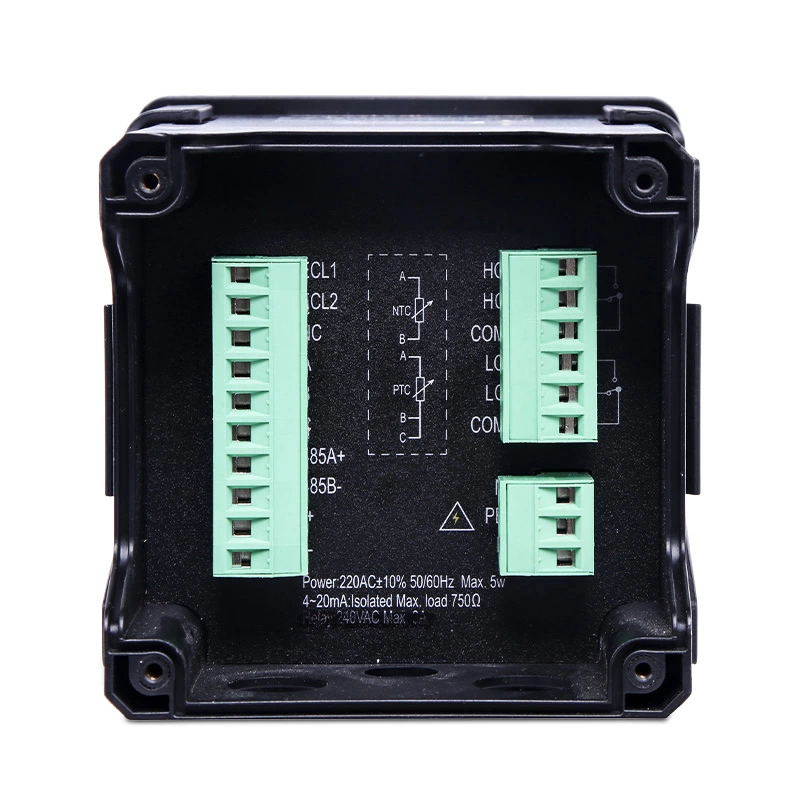
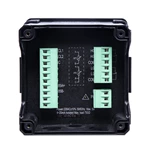
Output signal: 4~20mA; Relay; RS485

Power supply: AC220V±10%, 50Hz/60Hz
Specification

  • Specification

  Product   TDS meter, EC controller
  Model  MIK-TDS210-B
  Measure range  0.01 electrode: 0-20.00us/cm
 0.1 electrode: 0.2~200.0us/cm
 1.0 electrode: 2-2000us/cm
 10.0 electrode: 0.02-20ms/cm
  Basic Error Of Electronic Unit  EC/TES/ER: ±1%FS  NTC10K: ±0.3℃  PT1000: ±0.3℃
  Measuring medium  Liquid
  Temp compensation  NTC10K/PT1000   Manual/ Auto temperature compensation
  Temperature Range  0-120℃
  Accuracy   2%
  Communication  RS485, Modbus-RTU
  Signal output  4-20mA, maximum loop 750Ω, 0.2%FS
 Relative humidity  (10~85)%RH
 Operation temperature  0~60℃
  Power supply  AC: 220VAC±10%, 50Hz/60Hz  DC: 24VDC±20%
  Relay output  250VAC/3A
 Operation condition  Temperature: 15~65℃  Relative humidity: (5~95)%RH


Conductivity sensor

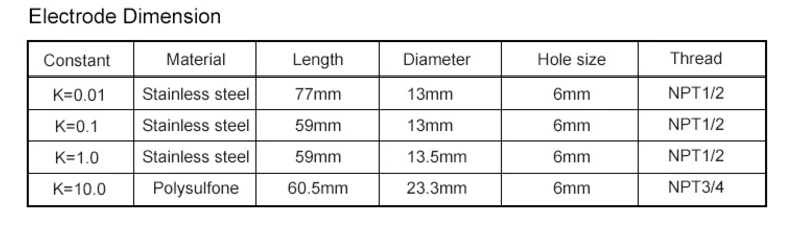
ec sensor dimension

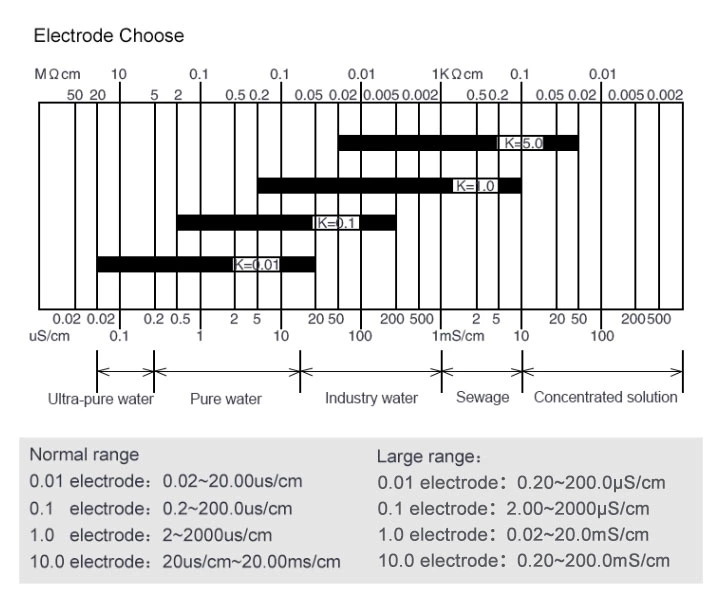
how tds electrode choose

  • FAQ

1. What is the MIK-TDS210-B conductivity meter?

The MIK-TDS210-B is an intelligent online conductivity analyzer and EC controller. It continuously monitors EC (conductivity), TDS or ER (resistivity) together with temperature, and provides 4–20 mA, relay and RS485 outputs.

2. What parameters can it measure?

It measures EC (electrical conductivity), TDS (total dissolved solids) or ER (resistivity), together with temperature.

3. Can the MIK-TDS210-B measure water hardness?

The MIK-TDS210-B is described as a conductivity/hardness/resistivity online analyzer. Its measurement is based on conductivity; please tell us your water type and the hardness information you need, so we can confirm whether it is suitable for your application.

4. What measuring ranges are available?

The range depends on the cell constant of the connected electrode:

  • K = 0.01 electrode: 0.02–20.00 μS/cm
  • K = 0.1 electrode: 0.2–200.0 μS/cm
  • K = 1.0 electrode: 2–2000 μS/cm
  • K = 10.0 electrode: 0.02–20 mS/cm
5. How do I choose the right electrode cell constant?

Choose the cell constant according to your expected conductivity. Low cell constants (0.01 or 0.1) are used for pure and ultrapure water, K = 1.0 for general water such as tap water and many process waters, and K = 10.0 for high-conductivity solutions. An electrode selection chart is shown on this page, or send us your expected range for a recommendation.

6. How accurate is the MIK-TDS210-B?
  • Basic error of electronic unit: EC/TDS/ER ±1% FS
  • Temperature (NTC10K / PT1000): ±0.3 °C
  • Overall accuracy: 2%
  • Current output: 0.2% FS
7. What temperature compensation is supported?

The meter supports NTC10K or PT1000 temperature sensors, with manual or automatic temperature compensation over a temperature range of 0–120 °C.

8. What outputs are available?
  • Analog output: 4–20 mA, maximum loop 750 Ω, 0.2% FS
  • Communication: RS485, Modbus-RTU
  • Relay output: 250 VAC / 3 A
9. What can the relays be used for?

The relays are generally used for high or low conductivity alarms and simple control tasks, for example controlling a dosing pump, a drain or blowdown valve, or signaling when water quality is out of range.

10. What power supply is required?
  • AC: 220 VAC ±10%, 50/60 Hz
  • DC: 24 VDC ±20%
11. What environmental conditions are required?
  • Operating temperature: 0–60 °C
  • Relative humidity: 10%–85% RH
12. Can it be used for pure water and resistivity measurement?

Yes. With a K = 0.01 electrode, the range is 0.02–20.00 μS/cm, and the meter can display resistivity (ER), which is commonly used for pure and ultrapure water. For very low conductivity, use a flow-through installation and avoid air contact, as absorbed CO₂ affects the reading.

13. Which conductivity sensors can be connected?

Asmik conductivity sensors such as the MIK-TDS6012, MIK-TDS7001, MIK-TDS7002 and MIK-TDS7003 are available. Please tell us your application and range so we can recommend the sensor and cell constant.

14. How is the conductivity meter calibrated?

Calibration is generally performed by entering the electrode's cell constant or by using a conductivity standard solution close to your process range. Please follow the calibration procedure in the manual.

15. What other Asmik conductivity meters are available?
16. Which industries use the MIK-TDS210-B?

It is widely applied in thermal power, chemical fertilizer, environmental protection, metallurgy, pharmacy, biochemistry, food and water industries.

17. What information should I provide to get a quotation?

To help us select the correct configuration, please provide:

  • Medium and expected conductivity / TDS / resistivity range
  • Process temperature
  • Whether a sensor is required, and the preferred cell constant
  • Temperature sensor type (NTC10K or PT1000)
  • Output and relay requirements
  • Power supply (AC or DC)
  • Quantity

Send your requirements to info@asmik.com or contact us via WhatsApp at +86 13325716921.

Features

Benefits

  • Fast and repeatable measurement
  • Wide adaptability and strong anti-interference capability
  • Stable conductivity transmitter signal
  • Supports temperature compensation and standard signal output
  • Easy system integration and remote monitoring

Automated &factory

Related Products

Need more information?

Contact us for more details about our solutions and services

This site uses cookies

We use cookies to collect information about how you use this site. We use this information to make the website work as well as possible and improve our services.