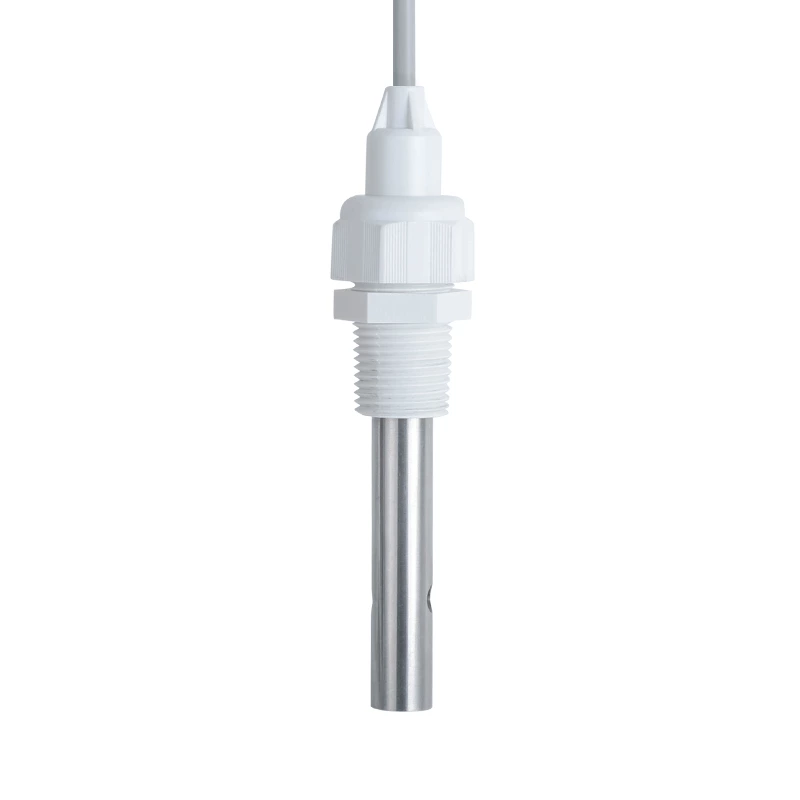
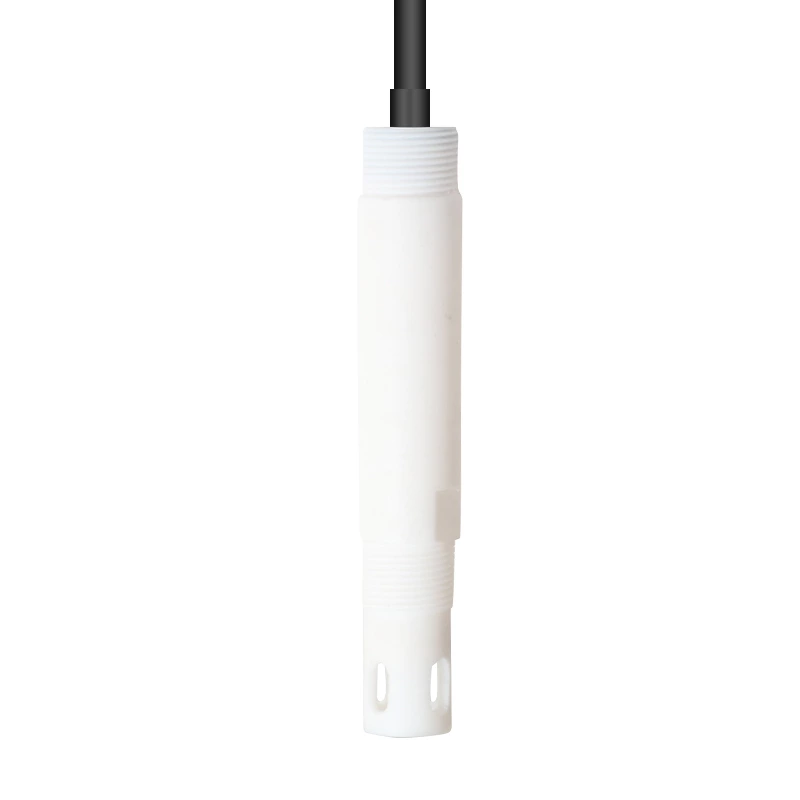
Specification
| Product |
4 Electrodes conductivity sensor |
| Model |
MIK-TDS7002 |
| Measure range |
0 us/cm~100ms/cm |
| Accuracy |
±1%FS |
| Thread |
NPT3/4 |
| Pressure |
5 bar |
| Material |
PBT |
| Temp compensation |
NTC10K (PT1000, PT100, NTC2.252K optional) |
| Temperature range |
0-50℃ |
| Temperature accuracy |
±3℃ |
| Ingress protection |
IP68 |
MIK-TDS7002 online conductivity/resistivity sensor, an intelligent online chemical analyzer, is widely applied for continuous monitoring and measurement of EC value or TDS value or Resistivity value and temperature in the solution in the industry of thermal power, chemical fertilizer, environmental protection, metallurgy, pharmacy, biochemistry, food and water etc.
-
Intelligent temperature compensation design: Instrument integrated automatic, manual dual temperature compensation mode Support NTC10K temperature compensation components, suitable for a variety of measurement occasions, temperature compensation type a key adjustable.
-
A variety of functions in one: conductivity/ EC/TDS measurement capabilities to achieve two in one, cost-effective integrated design to support the boiler water, RO water treatment, sewage treatment, pharmaceutical industry and other liquid measurement and monitoring.
1. What is the MIK-TDS7002 4-electrode conductivity sensor?
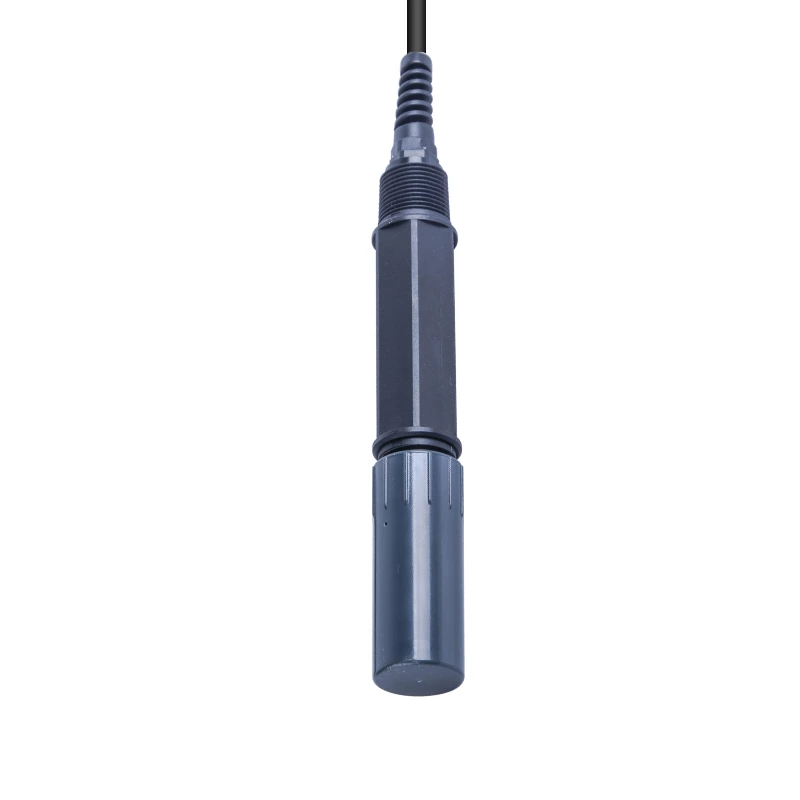
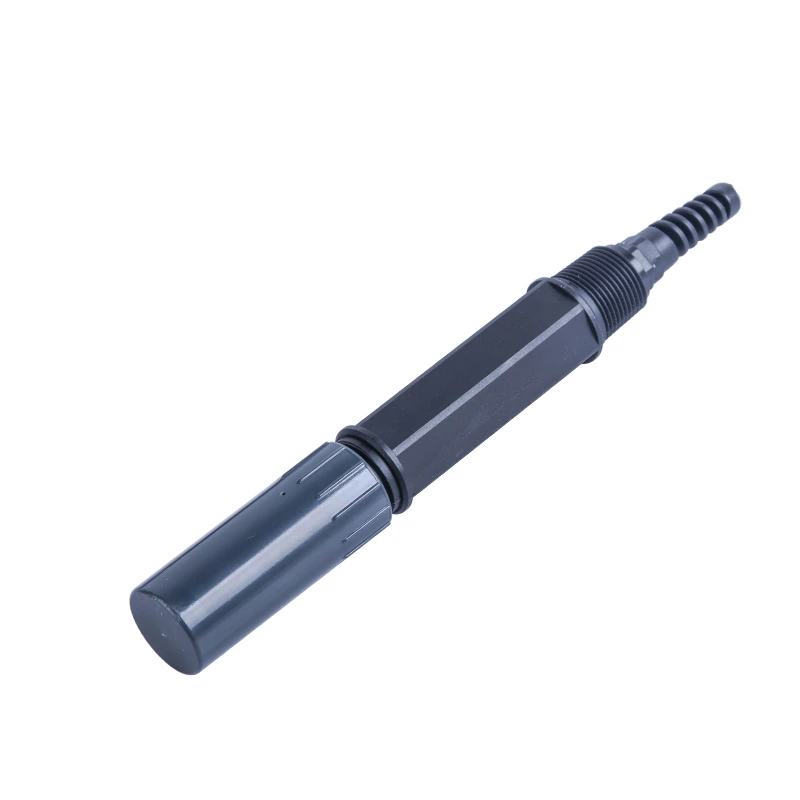
The MIK-TDS7002 is an online 4-electrode conductivity/resistivity sensor with a PBT body. It measures EC, TDS or resistivity together with temperature, and supports boiler water, RO water treatment, sewage treatment, pharmaceutical and other liquid monitoring applications.
2. What is a 4-electrode conductivity sensor?
A 4-electrode sensor uses two electrodes to apply current and two separate electrodes to measure voltage. This design generally reduces the influence of electrode polarization and surface fouling, and allows one sensor to cover a wide conductivity range, especially at higher conductivity.
3. What is the measuring range?
The measuring range is 0 μS/cm to 100 mS/cm with one sensor.
4. How accurate is the MIK-TDS7002?
- Conductivity accuracy: ±1% FS
- Temperature accuracy: ±3 °C
5. What temperature compensation elements are available?
NTC10K is standard. PT1000, PT100 and NTC2.252K are available as options. Choose the element that matches your conductivity meter.
6. What temperature and pressure can it withstand?
- Temperature: 0–50 °C
- Pressure: 5 bar
7. What is the sensor material and connection?
- Body material: PBT
- Thread: NPT 3/4"
- Ingress protection: IP68
8. When should I choose a 4-electrode sensor instead of a 2-electrode sensor?
A 4-electrode sensor is generally a good choice when the conductivity is medium to high, when the range varies widely, or when the sensor is exposed to fouling, such as in wastewater and process water. For pure water and very low conductivity, a 2-electrode sensor with a low cell constant, such as the MIK-TDS6012, is typically used.
9. Which applications is the MIK-TDS7002 suitable for?
It is used in thermal power, chemical fertilizer, environmental protection, metallurgy, pharmacy, biochemistry, food and water industries, including boiler water, RO water treatment and sewage treatment.
10. Which conductivity meter can be used with the MIK-TDS7002?
A 4-electrode sensor requires a meter that supports 4-electrode conductivity input. Please tell us your meter model, or ask us to recommend a compatible Asmik conductivity meter, such as the MIK-TDS210-B, MIK-TDS210-C or MIK-EC8.0, before ordering.
11. Is PBT suitable for my medium?
PBT is an engineering plastic with good mechanical strength and resistance to many chemicals. Please send us your medium composition and temperature so we can confirm compatibility.
12. How should the sensor be installed?
- Install the sensor so the electrodes are fully immersed and free of air bubbles.
- Keep enough distance between the electrodes and pipe walls or tank walls, as nearby surfaces can affect 4-electrode measurements.
- Ensure steady, representative flow past the sensor.
Please follow the installation manual or contact our engineers for site-specific requirements.
13. How is the sensor calibrated and maintained?
Calibration is generally performed with a conductivity standard solution close to your process range, following the procedure of your meter. Keep the electrode surfaces clean and check the calibration after cleaning.
14. What other Asmik conductivity sensors are available?
15. What information should I provide to get a quotation?
To help us select the correct configuration, please provide:
- Medium and expected conductivity range
- Process temperature and pressure
- Temperature element (NTC10K, PT1000, PT100 or NTC2.252K)
- Cable length
- Conductivity meter model (or whether a meter is required)
- Quantity
Send your requirements to info@asmik.com or contact us via WhatsApp at +86 13325716921.