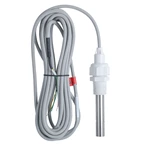
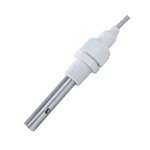
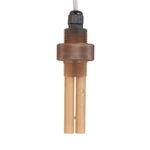
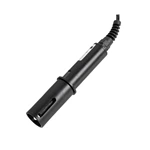
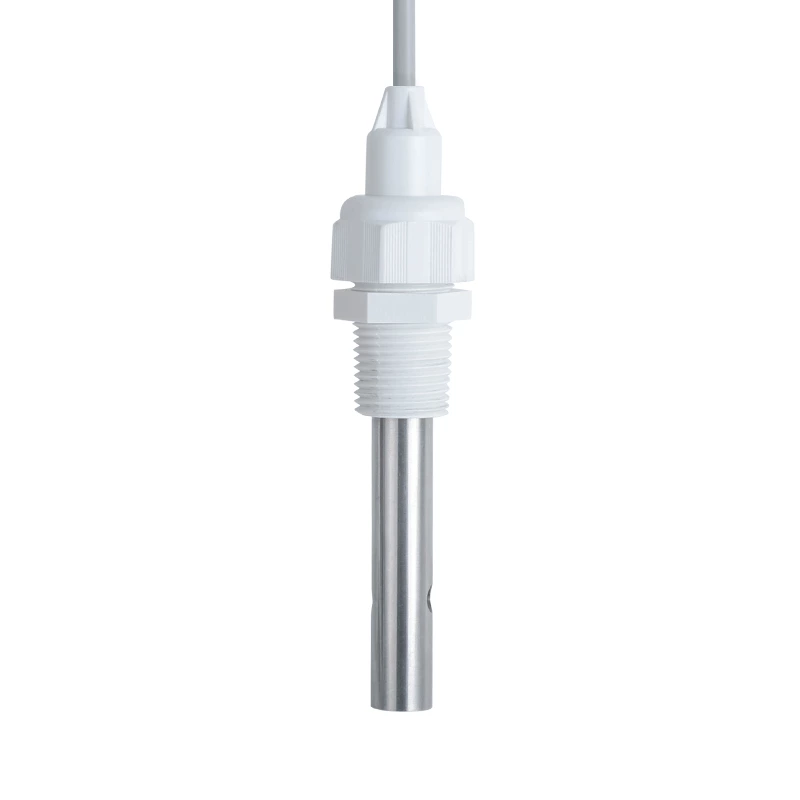
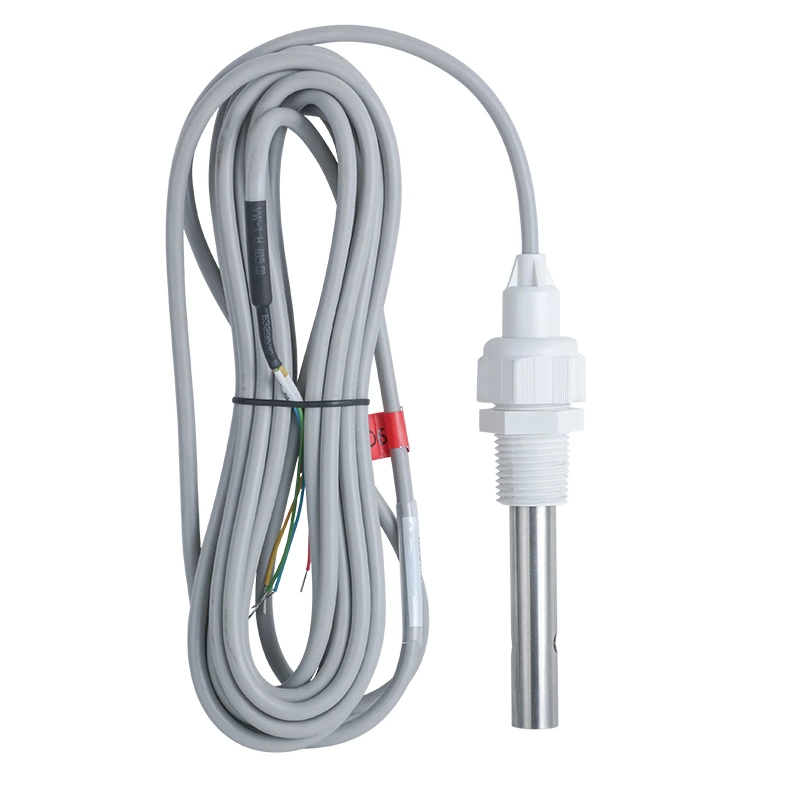
MIK-TDS6012 Conductivity sensor

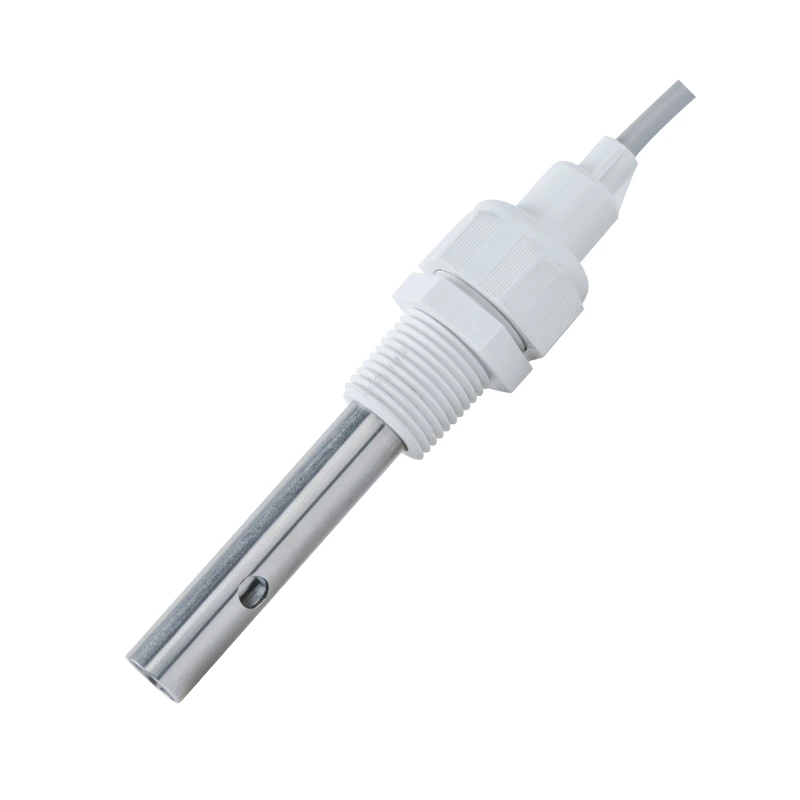
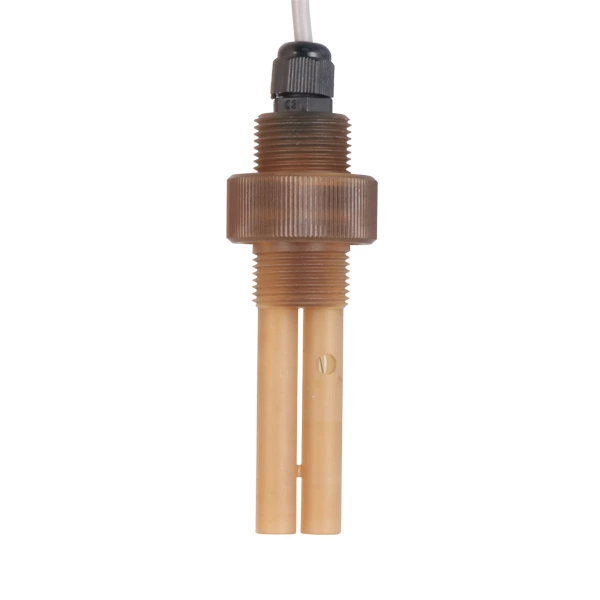
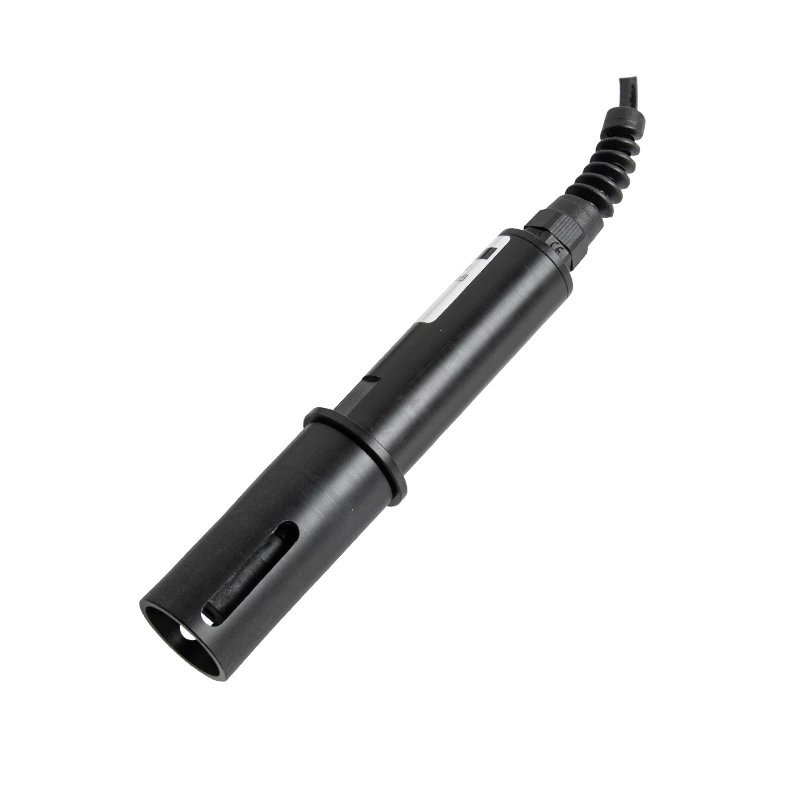
MIK-TDS-6012 A variety of functions in one: conductivity EC / TDS measurement capabilities to achieve two in one, cost-effective integrated design to support the boiler water, RO water treatment, sewage treatment, pharmaceutical industry and other liquid measurement and monitoring.

Characteristics

Range: 0.01 electrode: 0.02~20.00us/cm
0.1 electrode: 0.2~200.0us/cm
1.0 electrode: 2~2000us/cm
10.0 electrode: 0.02~20ms/cm
Specification

  • Specification

  Product   TDS sensor, EC sensor, Resistivity sensor
  Model MIK-TDS6012
  Measure range  0.01 electrode: 0~20us/cm
 0.1 electrode: 0~200us/cm
 1.0 electrode: 0~2000us/cm
10.0 electrode: 0~20000us/cm
30.0 electrode: 30~60000us/cm
 Accuracy  ±1%FS
  Thread  NPT 1/2 、 NPT 3/4
  Pressure  4 bar
  Material  Stainless steel
  Temp compensation  NTC10K / PT1000 optional
  Temperature range  0-60℃/high temp up to 120℃
  Temperature accuracy  ±3℃
  Ingress protection  IP68


  • FAQ

1. What is the MIK-TDS6012 conductivity sensor?

The MIK-TDS6012 is a stainless steel conductivity sensor that combines EC and TDS measurement in one cost-effective design. It can also be used as a resistivity sensor, and supports boiler water, RO water treatment, sewage treatment, pharmaceutical and other liquid monitoring applications.

2. What can the MIK-TDS6012 measure?

Together with a conductivity meter, it measures EC (electrical conductivity), TDS (total dissolved solids) and resistivity.

3. Which cell constants and ranges are available?
  • K = 0.01: 0–20 μS/cm
  • K = 0.1: 0–200 μS/cm
  • K = 1.0: 0–2000 μS/cm
  • K = 10.0: 0–20,000 μS/cm
  • K = 30.0: 30–60,000 μS/cm
4. How do I choose the right cell constant?

Choose the cell constant according to your expected conductivity. K = 0.01 or 0.1 is used for pure water, RO permeate and boiler feed water; K = 1.0 for tap water and general process water; and K = 10.0 or 30.0 for high-conductivity solutions such as some wastewater and brines. Send us your expected range for a recommendation.

5. How accurate is the MIK-TDS6012?
  • Conductivity accuracy: ±1% FS
  • Temperature accuracy: ±3 °C
6. What temperature compensation elements are available?

NTC10K or PT1000 are available as options. Choose the element that matches your conductivity meter.

7. What temperature range can it handle?

The standard temperature range is 0–60 °C, and a high-temperature version up to 120 °C is available. Please tell us your process temperature when ordering.

8. What pressure can it withstand?

The pressure rating is 4 bar.

9. What thread connections are available?

NPT 1/2" and NPT 3/4" threads are available.

10. What is the sensor material and protection rating?

The sensor is made of stainless steel and has IP68 ingress protection.

11. Is it suitable for boiler water and RO systems?

Yes. The MIK-TDS6012 is designed to support boiler water and RO water treatment monitoring. Low cell constants (0.01 or 0.1) are typically used for these low-conductivity applications.

12. Which conductivity meter can be used with the MIK-TDS6012?

Asmik options include the MIK-TDS210-B, MIK-TDS210-C and MIK-EC8.0. Please make sure the meter supports the selected cell constant and temperature element.

13. How should the sensor be installed?
  • Install the sensor so the electrodes are fully immersed and free of air bubbles.
  • For low-conductivity water, use a flow-through or in-line installation to avoid contact with air.
  • Keep the electrodes away from pipe walls and other metal parts where possible.
  • Ensure the flow is steady and representative of the process.

Please follow the installation manual or contact our engineers for site-specific requirements.

14. How is the sensor calibrated and maintained?

Calibration is generally performed by entering the cell constant in the meter or by using a conductivity standard solution close to your process range. Keep the electrode surfaces clean, as deposits, oils and biofilm affect the reading, and check the calibration after cleaning.

15. What other Asmik conductivity sensors are available?

See also the MIK-TDS7001, the MIK-TDS7002 4-electrode sensor, the MIK-TDS7003 graphite electrode sensor for corrosive media, and the MIK-TDS8001 and MIK-TDS8002 digital sensors.

16. What information should I provide to get a quotation?

To help us select the correct configuration, please provide:

  • Medium and expected conductivity range
  • Preferred cell constant (if known)
  • Process temperature and pressure
  • Thread size (NPT 1/2" or NPT 3/4")
  • Temperature element (NTC10K or PT1000) and cable length
  • Matching conductivity meter (if required)
  • Quantity

Send your requirements to info@asmik.com or contact us via WhatsApp at +86 13325716921.

Features

Benefits

  • Fast and repeatable measurement
  • Wide adaptability and strong anti-interference capability
  • Stable conductivity transmitter signal
  • Supports temperature compensation and standard signal output
  • Easy system integration and remote monitoring

Automated &factory

Need more information?

Contact us for more details about our solutions and services

This site uses cookies

We use cookies to collect information about how you use this site. We use this information to make the website work as well as possible and improve our services.