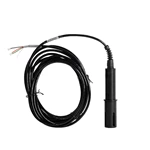
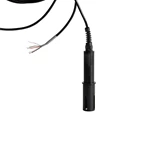
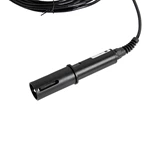
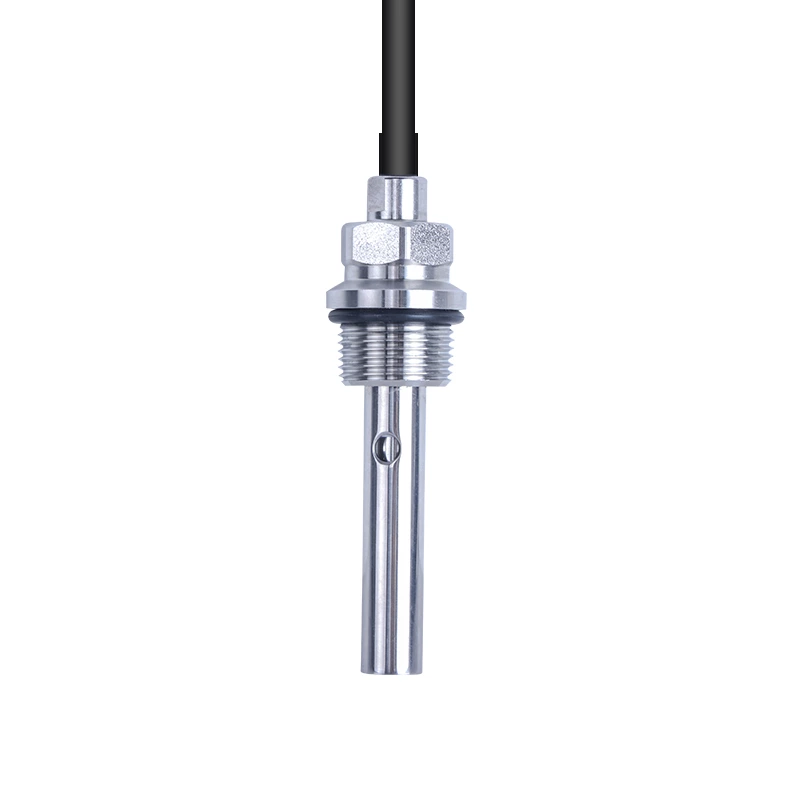
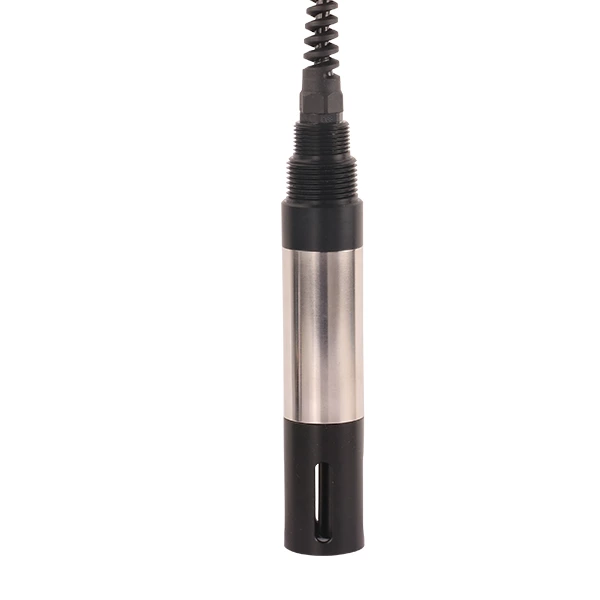
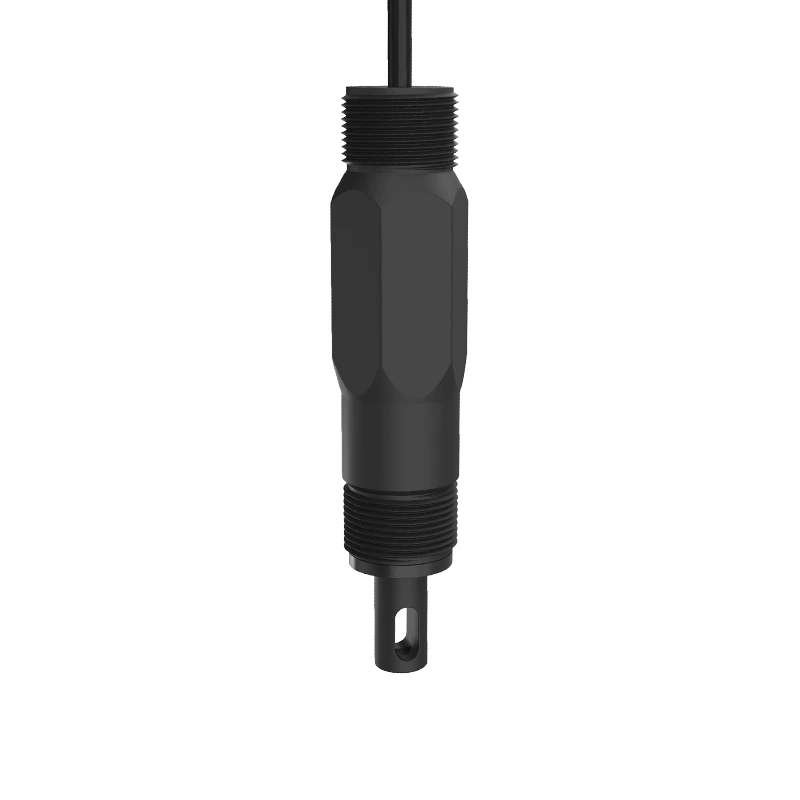
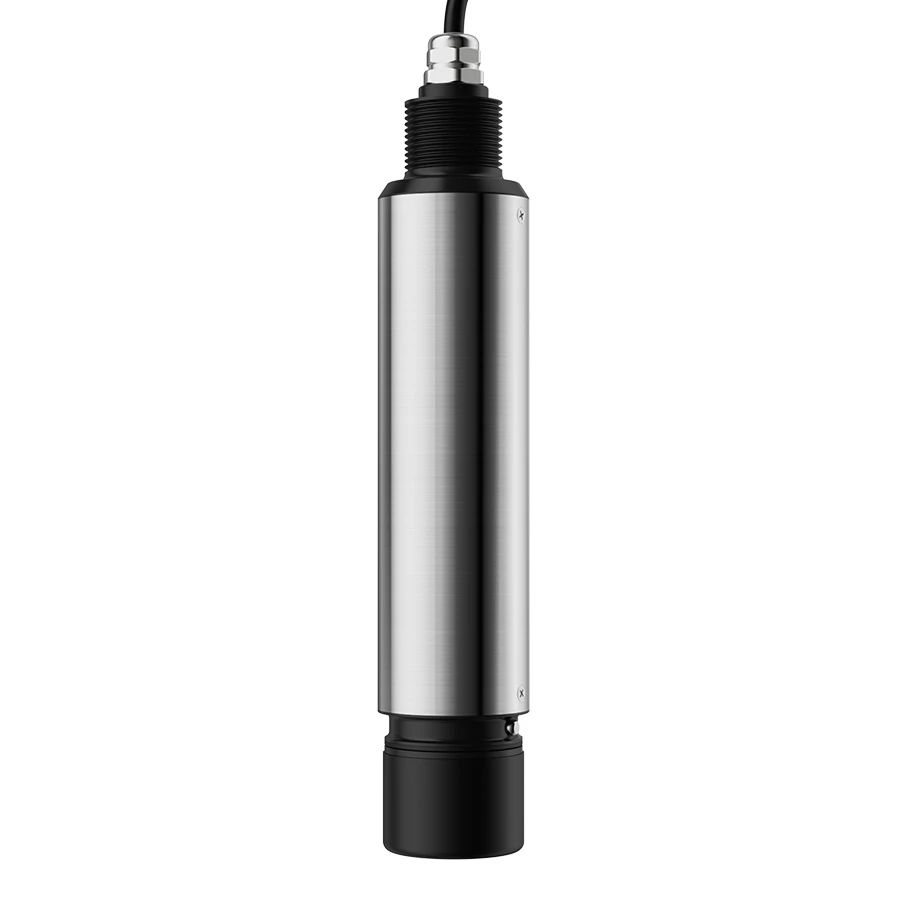
Specification
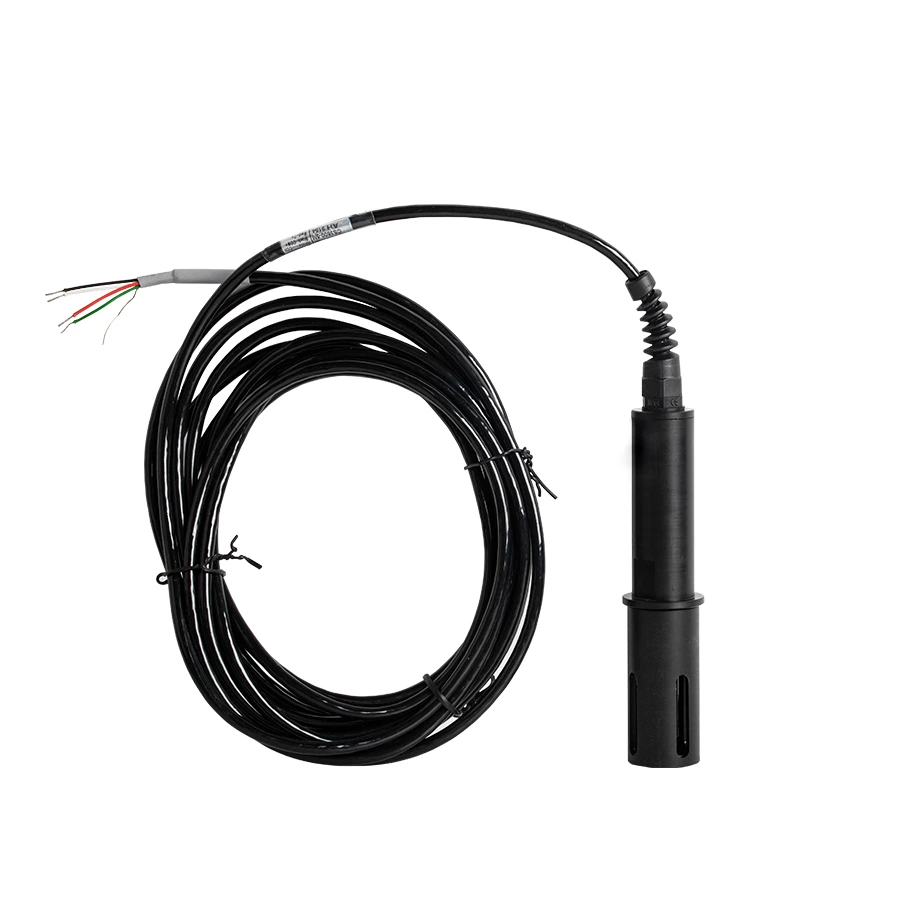
Due to its excellent electrical conductivity and corrosion resistance, graphite is very suitable for conductivity measurement in various occasions, especially for some corrosive sewage and production process water. Compared with the traditional metal electrode, the bipolar graphite electrode made of graphite material has a wider measurement range: 0.1 us/cm~70ms/cm.
| Product |
TDS sensor Graphite conductivity electrode |
| Model |
MIK-TDS-7003 |
| Range |
0.1 us/cm~70ms/cm |
| Accuracy |
±1%FS |
| Elecreode constant |
1.0 |
| Pressure |
3 bar |
| Material |
PPS+POM+Graphite |
| Installation |
G3/4/NPT3/4,pipeline/flow-through/submerged installation |
| Cable |
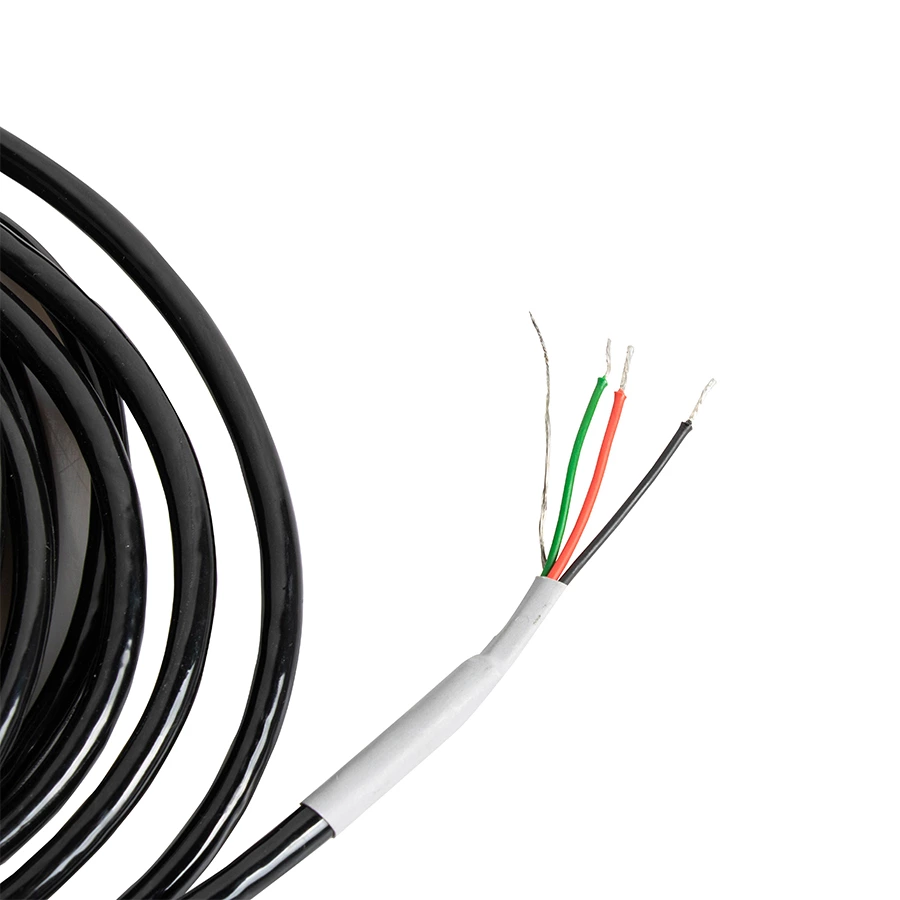
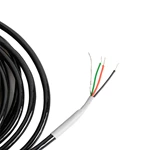
Electrode cable length 5m(Other lengths can be customized) |
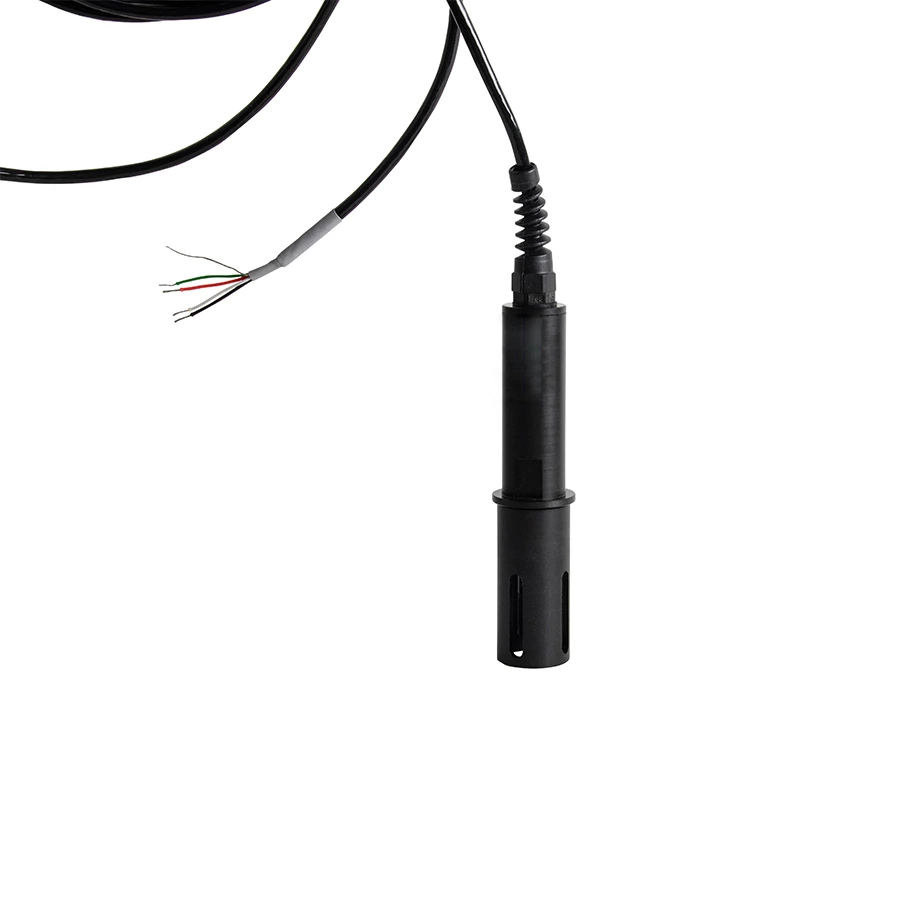
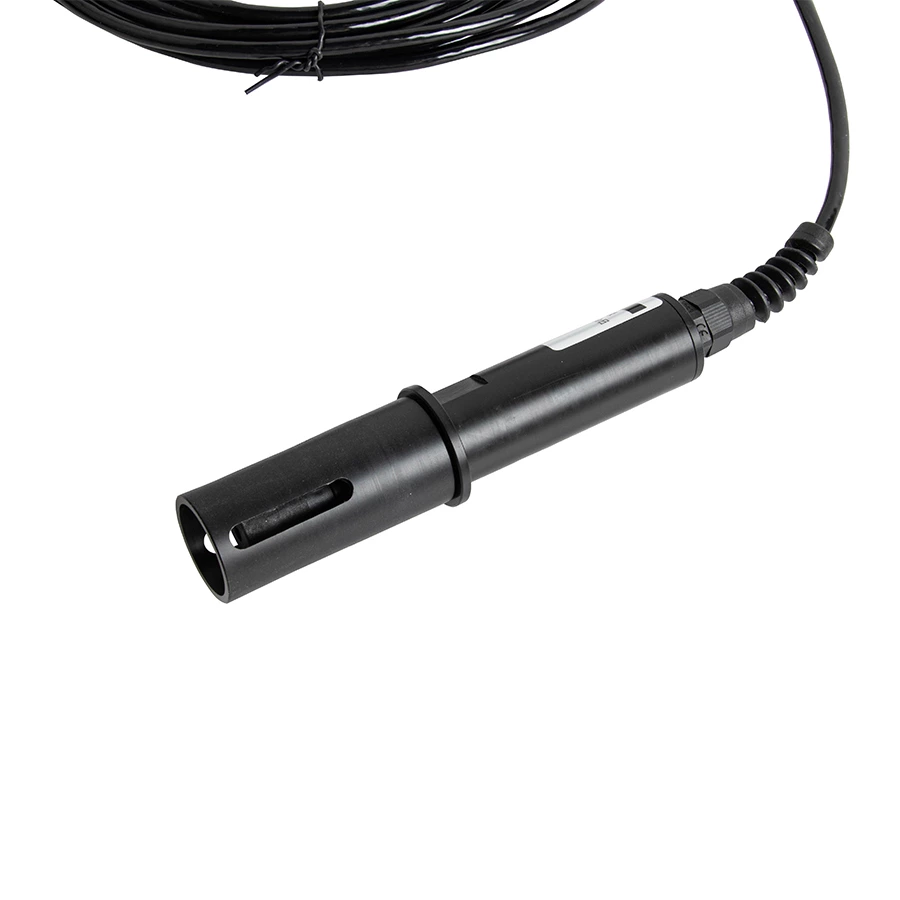
Integrated parallel graphite structure, stable and accurate constant. Simple structure, easy to clean
Multiple temperature compensation choices include: NTC22K and other temperature compensation options.
K=1.0. Conductivity measurements from pure water to seawater can be covered.
Pure water, wastewater treatment, mariculture, semiconductor, power
1. What is the MIK-TDS7003 conductivity sensor?
The MIK-TDS7003 is a graphite conductivity electrode with an integrated parallel bipolar graphite structure. It is designed for conductivity measurement in many applications, especially corrosive sewage and production process water.
2. Why use a graphite electrode?
Graphite has excellent electrical conductivity and corrosion resistance. Compared with traditional metal electrodes, the bipolar graphite electrode offers a wider measurement range and is well suited to corrosive media.
3. What is the measuring range?
The measuring range is 0.1 μS/cm to 70 mS/cm with a cell constant of K = 1.0, covering conductivity measurements from pure water to seawater. The usable range also depends on the connected conductivity meter.
4. What is the cell constant?
The cell constant is K = 1.0. The integrated parallel graphite structure keeps the constant stable and accurate.
5. How accurate is the MIK-TDS7003?
6. What applications is it suitable for?
Typical applications include pure water, wastewater treatment, mariculture, semiconductor and power, as well as corrosive sewage and production process water.
7. What pressure can it withstand?
The pressure rating is 3 bar.
8. What materials are used?
The sensor is made of PPS, POM and graphite.
9. What installation methods are supported?
It has a G3/4 or NPT3/4 thread and supports pipeline, flow-through and submerged installation.
10. What cable length is supplied?
A 5 m electrode cable is standard, and other lengths can be customized.
11. What temperature compensation elements are available?
Multiple temperature compensation options are available, including NTC22K. Please tell us the temperature element your conductivity meter requires.
12. What temperature range can it handle?
Please tell us your process temperature so we can confirm suitability for your application.
13. Is it easy to clean?
Yes. The simple parallel graphite structure is easy to clean, which helps in wastewater and other fouling applications. Keep the graphite surfaces clean and check the reading after cleaning.
14. Which conductivity meter can be used with the MIK-TDS7003?
Asmik options include the MIK-TDS210-B, MIK-TDS210-C and MIK-EC8.0. Please make sure the meter supports a K = 1.0 electrode over your required range and the selected temperature element.
15. How is the MIK-TDS7003 different from other Asmik conductivity sensors?
- MIK-TDS7003: bipolar graphite electrode; K = 1.0; 0.1 μS/cm to 70 mS/cm; PPS/POM body; for corrosive water.
- MIK-TDS7001: stainless steel; K = 0.01, 0.1 or 1.0; for pure water and general water.
- MIK-TDS7002: 4-electrode; PBT body; 0 to 100 mS/cm.
- MIK-TDS8001: digital 2-pole graphite sensor with RS485 output.
16. What information should I provide to get a quotation?
To help us select the correct configuration, please provide:
- Medium and expected conductivity range
- Corrosive components in the water
- Process temperature and pressure
- Installation method (pipeline, flow-through or submerged) and thread (G3/4 or NPT3/4)
- Temperature element and cable length
- Matching conductivity meter (if required)
- Quantity
Send your requirements to info@asmik.com or contact us via WhatsApp at +86 13325716921.