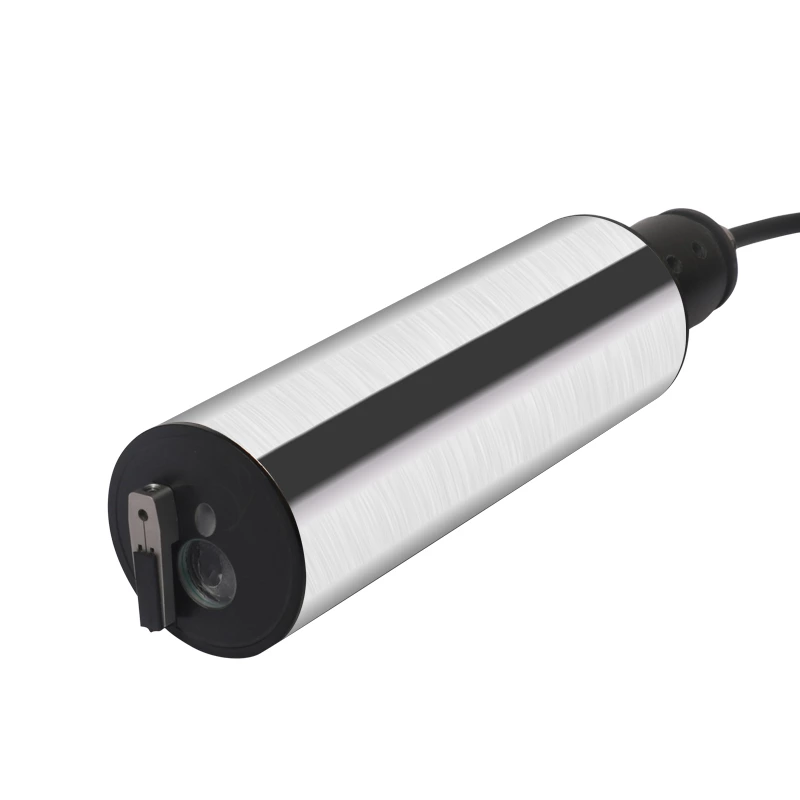
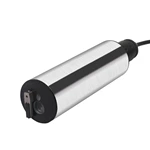
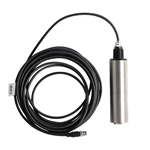
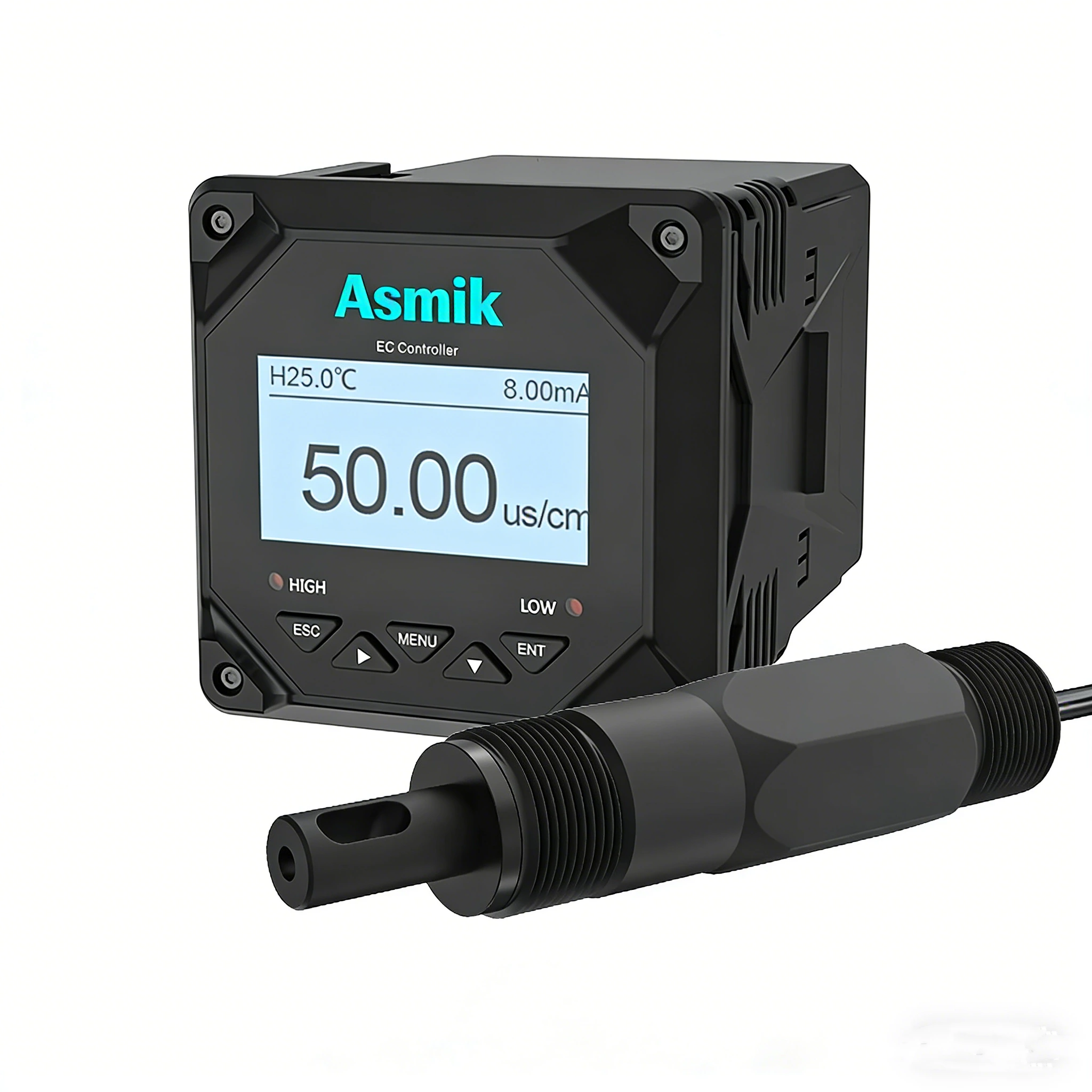
MIK-PTU-8010 Turbidity Sensor

The MIK-PTU-8010 turbidity sensor uses infrared scattered light technology for accurate, stable, and repeatable measurements. With self-cleaning, digital output, and plug-and-play installation, it suits water treatment, industrial, and aquaculture applications.

Characteristics

Dual-Beam Infrared Scattered Light Photometer Detection Technology

Excellent Repeatability and Stability for Accurate Measurements

Built-in Self-Diagnosis System Enhances Reliability

Wide Measuring Range from 0.01 to 3000 NTU Suitable for Various Applications

Standard Digital Signal Output Facilitates Easy Integration and Networking Without Needing a Controller

Optional Stainless Steel or Titanium Shell for Durability in Different Environments
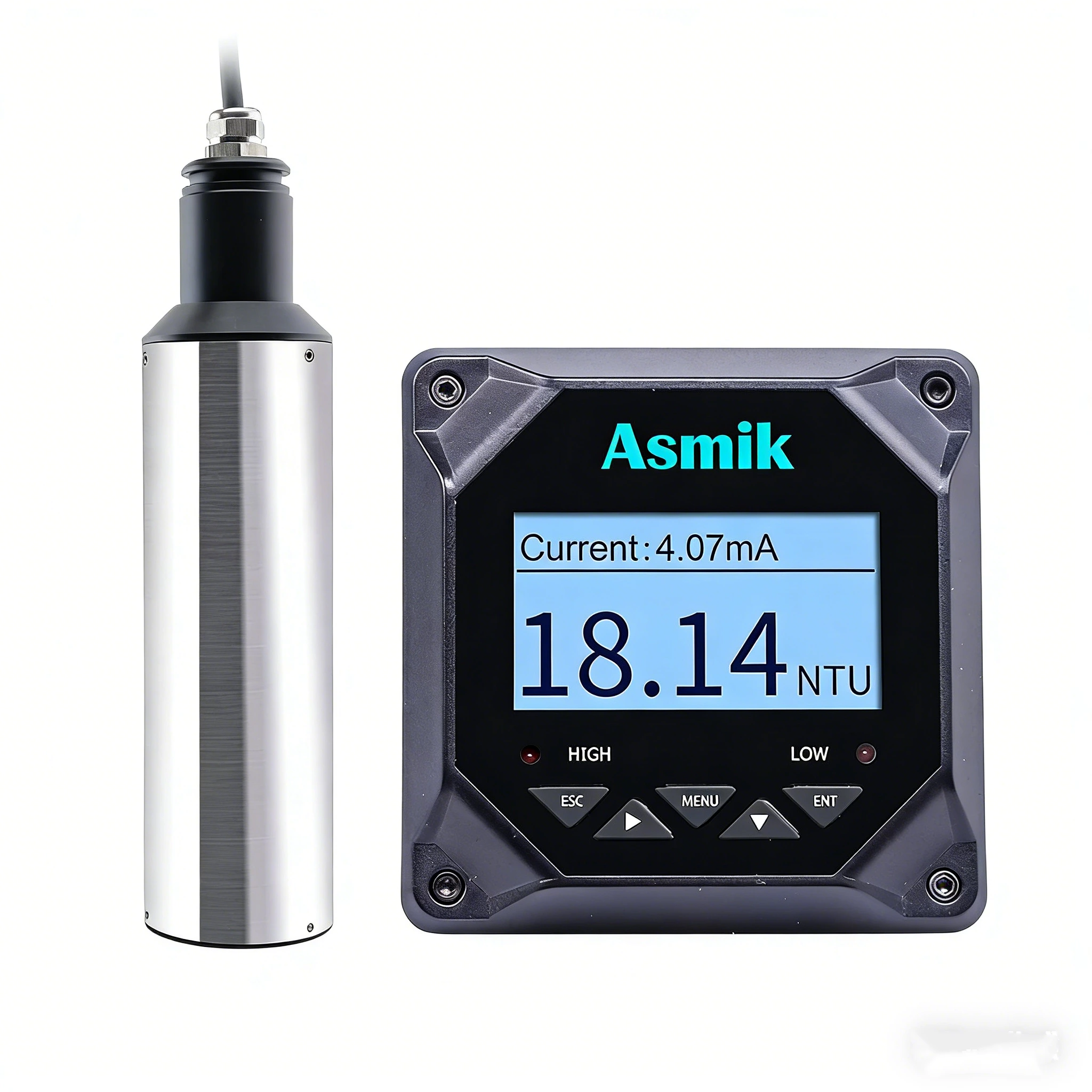
Specification

Specification Detail
Measurement Range 0.01–3000 NTU
Operating Temperature 0–45°C
Pressure Rating 0.4 MPa
Thread Type R1
Shell Material Options Stainless Steel | Titanium
Electrode Scraper Optional (Standard: Without | Available With)
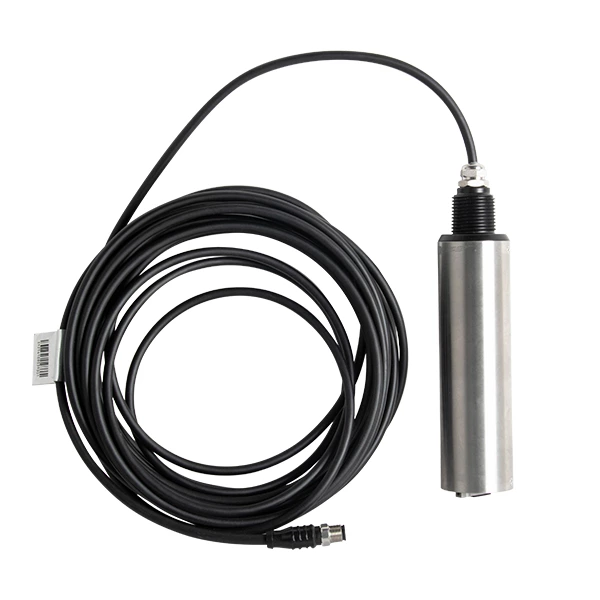
Cable Length Standard: 10m | Custom: Up to 100m

MIK-PTU-8010 Turbidity Sensor

The MIK-PTU-8010 Turbidity Sensor employs infrared scattered light technology to measure suspended particles in water. By analyzing the intensity of light scattered at a 90° angle, it provides accurate turbidity readings from 0.01 NTU to 3000 NTU, making it ideal for real-time monitoring in water treatment, wastewater management, and industrial processes.

Key Features:
  • Advanced dual-beam infrared detection for stable, repeatable results
  • Integrated self-cleaning function reduces maintenance needs
  • Self-diagnosis capability for proactive system monitoring
  • High anti-interference design with long-distance signal transmission
  • Plug-and-play installation with standard digital output (RS485/Modbus)

Applications include:

  • Water treatment plants (inlet, sedimentation tanks)
  • Wastewater treatment facilities
  • Industrial process water monitoring
  • Aquaculture systems for water quality control


*Available in stainless steel or titanium housing for harsh environments. Custom cable lengths up to 100m ensure flexibility for diverse installations.

  • FAQ

1. What is the MIK-PTU-8010 turbidity sensor?

The MIK-PTU-8010 is a digital online turbidity sensor using dual-beam infrared scattered light technology. It measures from 0.01 to 3000 NTU, has a built-in self-diagnosis system and a standard RS485 (Modbus) output, and can be networked without a separate controller.

2. How does the MIK-PTU-8010 measure turbidity?

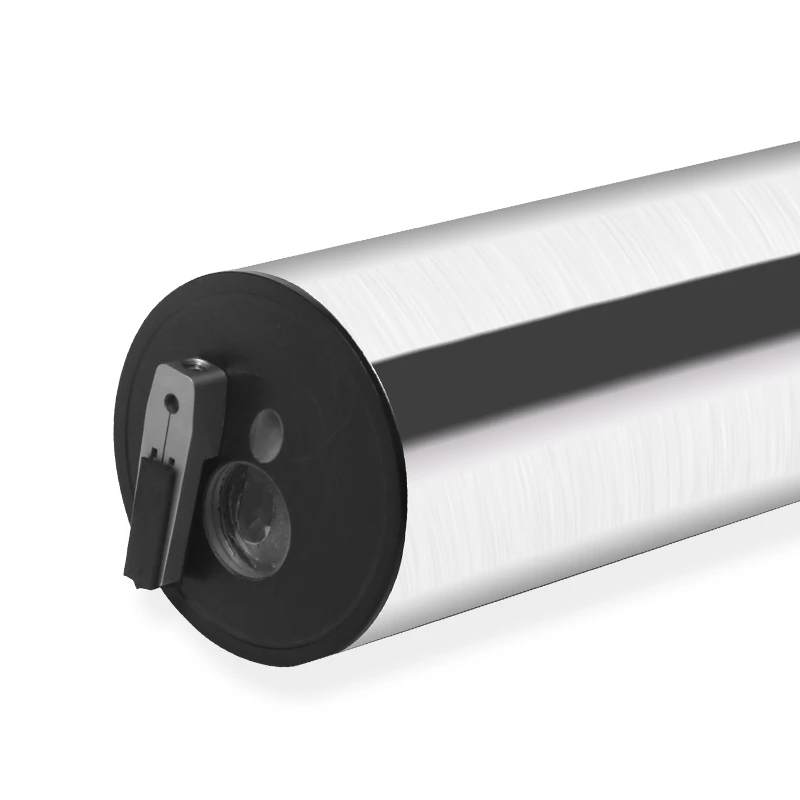
It uses infrared scattered light technology: infrared light is directed into the water, and the intensity of light scattered at a 90° angle by suspended particles is analyzed to determine turbidity. The dual-beam design improves stability and repeatability.

3. What is the measuring range?

The measuring range is 0.01–3000 NTU, which covers applications from treated water to wastewater and industrial process water.

4. What output does it provide?

It provides a standard digital output (RS485 / Modbus) with high anti-interference capability and support for long-distance signal transmission. Plug-and-play installation makes integration into PLCs, SCADA systems and IoT networks easy.

5. Does it have self-cleaning?

The MIK-PTU-8010 is designed with a self-cleaning function to reduce maintenance. An electrode scraper is available as an option (the standard version is supplied without it). Please tell us your water conditions so we can recommend the right configuration.

6. Does it have self-diagnosis?

Yes. The built-in self-diagnosis system provides proactive system monitoring and enhances measurement reliability.

7. What shell materials are available?

Stainless steel and titanium shells are available. Titanium is generally chosen for harsh or corrosive environments such as seawater.

8. What pressure and temperature can it withstand?
  • Pressure rating: 0.4 MPa
  • Operating temperature: 0–45 °C
9. What is the thread type?

The sensor uses an R1 thread for installation.

10. What cable length is available?

A 10 m cable is standard, and custom lengths up to 100 m are available.

11. What power supply does it need?

Please contact us for the power supply requirement and Modbus communication settings of the MIK-PTU-8010.

12. Where is the MIK-PTU-8010 used?
  • Water treatment plants (inlet and sedimentation tanks)
  • Wastewater treatment facilities
  • Industrial process water monitoring
  • Aquaculture systems for water quality control
13. What can the MIK-PTU-8010 be connected to?

It can be connected directly to any Modbus master. For local display and relay outputs, it can be used with the MIK-DC2000 turbidity transmitter; please confirm compatibility with us.

14. How should the sensor be installed?
  • Install the sensor in a representative, well-mixed location.
  • Avoid positions with heavy air bubbles and direct sunlight on the optical window.
  • Keep the optical window away from tank walls and the bottom to avoid reflections.
  • Use a mounting bracket and make sure the sensor can be removed for inspection.
15. How is the sensor calibrated and maintained?

Turbidity sensors are generally calibrated with formazin standards or checked with secondary standards. The self-cleaning function reduces manual cleaning; periodically inspect the optical window and verify the reading.

16. How is the MIK-PTU-8010 different from other Asmik turbidity products?
  • MIK-PTU-8010: digital immersion sensor; 0.01–3000 NTU; self-cleaning; stainless steel or titanium.
  • MIK-PTU8012: flow-through low turbidity sensor; 0.01–100 NTU.
  • MIK-PTU200: complete turbidity meter with display, three 4–20 mA outputs and three relays.
  • MIK-PSS9010: digital sensor for suspended solids (20–30,000 mg/L).
17. What information should I provide to get a quotation?

To help us select the correct configuration, please provide:

  • Application and expected turbidity range
  • Water type (fresh water, wastewater, seawater) for shell material selection
  • Whether an electrode scraper is required
  • Cable length
  • Host system (PLC, IoT gateway or Asmik controller)
  • Quantity

Send your requirements to info@asmik.com or contact us via WhatsApp at +86 13325716921.

Features

Benefits

  • Fast response and stable measurement
  • High accuracy and wide measuring range
  • Strong compatibility with standard outputs
  • Rugged structure, suitable for field installation
  • Easy maintenance and low operating costs
  • Wide range of applications

Automated &factory

Need more information?

Contact us for more details about our solutions and services

This site uses cookies

We use cookies to collect information about how you use this site. We use this information to make the website work as well as possible and improve our services.