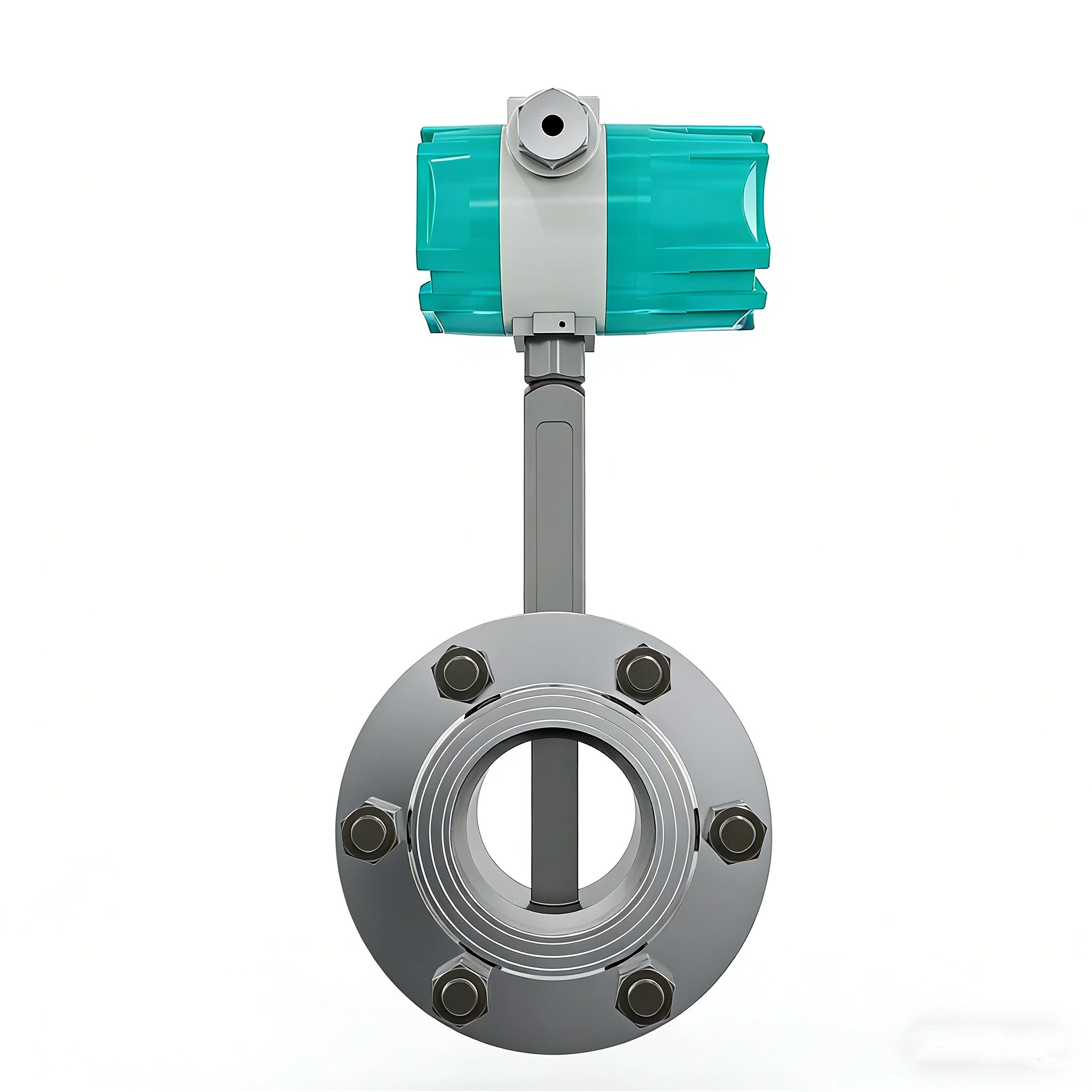
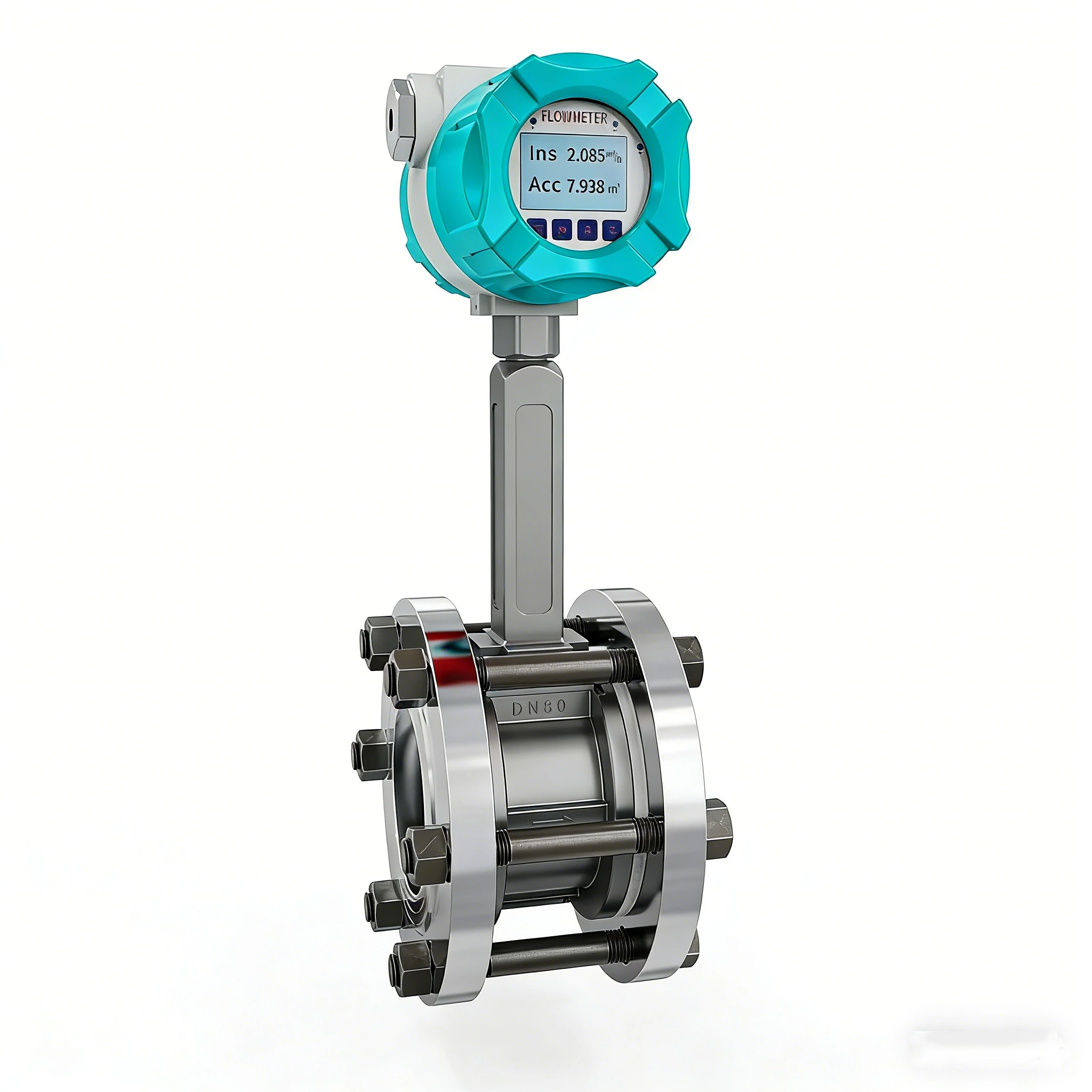
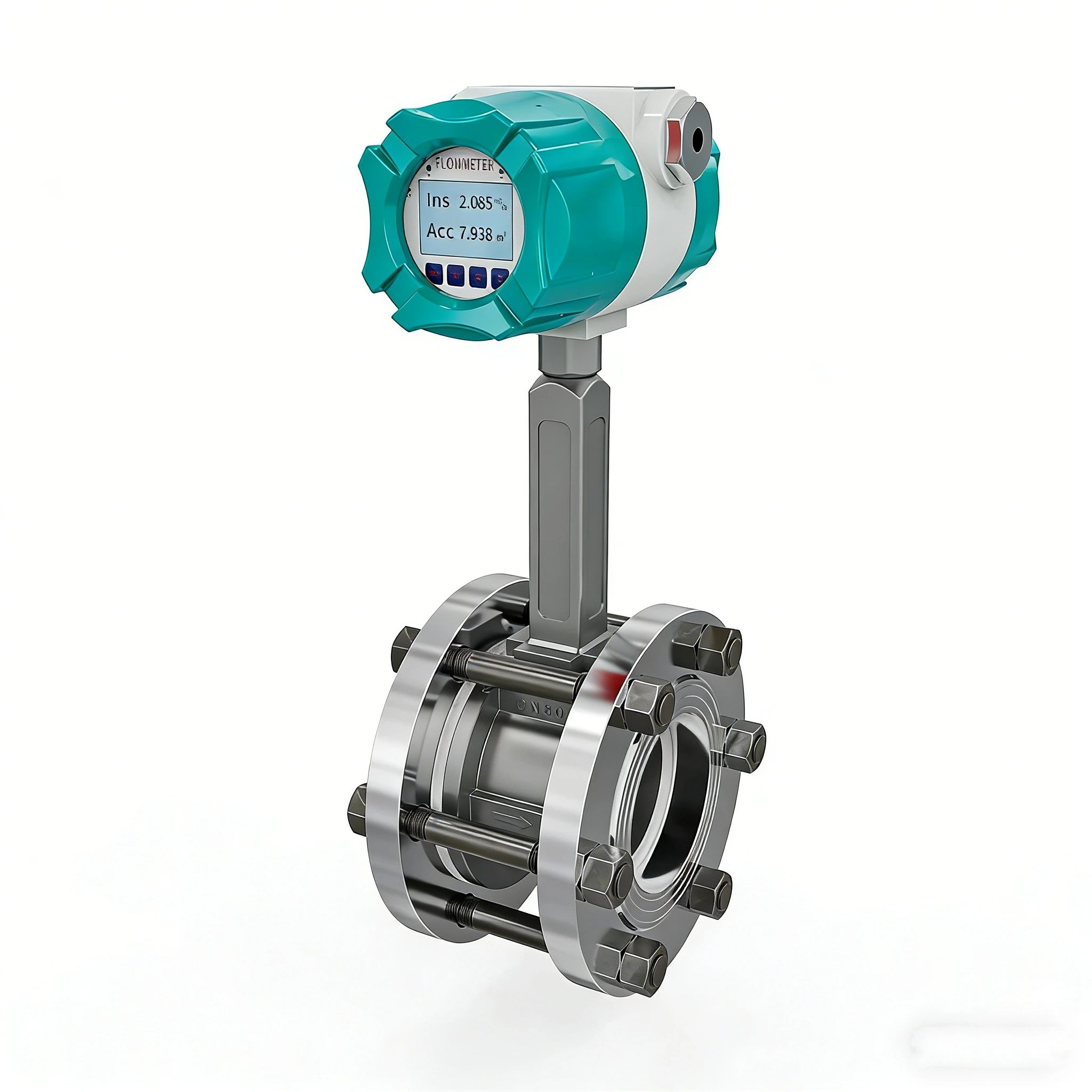
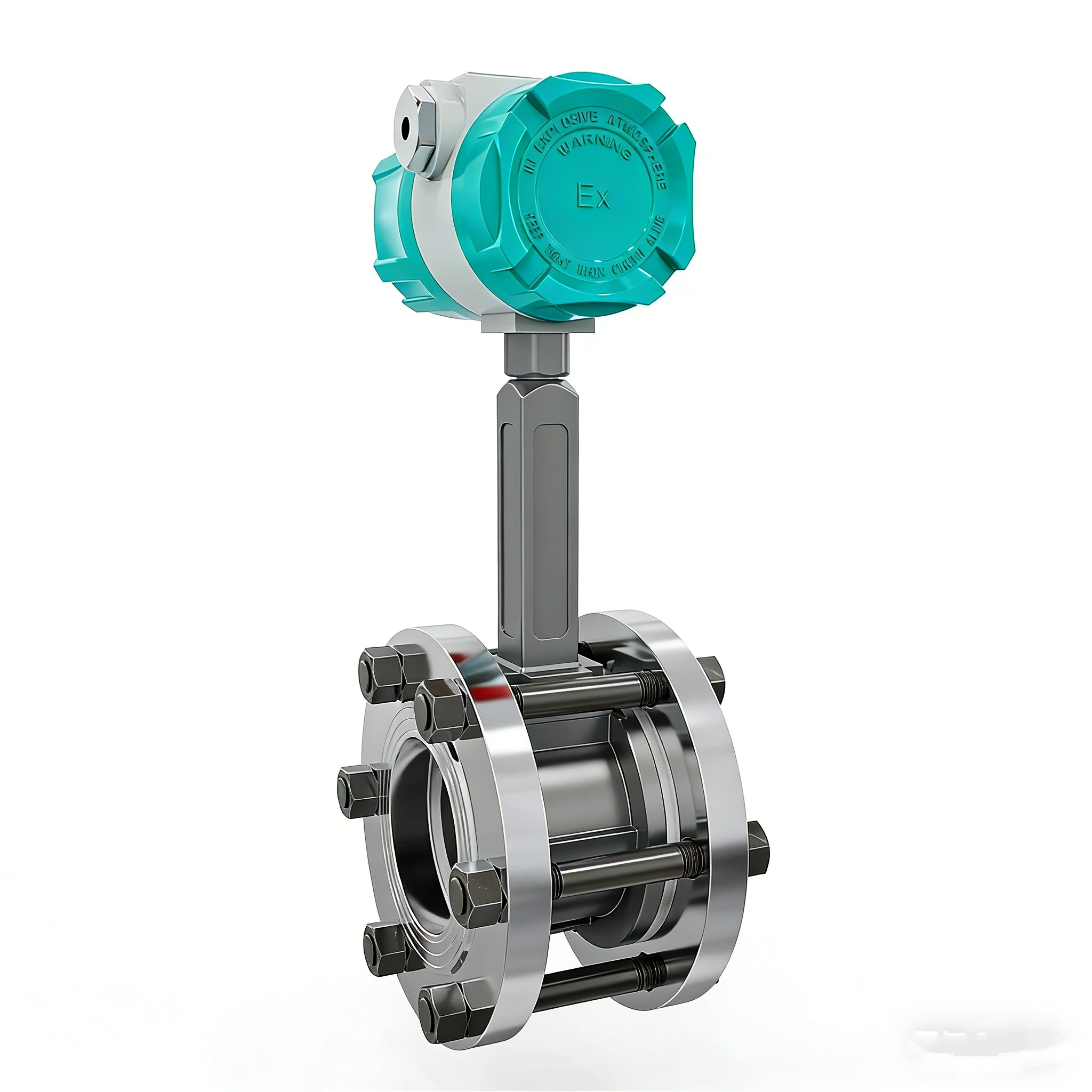
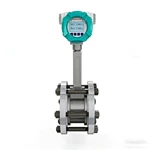
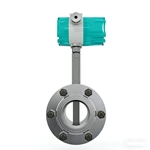
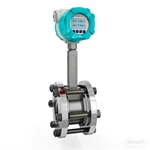
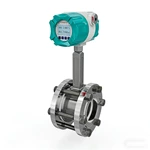
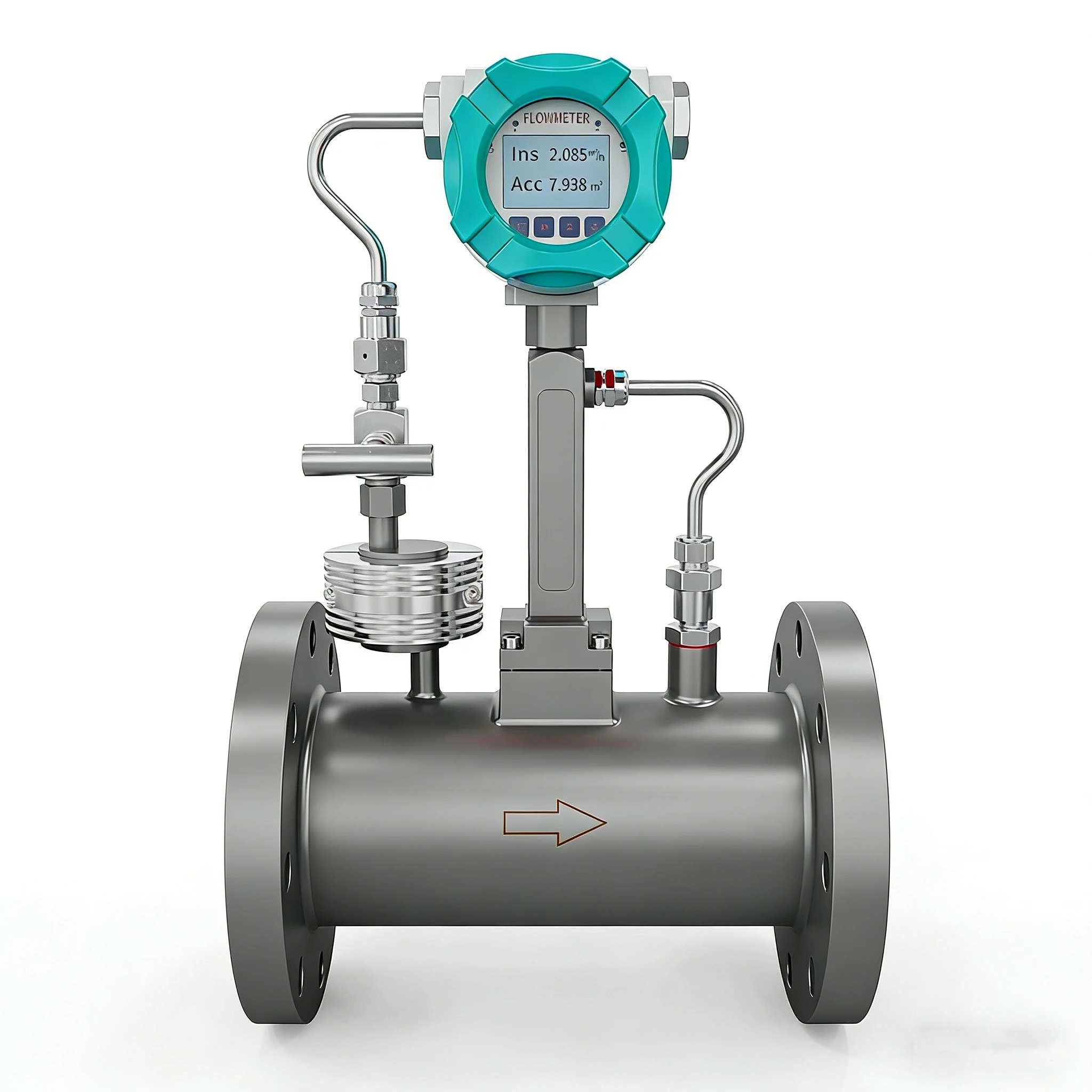
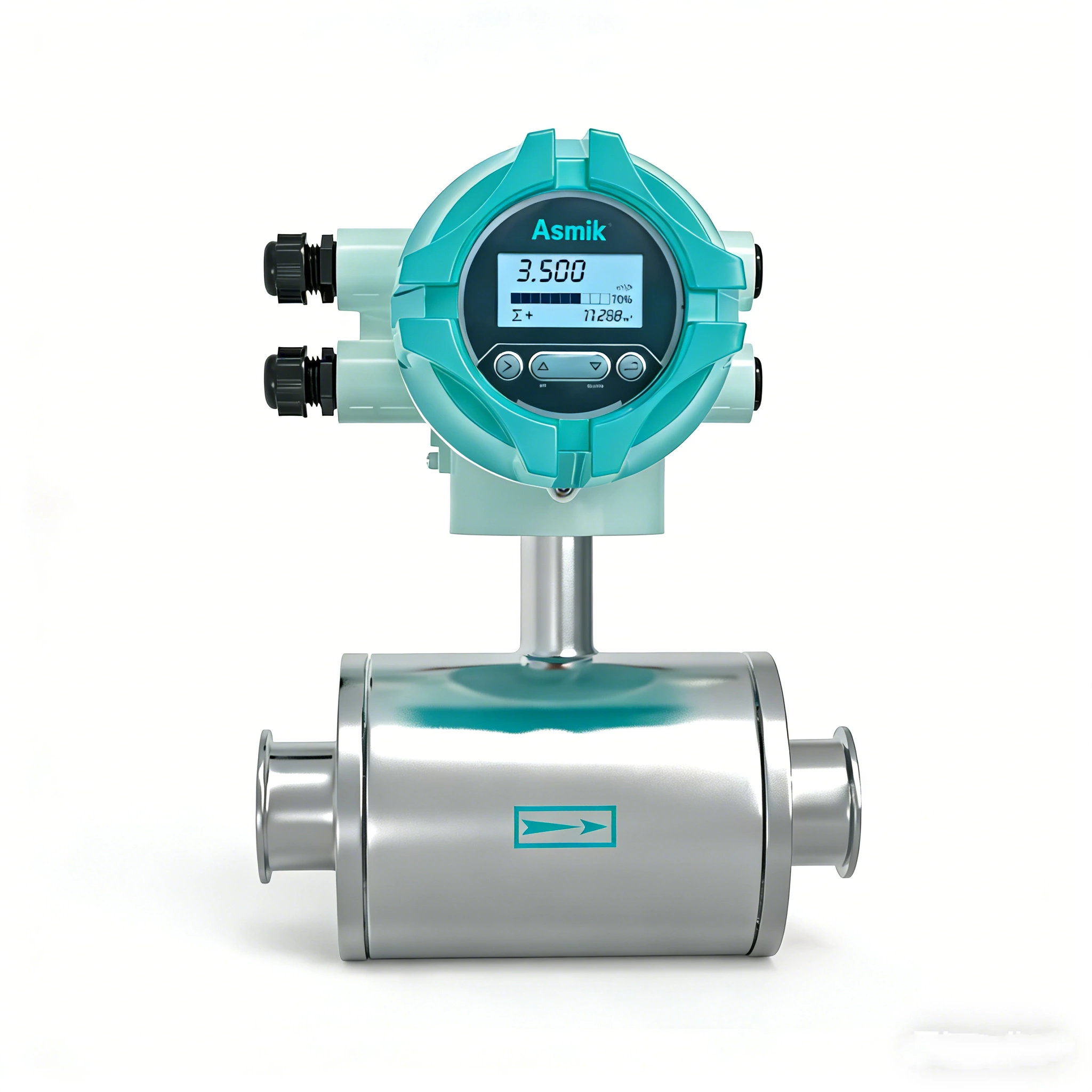
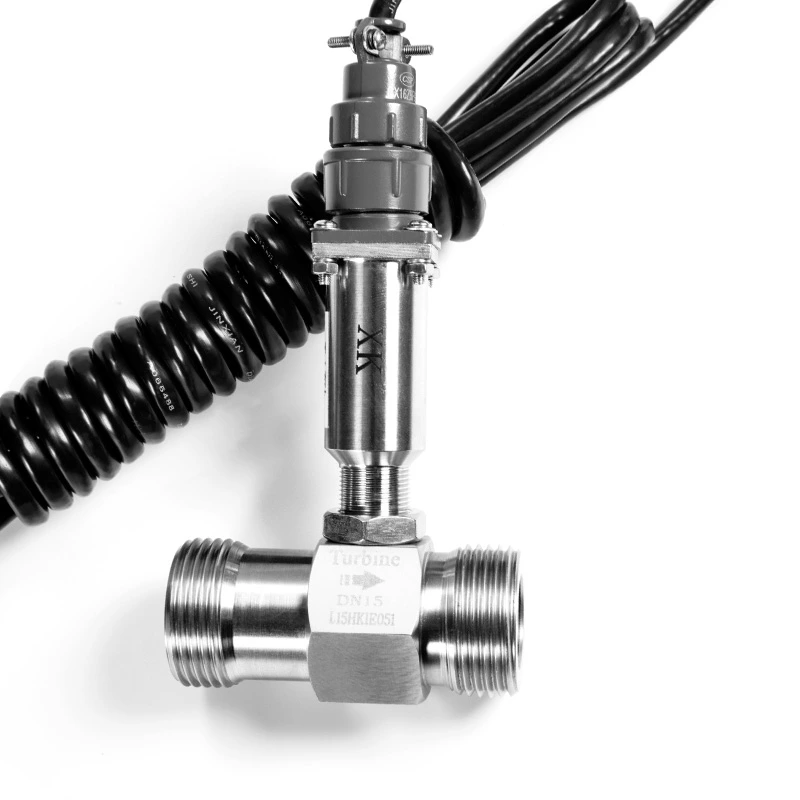
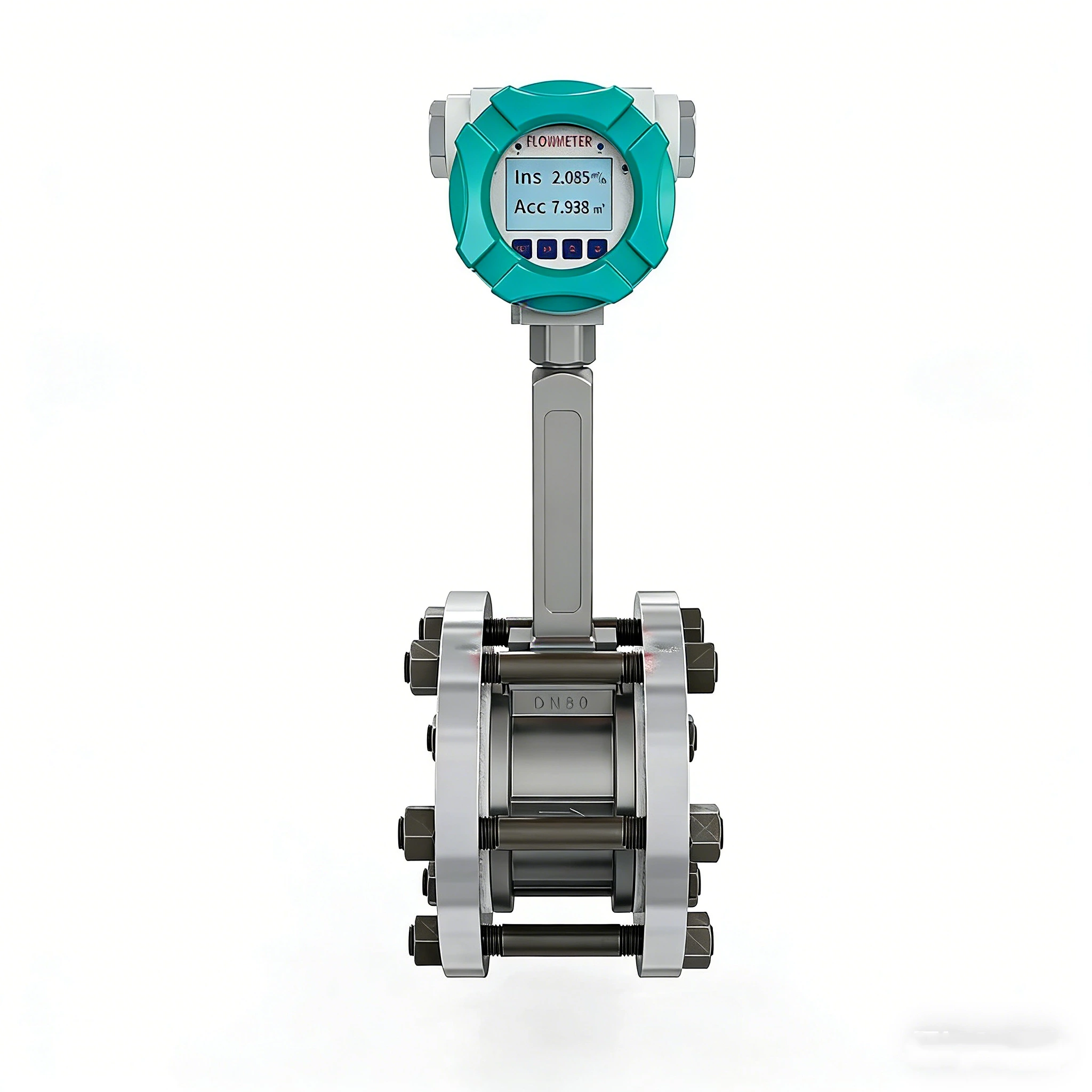
MIK-LUGB Vortex flowmeter wafer installation

MIK-LUGB Vortex flowmeter work on the principle of generated vortex and relation between vortex and flow by theory of Karman and Strouhal, which specialize in measurement of steam, gas and liquid of lower viscosity.

Characteristics

Pipe diameter: DN15-DN300

Accuracy: 1.0%  1.5%

Range Ratio:  1:8

Ingress protection: IP65
Specification

Specification

 Product  Vortex flowmeter wafer installation
 Model  MIK-LUGB
 Diameter nominal  DN15~DN300
 Installation  Wafer connection: DN15-DN300(priority PN2.5MPa)
 Accuracy  1.5%, 1.0%
 Range Ratio  Gas density:1.2kg/m3, Range ratio: 8:1
 Medium Temperature  -20°C ~ +150°C、-20°C ~ +260°C、-20°C ~ +300°C
 Output signal  4-20mA
 Frequency  RS485 communication (Modbus RTU)
 Power supply  24VDC±5%  Li battery (3.6 VDC)
 Ingress protection  IP65
 Body Materials  Stainless shell
 Display  128*64 dot matrix LCD

Noted: the product strictly prohibited to be used in explosion-proof occasions.

 
  • FAQ

1. What is the MIK-LUGB wafer installation vortex flowmeter?

The MIK-LUGB wafer installation version is a vortex flowmeter with a wafer-style body that is clamped between two pipe flanges. Based on the Karman vortex street and Strouhal principle, it measures steam, gases and low-viscosity liquids in pipes from DN15 to DN300.

2. How does the MIK-LUGB work?

When fluid flows past a fixed obstruction (bluff body) at a certain velocity, vortices are generated alternately on each side. The vortex frequency is proportional to the flow velocity within the working range. The sensor detects this frequency, and the transmitter converts it into flow rate.

3. What media can it measure?

It measures steam, gases and low-viscosity liquids. Please send us your medium and operating conditions for confirmation.

4. What is wafer installation?

A wafer-style meter has no flanges of its own. It is placed between two existing pipe flanges and held in place by long bolts that pass through both flanges. The MIK-LUGB wafer version is available from DN15 to DN300, with a preferred pressure rating of PN2.5 MPa.

5. What are the advantages of wafer installation?

A wafer-style body is generally more compact and lighter than a flanged body of the same size, which makes it easier to transport and install and often more cost-effective. It is a good choice where installation space is limited.

6. Wafer or flanged vortex flowmeter: which should I choose?

Choose the wafer version for compact, cost-effective installation between existing flanges within its pressure rating. If you need a flanged body or a different pressure class, see the MIK-LUGB without compensation and MIK-LUGB with temperature and pressure compensation, which are also available with flange connections.

7. Is temperature and pressure compensation available for the wafer version?

Please tell us whether you need temperature and pressure compensation when requesting a quotation. Compensation is recommended for steam and gas when temperature or pressure varies, or when you need standard volume or mass flow.

8. Can it be used in hazardous (explosive) areas?

No. This product is strictly prohibited from use in explosion-proof (hazardous) locations.

9. How accurate is it?

Accuracy options are 1.0% and 1.5%, depending on the medium and size. Please tell us your application so we can confirm the accuracy.

10. What is the range ratio?

The range ratio is 8:1, based on a gas density of 1.2 kg/m³. When the medium density is different, the range ratio will change. Please send us your medium density and flow range for sizing.

11. What medium temperatures are available?

Three temperature versions are available: -20 °C to +150 °C, -20 °C to +260 °C, and -20 °C to +300 °C.

12. What output signals are available?

Output options include 4–20 mA, frequency output and RS485 communication (Modbus RTU).

13. What power supply options are available?

It can be powered by 24 VDC ±5% or by a 3.6 VDC lithium battery. Please confirm which outputs you need when choosing the battery option.

14. Does it have a display?

Yes. It has a 128×64 dot matrix LCD display.

15. What is the body material and protection rating?

The shell is made of stainless steel, and the ingress protection rating is IP65.

16. How should the wafer version be installed?
  • Center the meter between the pipe flanges so its bore aligns with the pipe bore.
  • Use suitable gaskets and make sure they do not protrude into the flow path.
  • Tighten the long bolts evenly.
  • Provide sufficient straight pipe upstream and downstream; vortex flowmeters generally need longer straight runs than many other types.
  • Avoid locations with strong pipe vibration.
  • For steam, follow good practice for drainage and insulation.

Please follow the installation manual or contact our engineers for site-specific requirements.

17. How much maintenance does it need?

It has no moving parts, which reduces maintenance frequency and improves long-term reliability. Its pressure loss is relatively low, helping reduce system energy consumption.

18. Where is it typically used?

It is used for steam, compressed air, nitrogen and other gases, as well as low-viscosity liquids, in industrial pipelines where a compact installation is preferred.

19. What information should I provide to get a quotation?

To help us select the correct model, please provide:

  • Medium name and state (steam, gas or liquid) and density
  • Flow range (min / normal / max)
  • Operating temperature and pressure
  • Pipe size and flange standard
  • Whether temperature and pressure compensation is required
  • Output signal and power supply requirements
  • Confirmation that the installation is not in a hazardous area
  • Quantity

Send your requirements to info@asmik.com or contact us via WhatsApp at +86 13325716921.

Features

Benefits

  • It has a wide range of applications, capable of measuring both gases, liquids, and vapors
  • The design with no moving parts reduces maintenance frequency and improves long-term reliability
  • Supports multiple signal output modes (such as frequency/pulse, analog 4-20 mA)
  • It has strong anti-interference capabilities and stable and reliable measurement
  • Lower pressure loss helps reduce system energy consumption

Automated &factory

Need more information?

Contact us for more details about our solutions and services

This site uses cookies

We use cookies to collect information about how you use this site. We use this information to make the website work as well as possible and improve our services.