Specification
| Product |
Flat pH sensor |
| Model |
MIK-PH7001 |
| Measurement range |
0-14 pH |
| Zero potential point |
7 ± 0.5 pH |
| Slope |
> 96% |
| Internal impedance |
150-250 MΩ(25℃) |
| Practical response time |
< 1 min |
| Installation size |
Upper and Lower 3/4NPT Pipe Thread |
| NTC |
NTC10K/Pt100/Pt1000 |
| Heat resistance |
5-80℃ for general cables |
| Pressure resistance |
0.2MPa |
| Connection |
Low-noise cable |
Industrial wastewater engineering
Process measurements, electroplating plants, paper industry, drinks industry
Wastewater containing oil
Suspensions, varnishes, media containing solid particles
Two-chamber system for when electrode poisons are present
Media containing fluorides (hydrofluoric acid) up to 1000 mg/l HF
1. What is the MIK-PH7001 flat pH sensor?
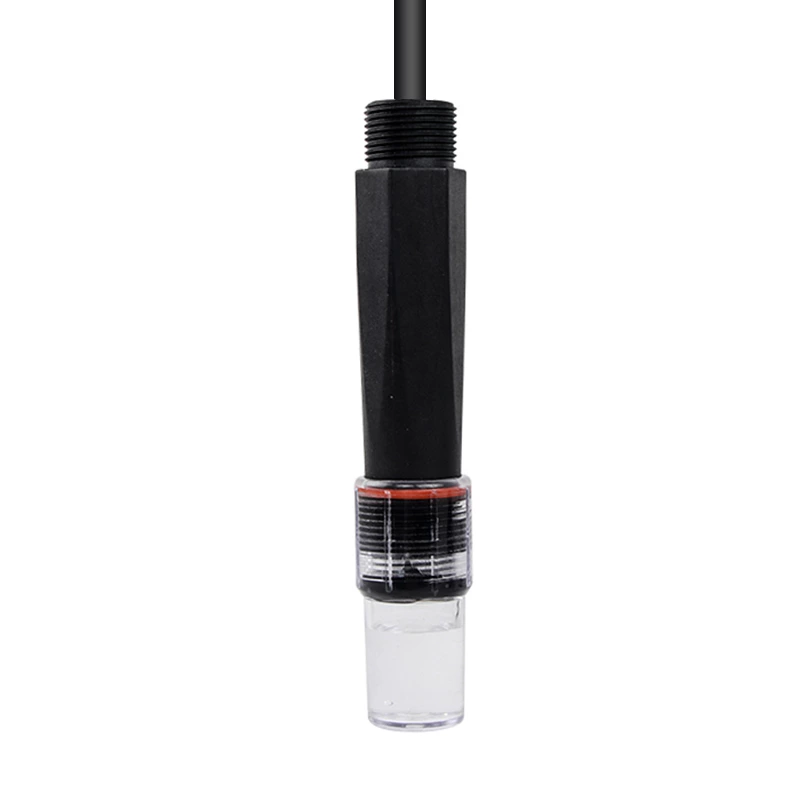
The MIK-PH7001 is a flat pH electrode designed for pH measurement in flue gas desulfurization (FGD) and other harsh environments, such as lime slurry and other slurries.
2. Why use a flat pH sensor?
A flat sensing surface has no protruding glass bulb, so it is generally less prone to breakage, fouling and abrasion in slurries and media containing solid particles. The flowing medium also helps keep the flat surface clean.
3. What applications is the MIK-PH7001 suitable for?
- Flue gas desulfurization (FGD) and lime slurry
- Industrial wastewater engineering
- Process measurements in electroplating plants, the paper industry and the drinks industry
- Wastewater containing oil
- Suspensions, varnishes and media containing solid particles
4. What are the measuring range, zero point and slope?
- Measuring range: 0–14 pH
- Zero potential point: 7 ± 0.5 pH
- Slope (conversion coefficient): >96%
5. What is the internal impedance and response time?
- Internal impedance: 150–250 MΩ at 25 °C
- Practical response time: <1 min
Because the internal impedance is high, the electrode should be connected to a pH meter with a high-impedance input and a low-noise cable.
6. What temperature range can it handle?
With general cables, the heat resistance is 5–80 °C. Please tell us your process temperature so we can confirm the suitable configuration.
7. What pressure can it withstand?
The pressure resistance is 0.2 MPa. Please tell us your process pressure so we can confirm suitability.
8. What is the installation connection?
The sensor has upper and lower 3/4" NPT pipe threads, allowing it to be mounted in suitable fittings or immersion assemblies.
9. What temperature compensation elements are available?
NTC10K, Pt100 and Pt1000 are available. Choose the element that matches your pH meter.
10. What cable is used?
The sensor uses a low-noise cable, which helps maintain a stable signal from the high-impedance electrode.
11. Can it be used in media containing fluorides?
According to its specification, the MIK-PH7001 can be used in media containing fluorides (hydrofluoric acid) up to 1000 mg/L HF. For water with hydrofluoric acid in semiconductor or similar applications, see also the MIK-PH5014 hydrofluoric acid pH sensor, and send us your HF concentration for confirmation.
12. Can it measure oily wastewater or media with solids?
Yes. It is suitable for wastewater containing oil, suspensions, varnishes and media containing solid particles. Regular cleaning is recommended in these applications.
13. Which pH meter can be used with the MIK-PH7001?
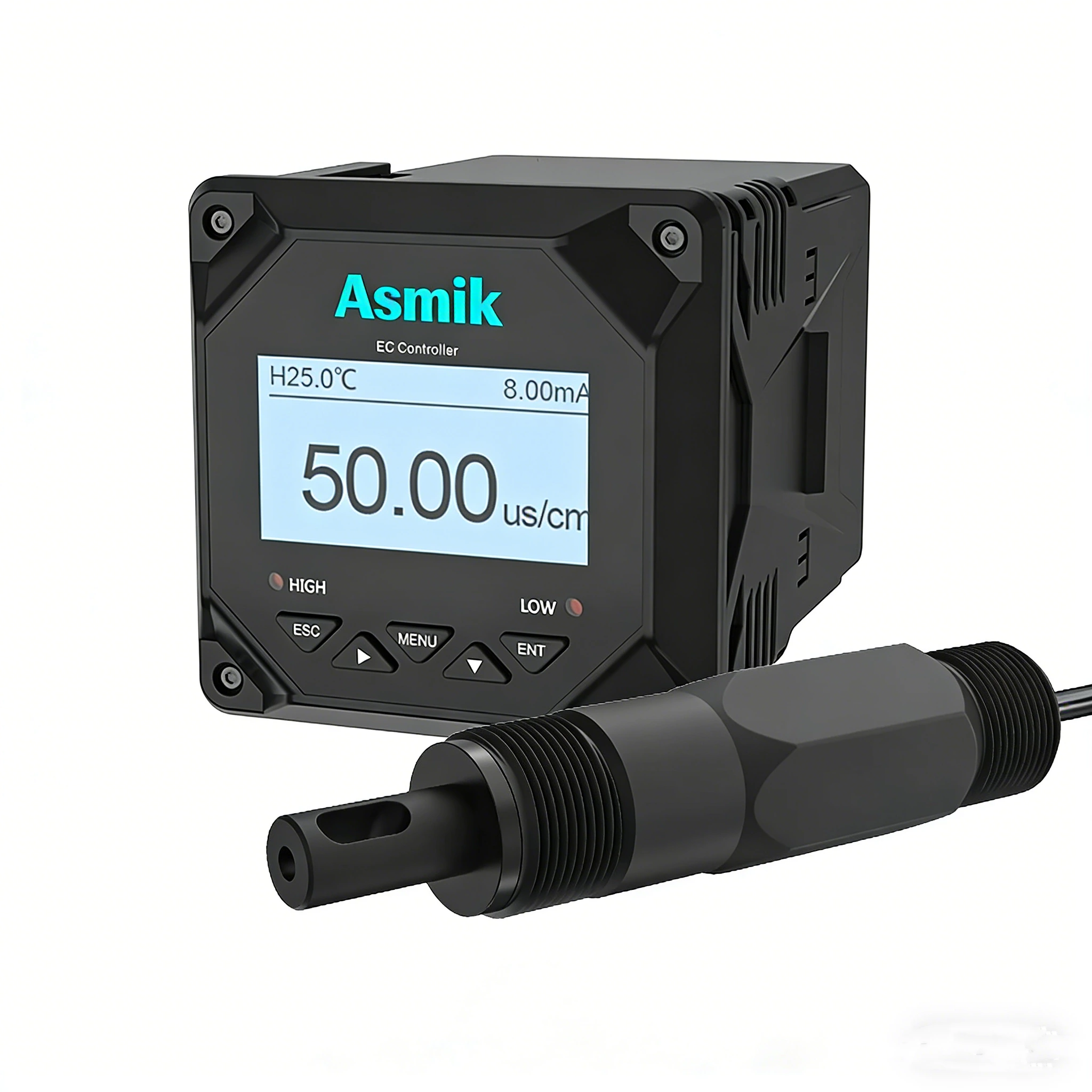
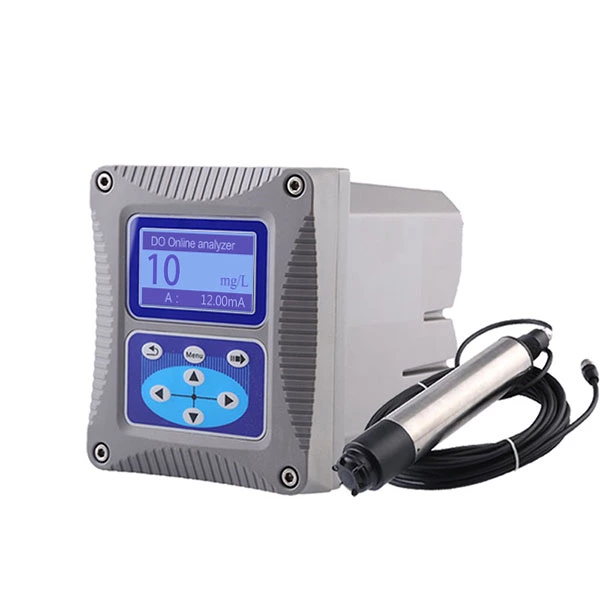
Asmik options include the MIK-PH6.5, MIK-PH8.0 and MIK-DC-P2. Please make sure the meter supports the selected temperature compensation element.
14. How should it be installed in an FGD system?
- Install the sensor where the slurry is representative and flowing, avoiding dead zones.
- Keep the sensing surface fully immersed at all times.
- Allow easy access for removal, cleaning and calibration.
- Route the low-noise cable away from power cables and motors.
Please follow the installation manual or contact our engineers for site-specific requirements.
15. How should the sensor be calibrated and maintained?
Calibrate with standard buffer solutions, such as Asmik standard pH calibration solutions. In slurry and FGD applications, clean the sensing surface and check the calibration regularly, as deposits can affect the reading. Keep the sensing surface wet when not in use.
16. What information should I provide to get a quotation?
To help us select the correct configuration, please provide:
- Application and medium (e.g., FGD slurry, oily wastewater)
- Process temperature and pressure
- Fluoride (HF) concentration, if present
- Installation method and fittings
- Temperature compensation element and cable length
- Matching pH meter (if required)
- Quantity
Send your requirements to info@asmik.com or contact us via WhatsApp at +86 13325716921.