Specification
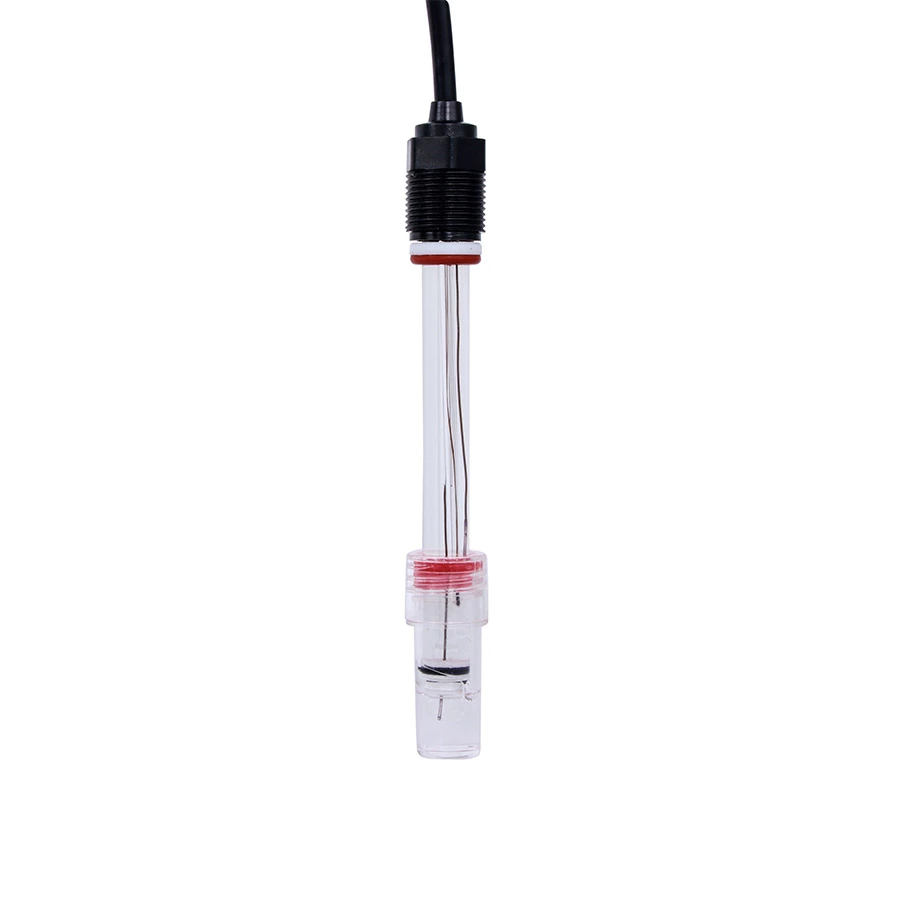
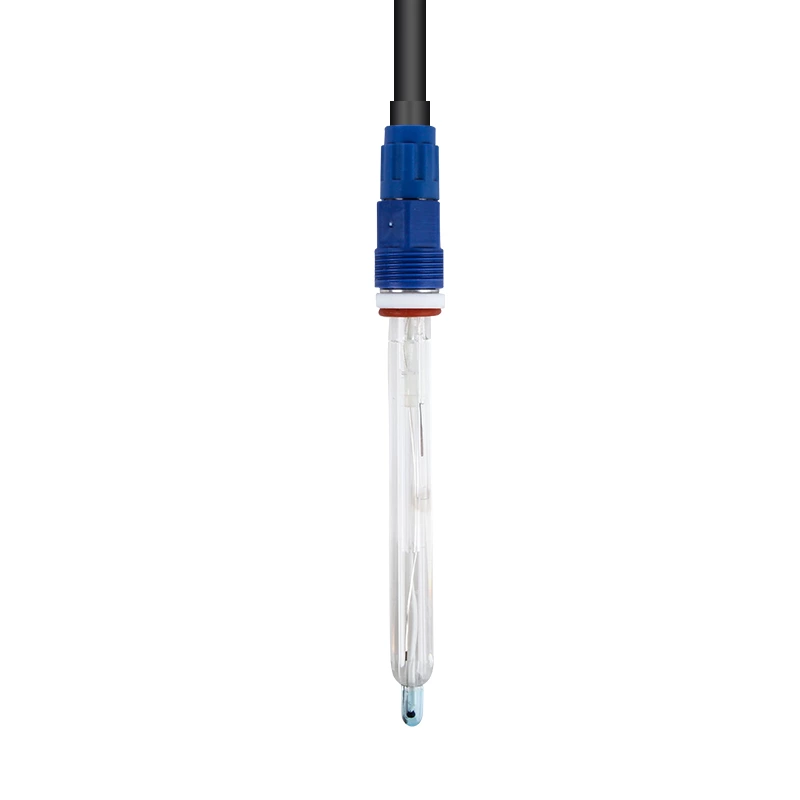
The MIK-pH6001 stands out for its combination of precision, durability, and ease of integration. With a fast response time (<1 min) and a high conversion coefficient (≥95%), it delivers consistent performance in complex industrial settings. The electrode’s robust ABS construction and advanced reference system ensure a prolonged lifespan, even in aggressive environments. Its compatibility with multiple installation methods and pH meters makes it a versatile choice for professionals across industries.
-
Maintenance and Calibration
To ensure optimal performance, periodically clean the SUP-pH6001’s sensitive membrane and liquid junction. A three-point calibration (pH 4.00, 6.86, and 9.18 buffer solutions) is recommended for accurate measurements across the pH range. When not in use, store the sensor in a protective cover with a saturated KCl solution to maintain the sensitive membrane’s activation.
| Product |
Plastic pH sensor |
| Model |
MIK-PH6001 |
| Pressure resistance |
0.4MPa |
| Reference |
Ag/AgCl |
| Salt bridge |
Cyclic tetrafluoro salt bridge |
| Electrode outer tube material |
ABS |
| Thread Connection |
3/4NPT |
| Temperature compensation resistance |
Pt100/Pt1000/NTC10K |
1. What is the MIK-pH6001 plastic pH electrode?
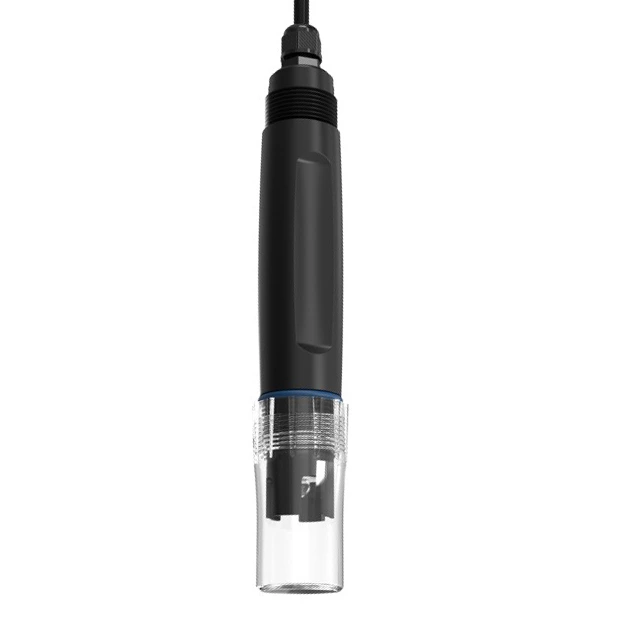
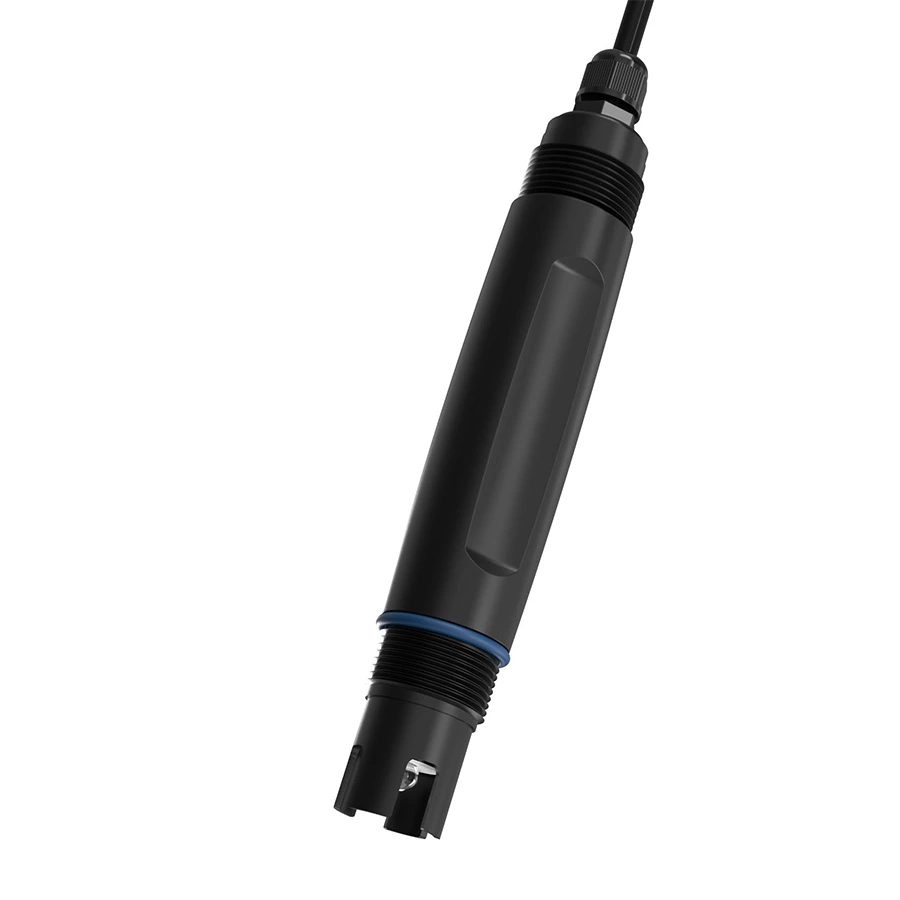
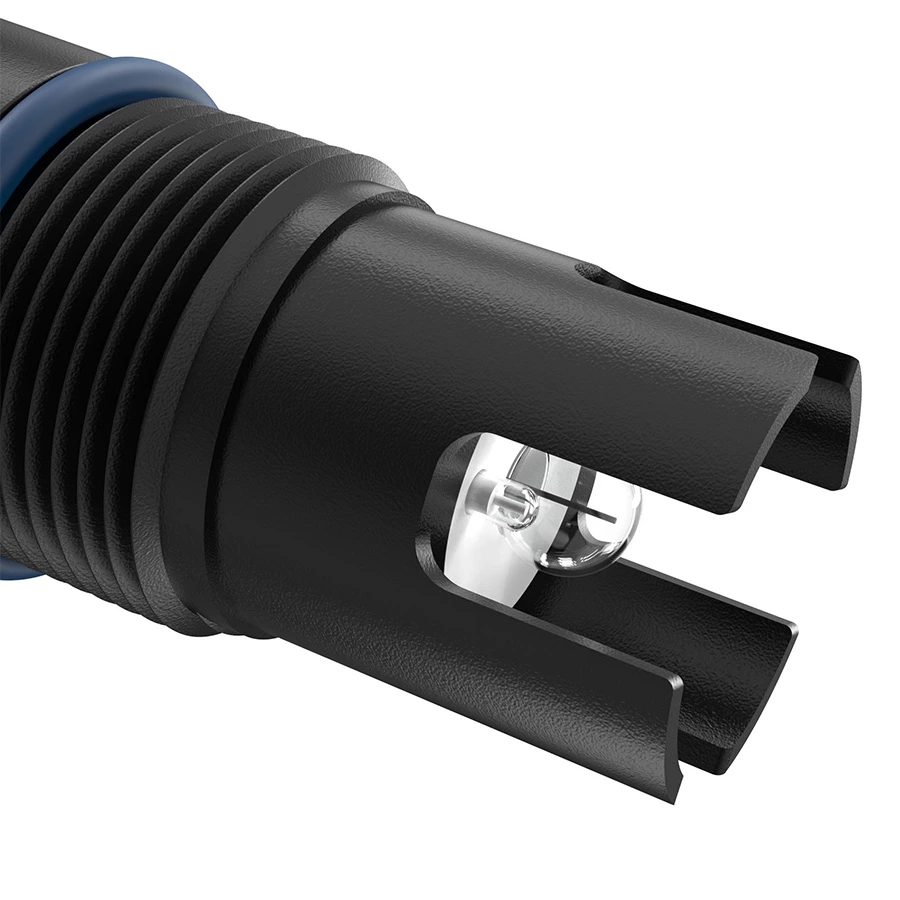
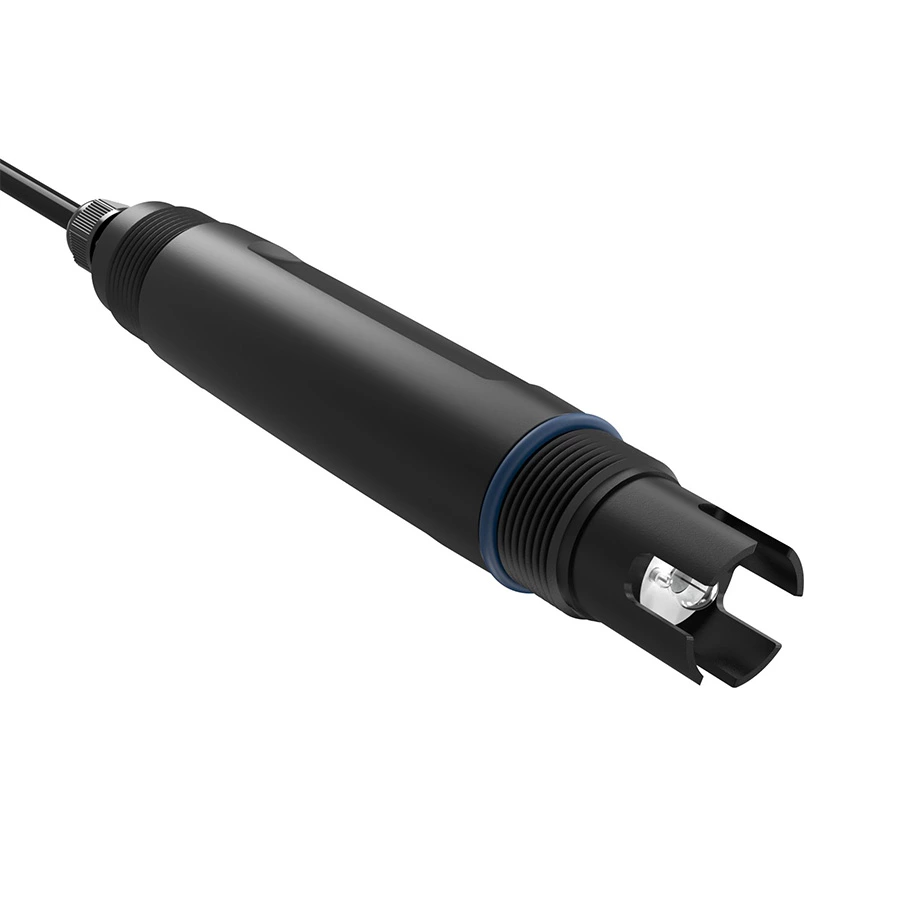
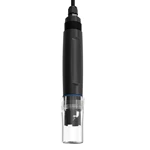
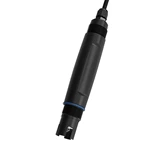
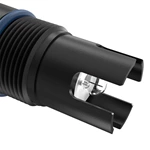
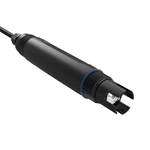
The MIK-pH6001 is an online pH electrode with a plastic (ABS) body, designed for accurate and dependable pH measurement in challenging industrial environments. It uses an Ag/AgCl reference and a cyclic tetrafluoro (PTFE) salt bridge.
2. Where is the MIK-pH6001 used?
Typical applications include wastewater treatment, mining and smelting, papermaking and paper pulp, textiles, the petrochemical industry, the semiconductor electronics industry, and downstream engineering in biotechnology.
3. Why choose a plastic body instead of a glass body?
A plastic body is more resistant to impact and breakage, and the housing resists acids, alkalis and organic solvents, which makes it well suited to industrial installations. For laboratory use or applications where a glass body is preferred, see the MIK-pH6002 glass-body pH electrode.
4. What is the measuring range?
The pH measuring range is 0–14 pH, with a 2–12 pH version also available. Related ORP measurement covers ±2000 mV. Please tell us whether you need pH or ORP measurement.
5. How fast is the response, and what is the conversion efficiency?
The response time is less than 1 minute, and the conversion coefficient (slope) is at least 95%, providing consistent performance in complex industrial settings.
6. What pressure and temperature can it withstand?
The rated pressure resistance is 0.4 MPa. For process temperature limits, please tell us your operating temperature so we can confirm the suitable configuration.
7. What reference system and salt bridge are used?
The electrode uses an Ag/AgCl reference system and a cyclic tetrafluoro (PTFE) salt bridge, which support stable measurement and easy calibration.
8. What temperature compensation elements are available?
Temperature compensation resistors are available as Pt100, Pt1000 or NTC10K. Choose the type that matches your pH meter.
9. What is the process connection?
The electrode has a 3/4" NPT thread connection.
10. What installation methods are supported?
It supports submersible, flow-through and flange mounting. Please tell us your installation method so we can recommend suitable accessories. Asmik also offers pH installation accessories such as an installation box and bracket.
11. What cable lengths are available?
The wiring is customizable, with cable lengths of 5 m or more available. Please specify the required length when ordering.
12. Is a digital RS485 version available?
RS485 digital integration is available for IoT compatibility. Please tell us if you need a digital output version. For a dedicated digital pH sensor, see the MIK-PH8001.
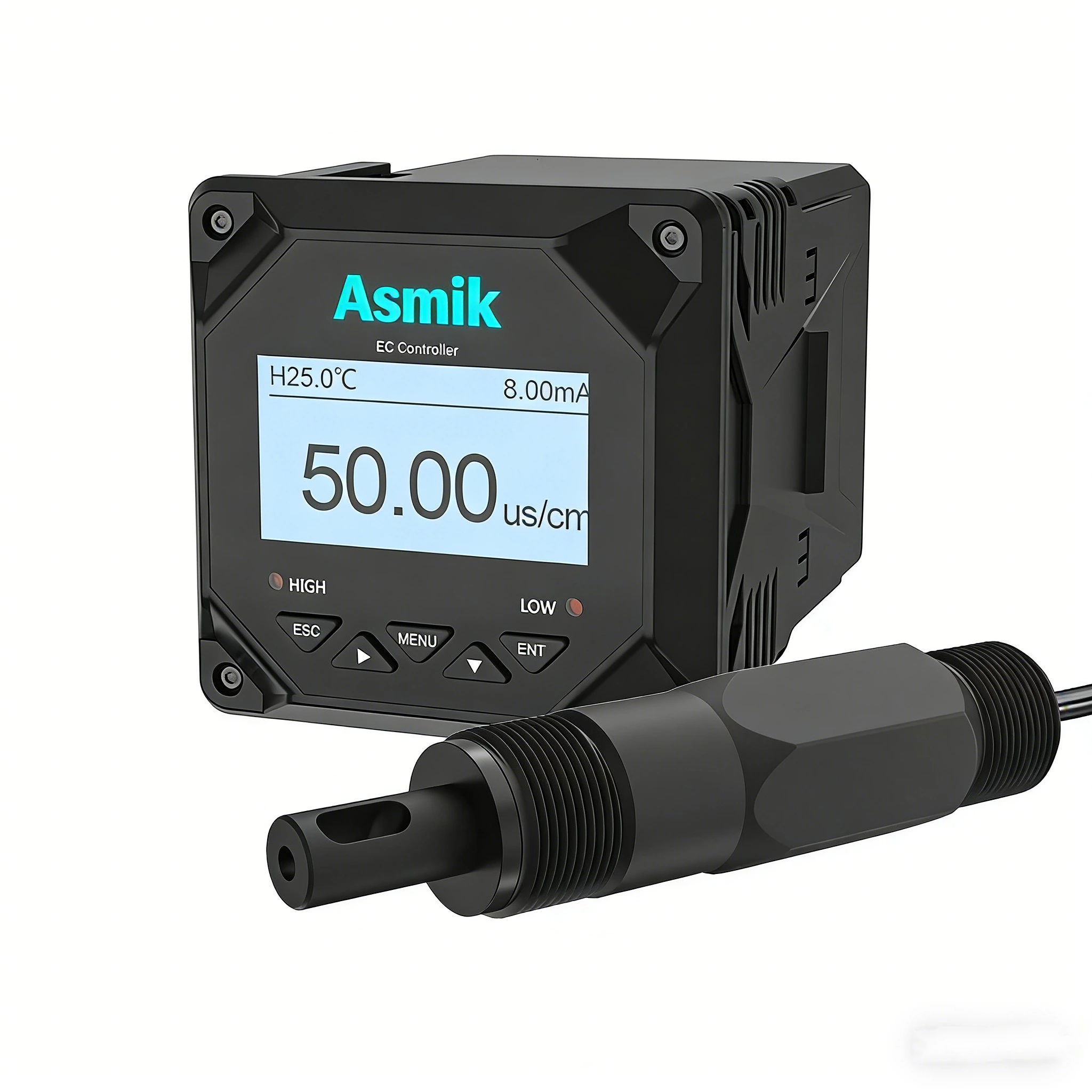
13. Which pH meter should I use with it?
14. How should the electrode be calibrated?
A three-point calibration with pH 4.00, 6.86 and 9.18 buffer solutions is recommended for accurate measurement across the pH range. Asmik standard pH calibration solutions are available.
15. How should the electrode be maintained and stored?
- Periodically clean the sensitive membrane and the liquid junction.
- When not in use, keep the sensor in its protective cover with saturated KCl solution to keep the membrane activated.
- Do not let the sensitive membrane dry out.
16. How long does the electrode last?
The robust ABS construction and reference system are designed for a long service life, even in aggressive environments. Actual life depends on the medium, temperature, cleaning and storage conditions.
17. Is it suitable for hydrofluoric acid or strongly corrosive media?
For water containing hydrofluoric acid, see the MIK-PH5014. For strongly corrosive media, see the MIK-PH5013A PTFE pH sensor. Please send us your medium details for a recommendation.
18. What information should I provide to get a quotation?
To help us select the correct configuration, please provide:
- Medium and pH range (0–14 or 2–12), or ORP requirement
- Process temperature and pressure
- Installation method (submersible, flow-through or flange)
- Temperature compensation type (Pt100, Pt1000 or NTC10K)
- Cable length and whether RS485 output is needed
- Matching pH meter (if required)
- Quantity
Send your requirements to info@asmik.com or contact us via WhatsApp at +86 13325716921.