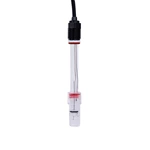
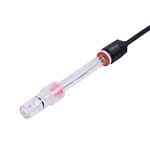
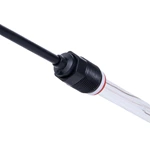
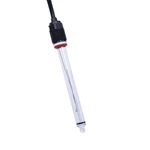
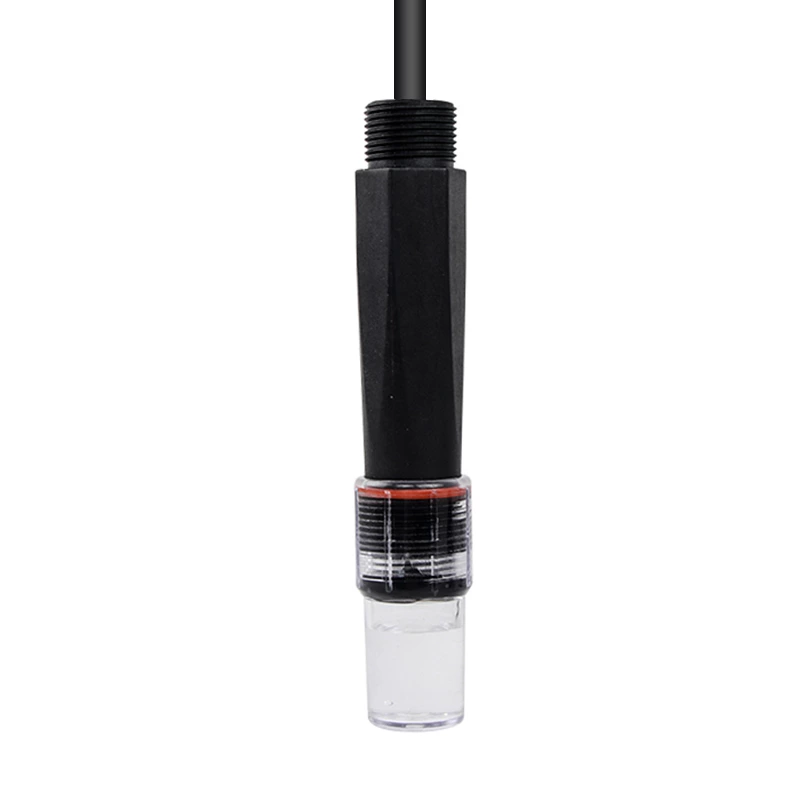
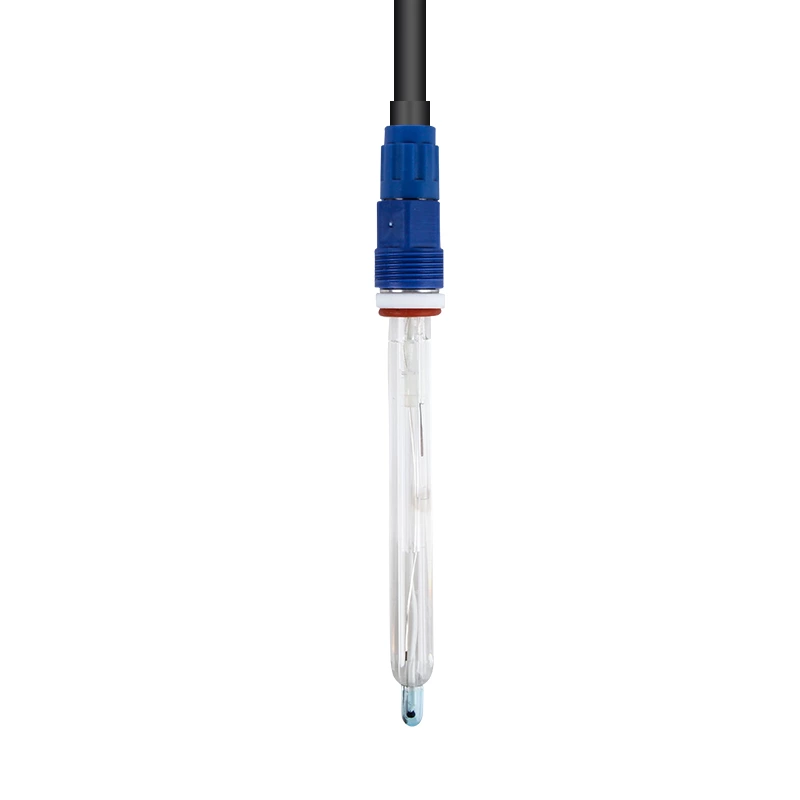
Specification
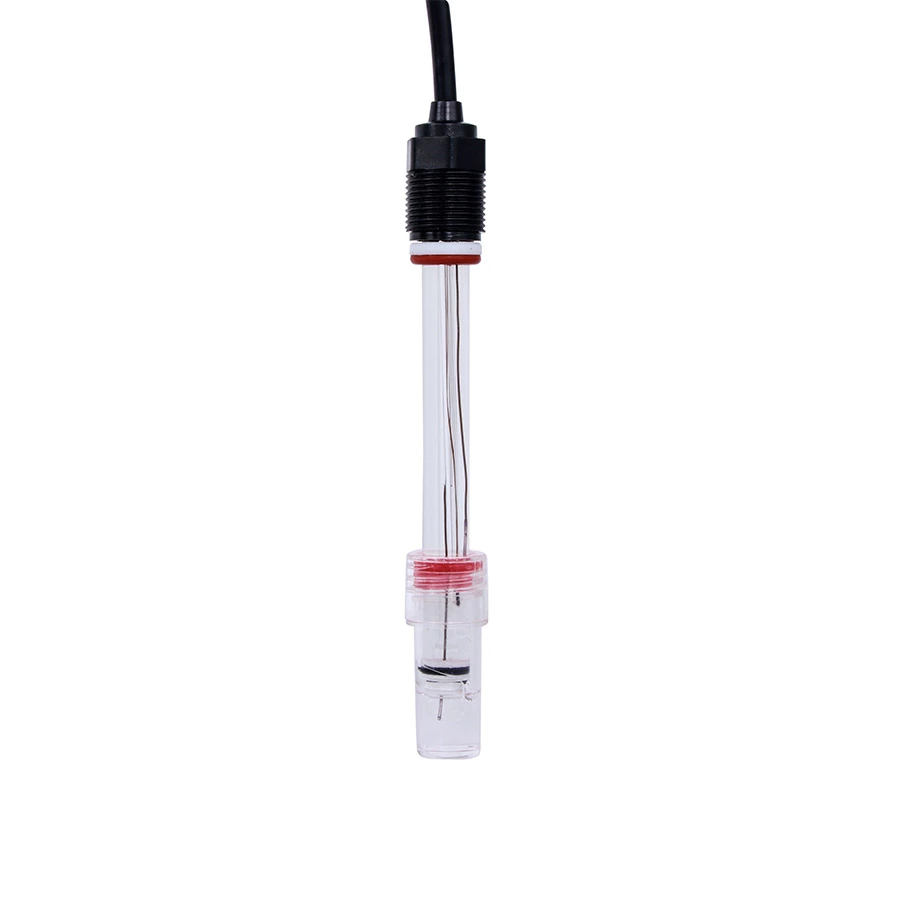
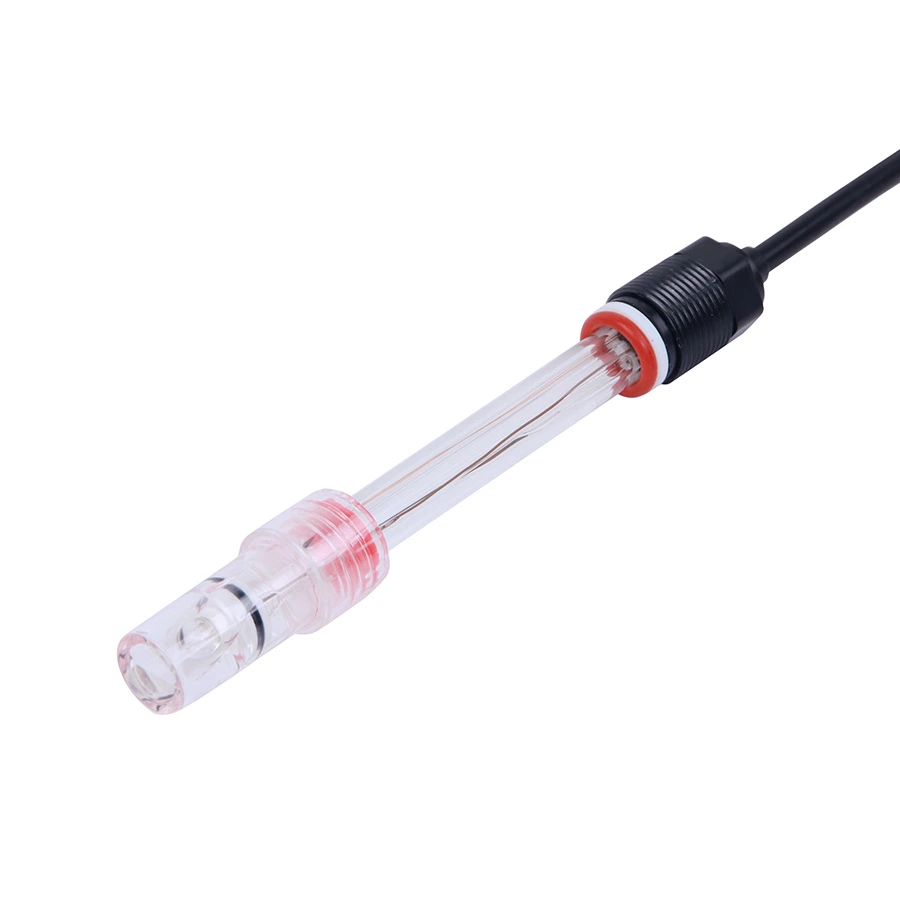
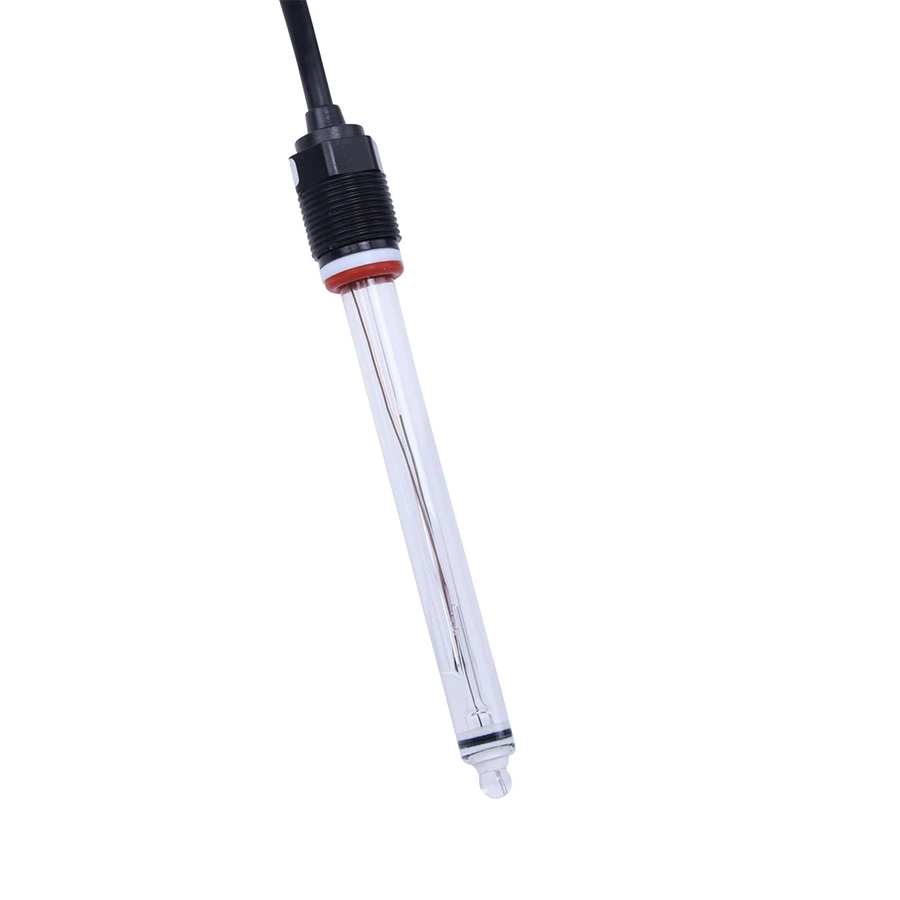
The MIK-PH6002 glass-body pH electrode is a precision sensor designed to measure the acidity or alkalinity (pH) of liquids, ideal for various industrial applications. Encased in a durable glass outer tube, it features a sensitive glass membrane that accurately detects hydrogen ion concentrations, ensuring reliable performance.
The MIK-PH6002 is widely used across industries, including wastewater treatment for effluent monitoring, mining and smelting for process control, papermaking and paper pulp for quality assurance, textiles for dye optimization, petrochemicals for safety, semiconductor processes for clean production, and biotechnology engineering for research support. Its robust design withstands harsh chemicals and temperatures, making it a versatile solution.
It comes with a standard 5-meter wire (optional lengths available) and meets international standards, offering a cost-effective, durable option for accurate pH measurement in demanding environments.
| Product |
Glass pH sensor |
| Model |
MIK-PH6002 |
| Measurement range |
0 ~ 14 pH |
| Zero potential point |
Eo=7pH |
| Electrode size |
φ12x120, 225, or other sizes |
| Thread |
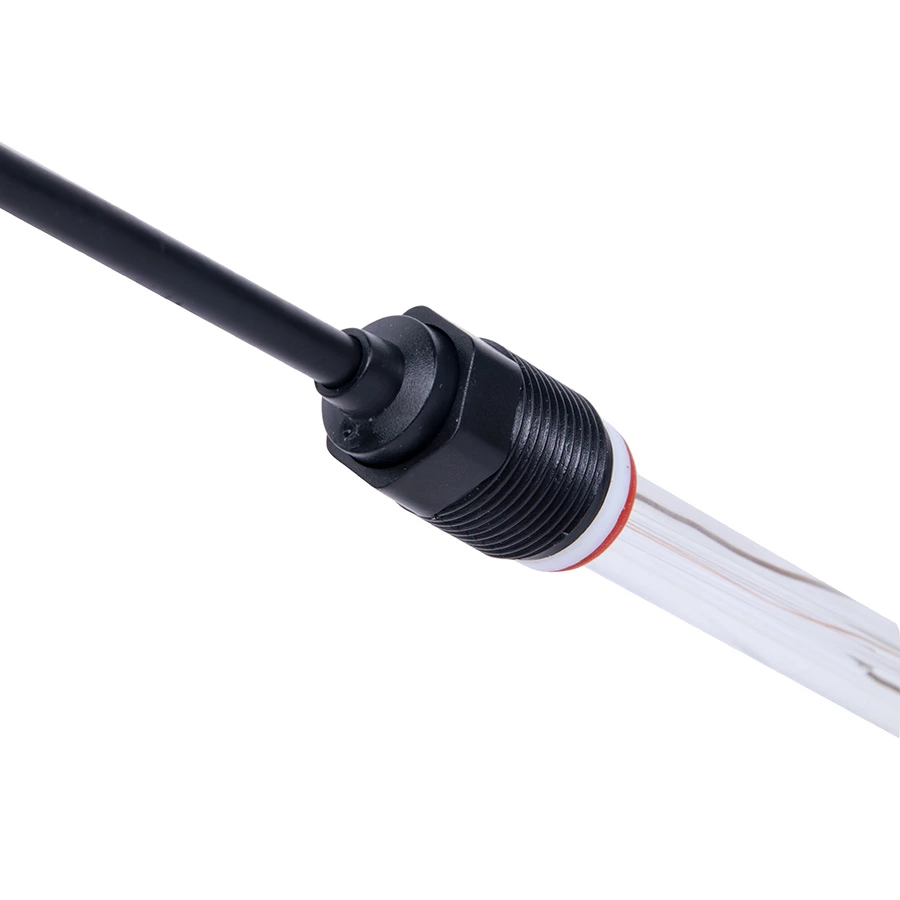
PG13.5, international standard |
| Electrode outer tube material |
glass |
| Wire |
5 m(standard),optional |
| Temperature compensation resistance |
Pt100, Pt1000, 2.252K, 10K, 22K, etc. |
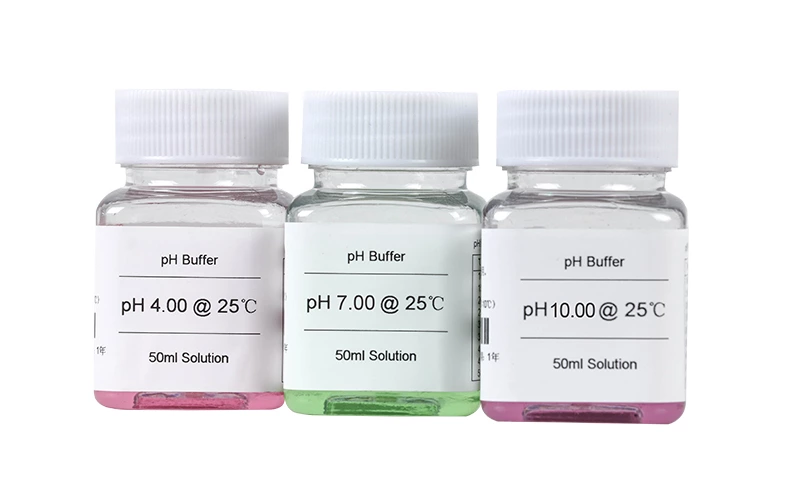
The MIK-PH6002 glass-body pH electrode utilizes a precise three-point calibration method to ensure accurate pH measurements for industrial use. The process starts with a pH 4.00 pH calibration solution as the initial reference, followed by pH 6.86 and pH 9.18 buffer solutions to determine the electrode's slope with high reliability. These standard buffers cover the 0-14 pH range, aligning with international norms.
Calibration points are adjustable via the meter's interface, offering flexibility to suit specific needs. This method, supported by Pt100 or Pt1000 temperature compensation, corrects for environmental variations. It is vital for industries like wastewater treatment, mining, papermaking, textiles, petrochemicals, semiconductors, and biotechnology, where precise pH control ensures compliance and stability.
1. What is the MIK-pH6002 glass-body pH electrode?
The MIK-pH6002 is a precision pH electrode with a glass outer tube that houses a sensitive glass membrane for accurate detection of hydrogen ion concentration. It is used for pH measurement in laboratory and industrial applications.
2. Where is the MIK-pH6002 used?
It is widely used in wastewater treatment, mining and smelting, papermaking and paper pulp, textiles, the petrochemical industry, semiconductor electronic processes and downstream biotechnology engineering.
3. Should I choose a glass body or a plastic body electrode?
A glass body resists harsh chemicals and temperatures, but it is more fragile and must be protected from impact. A plastic body is more resistant to breakage in rough industrial installations; see the MIK-pH6001 plastic pH electrode. Please send us your application details for a recommendation.
4. What is the measuring range and zero point?
The measuring range is 0–14 pH, and the zero potential point is Eo = 7 pH, which means the electrode outputs approximately 0 mV at pH 7. This provides a precise baseline for calibration.
5. What electrode sizes are available?
Standard sizes are φ12 × 120 mm and φ12 × 225 mm, and other sizes are available on request.
6. What thread does the electrode use?
The electrode uses a PG13.5 thread, an international standard connection widely used for 12 mm process electrodes, holders and flow cells.
7. What temperature compensation elements are available?
Options include Pt100, Pt1000, 2.252K, 10K and 22K, among others. Choose the element that matches your pH meter's temperature input.
8. What cable length is supplied?
A 5 m cable is supplied as standard, and other lengths are available on request.
9. What pressure and temperature can the electrode withstand?
The glass body is designed to withstand harsh chemicals and temperatures. Please tell us your process pressure and temperature so we can confirm the suitable configuration.
10. Which pH meter can be used with the MIK-pH6002?
The electrode works with pH meters that accept a standard pH electrode input and the selected temperature compensation element. Asmik options include the MIK-PH6.5, MIK-PH163S, MIK-PH8.0 and MIK-DC-P2.
11. How is the MIK-pH6002 calibrated?
A three-point calibration is used: start with pH 4.00 buffer as the initial reference, followed by pH 6.86 and pH 9.18 buffers to determine the electrode slope. Calibration points can be adjusted through the meter's interface, and Pt100 or Pt1000 temperature compensation corrects for temperature variations. Asmik standard pH calibration solutions are available.
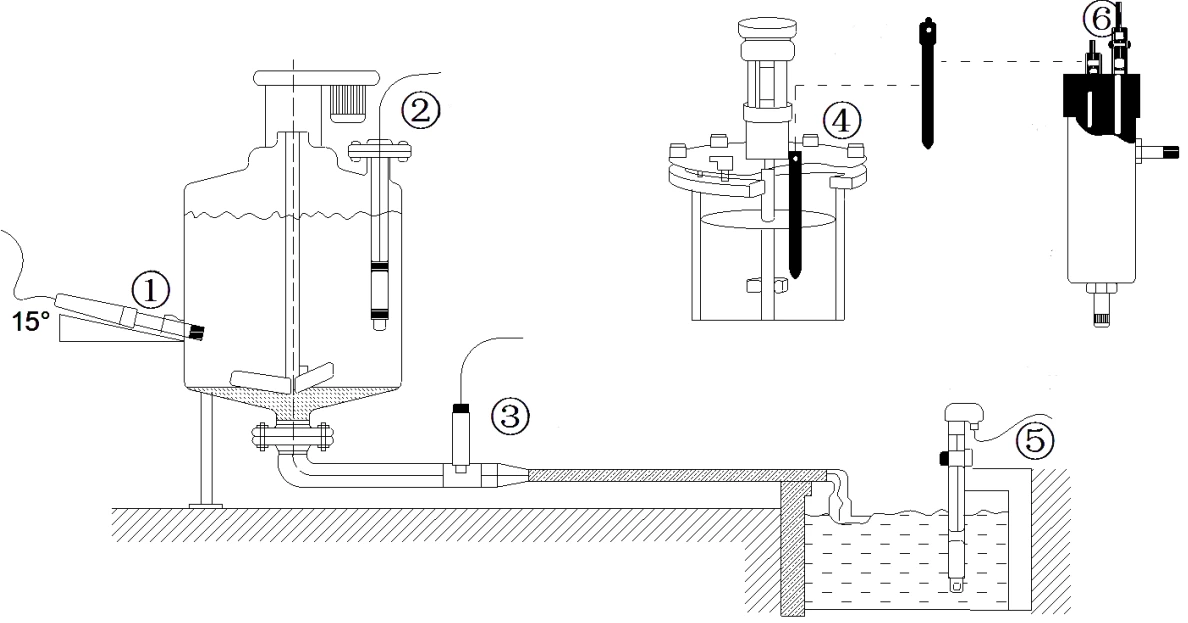
12. How should the electrode be installed?
- Install the electrode with the PG13.5 thread in a suitable holder, flow cell or immersion assembly.
- Make sure the glass membrane is always immersed in the liquid.
- Mount the electrode so that air bubbles cannot collect at the membrane; installing it inclined rather than horizontal is generally recommended.
- Protect the glass body from impact and vibration.
Please refer to the installation drawing on this page or contact our engineers. Asmik also offers pH installation accessories.
13. How should the electrode be maintained and stored?
- Clean the glass membrane and junction regularly according to the type of contamination.
- Keep the membrane wet; store the electrode with its protective cap and storage solution when not in use.
- Recalibrate after cleaning or long storage.
14. How long does a glass pH electrode last?
A pH electrode is a consumable component. Service life depends on the medium, temperature, cleaning and storage conditions. Aggressive chemicals, high temperatures and letting the membrane dry out generally shorten its life.
15. Which electrode should I use for hydrofluoric acid or FGD slurry?
Standard glass membranes are not recommended for water containing hydrofluoric acid; use the MIK-PH5014 instead. For flue gas desulfurization and lime slurry, see the MIK-PH7001 flat pH sensor.
16. What information should I provide to get a quotation?
To help us select the correct configuration, please provide:
- Medium and application (laboratory or process)
- Process temperature and pressure
- Electrode length (120 mm, 225 mm or other)
- Temperature compensation element
- Cable length
- Matching pH meter and installation accessories (if required)
- Quantity
Send your requirements to info@asmik.com or contact us via WhatsApp at +86 13325716921.